


How to halve fashion returns using accurate body scan data?
For over two decades in the dynamic world of fashion technology, I've witnessed countless brands struggle with a silent, yet devastating, drain on their resources: high return rates. It's a problem that plagues even the most innovative companies, eroding profits, damaging brand loyalty, and creating a mountain of logistical headaches.
The root cause, more often than not, lies in the elusive quest for the perfect fit. Customers buy, hoping for the best, only to be disappointed when garments don't match their expectations or their unique body shapes. This cycle of purchase and return isn't just an operational challenge; it's a fundamental breakdown in the customer experience.
But what if I told you there's a transformative solution at our fingertips, one that leverages cutting-edge technology to bridge this gap? In this comprehensive guide, I'll share my insights on exactly how to halve fashion returns using accurate body scan data, offering actionable frameworks, real-world strategies, and expert advice to revolutionize your approach to fit and customer satisfaction.
The Silent Killer: Understanding the True Cost of Fashion Returns
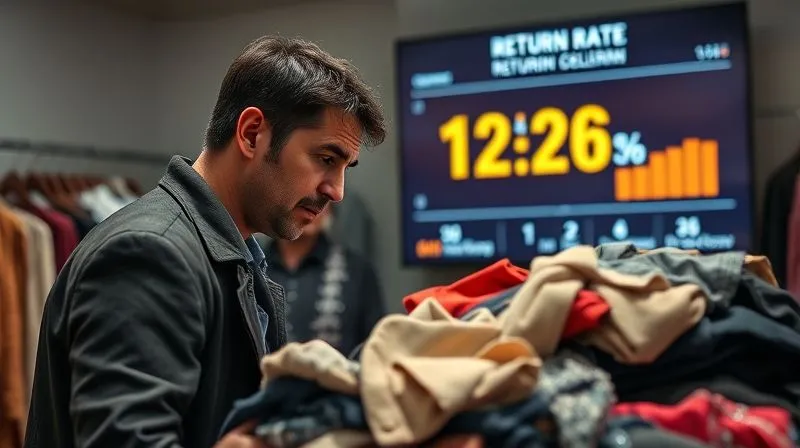
Returns are an inherent part of retail, but in fashion, they reach staggering, often unsustainable, levels. I've seen brands with return rates hovering around 25-30% for brick-and-mortar and an alarming 40-50% for online sales. This isn't just about the lost sale; the true cost is far more insidious.
Consider the logistical nightmare: reverse shipping, inspection, repackaging, re-stocking, or even disposal. Each returned item incurs a cost, from transportation to labor, often outweighing the initial profit margin. According to a study by Optoro, returns cost retailers an estimated $101 billion in 2020 alone. This doesn't even account for the environmental impact of increased shipping and waste.
Beyond the financial and environmental toll, there's the intangible damage to your brand. A customer who repeatedly receives ill-fitting garments quickly loses trust. They associate your brand with disappointment, leading to decreased loyalty and negative word-of-mouth. In an age where customer experience is paramount, this is a fatal flaw.
Key Insight: High return rates are not merely a cost of doing business; they are a symptom of a deeper disconnect between your product and your customer's expectations, primarily driven by inconsistent or inaccurate sizing. Addressing this isn't just about saving money; it's about building lasting customer relationships and a sustainable business model.
The Promise of Precision: What is Accurate Body Scan Data?
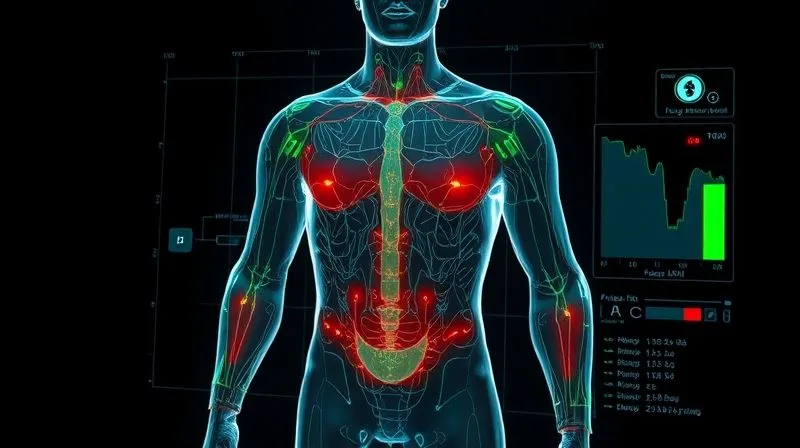
So, what exactly is this game-changing technology? Accurate body scan data refers to precise, three-dimensional measurements of an individual's body, captured digitally. Unlike traditional tape measurements, which are prone to human error and limited to a few points, 3D body scanners capture hundreds of thousands of data points in seconds, creating a virtual avatar of the customer.
These scans provide incredibly detailed information: circumference measurements (bust, waist, hips), lengths (sleeve, inseam), and even posture analytics. This granular data allows for an unprecedented understanding of individual body shapes, going far beyond a simple size chart. It accounts for the nuances that make each body unique, from shoulder slope to thigh circumference, which often dictate how a garment truly fits.
The technology has evolved dramatically. Early scanners were bulky and expensive, but today's solutions are sleek, user-friendly, and more affordable, making them viable for a wide range of retail environments, from in-store experiences to at-home mobile scanning apps. The core benefit remains: providing objective, consistent, and highly personalized fit data.
From Scan to Solution: Integrating 3D Body Data into Your Workflow
Implementing body scan data isn't just about buying a scanner; it's about fundamentally rethinking your sizing and recommendation strategy. This requires a multi-step approach, integrating the technology seamlessly into your product development, inventory management, and customer-facing platforms.
Step 1: Selecting the Right Body Scanning Technology
The first hurdle is choosing the right technology. Options range from dedicated in-store booths to mobile app-based solutions. Consider your target audience, budget, and desired level of accuracy. Dedicated scanners offer the highest precision, ideal for bespoke tailoring or high-end brands. Mobile solutions, while slightly less precise, offer unparalleled accessibility for mass-market e-commerce.
Look for systems that provide not just raw measurements, but also analytical tools that can translate those measurements into actionable insights. Integration capabilities with existing CRM and e-commerce platforms are crucial for a smooth workflow.
Step 2: Data Acquisition and Privacy Protocols
Once you have the technology, you need to acquire data responsibly. In-store, trained staff can guide customers through the scanning process. For mobile apps, clear instructions and user-friendly interfaces are paramount. Emphasize the benefits to the customer: a better fit, fewer returns, and a more personalized shopping experience.
Data privacy is non-negotiable. Ensure compliance with GDPR, CCPA, and other relevant regulations. Clearly communicate how data will be used and stored. Anonymization and aggregation of data for trend analysis can provide valuable insights without compromising individual privacy. Trust is foundational to adoption.
Step 3: Harmonizing Scan Data with Product SKUs
This is where the magic happens. Your body scan data needs to be mapped against your garment specifications. This involves creating a comprehensive digital library of your product SKUs, detailing their actual measurements, fabric stretch, and design intent (e.g., slim fit, relaxed fit).
Sophisticated algorithms can then compare a customer's unique body scan data with the garment specifications, predicting how a specific size and style will fit that individual. This isn't just about matching a waist size; it's about understanding how the entire garment drapes and contours to the body.
Beyond the Basics: Leveraging AI and Machine Learning for Predictive Fit
While direct comparison of body scan data to garment specs is powerful, the true potential of this technology is unleashed when combined with Artificial Intelligence and Machine Learning. AI algorithms can learn from millions of data points – including customer body scans, purchase history, return data, and even customer feedback – to refine fit predictions over time.
Imagine a system that not only tells a customer their 'ideal' size but also predicts how a specific fabric will drape, how a garment will feel based on its construction, or even how different brands' sizing conventions compare. This level of predictive analytics moves beyond simple measurements to offer truly personalized recommendations.
Case Study: Elevating Fit at 'StitchPerfect Apparel'
StitchPerfect Apparel, a mid-sized online retailer specializing in premium denim, faced a persistent 38% return rate, largely due to fit issues. Customers frequently ordered multiple sizes, a practice known as 'bracketing,' intending to return the ill-fitting ones. By implementing a mobile body scanning app linked to an AI-driven fit recommendation engine, they transformed their operations.
Customers were encouraged to use the app to get their precise measurements. The AI then analyzed this data against StitchPerfect's extensive database of denim styles, fabric compositions, and customer feedback. Within six months, their return rate for denim products dropped by an astonishing 45%, reducing it to just under 21%. This not only saved them significant costs in reverse logistics but also dramatically improved customer satisfaction and brand loyalty. The success prompted them to expand the system across their entire product range.
This example clearly demonstrates how to halve fashion returns using accurate body scan data, proving its tangible impact.
Communicating Confidence: Guiding Customers with Personalized Fit Recommendations
Having accurate data is one thing; effectively communicating it to your customers is another. The goal is to instill confidence in their purchase decisions, minimizing uncertainty and the need for bracketing.
- Visual Fit Guides: Instead of just recommending a size, show customers *why* a particular size is recommended for *their* body. Use visual overlays on a generic avatar or even their own scanned avatar, highlighting how the garment will sit on their unique shape.
- Personalized Size Recommendations: Clearly state the recommended size, but also provide a confidence score or a visual indicator of how well it's expected to fit. For example, 'We recommend a Size M for a 'Perfect Fit' based on your measurements.'
- Comparative Sizing: Allow customers to compare their measurements to the garment's actual dimensions. This transparency builds trust. You can also offer comparisons to brands they already own and love.
- Virtual Try-On (VTO): For an even more immersive experience, integrate virtual try-on technology. While not strictly body scanning, VTO often leverages body scan data to accurately render garments on a customer's digital avatar, providing a realistic preview of the fit and drape.
Key Insight: Transparency and visual aids are critical. Don't just give a recommendation; empower the customer with the understanding of *why* it's the right fit for them. This shifts the focus from 'guessing' to 'knowing.'
| Recommendation Metric | Baseline | Target |
|---|---|---|
| Return Rate Reduction Goal | 30% | 15% |
| Customer Satisfaction (NPS) Increase | +10 points | +25 points |
| Average Order Value (AOV) Increase | 5% | 15% |
| Bracketing Behavior Reduction | 25% | 60% |
Measuring Success: KPIs and Continuous Optimization
Implementing body scan technology is an investment, and like any investment, its success must be measured. Key Performance Indicators (KPIs) will help you track progress and identify areas for further optimization.
- Return Rate by Category: Monitor the overall return rate, but also break it down by product category, size, and even specific SKUs. This helps pinpoint problem areas and highlight where the body scan data is having the most impact.
- Customer Satisfaction (CSAT/NPS): Track customer feedback related to fit. A significant improvement in CSAT or Net Promoter Score (NPS) is a strong indicator of success.
- Conversion Rate: A more confident customer is more likely to complete a purchase. Look for an uplift in conversion rates, especially for first-time buyers who are leveraging the fit recommendations.
- Bracketing Behavior: Analyze how many items customers are adding to their cart and returning. A reduction in this behavior directly correlates with improved fit confidence.
- Cost Savings: Quantify the reduction in reverse logistics costs, including shipping, processing, and waste. This translates directly to improved profitability.
Continuous optimization is key. Regularly analyze the data generated by your body scan system. Are there specific body shapes or garment types that consistently lead to returns even with recommendations? Use these insights to refine your algorithms, adjust garment specifications, or even rethink your sizing strategy. The data is a living asset that should inform every aspect of your product lifecycle.
Overcoming Hurdles: Addressing Implementation Challenges
No transformative technology comes without its challenges. From my experience, the biggest hurdles in implementing body scan data often revolve around integration, data management, and customer adoption.
- Integration Complexity: Integrating a new system with existing e-commerce platforms, ERP systems, and CRM tools can be complex. Plan meticulously, involving IT and relevant stakeholders from the outset. Prioritize systems that offer robust APIs and strong technical support.
- Data Management and Security: Handling sensitive personal data requires stringent security protocols. Invest in secure storage, anonymization techniques, and ensure full compliance with global data protection regulations.
- Customer Adoption: Customers need to be educated and incentivized to use the technology. Highlight the benefits clearly and make the process as seamless and engaging as possible. Think about in-store promotions or loyalty program integrations.
- Sizing Discrepancies: Even with body scan data, discrepancies can arise if garment manufacturers' actual measurements don't match their specifications. Regular quality control and communication with suppliers are vital.
Addressing these challenges proactively will pave the way for a smoother implementation and quicker realization of benefits. Remember, this isn't just a tech project; it's a strategic shift in how you serve your customers.
The Future is Fitted: What's Next for Fashion Tech?
The journey to halve fashion returns using accurate body scan data is just one facet of a larger revolution in fashion technology. As 3D scanning becomes more ubiquitous and AI more sophisticated, we'll see even more personalized and sustainable approaches to apparel.
Imagine a future where garments are almost custom-made on demand, tailored precisely to a customer's body scan. Or where material consumption is optimized through predictive analytics, reducing waste significantly. The convergence of body scanning, AI, 3D design software, and even robotic manufacturing holds the promise of a truly 'fit-first' industry.
This isn't just about preventing returns; it's about creating a more efficient, sustainable, and customer-centric fashion ecosystem. Brands that embrace these innovations now will not only solve the immediate problem of returns but will also position themselves as leaders in the next generation of retail. For more insights on the broader impact of fashion tech, I highly recommend exploring reports from McKinsey & Company on the State of Fashion.
Frequently Asked Questions (FAQ)
Is body scanning data truly accurate enough to replace traditional sizing? Yes, modern 3D body scanners offer accuracy far superior to traditional tape measurements, capturing hundreds of thousands of data points with sub-millimeter precision. When combined with intelligent algorithms, this data provides highly reliable fit recommendations that significantly outperform generic size charts. It's not just about replacing, but enhancing and personalizing sizing.
How do customers react to body scanning technology? Is there resistance due to privacy concerns? Initial reactions can vary, but with clear communication about benefits (better fit, fewer returns) and robust privacy protocols, customer adoption is generally high. Many customers are eager for solutions that address their fit frustrations. Transparency about data usage and emphasizing that individual scans are anonymized for aggregate analysis helps build trust.
What is the typical ROI for investing in body scanning technology for return reduction? The ROI can be substantial, often realized within 12-24 months. It comes from direct cost savings (reduced reverse logistics, fewer damaged goods), increased sales (higher conversion, reduced bracketing), and improved customer lifetime value. Case studies often show return rate reductions of 20-50%, leading to significant bottom-line impact.
Can body scan data help with sustainability efforts beyond just reducing returns? Absolutely. By optimizing fit, brands can reduce overproduction and waste associated with unsold or returned inventory. Furthermore, the detailed data can inform more precise pattern making and design, leading to more efficient material usage. It's a key component of a data-driven, sustainable fashion supply chain, as highlighted by discussions in publications like Harvard Business Review on sustainability.
How does body scan data integrate with existing e-commerce platforms? Most modern body scanning solutions offer APIs (Application Programming Interfaces) that allow for seamless integration with popular e-commerce platforms (e.g., Shopify, Magento) and CRM systems. This enables the fit recommendations to appear directly on product pages, personalize customer profiles, and inform marketing efforts. Custom integrations may be required for highly specialized systems.
Recommended Reading
- 7 Proven Strategies to Optimize Production Costs for Extendable Kids' Clothing
- Mastering Remote Haute Couture: 7 Steps for Perfect Client Fit & Satisfaction
- 5 Menswear Secrets: Project Executive Presence & Command Respect
- 7 Secrets: How to Maintain Structural Integrity in Heavy Beadwork Couture
- Authenticate Vintage Designer Handbags: The Expert's Secret Guide
Main Points and Final Considerations
The journey to halve fashion returns using accurate body scan data is a strategic imperative for any forward-thinking fashion brand. Let's recap the critical takeaways:
- High fashion return rates are a costly problem, impacting profits, brand reputation, and environmental sustainability.
- Accurate 3D body scan data provides unprecedented precision in understanding individual body shapes, moving beyond generic sizing.
- Successful implementation requires careful selection of technology, robust data privacy, and seamless integration with existing systems.
- Leveraging AI and Machine Learning amplifies the power of body scan data, enabling highly personalized and predictive fit recommendations.
- Clear communication and visual aids are essential to build customer confidence and drive adoption of fit recommendations.
- Continuous measurement of KPIs like return rates, conversion, and customer satisfaction is crucial for ongoing optimization and demonstrating ROI.
- While challenges exist, proactive planning for integration, data management, and customer engagement will ensure success.
As a seasoned industry expert, I can confidently say that the era of 'one size fits all' or even 'guess your size' is rapidly drawing to a close. The future of fashion is personalized, precise, and powered by data. By embracing accurate body scan data, you're not just solving a return problem; you're investing in a more sustainable, profitable, and customer-centric future for your brand. Step into this future with confidence, and watch your return rates—and your bottom line—transform.





Your email address will not be published. Required fields are marked *