

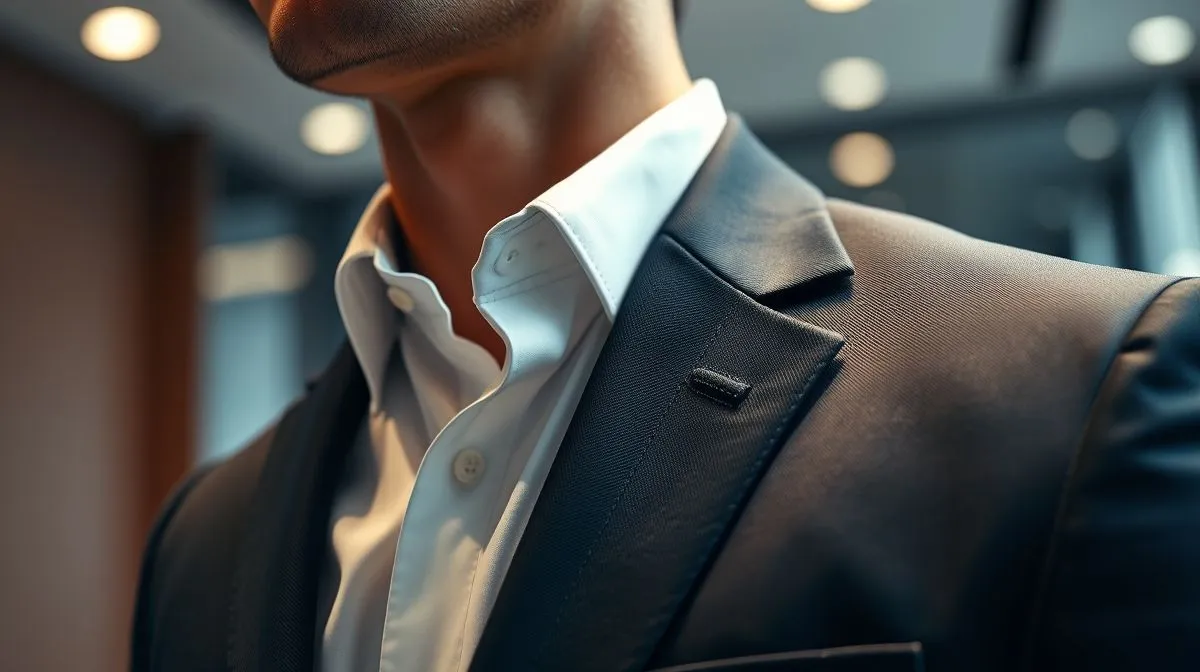
How to project executive presence through your menswear?
For over two decades in the menswear industry, I've had a front-row seat to the careers of countless professionals. I've seen promising individuals plateau, not for lack of skill, but for a subtle disconnect in their presentation. Conversely, I've watched others ascend rapidly, their competence amplified by an undeniable aura of authority and confidence. This isn't magic; it's a strategic alignment of personal brand and professional attire.
Many men focus solely on their resume and their performance metrics, completely overlooking one of the most powerful, non-verbal communication tools at their disposal: their wardrobe. They dress for 'work,' perhaps, but rarely for 'leadership,' missing critical opportunities to influence perception, command respect, and ultimately, accelerate their career trajectory.
This definitive guide will deconstruct the art and science of dressing for impact. I'll share the precise elements of menswear that convey authority, competence, and trustworthiness, providing you with actionable frameworks, real-world insights, and the expert perspective you need to master how to project executive presence through your menswear.
Beyond the Suit: Understanding the Psychology of Power Dressing
Your clothing is a silent language, speaking volumes about your professionalism, attention to detail, and even your respect for the environment you're in. Before you even utter a word, your attire has already delivered a powerful, often subconscious, message to those around you.
We're all susceptible to cognitive biases, and the 'halo effect' is particularly relevant here. When someone appears polished, competent, and put-together, we tend to attribute other positive qualities to them, such as intelligence, trustworthiness, and leadership potential. First impressions are incredibly durable, and your attire forms a significant part of that initial judgment.
Research consistently supports this. Studies on non-verbal communication, such as those often cited in organizational psychology, demonstrate how attire influences perception, credibility, and even negotiation outcomes. As a seasoned expert, I've seen this play out in countless boardrooms and executive meetings: the individual who looks the part often gets the benefit of the doubt, the first opportunity, and the strongest voice.
The Unspoken Signals of Fabric and Fit
The foundation of executive presence lies not just in what you wear, but in the quality of the garments and how they embrace your physique. Superior fabrics like high-grade wool, cashmere, and fine Egyptian cotton drape better, resist wrinkles, and convey a sense of luxury and substance that synthetic blends simply cannot.
Equally paramount is the fit. An off-the-rack suit, no matter how expensive, will never project the same authority as one that has been expertly tailored to your measurements. Sleeves that are too long, shoulders that sag, or trousers that pool at the ankles scream 'amateur.' A precise fit communicates an unwavering attention to detail and a respect for craftsmanship.
A perfectly tailored garment isn't just about looking good; it's about eliminating distractions and allowing your message to shine through unimpeded. When your clothes fit flawlessly, the focus remains on you and your words, not on ill-fitting fabric.
The Core Pillars: Suit, Shirt, and Tie Mastery
These three elements form the bedrock of your professional wardrobe. Mastering their nuances is crucial for anyone aspiring to project executive presence.
The Power Suit: It's Not Just Black or Navy
While navy and charcoal grey remain the undisputed champions of the executive wardrobe, their versatility and gravitas are unmatched. A deep navy projects trustworthiness and approachability, while charcoal grey exudes sophistication and seriousness. Beyond these staples, subtle patterns like a faint pinstripe or a windowpane check can add personality without compromising authority, provided they are understated.
When selecting your power suit, consider its construction. Half-canvassed or full-canvassed suits offer superior drape and longevity compared to fused options. The fabric's weave, such as a subtle birdseye or a classic sharkskin, also contributes to its visual texture and depth.
- Fabric First: Always prioritize natural fibers like 100% wool. Look for worsted wools with a good hand-feel, indicating quality and durability.
- Fit is King: Ensure the shoulders sit perfectly, the jacket closes without pulling, and the sleeves expose about a quarter to half an inch of your shirt cuff. Trousers should have a clean break or no break, depending on your preference and the style.
- Tailor Immediately: Even if it's off-the-rack, budget for professional alterations. A good tailor can transform a decent suit into an exceptional one, making it look custom-made for you.
The Crisp Shirt: Your Canvas for Authority
The shirt is your direct connection to the face, framing your expression and adding clarity to your message. White and light blue remain the most versatile and authoritative choices. The fabric quality is paramount here; look for high-thread-count Egyptian or Sea Island cotton for unparalleled comfort and a crisp, refined appearance.
Collar choice also plays a subtle but significant role. A classic point collar or a semi-spread collar typically works best for most face shapes and tie knots. Ensure the collar stands firm and doesn't wilt throughout the day, a hallmark of quality construction.
The Strategic Tie: More Than Just Color
The tie is your opportunity for a controlled burst of personality. Silk ties are the standard for executive wear due to their luxurious sheen and drape. When choosing a tie, consider its width in relation to your lapel width – they should be roughly proportionate. The knot you choose also matters: a four-in-hand is classic and understated, while a half-Windsor offers a slightly more formal, symmetrical look.
- Recommended Patterns: Solids, subtle stripes (repp ties), small foulards, or classic paisleys.
- Colors for Authority: Navy, burgundy, forest green, charcoal, and subtle blues.
- Avoid (in formal settings): Novelty ties, overly bright or distracting patterns, cartoon characters, or anything that detracts from your serious intent.
The Devil is in the Details: Accessories That Elevate
Accessories are the punctuation marks of your executive presence. They can either underscore your competence or undermine your entire effort. Pay meticulous attention to these often-overlooked elements.
Footwear: The Foundation of Your Stance
Your shoes are arguably the most crucial accessory. They are often the first thing people subconsciously notice and offer a direct insight into your attention to detail. Invest in classic, high-quality leather shoes like Oxfords, Derbies, or elegant loafers in black or dark brown. They must be impeccably polished and in excellent repair.
Your shoes are the first thing many notice, and the last thing they forget about your attention to detail. Scuffed, worn-out shoes can unravel an otherwise perfect ensemble, signaling sloppiness or a lack of care.
Timepiece & Jewelry: Subtle Statements
A classic, understated wristwatch is the only jewelry truly necessary for a man in a formal executive setting. Choose a watch that complements your overall style – a dress watch with a leather strap for formal wear, or a more robust but still classic timepiece for business casual. As for other jewelry, keep it minimal: a wedding band and perhaps a pair of subtle cufflinks are usually sufficient. Avoid flashy rings, necklaces, or excessive bracelets.
Belts & Briefcases: Functional Elegance
Your belt should always match your shoes in color and approximate finish. A high-quality leather belt with a simple, elegant buckle is ideal. Similarly, your briefcase or document holder should reflect your professional standing. Opt for a structured leather brief in a classic color like black, dark brown, or burgundy. Avoid backpacks in formal settings unless they are specifically designed for professional use and made of high-quality materials.
Navigating Dress Codes: From Boardroom to Business Casual
Executive presence isn't confined to formal wear; it's about dressing appropriately and impeccably for every situation. Understanding and adapting to various dress codes is a mark of true sartorial intelligence.
Business Formal: The Non-Negotiables
This is where the power suit, crisp shirt, and strategic tie come into full play. Polished leather dress shoes, a matching belt, and minimal, elegant accessories complete the look. This attire is reserved for the most important meetings, presentations, or formal corporate events. It communicates utmost respect and seriousness.
Business Casual with Authority
This is where many men falter, often veering too far into 'casual' territory. Business casual for an executive means polished, purposeful, and refined. Think blazers, dress trousers (wool, cotton twill, or sophisticated chinos), collared shirts (button-downs, polos with structure), and elevated knitwear (fine gauge merino wool, cashmere). Leave the t-shirts and distressed jeans for the weekend.
- Blazers: Essential for adding structure and formality. Navy, charcoal, or tweed are versatile.
- Trousers: Tailored wool trousers, sharp chinos, or even dark, well-fitting dress jeans (context-dependent).
- Shirts: Oxford button-downs, crisp polos, or patterned dress shirts worn without a tie.
- Footwear: Loafers, Chelsea boots, or clean leather sneakers (again, context-dependent).
Remote Work & Hybrid Models: Still Dress the Part
The rise of remote work has shifted the landscape, but the principles remain. For video calls, your upper body presentation is paramount. A collared shirt, a well-fitting polo, or even a sophisticated sweater can convey professionalism. Ensure your background is clean and uncluttered. Dressing the part, even if only from the waist up, sets a professional tone and impacts your own mindset.
The X-Factor: Confidence, Authenticity, and Personal Branding
Menswear is a powerful tool, but it's only truly effective when paired with genuine confidence and authenticity. Clothes can open doors, but your character and competence walk through them.
Case Study: John's Journey to Leadership Presence
I recall working with John, a brilliant and highly skilled manager at a mid-sized tech firm. He was technically astute, but his career progression had stalled. His attire was functional, but lacked the polish and authority one would expect of someone vying for a senior leadership role. He often wore ill-fitting suits, mismatched accessories, and seemed to view dressing up as a chore.
During our consultations, I didn't just tell him what to wear; I helped him understand *why* it mattered. We focused on investing in two impeccably tailored suits, a collection of high-quality shirts, and a few key accessories like a classic watch and polished shoes. We also addressed grooming, ensuring his hair and beard were always neat. The transformation was subtle yet profound. John started walking taller, speaking with greater conviction, and exuding an undeniable executive presence.
Within six months, John was fast-tracked for a promotion. His CEO specifically mentioned his 'newfound gravitas' and 'leadership bearing.' He started to look like a leader, and then he became one. This wasn't about vanity; it was about aligning his external presentation with his internal capabilities, unlocking his full potential.
Authenticity: While there are rules for executive dressing, your style should ultimately feel like an elevated version of yourself. Don't adopt a style that feels unnatural or uncomfortable; instead, find ways to incorporate your personality within the bounds of professionalism. This ensures your confidence is genuine.
Personal Branding: Your style is an extension of your personal brand. As Harvard Business Review often emphasizes, a strong personal brand is essential for career growth and influence. Your menswear should reinforce the message you want to send about who you are as a professional.
Common Pitfalls and How to Avoid Them
Even with the best intentions, some common mistakes can derail your efforts to project executive presence. Be vigilant about these:
- Ill-fitting Clothes: The number one cardinal sin. Baggy, tight, or shapeless garments instantly diminish your authority. Always prioritize a perfect fit.
- Over-Accessorizing: Too much bling, too many patterns, or too many colors can make you look busy and unprofessional rather than refined. Less is often more.
- Neglecting Grooming: A sharp suit is wasted if your hair is unkempt, your beard is scraggly, or your nails are dirty. Grooming is part of the package.
- Choosing Comfort Over Impression: While comfort is important, in formal settings, it should not come at the expense of projecting competence and respect for the occasion. There's a balance to be struck.
- Ignoring Context/Dress Code: Showing up in a three-piece suit to a 'smart casual' team-building event can be as detrimental as underdressing for a client meeting. Understand the nuances.
Executive presence isn't about being flashy; it's about being impeccably appropriate. It's the subtle mastery of visual cues that communicate competence and confidence without saying a word.
Investing in Your Wardrobe: Quality Over Quantity
When it comes to building an executive wardrobe, think investment, not expenditure. A few high-quality, versatile pieces will serve you far better and last significantly longer than a closet full of cheap, disposable items. High-quality fabrics and construction mean better drape, greater comfort, and a lasting impression.
Consider the Cost Per Wear principle. A high-quality suit that costs more upfront but lasts for a decade and makes you feel confident every time you wear it is ultimately a more economical and impactful investment than several cheaper suits that quickly wear out and never quite fit right. This strategic approach to your wardrobe is an investment in your personal brand and career trajectory, much like investing in professional development or higher education.
As Forbes frequently highlights, investing in your personal brand, including your professional image, yields significant long-term dividends. Your wardrobe is an integral part of that brand.
Frequently Asked Questions (FAQ)
Q1: Is it really necessary to wear a suit every day to project executive presence? A: No, absolutely not. The key is understanding your specific industry, company culture, and the context of your daily activities. While a suit is essential for formal meetings and presentations, many modern executive environments embrace 'business casual' or 'smart casual.' The crucial point is that even in these less formal settings, your choices must be elevated, intentional, and impeccably maintained. A well-fitted blazer, crisp collared shirt, and polished shoes can project just as much authority as a suit, provided they are chosen strategically.
Q2: How do I balance personal style with executive expectations? A: Authenticity is crucial for genuine confidence. The goal isn't to become a clone, but to refine your existing style to an executive level. Start by identifying what you genuinely like and what makes you feel comfortable. Then, seek out higher quality versions of those items, focus on perfect fit, and introduce classic, timeless elements. You can express individuality through subtle details like a unique tie pattern, a sophisticated pocket square, or a distinctive watch, rather than through overly casual or trendy pieces.
Q3: What's the single most important menswear item to invest in first for executive presence? A: Without a doubt, a well-tailored navy or charcoal suit. This is the foundation upon which your entire executive wardrobe will be built. Its versatility means it can be worn as a full suit for formal occasions, or the blazer and trousers can be separated and incorporated into business casual ensembles. The impact of a perfectly fitting, high-quality suit on your confidence and how others perceive you is unparalleled.
Q4: Can I project executive presence without spending a fortune? A: Absolutely. It's not about the brand name or the price tag, but about the principles: fit, fabric, and maintenance. You can find excellent quality items at various price points, especially if you focus on classic pieces during sales. Prioritize tailoring – even an inexpensive garment can look high-end if it fits perfectly. Furthermore, impeccable grooming, cleanliness, and attention to detail (like polished shoes) cost very little but make a massive difference.
Q5: How often should I update my executive wardrobe? A: Not as often as you might think. Unlike fast fashion, an executive wardrobe built on quality and timeless pieces requires less frequent updates. Suits and formal wear should last many years with proper care. Shirts might need replacing every few years depending on wear. Focus on replacing items only when they show significant wear and tear, or if your size changes. The true 'update' comes from ensuring every piece remains in pristine condition and fits perfectly.
Recommended Reading
- 7 Breakthroughs: Innovating Sportswear for Extreme Athlete Demands
- Mastering Elegance: Your Ultimate Guide to a Thorough Luxury Fashion Review
- Unlock Transparency: 7 Steps to Audit Cruelty-Free Fashion Supply Chains
- 5 Proven Strategies: Guarding Your Sneaker Brand from Counterfeits
- Unlock Your Glow: How to Choose Statement Earrings for Your Face Shape
Key Takeaways and Final Thoughts
- Your menswear is a powerful, non-verbal communication tool that significantly impacts how others perceive your competence and authority.
- Prioritize impeccable fit and high-quality natural fabrics (wool, cotton, silk) above all else. These are the hallmarks of executive presence.
- Pay meticulous attention to details: polished shoes, understated accessories, and overall grooming can elevate or undermine your entire look.
- Master the art of dressing appropriately for every context, from the boardroom's business formal to a sophisticated business casual setting.
- Remember that true executive presence is amplified by genuine confidence and authenticity. Your clothes are a tool; your character is the engine.
- Invest wisely in timeless, versatile pieces. Quality over quantity will serve you better in the long run, both sartorially and professionally.
Your wardrobe is an investment in your future. By understanding and strategically applying the principles of executive menswear, you're not just dressing better; you're actively shaping perceptions, commanding respect, and paving the way for your continued success. Step into your power, starting with your clothes.



Your email address will not be published. Required fields are marked *