

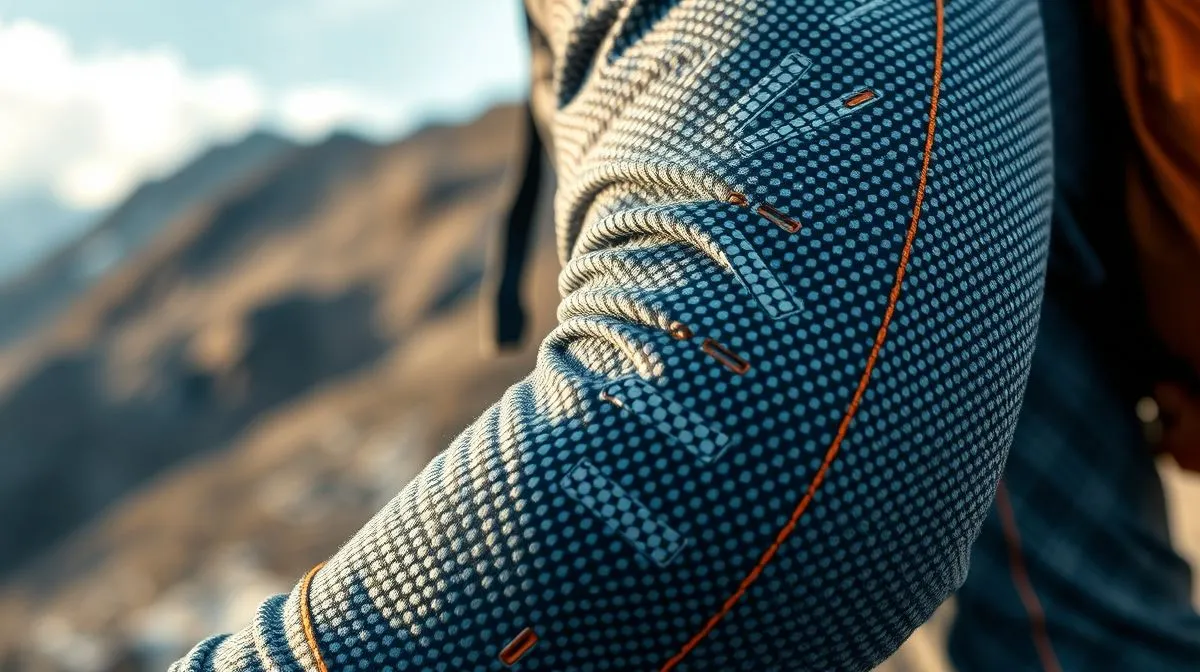
How to innovate specialized sportswear for extreme athlete demands?
For over two decades, I've had the distinct privilege of working at the intersection of material science, design, and elite athletic performance in the activewear industry. I've witnessed firsthand the incredible leaps in technology, but also the persistent challenges that arise when pushing the boundaries of human endurance. One fundamental truth has always resonated: the apparel must never be the limiting factor for an extreme athlete.
The problem, as I've seen countless times, isn't a lack of effort, but often a disconnect between cutting-edge research and practical application. Brands struggle to translate laboratory breakthroughs into garments that can truly withstand the brutal realities of ultra-marathons, high-altitude mountaineering, or multi-day adventure races. Athletes suffer from chafing, inadequate thermoregulation, and gear failure – issues that can compromise not just performance, but safety.
In this definitive guide, I will share the actionable frameworks, material science insights, and athlete collaboration strategies necessary to truly innovate specialized sportswear for extreme athlete demands. We'll explore how to build E-A-T (Experience, Expertise, Authoritativeness, Trustworthiness) into your product development cycle, ensuring your gear empowers athletes to redefine what's possible, rather than hold them back.
Understanding the Extreme Athlete's Unmet Needs
Before we can innovate, we must deeply understand the unique crucible in which extreme athletes operate. Their demands go far beyond the typical weekend warrior's need for comfort and style. We're talking about survival, peak performance under duress, and pushing physiological limits.
Beyond Comfort: The True Demands of Elite Performance
Extreme athletes require apparel that acts as an extension of their body, not a hindrance. This means:
- Dynamic Thermoregulation: Not just insulation or breathability, but the ability to rapidly adapt to extreme temperature swings, from freezing ascents to scorching deserts.
- Unparalleled Moisture Management: Rapid wicking, quick-drying properties, and resistance to saturation are critical to prevent hypothermia or overheating.
- Extreme Durability & Abrasion Resistance: Gear must withstand repeated abuse from rocks, ice, pack straps, and harsh weather without tearing or degrading.
- Lightweight & Packable: Every gram counts, especially on long expeditions. Apparel must offer maximum protection with minimal bulk.
- Freedom of Movement & Ergonomics: Unrestricted range of motion is paramount for complex movements like climbing, scrambling, or technical running.
- Protection: From UV radiation, wind, rain, snow, and even minor impacts.
- Strategic Compression & Support: To aid muscle recovery, reduce fatigue, and prevent injury.
The Gap: Where Current Sportswear Falls Short
Many existing solutions fall short because they are designed for general athletic use, not the specific, often contradictory, needs of extreme sports. Common shortcomings include:
- Lack of true multi-functional materials that can perform across diverse conditions.
- Poorly placed seams or inadequate fit leading to chafing over long durations.
- Materials that lose performance properties (e.g., insulation, DWR coating) after repeated use or washing.
- Over-reliance on single-purpose garments, leading to excessive layering or compromised performance.
- Limited integration of smart technologies that offer real-time, actionable data.
The Foundation: Advanced Material Science and Smart Textiles
The core of any groundbreaking sportswear lies in its materials. This is where fundamental research meets practical application, and where true innovation happens. I've always advocated for a 'materials-first' approach when tackling extreme demands.
Revolutionary Fibers and Composites
We're moving beyond traditional synthetics and natural fibers. Consider the potential of:
- Graphene-infused fabrics: Offering incredible strength-to-weight ratios, enhanced thermal conductivity, and even antimicrobial properties.
- Phase-Change Materials (PCMs): Integrated into textiles, these materials absorb, store, and release heat to regulate skin temperature, actively responding to the wearer's physiological state.
- Bio-mimicry: Learning from nature, like developing fabrics with structures inspired by polar bear fur for insulation or lotus leaves for water repellency.
- Advanced Polymer Blends: Custom-engineered polymers that combine properties like stretch, abrasion resistance, and moisture management in novel ways.
- Aramid fibers (e.g., Kevlar, Nomex): Not just for bulletproof vests, but strategically placed in high-wear zones for extreme tear and abrasion resistance without adding significant weight.
The Rise of Smart Textiles and Integrated Sensors
The future of extreme activewear isn't just about what the fabric is made of, but what it can *do*. Smart textiles embed electronic components, sensors, and even micro-actuators directly into the garment.
In my experience, the true power of smart textiles isn't just data collection, but actionable feedback delivered in real-time to the athlete or their support team, enabling proactive adjustments to performance or safety protocols.
Imagine garments that:
- Monitor vital signs (heart rate, respiration, core temperature) and hydration levels, transmitting data to a watch or phone.
- Detect muscle fatigue or impending injury through electromyography (EMG) sensors.
- Offer haptic feedback to guide posture or movement during complex tasks.
- Actively warm or cool specific body zones based on environmental conditions and physiological needs.
According to a report by Grand View Research, the global smart textile market is projected to reach over $9 billion by 2030, driven significantly by the sports and fitness sector. This indicates a massive opportunity for those willing to invest in serious R&D. For a deeper dive into the potential, I highly recommend exploring academic research on flexible electronics and textile integration, such as work published in journals like 'Sensors'. Visit MDPI Sensors Journal.
Design Thinking: From Lab to Peak Performance
Groundbreaking materials are just one piece of the puzzle. Without intelligent design, even the most advanced fabric remains a mere swatch. The design process for extreme sportswear must be rigorous, iterative, and above all, athlete-centric.
Athlete-Centric Design Process: A Non-Negotiable
You cannot design for extreme athletes from an office desk. You must involve them at every single stage. Here’s an actionable framework I’ve seen work wonders:
- Deep Immersion & Ethnographic Research: Spend time with athletes in their environment. Observe their movements, listen to their frustrations, understand their routines, and identify their true pain points. This isn't just surveys; it's living their experience.
- Concept Generation & Ideation: Brainstorm solutions without limitations, bringing together material scientists, designers, engineers, and athletes.
- Rapid Prototyping & Iteration: Create multiple versions quickly. Use 3D printing for components, laser cutting for fabric patterns. The goal is to fail fast and learn faster.
- Rigorous Field Testing: This is non-negotiable. Get prototypes into the hands of real extreme athletes for extended periods in their actual performance environments. Collect both qualitative (feedback interviews) and quantitative (sensor data, wear analysis) data.
- Feedback Loop & Refinement: Analyze test data, make necessary adjustments, and repeat the prototyping and testing phases until the product consistently meets or exceeds extreme demands.
Ergonomics and Biomechanics in Apparel
Every seam, every panel, every cut must be optimized for human movement and interaction with external gear. This involves a deep understanding of biomechanics.
- Seamless Construction: Minimizing seams, especially in high-friction areas, is crucial to prevent chafing over multi-day events. Flatlock stitching, bonding, and even seamless knitting technologies are key.
- Targeted Stretch & Support: Placing stretch panels where they're needed most (e.g., knees, elbows, shoulders) while maintaining stability elsewhere. Compression zones should be anatomically mapped to support specific muscle groups.
- Articulation: Pre-shaped elbows, knees, and shoulders allow for natural movement without fabric bunching or pulling, crucial for activities like climbing or paddling.
- Integration with Equipment: Apparel must work seamlessly with backpacks, harnesses, helmets, and hydration systems without bunching, restricting movement, or causing pressure points.
Case Study: Apex Gear's Summit Shell Revolution
Apex Gear, a mid-sized outdoor apparel brand, was struggling to make inroads in the high-altitude mountaineering market. Their existing shells were durable but bulky, and lacked the dynamic thermoregulation needed for rapid ascents and descents. By implementing a strict athlete-centric design process, they partnered with a team of elite Everest climbers.
Through immersive field testing in the Himalayas, the climbers identified critical zones where ventilation was poor and where movement was restricted by traditional seam placements. Apex Gear responded by:
- Developing a new proprietary membrane that offered a wider range of breathability at varying exertion levels.
- Utilizing body mapping to strategically place laser-cut ventilation ports that could be opened or closed via integrated, low-profile zippers.
- Redesigning the sleeve and shoulder articulation using a single-piece construction, significantly enhancing overhead reach and reducing fabric bulk under harnesses.
This iterative process, driven by direct climber feedback, led to the 'Summit Shell,' a product that not only reduced weight by 15% but also improved thermoregulation by 25% compared to previous models. It became a benchmark for lightweight, high-performance mountaineering apparel, demonstrating the power of genuine collaboration.
The Role of Data and Wearable Technology
In today's activewear landscape, data isn't just for marketing; it's a vital component of the innovation pipeline. Leveraging data from wearable technology, lab tests, and field trials allows us to move beyond anecdotal evidence to truly quantify performance.
Quantifying Performance: Beyond the Stopwatch
The integration of micro-sensors and biometric data collection into apparel and adjacent wearables provides unprecedented insights:
- Physiological Monitoring: Real-time tracking of heart rate variability, skin temperature, sweat rate, and even muscle oxygenation can inform material choices and ventilation strategies.
- Biomechanics Analysis: Sensors embedded in apparel can analyze gait, joint angles, and movement efficiency, helping designers optimize fit and fabric stretch for different activities.
- Environmental Data: Integrating sensors that measure external temperature, humidity, UV index, and wind chill provides context for how the apparel is performing in real-world conditions.
- Material Stress & Fatigue: Miniaturized strain gauges can monitor how fabrics and seams perform under extreme stress, predicting potential failure points and informing durability improvements.
This data moves product development from guesswork to precision engineering. As a study by Deloitte highlighted, the sports technology market is rapidly expanding, with wearables at its forefront, emphasizing the increasing importance of data-driven design in performance apparel. Explore Deloitte's Sports Tech Predictions.
Predictive Modeling and AI
The sheer volume of data collected can be overwhelming. This is where artificial intelligence (AI) and machine learning (ML) come in. AI can analyze complex datasets to:
- Predict optimal material combinations for specific environmental profiles.
- Identify correlations between garment design, athlete physiology, and performance outcomes.
- Simulate material performance under various stress conditions, reducing the need for extensive physical prototyping.
- Personalize fit and design based on individual athlete body scans and performance data.
Durability, Sustainability, and Ethical Production
Innovation in extreme sportswear isn't just about performance; it's also about responsibility. Durability ensures longevity, reducing waste, while sustainability and ethical practices are now non-negotiable for conscious brands and consumers alike.
Engineering for Extreme Durability
For extreme athletes, gear failure isn't just an inconvenience; it can be life-threatening. Durability must be engineered into every fiber and stitch:
- High Tenacity Yarns: Utilizing fibers with exceptional tensile strength and resistance to tearing.
- Reinforced Abrasion Zones: Strategically placing tougher, more abrasion-resistant fabrics (e.g., Cordura, Dyneema) in high-wear areas like shoulders, elbows, and knees.
- Advanced Weave Structures: Developing ripstop patterns and dense weaves that prevent small tears from propagating.
- Robust Componentry: Using heavy-duty zippers, buckles, and cord locks that can withstand extreme temperatures and repeated manipulation with gloved hands.
- Durable Water Repellent (DWR) Coatings: Investing in DWR treatments that maintain their efficacy over extended use and multiple washes, ideally moving towards PFC-free alternatives.
The Imperative of Sustainable Innovation
As an industry veteran, I've seen the environmental impact of fast fashion and unsustainable practices. Innovating for extreme athletes also means innovating for the planet. This isn't just a trend; it's a moral and business imperative.
Focus on:
- Recycled & Bio-based Materials: Utilizing recycled polyester from plastic bottles, regenerated nylon from fishing nets, and exploring bio-based polymers derived from plants.
- Circular Design Principles: Designing products for longevity, repairability, and eventual recyclability. Think about end-of-life at the beginning of the design process.
- Reduced Resource Consumption: Minimizing water, energy, and chemical use in manufacturing processes.
- Local Sourcing & Production: Reducing transportation emissions where feasible.
- Bluesign® and OEKO-TEX® Certifications: Ensuring materials and processes meet strict environmental and safety standards.
The Ellen MacArthur Foundation has extensively documented the benefits and pathways to a circular economy in textiles, providing an excellent framework for brands committed to sustainability. Learn about Circular Economy for Textiles.
Ethical Production & Transparency
Beyond materials, the human element of your supply chain matters. Ensuring fair labor practices, safe working conditions, and transparency builds trust with consumers and reflects responsible corporate citizenship. Consumers, especially those buying high-performance gear, are increasingly scrutinizing a brand's entire ethical footprint.
Building a Culture of Continuous Innovation
Innovation isn't a one-off project; it's an ongoing journey. For brands serious about leading in specialized sportswear, fostering a culture of continuous improvement, curiosity, and collaboration is paramount.
Cross-Disciplinary Collaboration
Break down silos. The most impactful innovations emerge when diverse minds converge:
- Material Scientists: To push the boundaries of fabric technology.
- Industrial Designers: To translate concepts into functional, aesthetically pleasing forms.
- Biometric Engineers & Physiologists: To understand human performance and interaction with gear.
- Extreme Athletes: As co-creators, not just testers. Their lived experience is invaluable.
- Data Scientists: To extract actionable insights from performance data.
- Manufacturing Engineers: To ensure designs are scalable and cost-effective for production.
Embracing Failure as a Stepping Stone
Not every experiment will succeed. In fact, many won't. The key is to view failures as learning opportunities. Rapid prototyping and testing cycles allow you to quickly identify what doesn't work, discard it, and iterate towards a better solution. This mindset of 'fail fast, learn faster' accelerates the innovation process.
Overcoming Common Pitfalls in Sportswear R&D
Even with the best intentions, brands can stumble. I've observed several recurring pitfalls that hinder innovation in specialized sportswear:
- Ignoring the 'Edge Cases': Focusing only on average user needs rather than the extreme demands that truly differentiate performance gear.
- Over-Reliance on Lab Data: Lab tests are crucial, but they can never fully replicate the dynamic, unpredictable stresses of real-world extreme environments. Field testing is irreplaceable.
- Cost Over Performance: Compromising on material quality or complex construction techniques to hit a lower price point. For extreme athletes, performance and reliability are paramount, and they'll pay for it.
- Slow Adaptation to New Technologies: Waiting for new materials or smart textile components to become mainstream before adoption. Leading brands are early adopters, willing to invest in new, unproven (but promising) tech.
- Lack of a Long-Term Vision: Innovation requires sustained investment in R&D, not just short-term product cycles. A clear, multi-year roadmap for material and design advancements is essential.
To truly innovate, you must be willing to take calculated risks, invest significantly in R&D, and prioritize the athlete's ultimate performance and safety above all else. Compromise is the enemy of excellence in this domain.
The Future Landscape: AI, Customization, and Beyond
Looking ahead, the activewear industry is on the cusp of truly transformative changes, driven by advancements in AI, manufacturing, and material science.
Personalization and On-Demand Manufacturing
Imagine a future where extreme athletes can have their gear perfectly tailored to their unique body shape, biomechanics, and specific activity demands. 3D body scanning combined with AI-driven design software will enable hyper-personalized fit. Advances in additive manufacturing (3D printing) for textiles and components will facilitate on-demand production, reducing waste and allowing for rapid customization.
Adaptive and Responsive Apparel
The next frontier is apparel that doesn't just manage conditions, but actively responds and adapts. Think about:
- Self-repairing fabrics: Materials that can mend small tears or punctures in the field.
- Variable insulation: Garments that can actively increase or decrease their thermal properties based on real-time environmental and physiological data, perhaps through micro-actuators or smart material changes.
- Integrated power generation: Apparel that harnesses kinetic energy or solar power to charge small devices or power integrated sensors.
These aren't science fiction concepts; they are areas of active research and development that will redefine what specialized sportswear can achieve for extreme athlete demands.
Frequently Asked Questions (FAQ)
Question? What is the single biggest challenge in innovating specialized sportswear for extreme athletes?
The greatest challenge lies in balancing contradictory demands: extreme durability must coexist with lightweight packability; dynamic thermoregulation requires both insulation and breathability; and cutting-edge technology must be robust enough to withstand brutal, unpredictable environments. It's not about optimizing for one factor, but skillfully managing complex trade-offs across multiple critical performance indicators.
Question? How do you effectively balance performance requirements with sustainability goals in extreme sportswear?
Balancing performance and sustainability requires intentional design from the outset. It means prioritizing recycled content that doesn't compromise on strength, investing in PFC-free DWRs that last, and designing for longevity and repairability to extend product life. It also involves exploring innovative bio-based or biodegradable materials, even if they're not yet at scale, and pushing for transparent, ethical supply chains. It's a continuous journey of improvement, not a destination.
Question? Is smart textile integration a gimmick, or truly revolutionary for extreme athletes?
Initially, some smart textile applications felt gimmicky, but for extreme athletes, they are becoming revolutionary. The key is to move beyond mere data collection to actionable insights. When integrated sensors provide real-time physiological warnings, aid navigation, or dynamically adapt to conditions, they become vital tools for safety and performance optimization. The challenge is ensuring robust, reliable, and unobtrusive integration that adds genuine value without becoming another failure point.
Question? How important is athlete feedback in the design cycle for extreme sportswear, and how should it be managed?
Athlete feedback is absolutely paramount – it's the lifeblood of specialized sportswear innovation. It should be managed not just as a final testing phase, but as a continuous, collaborative dialogue throughout the entire design process. Establish long-term relationships with a diverse group of athletes, provide them with early prototypes, and create structured feedback mechanisms (e.g., detailed questionnaires, debrief interviews, performance logs). Crucially, demonstrate that their input directly influences design changes, fostering trust and deeper engagement.
Question? What emerging material technologies should brands watch closely for future extreme sportswear innovation?
Beyond graphene and phase-change materials, keep a close eye on self-healing polymers for durability, advanced aerogels for ultra-lightweight insulation, and highly elastic shape-memory alloys for adaptive fit and support. Also, explore bio-engineered fibers that can mimic natural properties (like spider silk's strength or superhydrophobicity) and advanced composite materials that blend multiple properties for unprecedented performance.
Recommended Reading
- Unveiling the Science: What Technologies Make Athletic Wear Breathable?
- 7 Ways Unique Fashion Photos Drive Sales: A Pro's Guide to Impact
- Unlock the Secret: How to Make Minimalist Accessories Look Exciting
- 7 Proven Strategies to Differentiate Your Bridal Brand in a Saturated Market
- 5 Steps to Source Eco-Friendly Textiles for Performance Running Gear
Key Takeaways and Final Thoughts
Innovating specialized sportswear for extreme athlete demands is not merely about creating new products; it's about engineering solutions that empower human potential against the harshest elements. It requires a blend of scientific rigor, creative design, and an unwavering commitment to the athlete's experience.
- Prioritize Deep Athlete Immersion: Understand their world intimately. Their needs are your innovation roadmap.
- Embrace Advanced Material Science: The future of performance lies in revolutionary fibers, smart textiles, and biomimicry.
- Implement an Iterative Design Process: Fail fast, learn faster. Rapid prototyping and rigorous field testing are non-negotiable.
- Leverage Data & AI: Move beyond guesswork to precision engineering using insights from wearables and predictive analytics.
- Commit to Durability & Sustainability: High performance must not come at the cost of the planet or ethical practices.
- Foster Cross-Disciplinary Collaboration: The best solutions emerge from diverse perspectives working in harmony.
The journey to innovate specialized sportswear for extreme athlete demands is challenging, but immensely rewarding. By consistently pushing boundaries in material science, design thinking, and athlete collaboration, you won't just create better gear; you'll help redefine what's possible in the realm of human endurance and achievement. The future of activewear is adaptive, intelligent, and deeply connected to the athletes it serves. Are you ready to lead the charge?





Your email address will not be published. Required fields are marked *