

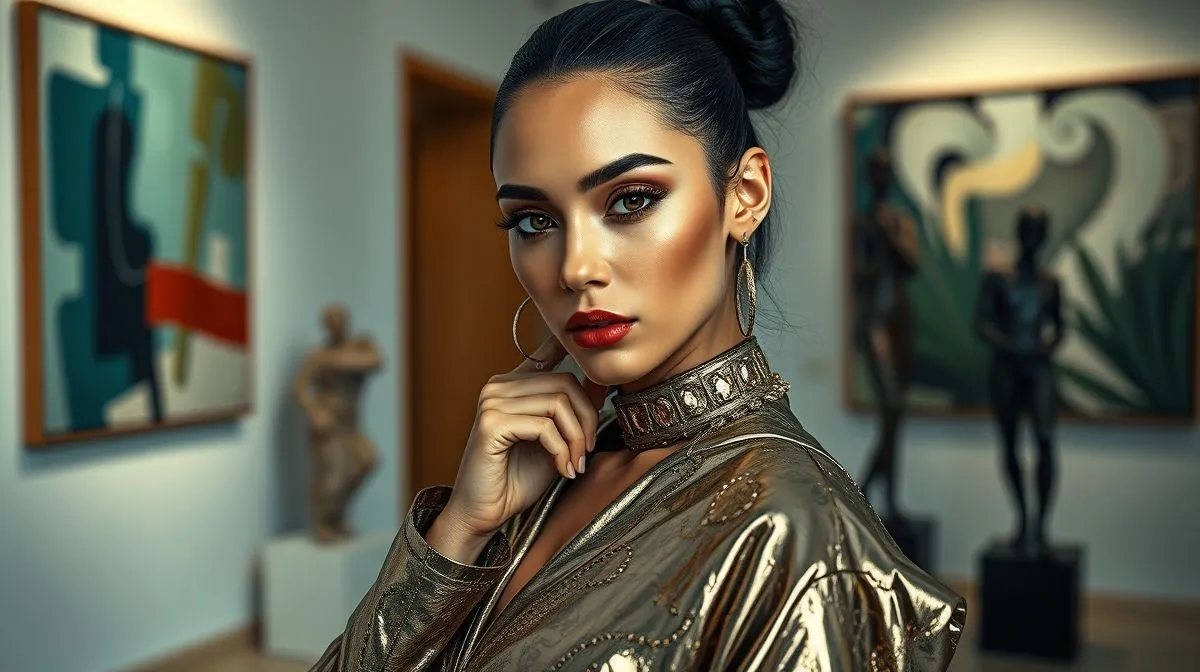
How to Get Unique Fashion Portrait Photos That Sell Clothes?
For over 15 years in the fashion photography trenches, I've witnessed countless brands invest heavily in campaigns, only to see their beautiful garments languish, failing to connect with their audience. It's often not the clothing itself that's the problem, but the uninspired, generic imagery used to showcase it.
The pain point is palpable: in a crowded digital marketplace, standard, catalog-style photos simply don't cut through the noise. They fail to evoke emotion, tell a story, or create that irresistible desire that translates into a sale. Your potential customers scroll past, unmoved, because your visuals blend into the background.
This isn't just about pretty pictures; it's about strategic visual communication. In this comprehensive guide, I'll share my proven frameworks and expert insights on how to get unique fashion portrait photos that sell clothes – not just by making them look good, but by making them feel essential, aspirational, and deeply connected to your audience's desires. Prepare to transform your approach to fashion imagery.
Beyond the Mannequin: Unearthing Your Brand's Visual DNA
Before you even think about camera settings or models, you must understand the soul of the brand you're shooting for. Generic photos come from generic understanding. Unique photos, the kind that truly sell, emerge from a deep dive into what makes a brand tick.
Defining Your Brand Persona
Is the brand edgy and rebellious, or classic and elegant? Is it playful and youthful, or sophisticated and mature? These aren't just marketing buzzwords; they are the emotional blueprints that should guide every visual decision. I always start by asking my clients to define their brand in three adjectives and then articulate who their ideal customer is, not just demographically, but psychologically.
The Power of Storytelling Through Style
Every garment carries a potential story. Your job, as the photographer, is to unearth and amplify it. Is it a dress for a grand occasion, or a comfortable sweater for a quiet morning? The setting, the model's expression, the styling – all contribute to this narrative. When you tell a compelling story, you invite the viewer to imagine themselves within that narrative, making the clothing feel relatable and desirable.
Actionable Steps: Discovering Your Visual DNA
- Conduct a Brand Deep Dive: Interview the brand owner or marketing team. Ask about their mission, values, ideal customer's lifestyle, and what emotions they want their clothing to evoke.
- Analyze Competitors (and Deviate): Look at what successful competitors are doing, but more importantly, identify their visual clichés. Your goal is to stand out, not blend in.
- Create a Mood Board with Keywords: Don't just collect pretty pictures. Annotate your mood board with keywords describing the desired mood, color palette, textures, and key emotions.
- Define Your 'Why': For each collection or garment, articulate *why* someone would want to wear it beyond just aesthetics. Is it comfort, confidence, status, belonging? This 'why' is your selling proposition, and your photos must convey it.
Mastering the Model-Photographer Synergy for Authenticity
The model is more than just a hanger; they are the conduit for emotion and connection. The interaction between photographer and model is paramount to creating images that resonate. This is where the magic happens, transforming a static image into a living narrative.
Casting for Connection, Not Just Looks
In my experience, casting is half the battle when you're trying to figure out how to get unique fashion portrait photos that sell clothes. Don't just pick someone who looks good in the clothes. Choose models who embody the brand's persona, who can convey the desired emotion, and who possess a unique character. Sometimes, non-professional models or real people can offer an authenticity that professional models, trained in generic posing, might lack.
Directing for Emotion, Not Just Poses
Forget rigid posing guides. Your aim is to elicit genuine emotion and movement. I often tell models to 'feel' the garment, to 'live' in the moment. Instead of saying 'Put your hand on your hip,' I might say, 'Imagine you're confidentially striding into a big meeting,' or 'You're having a quiet, contemplative moment with your morning coffee.' This encourages natural, expressive movements and facial expressions that are far more compelling than forced poses.
The most impactful fashion photos don't just show the clothes; they show how the clothes make you feel. It's about selling an experience, not just fabric.
Actionable Steps: Cultivating Authentic Imagery
- Pre-Shoot Connection: Share the brand's story and mood board with the model beforehand. Encourage them to offer their own interpretations.
- Create a Comfortable Set: A relaxed, trusting environment allows models to truly open up and be themselves. Play music, keep conversations light, and offer positive reinforcement.
- Use Action-Oriented Directives: Instead of static poses, give scenarios or actions. 'Walk towards the light,' 'Twirl around,' 'Look over your shoulder as if you just heard something surprising.'
- Shoot in Bursts: Don't just take one shot. Shoot continuously as the model moves and interacts, capturing those fleeting, authentic moments that are often the most powerful.
Location, Lighting, and Props: Crafting the Unforgettable Scene
The environment you choose and how you light it are critical components of a unique fashion portrait. They act as silent storytellers, adding layers of meaning and context to your garments.
The Unconventional Backdrop
Step away from the sterile white studio, unless that's intentionally part of your brand's aesthetic. Consider unexpected locations: a bustling city street, a quiet library, an abandoned warehouse, a vibrant market, or even a mundane laundromat. These unconventional backdrops can inject personality and narrative, making your photos instantly more memorable. The key is to ensure the location enhances, not distracts from, the clothing.
Sculpting with Light: Beyond the Studio Flash
Natural light, when understood and harnessed, is incredibly powerful for creating unique moods. Whether it's the soft, diffused light of an overcast day, the dramatic shadows of golden hour, or the sharp contrasts of midday sun, each type of light evokes a different emotion. Learn to read light and use it to sculpt the garment, highlight textures, and draw the eye to key details. Even in a studio, experiment with hard light, softboxes, grids, and reflectors to create dynamic effects that stand apart.
Strategic Prop Integration: More Than Just Set Dressing
Props should never feel random. They should either enhance the story, reflect the brand's personality, or provide a practical element that showcases the clothing's functionality. A vintage camera might suggest a creative, adventurous spirit for a travel-wear brand, while a steaming cup of coffee and a book could evoke comfort for loungewear. Think of props as extensions of your narrative, subtle cues that enrich the viewer's experience.
The Art of the Imperfect: Embracing Authenticity and Movement
In an age of hyper-curated perfection, there's a growing appreciation for authenticity. This trend, when applied to fashion photography, can be incredibly effective in helping you understand how to get unique fashion portrait photos that sell clothes.
Capturing Candid Moments
Some of the most compelling fashion portraits are the ones that feel unposed, spontaneous, and real. This might mean capturing a model laughing genuinely, a strand of hair falling across their face, or a moment of quiet reflection. These 'imperfect' moments inject humanity and relatability into your images, making the clothing feel more accessible and less intimidating. According to a study published in the Harvard Business Review, consumers increasingly value authenticity from brands, and this extends to their visual communication.
Movement and Flow: Bringing Garments to Life
Clothing isn't static; it moves with the body. Capture that movement! A skirt billowing in the wind, a jacket slung casually over a shoulder, the drape of fabric as a model walks or dances. This not only makes the photo more dynamic but also showcases how the garment behaves in real life, giving the customer a better sense of its fit, feel, and flow. This is particularly crucial for online sales, where customers can't physically touch the product.
Post-Production That Elevates, Not Distorts
Post-production is your final brushstroke, the stage where you refine your vision. It's not about making things look fake, but about enhancing the story and perfecting the message. This step is crucial for how to get unique fashion portrait photos that sell clothes.
The Subtle Art of Retouching
Resist the urge to over-retouch. While basic skin smoothing and blemish removal are acceptable, excessive airbrushing or body manipulation can make the image feel artificial and even alienating. The goal is to make the model look their best, not to create an unattainable ideal. Focus on enhancing the natural beauty and the clothing's details.
Color Grading for Emotional Impact
Color grading is a powerful tool for setting the mood and reinforcing your brand's aesthetic. Are you going for a warm, inviting feel, or a cool, minimalist vibe? The color palette should be consistent with the brand's identity and the story you're telling. Experiment with different tones, contrasts, and saturation levels to evoke the desired emotion and make the clothing pop in a way that feels intentional and unique.
Actionable Steps: Post-Production Philosophy
- Establish a Consistent Look: Develop a cohesive editing style (color grading, contrast, sharpness) that aligns with the brand's visual DNA across all images.
- Focus on Fabric and Fit: Ensure the clothing's texture, details, and how it drapes are clearly visible and appealing after editing.
- Subtle Retouching: Prioritize natural beauty. Address distracting elements like lint or creases on clothing, and minor skin imperfections, but avoid excessive manipulation.
- Optimize for Web: Export images in appropriate sizes and resolutions for web use, ensuring fast loading times without compromising visual quality.
The Psychology of Selling: How Visuals Trigger Desire
Ultimately, your unique fashion portraits must do one thing: sell clothes. This requires an understanding of consumer psychology – what drives people to click 'add to cart'?
Aspirational Imagery vs. Relatable Authenticity
There's a fine line between aspiration and alienation. While aspirational imagery can inspire desire, if it's too far removed from the customer's reality, it can feel unattainable. The most effective photos often strike a balance, showing an aspirational lifestyle that still feels within reach. Seth Godin, a renowned marketing expert, often emphasizes the importance of 'permission marketing' – earning the right to tell your story, and visuals are key to this permission. Your photos should invite, not impose.
The 'Feel' Factor: Evoking Emotion Through Fabric and Fit
Since online shoppers can't touch the fabric or try on the clothes, your photos must convey the tactile experience. Use close-ups to show texture, capture movement to illustrate drape, and choose poses that highlight the fit. When a customer can almost 'feel' the softness of a sweater or imagine the perfect fit of a pair of jeans just by looking at the photo, you've created a powerful connection.
Case Study: How ‘Bloom Boutique’ Boosted Sales with Emotional Photography
Bloom Boutique, a small online retailer specializing in sustainable loungewear, was struggling with stagnant sales despite offering high-quality products. Their initial photography featured standard flat lays and stiff, posed studio shots. By implementing the emotional and authentic photography principles I've outlined – using real customers as models, shooting in cozy, natural home environments, and focusing on candid moments of relaxation and comfort – they transformed their visual narrative. This shift resulted in a 40% increase in conversion rates for their loungewear line within six months, as customers connected more deeply with the relatable lifestyle presented in the images. Their unique fashion portrait photos genuinely began to sell clothes by evoking a feeling of calm and well-being.
According to a study by Deloitte on consumer psychology, emotional connections with brands are key drivers of loyalty and purchasing behavior. Your visuals are the primary tool for forging this connection in the digital space.
Distribution and Optimization: Getting Your Unique Photos Seen and Sold
Even the most unique fashion portraits won't sell clothes if they're not seen by the right audience and optimized for conversion. Your stunning visuals need a strategic home.
Platform-Specific Visual Strategies
Understand that different platforms demand different visual approaches. Instagram thrives on aspirational, lifestyle imagery; Pinterest is a visual search engine for inspiration; your e-commerce product pages need clear, detailed shots alongside lifestyle images. Tailor your unique fashion photos for each platform's best practices to maximize engagement and conversion potential.
A/B Testing Your Visuals
Don't just guess what works. A/B test different photo styles, angles, models, and compositions to see which images resonate most with your audience and drive the most sales. Tools like Google Optimize or platform-specific A/B testing features can provide invaluable data. This iterative process is crucial for continuous improvement and ensuring your unique fashion portrait photos continue to sell clothes effectively.
As Forbes highlights, visual content has a significantly higher ROI than text-based content in many marketing scenarios. Leverage this power by continuously refining your visual strategy based on performance data.
Frequently Asked Questions (FAQ)
How do I find unique locations without a huge budget? Think creatively and locally! Start with public spaces like parks, libraries, or interesting architectural buildings. Ask local businesses if you can shoot after hours. Scout your own neighborhood for hidden gems – an interesting wall, a unique staircase, or even a quiet cafe. Often, it's about seeing the ordinary in an extraordinary way and using clever framing and lighting.
What's the biggest mistake photographers make when trying to sell clothes? The biggest mistake is focusing solely on 'pretty' and neglecting 'purpose.' Many photographers create visually appealing images that don't actually highlight the garment's features, evoke emotion, or tell a compelling story relevant to the target customer. They fail to understand that a fashion portrait for commerce isn't just art; it's a sales tool. The clothes should be the hero, not just a prop.
Can AI tools help create unique fashion photos, or will they make them generic? AI tools, particularly generative AI, are rapidly evolving. While they can create highly stylized or even surreal fashion imagery, the challenge for 'selling clothes' is maintaining authenticity and a genuine connection. AI can be a powerful tool for brainstorming concepts, generating unique backdrops, or even creating digital samples, but for truly unique fashion portrait photos that sell, the human element of emotion, nuanced direction, and real-world interaction remains unparalleled. Use AI as a creative assistant, not a replacement for genuine photography.
How do I measure if my photos are actually selling clothes? The most direct way is through A/B testing on product pages or ad campaigns, measuring conversion rates, click-through rates, and average order value. Track which images lead to more 'add to cart' events or purchases. Pay attention to engagement metrics on social media (likes, shares, comments) as these indicate resonance, which often correlates with sales. Also, analyze customer feedback – are they commenting on the visuals?
Is it better to use professional models or everyday people for unique fashion photos? Both have their merits, and the choice depends on your brand's DNA and target audience. Professional models offer posing expertise and consistency, but 'everyday people' can bring unparalleled authenticity and relatability, especially if your brand aims for an inclusive or community-driven feel. Sometimes a mix works best: professional models for high-fashion, aspirational shots, and diverse, real people for relatable, lifestyle content.
Recommended Reading
- 5 Steps to Guarantee Quality in Outsourced Fashion Photo Retouching
- 7 Proven Strategies: Slash Returns of Poorly Fitting Workout Clothes
- Unlock the Secrets: How to Create Dramatic Fashion Photography Lighting Outdoors?
- Price Bespoke Jewelry: 5 Strategies for Profit & Design Commissions
- Unlocking the Past: How to Tell if Vintage Jewelry is Truly Valuable
Key Takeaways and Final Thoughts
- Understand Your Brand's DNA: Unique photos start with a deep understanding of the brand's story, values, and ideal customer.
- Prioritize Emotion & Authenticity: Capture genuine expressions and movement; authenticity sells more than sterile perfection.
- Strategic Environment & Light: Use unconventional locations and masterful lighting to enhance your narrative, not just as backdrops.
- Mindful Post-Production: Elevate your images with subtle retouching and impactful color grading, always keeping the garment and brand message in focus.
- Focus on the 'Feel' Factor: Your photos must convey the tactile experience and emotional benefit of wearing the clothes.
- Test, Test, Test: Continuously A/B test your visuals to understand what truly resonates and drives sales for your specific audience.
Mastering how to get unique fashion portrait photos that sell clothes is an ongoing journey, blending artistic vision with strategic marketing. By embracing authenticity, understanding your brand's unique voice, and continuously refining your visual approach, you won't just take pictures; you'll craft compelling stories that captivate, convert, and build lasting connections with your customers. The camera is just a tool; your unique perspective and understanding of human desire are the real magic.


Your email address will not be published. Required fields are marked *