

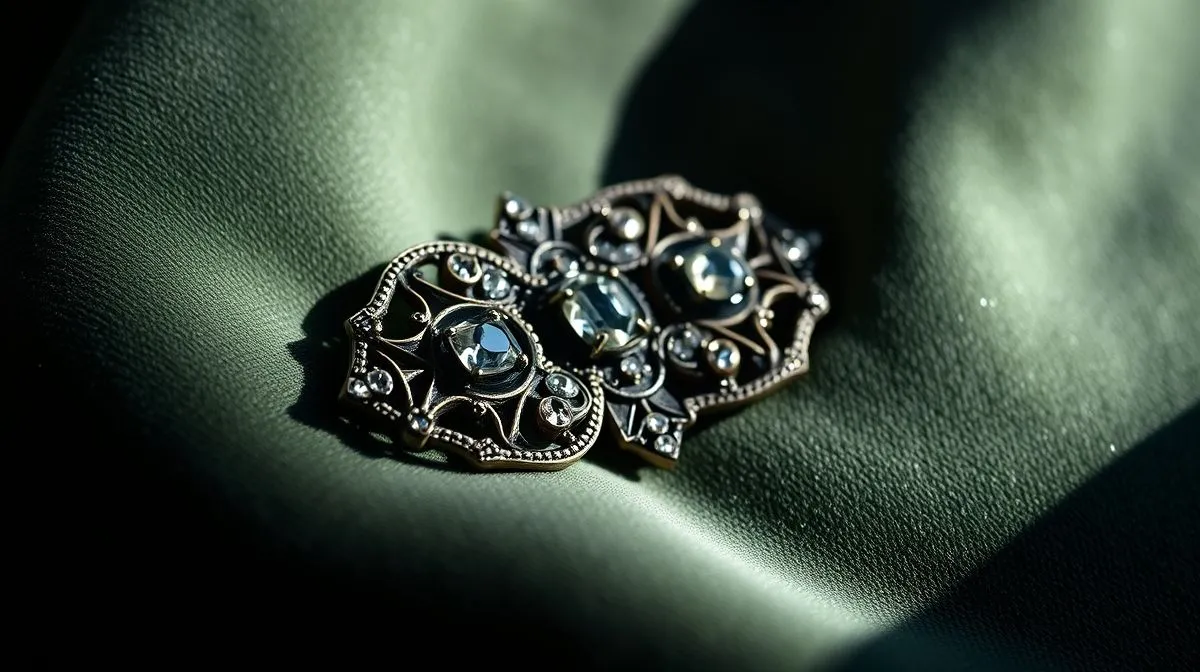
Unlocking the Past: How to Tell if Vintage Jewelry is Valuable
Have you ever stumbled upon a forgotten piece of jewelry in an old relative's dusty box, or perhaps found a unique gem at a flea market, and wondered if it holds more than just sentimental value? The world of vintage jewelry is a treasure trove, brimming with stories, artistry, and often, significant monetary worth.
The challenge, however, lies in distinguishing a true gem from a mere trinket. Without the right knowledge, a potentially priceless heirloom could be overlooked, or a beautiful but inexpensive piece mistaken for a fortune. It's a common dilemma for collectors and casual admirers alike: how do you navigate the intricate world of antique and vintage adornments?
This comprehensive guide will equip you with the essential knowledge and practical tips to confidently assess those intriguing pieces. You'll learn precisely how to tell if vintage jewelry is valuable, transforming your curious finds into potential treasures and deepening your appreciation for these historical works of art.
The Allure of Vintage: More Than Just Old Sparkle
Before diving into the specifics of valuation, it's crucial to understand what makes vintage jewelry so captivating and, often, so valuable. It's not just about age; it's about history, craftsmanship, and unique design that often transcends modern mass production.
Defining "Vintage" and "Antique"
While often used interchangeably, there's a distinction. Generally, antique jewelry refers to pieces that are 100 years or older. Vintage jewelry, on the other hand, typically describes items that are at least 20-25 years old but less than 100 years. Both categories can hold significant value, but the criteria for assessment often differ slightly.
Understanding these terms helps narrow down the historical context and potential design trends associated with a piece. An Art Deco ring from the 1920s is antique, while a bold 1970s pendant is vintage.
Why Value Matters: Beyond Sentimental Worth
While every piece of jewelry carries personal sentiment, understanding its market value offers several benefits. It informs decisions about insurance, sale, or even proper care and storage. For collectors, knowing the true worth ensures fair transactions and intelligent investments. For inheritors, it provides clarity on the legacy they've received.
Ultimately, valuing vintage jewelry is about respecting its legacy and ensuring its proper place in history, whether that's in a private collection or a museum display.
Decoding the Marks: Hallmarks, Maker's Marks, and Purity Stamps
One of the most reliable indicators of a piece's origin, material, and potential value lies in the tiny, often inconspicuous, marks stamped onto the metal. These stamps, known as hallmarks or maker's marks, are like historical fingerprints.
Understanding Metal Purity Stamps
The most common marks you'll encounter indicate the metal content and purity. For gold, you might see 10K, 14K, 18K, 22K, or 24K (karat), or numerical equivalents like .417, .585, .750, .916, or .999. Platinum is often marked PLAT or PT950. Sterling silver is typically stamped STERLING, STG, 925, or .925.
These marks confirm the precious metal content, which is a fundamental factor in determining value. Be wary of pieces without these marks, or those that simply say 'gold filled' or 'plate,' which indicate a very thin layer of precious metal over a base metal.
Identifying Maker's Marks and Designer Signatures
Beyond purity, many pieces bear a specific symbol, initials, or name identifying the artisan or company that created it. These are known as maker's marks or designer signatures. Famous names like Tiffany & Co., Cartier, Van Cleef & Arpels, or David Webb can dramatically increase a piece's value due to their historical significance, reputation for quality, and limited production.
Researching these marks can be a fascinating journey, often leading to a deeper understanding of the piece's provenance and artistic lineage. Online databases and reference books are invaluable tools for this step.
International Hallmarking Systems
Different countries have unique hallmarking systems, often including marks for the assay office, date letters, and duty marks. For instance, British hallmarks are among the most comprehensive and oldest, offering precise dating. French, German, and other European countries also have their distinct systems. Learning to recognize these can pinpoint the exact origin and age of a piece.
For a detailed overview of various hallmarking systems, consult reputable resources like Wikipedia's article on Hallmarks, which provides a good starting point for your research.
The Beauty of the Stone: Gemstone Identification and Quality
While the metal provides a baseline, the gemstones are often where the true magic—and significant value—lies. Identifying the type, quality, and origin of stones is paramount.
Common Gemstones in Vintage Jewelry
Vintage pieces frequently feature classic gemstones such as diamonds, rubies, sapphires, emeralds, and pearls. Other popular stones include amethyst, garnet, topaz, peridot, and turquoise. The size, cut, clarity, and color of these stones are critical factors in their valuation.
Look for signs of age-appropriate cuts. For example, Old Mine Cut and Old European Cut diamonds are characteristic of earlier periods, while brilliant cuts are more modern.
Recognizing Natural vs. Synthetic Stones
Synthetic stones, also known as lab-grown or created stones, have existed for over a century. While visually similar to their natural counterparts, their value is significantly lower. Distinguishing between them often requires specialized tools and expertise, though some tell-tale signs (like unusual clarity or lack of inclusions) might suggest a synthetic origin.
Simulants, like cubic zirconia or glass, are also common and can sometimes fool an untrained eye. A simple scratch test (on an inconspicuous area) or examining the stone under magnification can often reveal differences in hardness and facet wear.
The "Four Cs" in Vintage Diamonds
For diamonds, the universally recognized Four Cs (Carat, Cut, Color, Clarity) apply to vintage stones just as they do to modern ones. However, the standards and preferred cuts have evolved. An Old European Cut diamond, while not meeting modern ideal cut standards, can still be highly valuable due to its historical appeal and unique sparkle.
Understanding how these factors interplay in a historical context is key to accurately assessing a diamond's worth in a vintage setting.
Organic Gems: Pearls, Coral, Amber
Many vintage pieces feature organic gems, which require different assessment criteria. Natural pearls, especially those from specific historical periods, can be incredibly valuable. Examine their luster, shape, and surface quality. Coral and amber, too, have distinct characteristics that indicate authenticity and quality, from the warmth and lightness of genuine amber to the specific growth patterns of natural coral.
A Journey Through Time: Styles, Eras, and Historical Significance
The design and artistic style of a piece can often tell you its age and, consequently, its potential value. Each era boasted distinct aesthetics, materials, and craftsmanship techniques.
Georgian Era (1714-1837)
Characterized by ornate, often nature-inspired designs, Georgian jewelry frequently features hand-cut stones, foil-backed gems, and intricate metalwork like repoussé and cannetille. Pieces are often set in silver or gold, sometimes with a combination of both.
Victorian Era (1837-1901)
This long era saw several stylistic shifts. Early Victorian (Romantic) pieces often feature sentimental motifs like hearts, birds, and flowers, often with dark stones like garnets or onyx. Mid-Victorian (Grand) embraced heavier, bolder designs, often with colored gemstones and gold. Late Victorian (Aesthetic/Art Nouveau influence) saw lighter, more delicate pieces, sometimes incorporating diamonds and pearls.
Art Nouveau (1890-1910)
A short but highly influential period, Art Nouveau jewelry is known for its organic, flowing lines, naturalistic motifs (insects, plants, female forms), and innovative use of materials like enamel, opals, and horn. It emphasized artistry over intrinsic material value.
Edwardian Era (1901-1910)
Named after King Edward VII, this era favored light, delicate, and elegant designs, often in platinum or white gold. Filigree work, diamonds, and pearls were prominent, creating a lacy, ethereal look.
Art Deco (1920-1939)
A stark contrast to Art Nouveau, Art Deco jewelry is defined by its bold geometric shapes, clean lines, and vibrant color combinations. Platinum, diamonds, sapphires, rubies, and emeralds were popular, often set in striking, symmetrical patterns.
Retro Era (1940-1950)
Influenced by wartime austerity and Hollywood glamour, Retro jewelry often features large, sculptural pieces in rose or yellow gold. Bold curves, ribbons, and patriotic motifs were common, sometimes incorporating semi-precious stones.
For a deeper dive into the characteristics of each era, the Gemological Institute of America (GIA) offers excellent resources on identifying jewelry styles through the eras.
Craftsmanship and Construction: Signs of Quality and Authenticity
Beyond the materials and design, the way a piece is constructed speaks volumes about its quality, authenticity, and ultimately, its value. High-quality vintage jewelry often exhibits superior craftsmanship that is rare in modern mass production.
Hand-Fabricated vs. Mass-Produced
Many older pieces were entirely hand-fabricated, meaning each component was meticulously shaped, soldered, and finished by hand. Signs of hand-fabrication include subtle irregularities, tool marks (which are not flaws but indicators of creation), and a general sense of bespoke quality. Mass-produced items, even vintage ones, often show more uniformity and less intricate detail.
Types of Settings and Mountings
Examine how the gemstones are set. Are they securely held? Are the prongs evenly spaced and well-formed? Common vintage settings include bezel, prong, channel, and pave. The quality of the setting directly impacts the stone's security and the overall durability of the piece. Look for solid, well-executed settings rather than flimsy or poorly finished ones.
Patina and Wear: Telling Age from Damage
Authentic vintage jewelry will show signs of age and wear, known as patina. This natural darkening or dulling of metal, especially silver, is often desirable and adds to the piece's character and authenticity. However, distinguish between desirable patina and actual damage, such as deep scratches, dents, or broken components. A piece that looks brand new but claims to be very old might be a reproduction or a heavily restored item.
Repair and Alterations: Impact on Value
Many vintage pieces have undergone repairs or alterations over their lifespan. While some minor, professional repairs are acceptable, extensive or poorly executed repairs can significantly diminish a piece's value. Look for mismatched solders, visible glue, or components that don't seem original to the design. A piece that has been heavily altered from its original state often loses some of its historical integrity and, therefore, its market appeal.
Condition is King: Assessing Wear, Damage, and Restoration
No matter how rare or beautiful a piece is, its condition plays a monumental role in determining its value. A pristine example will always command a higher price than a damaged one, even if both are otherwise identical.
Minor Wear vs. Significant Damage
Minor wear, such as light surface scratches on metal or slight abrasion on facet edges of gemstones, is expected for a piece that has been worn for decades. This is part of its history. Significant damage, however, includes chips, cracks, missing stones, broken clasps, or heavily bent components. These issues require costly repairs and detract heavily from value.
Always inspect a piece thoroughly from all angles, ideally under magnification, to identify any hidden flaws or damage.
The Impact of Restoration and Repairs
As mentioned, professional, subtle repairs that restore a piece to its original glory without altering its essence can be acceptable. However, heavy restoration, such as replacing original stones with modern ones, or significant structural changes, can reduce its authenticity and value. It's often better to have a piece with honest wear than one with poor or excessive restoration.
Originality and Completeness
The more original components a piece retains, the more valuable it generally is. Are all the gemstones original to the setting? Is the clasp the one it was made with? Are there any missing elements? A complete and original piece, even with minor wear, is often more desirable to collectors than one that has been pieced together or heavily altered.
The Market Speaks: Rarity, Demand, and Provenance
Beyond the intrinsic qualities of the jewelry itself, external market factors significantly influence its value. Understanding these market dynamics is crucial when learning how to tell if vintage jewelry is valuable.
Rarity and Uniqueness
Scarcity often drives value. A piece that is one-of-a-kind, from a limited production run, or by a particularly rare or influential designer will command a premium. Conversely, mass-produced items, even if old, tend to have lower values unless they represent a significant cultural trend or a highly sought-after but common style.
Current Market Trends and Demand
Just like fashion, jewelry trends fluctuate. Certain styles or eras might be highly sought after at one time and less so at another. For example, Art Deco jewelry consistently holds high value due to its timeless appeal, while certain mid-century costume jewelry might see spikes in popularity. Keeping an eye on auction results from reputable houses like Sotheby's or Christie's can provide insights into current market demand.
The Power of Provenance (History of Ownership)
A piece's documented history of ownership, known as provenance, can dramatically increase its value. If a piece belonged to a notable figure, was part of a famous collection, or has a well-documented journey, its historical significance adds a layer of desirability that transcends its material worth.
When to Call a Pro: Appraisers and Gemologists
While this guide provides a strong foundation, there are times when professional expertise is indispensable. For high-value pieces, or when you need a certified valuation for insurance or sale, consulting a professional is a wise investment.
The Role of a Certified Appraiser
A certified jewelry appraiser has specialized training and access to market data and tools that allow them to accurately assess a piece's value. They can identify stones, metals, and hallmarks with precision, and provide a formal appraisal document.
What to Expect During an Appraisal
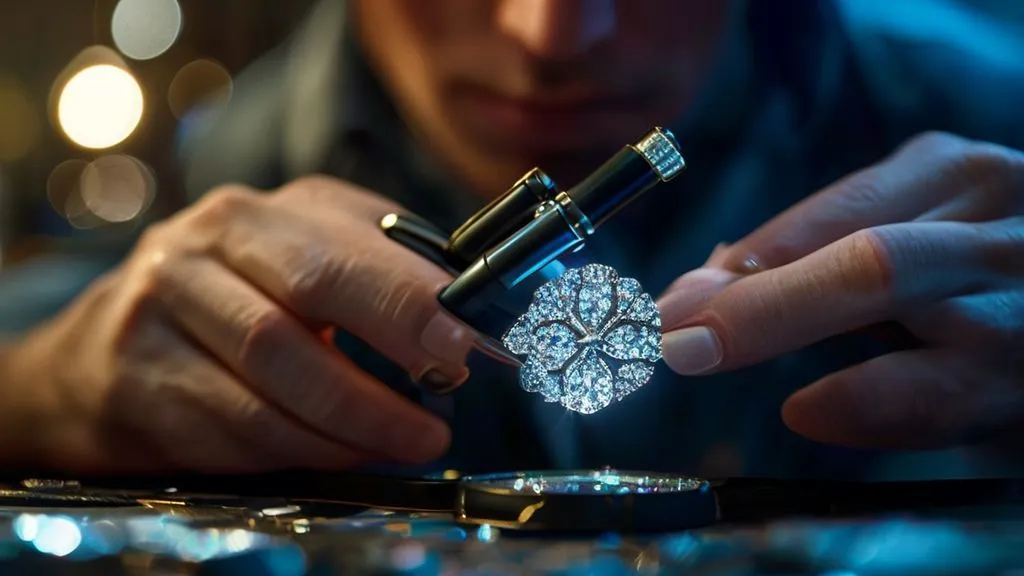
During an appraisal, the professional will thoroughly examine your piece, often using magnification and specialized equipment. They will document all aspects, including measurements, weight, stone characteristics, and any marks. They will then research comparable sales and market trends to arrive at a valuation.
Finding a Reputable Professional
Look for appraisers who are certified by recognized organizations, such as the Gemological Institute of America (GIA) or the American Society of Appraisers (ASA). Ask for references and ensure they specialize in vintage and antique jewelry. You can often find certified professionals through organizations like the GIA's alumni directory: GIA Alumni Collective.
Common Pitfalls to Avoid When Assessing Vintage Jewelry
Even with knowledge, some common mistakes can lead to misjudgments about a piece's value.
Confusing Costume with Fine Jewelry
Many beautiful vintage pieces are costume jewelry, made with base metals and imitation stones. While some designer costume jewelry can be collectible, it rarely holds the intrinsic material value of fine jewelry. Always look for purity marks and test stones if uncertain.
Overestimating Value Based on Sentiment
It's easy to assign a high monetary value to a piece that has deep personal meaning. While sentiment is priceless, it doesn't translate to market value. Try to approach the appraisal process objectively, separating emotional attachment from objective assessment.
Failing to Research Hallmarks Thoroughly
A quick glance at a mark isn't enough. Many marks look similar, and some are faked. Always cross-reference marks with reputable databases or books. A single mark might tell you only part of the story; a combination of marks is often more definitive.
Not Considering Condition Critically
As emphasized, condition is paramount. Be honest about any damage, wear, or repairs. A piece advertised as 'rare' but in poor condition may not be as valuable as a less rare piece in excellent shape.
Frequently Asked Questions (FAQ)
Is all old jewelry valuable? No, not all old jewelry is valuable. While age can contribute to value, factors like material, craftsmanship, rarity, condition, and historical significance are far more important. Many old pieces are costume jewelry with little intrinsic value.
How do I clean vintage jewelry without damaging it? Always research the specific materials (metals, gemstones) before cleaning. Harsh chemicals, ultrasonic cleaners, or abrasive cloths can damage delicate vintage pieces. Generally, a soft cloth and mild soap (like dish soap) with lukewarm water is safest for most fine jewelry. For pearls, opals, or soft stones, simply wipe with a damp cloth. When in doubt, consult a professional jeweler.
What's the difference between vintage and antique jewelry? Antique jewelry is generally defined as being 100 years or older. Vintage jewelry is typically between 20-25 and 99 years old. Both categories can be valuable, but the age distinction helps categorize pieces by historical era.
Can I get my vintage jewelry appraised online? While some online services offer preliminary estimates based on photos, a truly accurate and certified appraisal requires a physical examination by a qualified appraiser or gemologist. This allows for detailed inspection of hallmarks, stones, and craftsmanship.
Where can I sell valuable vintage jewelry? You have several options: reputable antique jewelry dealers, auction houses (for higher-value pieces), consignment shops specializing in vintage items, or online marketplaces. Always get multiple offers and ensure the buyer is reputable.
Recommended Reading
- The Hidden Dangers: What Are the Privacy Risks of Fashion Wearables?
- Unlock the Secret: How to Properly Clean & Maintain School Uniforms for Longevity
- Effortless Style: Comfortable Everyday Outfits for Busy Moms
- Ultimate Guide: How to Style Fashion Lookbook Outfits
- Best Leggings for Sweaty Workouts: Ultimate Comfort & Performance
Conclusion
The journey of discovering and valuing vintage jewelry is a rewarding one, blending history, artistry, and the thrill of discovery. By applying the comprehensive insights shared on how to tell if vintage jewelry is valuable—from deciphering hallmarks and identifying gemstones to understanding historical styles and assessing condition—you empower yourself to appreciate these treasures on a deeper level. Remember, every piece tells a story; with the right knowledge, you can become its most insightful interpreter, ensuring its legacy continues to sparkle for generations to come.

Your email address will not be published. Required fields are marked *