

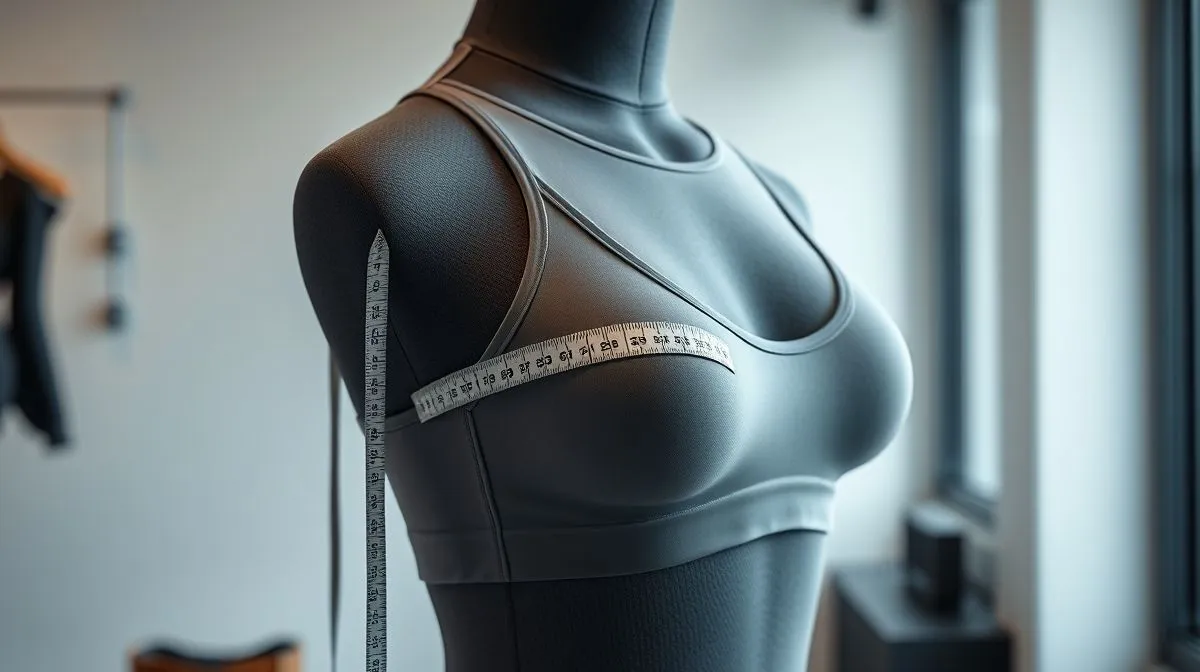
How to Reduce Returns of Poorly Fitting Workout Clothes?
For over 15 years in the activewear industry, I've witnessed a persistent problem that quietly erodes profits and brand loyalty: the relentless cycle of returns due to poorly fitting workout clothes. It's a silent killer for many brands, often masked by top-line revenue figures, yet the operational costs and customer dissatisfaction it generates are immense.
This isn't just about a few inconvenient exchanges; it's a systemic issue. Every poorly fitting item sent back represents a lost sale, wasted shipping, environmental impact, and, most critically, a potential erosion of trust between your brand and your customer. The consumer's frustration with inconsistent sizing or misleading product representation directly impacts their willingness to purchase from you again.
In this definitive guide, I'll share the actionable frameworks, cutting-edge strategies, and expert insights that I've developed and seen successfully implemented by leading activewear brands. My goal is to equip you with the knowledge to not just mitigate, but significantly reduce returns of poorly fitting workout clothes, transforming a costly headache into a pathway for enhanced customer satisfaction and sustainable growth.
Understanding the Root Cause: Why Do Poorly Fitting Workout Clothes Keep Coming Back?
Before we can fix the problem, we must truly understand its genesis. Returns for poor fit aren't random; they stem from a confluence of factors unique to the apparel industry, especially activewear where fit directly impacts performance and comfort.
The 'Vanity Sizing' Trap and Inconsistent Manufacturing
One significant culprit is the widespread practice of 'vanity sizing,' where brands adjust their garment measurements to make customers feel better about buying a smaller size. While seemingly benign, this creates massive confusion across brands. What's a 'medium' at one brand might be a 'small' or 'large' elsewhere, leading to a frustrating guessing game for consumers. Coupled with inconsistent manufacturing tolerances, where slight variations in cutting or stitching can alter a garment's true size, and you have a recipe for fit disaster.
Lack of Standardized Sizing Across Brands
Unlike many other product categories, there's no universal standard for apparel sizing. Each brand essentially creates its own sizing chart. This fragmented approach means customers must re-learn sizing for every new brand they encounter. For activewear, where compression, stretch, and freedom of movement are critical, a millimeter's difference can change a perfect fit into an uncomfortable one, leading to an immediate return.
The Online Shopping Disconnect: No Touch, No Try
The explosive growth of e-commerce, while convenient, removes the tactile experience of trying on clothes. Customers can't feel the fabric's stretch, assess the compression, or see how a garment drapes on their specific body type. This 'information gap' is a primary driver of fit-related returns, as customers rely solely on images and descriptions, which may not always convey the full story.
Mastering the Fit Guide: Precision Sizing for Activewear
Your fit guide is more than just a size chart; it's your customer's first and often only interaction with your product's physical reality before purchase. A superior fit guide is the cornerstone of reducing returns of poorly fitting workout clothes.
Beyond Basic Measurements: Incorporating Body Shape and Activity Type
Standard bust, waist, and hip measurements are a start, but activewear demands more. Consider incorporating guidance based on body shape (e.g., 'pear,' 'apple,' 'athletic build') and the intended activity. A running tight's fit differs from a yoga pant's. Provide guidance like 'If you prefer a compressive fit for high-intensity, size down,' or 'For a relaxed studio fit, stick to your true size.'
Implementing a Universal Fit Language
While a universal size chart is aspirational, you can create a 'universal fit language' within your brand. Use consistent descriptors like 'ultra-compressive,' 'second-skin,' 'relaxed fit,' or 'true to size' across all product lines. Educate your customers on what these terms mean for your specific garments. This consistency builds trust and reduces ambiguity.
The true measure of a great activewear brand isn't just fabric quality, but how well it helps customers find their perfect fit the first time. Focus on clarity, not just numbers.
Actionable Steps for Creating a Superior Fit Guide:
- Comprehensive Measurement Charts: Include not just circumference, but also inseam, rise, and sleeve length for specific garment types. Use clear, easy-to-understand diagrams showing exactly where to measure.
- Model Comparison Guides: Show your activewear on models of diverse body types, heights, and weights. Crucially, list the model's exact measurements and the size they are wearing for each product. This visual context is invaluable.
- User-Generated Content for Fit Reference: Encourage customers to share photos and their fit experiences. Curate these on product pages, allowing potential buyers to see how the garment fits on real people, often with similar body types to their own.
Leveraging Technology: Virtual Try-On and AI Recommendations
The digital realm no longer means a blind purchase. Emerging technologies are bridging the gap between online browsing and the in-store try-on experience, significantly impacting how to reduce returns of poorly fitting workout clothes.
The Rise of Virtual Try-On Solutions
Virtual try-on (VTO) tools, utilizing augmented reality (AR) or 3D modeling, allow customers to 'wear' garments digitally. While still evolving, these technologies provide a visual representation of how a garment might look on their body, taking into account their unique dimensions. This visual confirmation builds confidence and helps manage expectations, reducing guesswork.
AI-Powered Fit Predictors: Data-Driven Insights
Artificial intelligence is revolutionizing sizing. AI-powered fit predictors analyze vast datasets – including historical return data, customer measurements, product dimensions, and even fabric properties – to recommend the most accurate size for individual customers. These systems learn from every purchase and return, becoming more precise over time. According to a report by Forbes Tech Council, AI-driven solutions are key to personalizing the online shopping experience, including fit.
The Power of Feedback: Listening and Adapting to Your Customers
Your customers are your most valuable source of insight into fit issues. Their returns data and direct feedback provide a goldmine of information that, when properly analyzed, can proactively address how to reduce returns of poorly fitting workout clothes.
Post-Purchase Surveys and Return Reason Analysis
Implement mandatory or incentivized post-purchase surveys that specifically ask about fit satisfaction. When a return occurs, capture detailed reasons beyond just 'too small' or 'too large.' Was it the length, the waist, the bust, or the compression? Categorize this data rigorously. Over time, patterns will emerge, highlighting specific garments or sizing issues that need attention. This granular data is invaluable for product development and marketing adjustments.
Engaging with Community Forums and Social Media
Don't just wait for returns; actively engage with your community. Monitor social media conversations, reviews, and any brand-specific forums. Customers often share fit insights and frustrations in these spaces. Responding to these concerns, and even inviting users to share their experiences directly, can provide early warnings about potential widespread fit issues. As customer experience experts often say, proactive engagement is key to retention.
Case Study: How FitFlow Activewear Slashed Returns by 20%
FitFlow Activewear, a mid-sized brand specializing in high-performance leggings, faced a significant challenge: over 35% of their returns were due to 'fit issues.' They implemented a new strategy based on granular feedback. They revised their online return portal to include specific questions about which part of the garment didn't fit and what activity it was for. They also added a mandatory post-purchase email survey asking about initial fit perception. By analyzing this detailed data, they discovered that their 'L' size leggings were consistently too short in the inseam for taller customers, and their 'M' sports bras were too tight in the band for many. This direct feedback allowed their design team to make precise pattern adjustments for future production runs. Within six months, FitFlow Activewear reduced their fit-related returns by 20%, significantly improving customer satisfaction and saving substantial operational costs.
Optimizing Product Descriptions and Imagery: Setting Accurate Expectations
Clear, comprehensive, and honest product information is paramount. It's your digital sales associate, working 24/7 to help customers make informed decisions and directly impacts how to reduce returns of poorly fitting workout clothes.
Detail-Rich Descriptions: Fabric, Stretch, and Intended Fit
Go beyond generic marketing copy. Describe the fabric composition, its stretch properties (e.g., 'four-way stretch,' 'limited stretch'), and most importantly, the *intended fit*. Is it designed to be skin-tight, compressive, relaxed, or oversized? Use specific terms like 'designed for a second-skin feel,' 'built for moderate compression,' or 'features a relaxed, athletic cut.' Detail features like adjustable drawstrings, flatlock seams (for comfort), or specific waistband heights.
High-Quality, Diverse Imagery: Showing Fit on Various Body Types
Invest in professional photography that showcases your activewear on a diverse range of body types. Don't just use one 'ideal' model. Show how the garment drapes and fits on models with different heights, builds, and sizes (e.g., petite, plus-size, athletic, curvy). Include images from multiple angles – front, back, side – and close-ups of critical areas like waistbands, cuffs, and seams. If possible, include videos of models moving in the clothes, demonstrating stretch and flexibility. This visual honesty is crucial for managing customer expectations.
Every pixel and every word in your product description is a promise. Make sure it's a promise you can keep, accurately conveying the fit and feel.
Educating the Consumer: Beyond the Size Chart
Sometimes, the best way to reduce returns of poorly fitting workout clothes is to empower your customers with the knowledge to choose correctly themselves. Think of yourself as a helpful mentor, guiding them to the perfect fit.
Creating Educational Content: How to Measure, How to Choose
Develop a content library dedicated to fit. This could include:
- 'How to Measure Yourself' Guides: Step-by-step instructions with clear visuals for taking accurate body measurements.
- 'Choosing Your Perfect Activewear Fit' Articles: Explain the nuances of fit for different activities (e.g., 'Why Compression Matters for Running,' 'The Ideal Fit for Yoga Pants').
- Fabric Explanations: Educate customers on how different fabric blends (e.g., nylon/spandex vs. polyester) affect stretch, compression, and overall fit. A detailed understanding can prevent misjudgment. For instance, understanding the elongation and recovery properties of different elastane blends, as discussed in textile engineering studies, is crucial for accurate fit prediction.
Video Guides and Fit Consultations
Video content is highly engaging. Create short, informative videos demonstrating how to measure, how to interpret your size chart, or how a specific garment should fit. For premium brands, consider offering virtual fit consultations where customers can schedule a one-on-one video call with a fit expert. This personalized service can drastically reduce the likelihood of a wrong purchase.
Post-Purchase Support: Turning Returns into Retention Opportunities
Even with the best preventative measures, some returns are inevitable. How you handle them can determine whether a customer becomes a repeat buyer or is lost forever. This is where you turn a potential negative into a powerful positive, further reducing how to reduce returns of poorly fitting workout clothes in the long run by gaining insights.
Streamlined Exchange Process: Easy Size Swaps
Make the exchange process as frictionless as possible, especially for size swaps. Offer free return shipping for exchanges. Provide clear instructions and pre-paid labels. The easier it is for a customer to get the correct size, the less likely they are to simply abandon the product or your brand entirely. A positive exchange experience can significantly boost customer loyalty.
Proactive Customer Service: Fit Advice Post-Purchase
Don't wait for a return to happen. If a customer expresses any pre-purchase sizing doubt, follow up with them after they receive their order. Offer to provide personalized fit advice. For customers who do initiate a return, have your customer service team trained to offer fit guidance for their next purchase. This consultative approach can prevent future fit-related returns from the same customer.
A return isn't a failure; it's a second chance to build loyalty if handled with grace, insight, and a commitment to helping the customer find their perfect fit.
Internal Processes & Quality Control: The Unseen Heroes
The journey of how to reduce returns of poorly fitting workout clothes starts long before the customer clicks 'buy.' It begins in your design studio and manufacturing facility. Robust internal processes and rigorous quality control are the bedrock of consistent sizing and fit.
Consistent Manufacturing Tolerances
Work closely with your manufacturers to establish and enforce strict manufacturing tolerances. This means ensuring that every garment produced adheres to precise measurements, with minimal deviation. Regular factory audits and spot checks on production batches are critical to maintaining this consistency. Inconsistencies at the factory level directly translate to fit issues for your customers.
Rigorous Quality Assurance Checks
Implement comprehensive quality assurance (QA) checks at various stages of production. This isn't just about checking for defects; it's about verifying fit. Have QA teams physically measure and try on samples from each production batch to ensure they match your fit specifications. Test the stretch and recovery of fabrics to ensure they perform as intended. This proactive approach catches fit issues before products even reach your warehouse, let alone your customers.
- Key Areas for Internal QC:
- Fabric Stretch Consistency: Ensure fabric elongation and recovery are within specified ranges for every roll of fabric.
- Seam Strength and Stitching Accuracy: Critical for activewear; poor stitching can affect fit and durability.
- Garment Dimension Checks: Randomly select garments from each batch and measure against technical specifications to catch size creep.
Frequently Asked Questions (FAQ)
Question? How quickly can I expect to see a reduction in returns after implementing these strategies?
Answer: While some improvements, like optimized product descriptions, can show immediate impact, a significant and sustainable reduction in returns typically takes 3-6 months. This allows time for data collection, iterative adjustments to your fit guides and product designs, and for new customer education initiatives to take effect. Technologies like AI fit predictors also improve over time as they gather more data.
Question? Is implementing virtual try-on worth the investment for a smaller activewear brand?
Answer: For smaller brands, a full-scale AR virtual try-on might be a significant initial investment. However, there are more accessible options. Consider starting with high-quality 3D renders that allow customers to rotate garments or AI-powered size recommendation widgets that integrate with your existing data. The ROI for reducing returns and increasing conversion often justifies the investment, even if scaled initially. Focus on the most impactful solutions first.
Question? What's the most common mistake brands make regarding sizing that leads to high returns?
Answer: In my experience, the most common mistake is a lack of clarity and consistency. Brands often have inconsistent sizing across their own product lines, or their size charts are too simplistic and don't account for the nuances of activewear fit (e.g., compression, body type suitability). Failing to educate customers on how to properly measure themselves or interpret the size chart is also a major oversight.
Question? Can customer reviews really help reduce fit-related returns?
Answer: Absolutely! Customer reviews, especially those that include details about fit, body type, and how the garment performs during activity, are incredibly valuable. Encourage customers to leave detailed reviews, perhaps with prompts about fit. Displaying these reviews prominently on product pages allows prospective buyers to gain insights from peers, often relating more to real-world experiences than professional models. This builds immense trust and helps manage expectations.
Question? How do I handle international sizing discrepancies when selling globally?
Answer: This is a critical challenge. The best approach is to provide a comprehensive international size conversion chart on every product page. Clearly indicate which sizing system (e.g., US, UK, EU) your primary size chart adheres to, and then offer conversions. Consider using AI fit predictors that can account for regional body anthropometrics. Some brands even offer region-specific fit guides or product lines if the discrepancies are significant enough.
Recommended Reading
- Unveiling the Secrets: How Intricate Embellishments Are Crafted in Haute Couture
- The Ultimate Men's Capsule Wardrobe for Travel: Pack Light & Right!
- Warmest Kids Winter Hat Material? Ultimate Guide for Parents
- Authentic Natural Beauty: 7 Steps to Marketing Without Greenwashing
- The Ultimate Guide: How to Banish Bridal Hair Frizz on Your Wedding Day
Key Takeaways and Final Thoughts
Reducing returns of poorly fitting workout clothes isn't a quick fix; it's a strategic imperative that demands a holistic approach. It's about precision, transparency, technology, and an unwavering commitment to your customer's experience. By integrating these expert-level strategies, you're not just cutting costs; you're building a more trustworthy, resilient, and customer-centric activewear brand.
- Prioritize a granular understanding of fit issues through detailed data analysis.
- Invest in superior fit guides and product descriptions that set accurate expectations.
- Embrace technology like virtual try-on and AI for personalized sizing.
- Actively solicit and leverage customer feedback as a continuous improvement loop.
- Educate your customers on how to choose the perfect fit for their body and activity.
- Streamline your return/exchange process to turn a negative into a positive brand interaction.
- Maintain stringent internal quality control to ensure consistent sizing from manufacturing.
The activewear landscape is competitive, and customer loyalty is hard-won. By mastering the art and science of fit, you differentiate your brand, reduce costly returns, and cultivate a community of confident, loyal customers who know they can always find their perfect workout gear with you. It's an investment that pays dividends, not just in your bottom line, but in the enduring strength of your brand.



Your email address will not be published. Required fields are marked *