


How to Prevent Bridal Hair Frizz on Your Wedding Day: The Definitive Guide
Imagine this: You've spent months planning every detail of your dream wedding – the dress, the venue, the flowers. Your hair, meticulously styled, looks absolutely perfect as you walk down the aisle. Then, just as you're about to say 'I do,' a sudden shift in humidity hits, and your once-flawless locks begin to rebel, transforming into a halo of unwelcome frizz. It's a nightmare scenario no bride wants to face, a tiny detail that can cast a shadow over an otherwise perfect moment.
The relentless battle against hair frizz on such a significant day is a common concern for many brides. Humidity, natural hair porosity, and even styling choices can conspire against your desired look, leaving you feeling less than picture-perfect. The question isn't just about looking good, but about feeling confident and radiant from the first photo to the last dance.
This comprehensive guide is your ultimate resource on how to prevent bridal hair frizz on wedding day, ensuring your tresses remain smooth, sleek, and stunning throughout your celebrations. We'll delve into the science behind frizz, unveil expert preparation strategies, recommend essential products, and share invaluable on-the-day tips to keep your bridal hair immaculate, no matter the weather.
Understanding the Enemy: What Causes Hair Frizz?
To effectively combat frizz, it's crucial to understand its origins. Frizz isn't just bad luck; it's a scientific reaction between your hair and its environment. When hair becomes frizzy, it's often a sign that its outer layer, the cuticle, has been lifted, allowing moisture from the air to penetrate and swell the hair strands unevenly.
Humidity's Role in Hair Frizz
The primary culprit behind frizz is often humidity. Hair naturally seeks to balance its moisture content with the surrounding air. If the air is humid, your hair, especially if it's dry or damaged, will absorb that excess moisture. This absorption causes the hair shaft to swell and the cuticles to lift, leading to that characteristic fuzzy appearance.
Think of your hair like a sponge. When it's dry, it's eager to soak up any available moisture. In a humid environment, this means drawing water from the air, causing the hair to expand and appear unruly. Understanding this fundamental interaction is the first step in mastering frizz control.
Hair Porosity and Damage: The Internal Factors
Beyond external humidity, your hair's inherent structure plays a significant role. Porosity refers to your hair's ability to absorb and retain moisture. High porosity hair, often due to damage from heat styling, chemical treatments, or even genetics, has more gaps and holes in its cuticle layer. These gaps make it easier for moisture to enter and exit, leading to rapid swelling and frizz in humid conditions.
Conversely, low porosity hair has a tightly closed cuticle, making it harder for moisture to penetrate. While this can make it resistant to frizz, it also means products might sit on the surface, making it harder to hydrate effectively. Knowing your hair's porosity can guide your product choices and care routine.
Pre-Wedding Hair Prep: The Foundation for Frizz-Free Locks
The secret to stunning wedding day hair begins long before the actual event. A strategic pre-wedding hair care regimen is paramount for ensuring your strands are optimally hydrated and prepared to withstand any environmental challenges. This foundational work significantly reduces the likelihood of frizz.
Deep Conditioning Regimen: Hydration is Key
Starting at least three to six months before your wedding, incorporate a weekly deep conditioning treatment into your routine. These treatments are formulated to penetrate deeper into the hair shaft, providing intense hydration and helping to smooth down the cuticles. Look for products rich in ingredients like shea butter, argan oil, hyaluronic acid, and keratin.
For best results, apply the deep conditioner to damp hair, cover with a shower cap, and allow it to penetrate for 20-30 minutes, or even overnight. Rinse thoroughly with cool water to help seal the cuticle. Consistent hydration makes your hair less prone to absorbing external moisture and thus, less prone to frizz.
Strategic Haircut Timing for Optimal Health
Schedule your final trim or haircut approximately two to three weeks before your wedding day. This timing ensures that any split ends, which are notorious for contributing to frizz, are removed. Split ends expose the inner cortex of the hair, making it highly susceptible to environmental moisture. Freshly trimmed ends lie flatter and smoother, creating a more uniform surface that resists frizz.
Avoid last-minute cuts, as they might not allow your hair to settle into its natural fall, and you want to be completely comfortable with your length and shape before the big day.
Product Selection: The Right Arsenal for Bridal Hair
Investing in the right hair care products specifically designed to combat frizz is non-negotiable. Look for products labeled 'anti-frizz,' 'smoothing,' or 'humidity-resistant.' Pay close attention to ingredients:
- Sulfate-Free Shampoos and Conditioners: Sulfates can strip natural oils, leaving hair dry and vulnerable to frizz. Opt for gentle, moisturizing formulas.
- Humectant-Rich Products: Ingredients like glycerin, propylene glycol, and hyaluronic acid draw moisture from the air into your hair, but in a controlled way, helping to keep it hydrated and supple.
- Silicones: While sometimes debated, certain silicones (like dimethicone or cyclomethicone) can form a protective barrier around the hair shaft, sealing the cuticle and repelling humidity. Use them sparingly to avoid buildup.
Strategic Product Application: Your Anti-Frizz Arsenal
Having the right products is only half the battle; knowing how and when to apply them is equally crucial. The layered approach ensures maximum protection against humidity and external aggressors.
Serums and Oils: The First Line of Defense
After washing and conditioning, gently towel-dry your hair until it's damp, not soaking wet. This is the ideal time to apply a lightweight anti-frizz serum or a few drops of natural oil (like argan, jojoba, or coconut oil). Dispense a small amount into your palms, rub them together, and distribute evenly through the mid-lengths and ends of your hair. These products create a smooth, protective barrier that locks in moisture and prevents external humidity from penetrating.
Focus on the areas most prone to frizz, typically the ends and around the hairline. For fine hair, use a very small amount to avoid weighing it down.
Hairsprays and Finishing Products: The Final Seal
Once your hair is styled, a good humidity-resistant hairspray or a finishing mist is your final line of defense. Look for formulas that offer flexible hold without stiffness or stickiness. Apply an even mist from an arm's length away, ensuring full coverage. These products work by creating a protective film over the hair, sealing the cuticle and preventing moisture from entering.
A common mistake is overspraying, which can lead to a crunchy texture. A light, even application is key. For an extra layer of protection, consider a shine spray that also contains anti-humidity properties.
Heat Protectants: Shielding Against Damage
Heat styling, while often necessary for bridal looks, can severely damage the hair cuticle, making it more susceptible to frizz. Always use a high-quality heat protectant spray or cream before applying any heat. These products form a barrier that minimizes direct heat exposure, reducing moisture loss and preventing the cuticle from lifting.
Apply heat protectant evenly from roots to ends on damp hair before blow-drying, and again on dry hair before using curling irons or straighteners. This proactive step is vital for maintaining hair health and smoothness.
Styling Techniques for Lasting Smoothness
Beyond products, the way you style your hair can significantly impact its frizz resistance. Certain techniques help to seal the cuticle and maintain a sleek appearance throughout the day.
Blow-Drying Basics for a Smooth Finish
Proper blow-drying is crucial for achieving a frizz-free foundation. Always use a nozzle attachment on your hairdryer to direct the airflow downwards, along the hair shaft. This technique helps to flatten the cuticle, promoting smoothness and shine. Use a round brush with boar bristles for tension and control.
Start by rough-drying your hair until it's about 70-80% dry, then section it. Work in small sections, pulling the hair taut with your brush as you direct the heat down the shaft. Finish each section with a blast of cool air to set the style and further seal the cuticle. This 'cold shot' feature is often overlooked but highly effective.
Updos vs. Down Styles: Strategic Choices
When considering your wedding day hairstyle, think about the humidity factor. Updos and braided styles are inherently more resistant to frizz than hair left completely down. When hair is secured, it has less surface area exposed to humidity, and individual strands are less likely to swell and separate.
If you dream of wearing your hair down, ensure your stylist uses ample anti-frizz products and employs techniques that maximize smoothness. For instance, creating soft waves with a curling iron and then gently brushing them out can help fuse strands, making them less prone to frizz than air-dried, natural waves. For ultimate security, consider a half-up, half-down style or incorporating braids that can hold stray hairs in place.
Braids and Twists: Natural Frizz Control
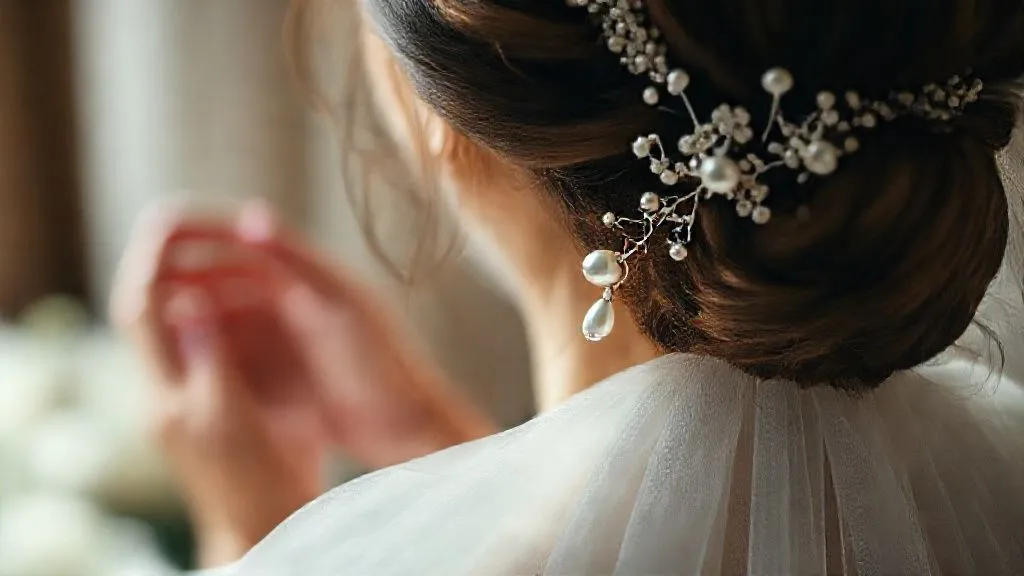
Incorporating braids or twists into your bridal hairstyle can be a beautiful and practical way to manage frizz. These styles not only look elegant but also keep hair contained and protected from the elements. A sleek chignon, a romantic braided updo, or even delicate face-framing twists can offer both aesthetic appeal and frizz prevention.
Discuss these options with your hairstylist during your trial. They can suggest styles that complement your dress and theme while providing maximum frizz resistance. These techniques are often key for how to prevent bridal hair frizz on wedding day, especially in outdoor or humid venues.
On-the-Day Emergency Kit: Be Prepared for Anything
Despite all the preparation, unexpected elements can arise. Having a compact emergency kit on hand will give you peace of mind and the ability to perform quick touch-ups if needed. This is a crucial step in understanding how to prevent bridal hair frizz on wedding day.
Mini Hair Spray & Anti-Frizz Sheets
Pack a travel-sized, humidity-resistant hairspray. A quick spritz can tame any rogue strands that might appear. Additionally, consider anti-frizz sheets or wipes. These are small, pre-moistened sheets that you can gently glide over your hair to instantly smooth down flyaways and reduce static. They are discreet and won't disrupt your style.
Bobby Pins and Combs: Quick Fixes
A small collection of bobby pins (in your hair color), a fine-tooth comb, and perhaps a small boar-bristle brush can be invaluable. Bobby pins can secure any sections that come loose, while the comb and brush can gently smooth down any emerging frizz without disturbing the overall style. Ensure your maid of honor or a trusted bridesmaid knows where this kit is located.
Common Mistakes Brides Make (And How to Avoid Them)
Even with the best intentions, certain missteps can inadvertently invite frizz. Being aware of these common pitfalls can help you steer clear of them.
Over-Washing Hair Before the Wedding
Resist the urge to wash your hair excessively in the days leading up to the wedding. Over-washing can strip your hair of its natural oils, leaving it dry and more susceptible to frizz. For most hair types, washing every two to three days is sufficient. On your wedding day, it's often recommended to wash your hair the day before, allowing natural oils to build up slightly, which can aid in styling and frizz resistance.
Skipping the Hair Trial
The hair trial is not just for aesthetics; it's a critical opportunity to test how your hair reacts to styling and products under simulated conditions. This is where you and your stylist can experiment with different anti-frizz products and techniques to see what truly works for your hair type and the desired look. It's also the perfect time to discuss potential humidity concerns for your venue and date.
Don't skip this vital step. It allows for adjustments and ensures there are no surprises on the big day.
Relying on Humidity Alone (Without Products)
Some people believe that if their wedding is indoors or in a dry climate, they don't need extensive frizz protection. This is a common misconception. While humidity is a major factor, hair can still frizz due to damage, static, or even just natural movement. Always incorporate anti-frizz products into your routine, regardless of the perceived climate. It's better to be over-prepared than under-prepared.
Beyond Products: Lifestyle Tips for Healthy Hair
While external treatments and styling are crucial, the overall health of your hair from within significantly impacts its ability to resist frizz. A holistic approach can enhance your hair's natural defenses.
Hydration and Nutrition: Fueling from Within
What you put into your body directly affects your hair's health. Ensure you're drinking plenty of water to keep your body, and thus your hair, adequately hydrated. A balanced diet rich in essential fatty acids (found in fish, nuts, and seeds), vitamins (especially biotin, Vitamin E, and C), and proteins can strengthen hair strands, making them more resilient to damage and frizz. Consider consulting a nutritionist if you have specific dietary concerns.
According to the American Academy of Dermatology, a healthy diet is fundamental for strong hair, as follicles require nutrients to produce healthy strands. Learn more about healthy hair tips from the AAD here.
Silk Pillowcases: A Gentle Touch
Switching from cotton to a silk or satin pillowcase can make a remarkable difference. Cotton pillowcases can create friction against your hair as you sleep, leading to breakage, tangles, and frizz. Silk and satin, on the other hand, have a smoother surface, reducing friction and allowing your hair to glide, thereby preserving your style and preventing cuticle damage overnight. This simple swap can contribute significantly to maintaining smooth hair.
Stress Management: The Unseen Factor
Wedding planning can be incredibly stressful, and stress can take a toll on your overall health, including your hair. High stress levels can impact hair growth cycles and overall hair health. Incorporate stress-reducing activities into your routine, such as yoga, meditation, regular exercise, or simply setting aside time for relaxation. A calm mind contributes to a healthy body, and consequently, healthy, frizz-resistant hair.
For scientific insights into hair structure and its interaction with humidity, you can explore resources like the Journal of Cosmetic Science, which often publishes research on hair care and properties. For instance, studies on hair fiber swelling and cuticle behavior explain the fundamental mechanisms of frizz. A general overview of hair structure can be found on Wikipedia.
Frequently Asked Questions (FAQ)
Q: Can I use dry shampoo on my wedding day to prevent frizz? A: While dry shampoo can absorb oil and add volume, it doesn't directly prevent frizz. If your hair is prone to frizz, focus on moisturizing and anti-humidity products. Dry shampoo might be useful for refreshing roots, but it's not a frizz solution.
Q: How far in advance should I start my anti-frizz hair routine? A: Ideally, begin your intensive deep conditioning and product regimen at least 3-6 months before your wedding. This allows ample time for your hair to become optimally hydrated and healthy, creating a strong foundation against frizz.
Q: Is it better to wash my hair the night before or the morning of my wedding? A: For most hair types, washing your hair the night before is recommended. This allows your hair's natural oils to settle, making it more manageable for styling and less prone to frizz. Freshly washed hair can sometimes be too soft or slippery for intricate updos.
Q: What if it rains on my wedding day? Will my hair definitely frizz? A: Not necessarily! With proper preparation, strategic product application, and a humidity-resistant style, your hair can withstand rain. Your emergency kit will also be crucial for any quick touch-ups. Focus on sealing the cuticle with serums, oils, and strong-hold, humidity-resistant hairspray.
Q: Are there any natural remedies for frizz that I should consider? A: While many natural oils (like coconut, argan, or olive oil) can help moisturize and reduce frizz, they often need to be used in conjunction with professional anti-frizz products for maximum effect on your wedding day. Always test any new natural remedies well in advance to ensure they don't weigh your hair down or react negatively.
Recommended Reading
- Unlock Camera Confidence: The Ultimate Guide to Posing for Fashion Bloggers
- The Secret Revealed: How Stylists Pick Celebrity Luxury Red Carpet Gowns
- Unveiling the Secrets: What Materials Are Best for Fantasy Costume Durability?
- Mastering Character Costume Design: How to Conceptualize Effectively
- Effortless Style: Comfortable Everyday Outfits for Busy Moms
Conclusion
Your wedding day is a celebration of love, joy, and unforgettable moments. The last thing you want is to be distracted by unruly hair. By understanding the science behind frizz, committing to a consistent pre-wedding hair care regimen, strategically applying the right products, and employing smart styling techniques, you can confidently achieve and maintain a flawless bridal hairstyle.
Remember, the key to how to prevent bridal hair frizz on wedding day lies in preparation, protection, and a little bit of foresight. With the insights and tips shared in this guide, you are now equipped to conquer humidity and embrace your special day with radiant, frizz-free confidence. Your hair will be as perfect and memorable as every other detail of your dream wedding.



Your email address will not be published. Required fields are marked *