

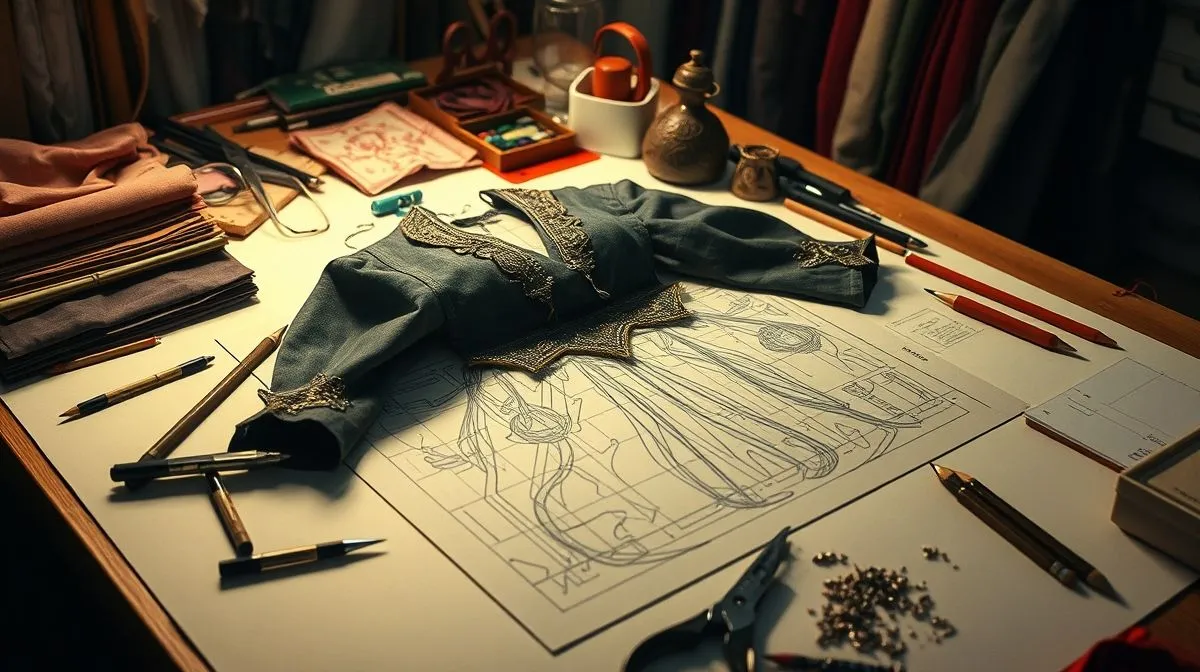
Introduction: How to Conceptualize Character Costumes Effectively
Have you ever watched a film, read a book, or played a game where a character's costume immediately told you their entire story, even before they uttered a single word? That powerful, instantaneous connection isn't accidental; it's the result of meticulous, thoughtful costume conceptualization. A well-designed costume is far more than just clothing; it's a visual language, a narrative device, and a crucial element of world-building.
The challenge, however, lies in moving beyond mere aesthetics to truly imbue a costume with meaning. How do designers translate complex character backstories, personalities, and arcs into tangible fabric and form? The problem isn't a lack of creativity, but often a lack of a structured, iterative process that connects the artistic vision with the narrative imperative.
This comprehensive guide will walk you through precisely how to conceptualize character costumes effectively, transforming your ideas from abstract concepts into iconic, story-driven designs. By the end of this reading, you will possess a robust framework for integrating narrative, psychology, and practicality into every stitch and seam, ensuring your characters are not just dressed, but truly defined.
Understanding the Core of Character: Beyond Aesthetics
Before a single sketch is made or a fabric swatch is considered, the most vital step in conceptualizing character costumes is to deeply understand the character themselves. This goes far beyond their role in the story; it delves into their very essence, their past, their motivations, and their future.
The Character Brief: Your North Star
Every successful costume conceptualization begins with a detailed character brief. This document, whether formal or informal, should encapsulate every piece of information relevant to the character. It's the foundation upon which all design decisions are built. Think of it as a psychological profile, not just a physical description.
- Who are they? Name, age, gender, social status, occupation.
- Where are they from? Cultural background, geographical origin, historical period.
- What is their personality? Introverted, extroverted, rebellious, traditional, kind, cruel.
- What is their backstory? Key life events, trauma, triumphs, relationships that shaped them.
- What is their arc? How do they change throughout the story? Does their costume need to reflect this evolution?
- What is their function in the narrative? Protagonist, antagonist, comic relief, mentor?
- What are their physical needs? Do they need to fight, dance, fly, or simply stand still?
Neglecting this initial deep dive is one of the most common mistakes. Without a clear understanding of the character's soul, the costume risks becoming just a pretty outfit, devoid of true narrative power. As renowned costume designer Edith Head famously said, "What a costume designer does is a cross between magic and camouflage. We create the illusion of character."
Psychology of Color and Form
Once you understand the character's essence, you can begin to translate those intangible traits into tangible design elements. Color and form are powerful psychological tools. Red might signify passion or danger, blue tranquility or sadness. Sharp angles can denote aggression or rigidity, while soft, flowing lines suggest grace or vulnerability.
- Color Theory: Consider primary, secondary, and tertiary colors, as well as their saturation and brightness. How do they evoke emotion or signify allegiance?
- Silhouette: The overall outline of the costume. Is it imposing, delicate, practical, or fantastical? The silhouette often communicates a character's power or vulnerability instantly.
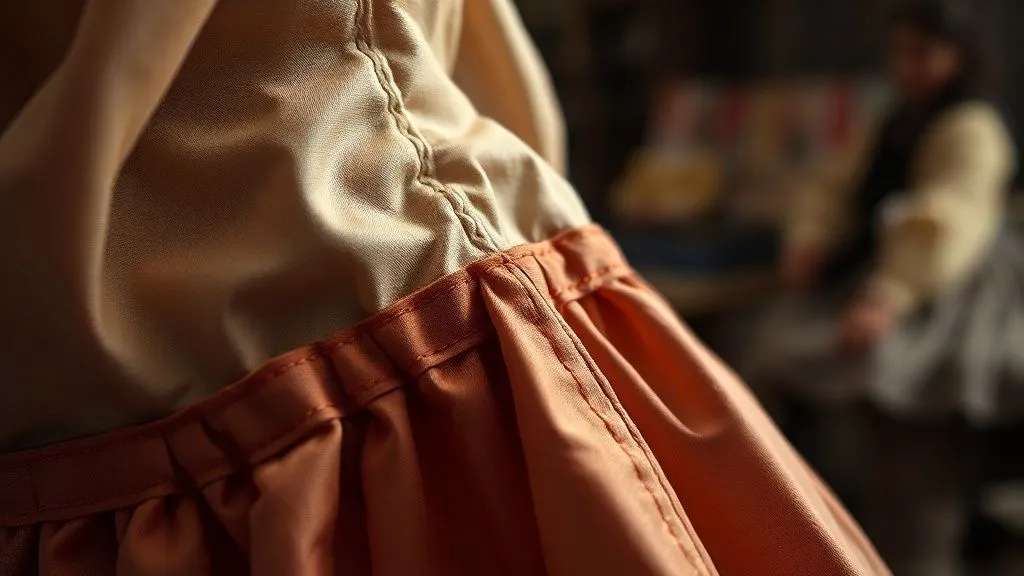
- Texture and Fabric: Rough textures might suggest hardship or earthiness, while smooth, luxurious fabrics can convey wealth or sophistication.
- Line and Shape: Vertical lines can imply height or elegance, horizontal lines breadth or stability. Geometric shapes might suggest order, organic shapes chaos or nature.
These elements, when consciously chosen, become silent narrators, communicating aspects of the character without explicit dialogue. For more on the psychological impact of color, consider exploring resources like Wikipedia's page on Color Psychology, which offers a foundational understanding.
The Iterative Process: From Concept to Blueprint
Conceptualizing character costumes is rarely a linear path. It's an iterative process of exploration, refinement, and often, delightful discovery. This phase is where ideas begin to take visual form.
Brainstorming and Mood Boards
Start broad. Gather inspiration from various sources: historical fashion, cultural attire, nature, architecture, art, and even abstract concepts. Create a mood board – a visual collage of images, textures, colors, and even words that evoke the character's world and personality. This isn't about copying; it's about absorbing influences and finding visual parallels to the character brief.
- Visual Research: Collect images of historical periods, specific professions, cultural garments, and relevant art movements.
- Material Exploration: Gather fabric swatches, trimmings, and hardware that resonate with the character's world.
- Keyword Association: List adjectives and nouns that describe the character and their environment.
The mood board serves as a crucial reference point, helping to maintain visual consistency and ensuring all design choices align with the character's core identity.
Sketching and Silhouettes
Once the mood board is established, begin sketching. Don't worry about perfection; focus on exploring different ideas. Start with silhouettes to establish the overall shape and presence of the costume. Then, add details, experimenting with different necklines, sleeve types, skirt lengths, and accessories.
- Rapid Ideation: Generate many quick sketches to explore a wide range of possibilities.
- Focus on Silhouette: Test how different shapes impact the character's perceived personality and movement.
- Iteration and Refinement: Select the most promising concepts and develop them further, adding details, textures, and color palettes.
This phase is about visual problem-solving. Each sketch is a hypothesis about what the character would wear and why. It's essential to critically evaluate each design against the character brief: does this costume truly serve the character and the story?
Integrating World-Building and Lore
A character doesn't exist in a vacuum; they belong to a specific world. Their costume must reflect the rules, history, and environment of that world. This is where conceptualizing character costumes transcends individual design and becomes an integral part of the broader narrative.
Historical and Cultural Context
Even in fantasy or sci-fi, understanding historical and cultural precedents can provide a rich vocabulary for design. Are there specific societal norms that influence clothing? What is considered fashionable, practical, or taboo? A character from a rigid, class-conscious society will dress differently than one from a free-spirited, nomadic tribe.
- Historical Accuracy (where applicable): Research real-world historical periods for inspiration, even if creating a fictional world.
- Cultural Nuances: Consider how different cultures express status, religion, or identity through clothing.
- Social Hierarchy: How do costumes differentiate between social classes, occupations, or political affiliations within the world?
Ignoring these contextual layers can lead to costumes that feel generic or out of place, breaking the audience's immersion. A deep dive into global costume history, such as resources found at The Metropolitan Museum of Art's costume collection, can provide invaluable insights.
Technological and Environmental Influences
The environment and technology available within the character's world significantly impact their attire. Is it a harsh, cold climate requiring heavy furs, or a futuristic metropolis where clothing adapts to temperature? Does technology allow for self-cleaning fabrics or integrated comms devices?
- Climate and Terrain: Does the environment necessitate protective gear, lightweight fabrics, or specific footwear?
- Available Resources: What materials are common in this world? Are they natural, synthetic, or exotic?
- Technological Level: Does the society have advanced textiles, integrated tech, or are they reliant on rudimentary crafting?
These practical considerations ground the costume in reality, even if that reality is entirely fictional. A costume that makes sense within its world is inherently more believable and impactful.
Symbolism and Subtext: Weaving Deeper Meaning
The true artistry in conceptualizing character costumes lies in their ability to communicate subtext and symbolism. Every detail, from a specific color choice to a worn patch, can carry layers of meaning, enriching the character and the narrative.
Costume as Metaphor
Consider how a costume can serve as a metaphor for the character's internal state or journey. A character weighed down by guilt might wear heavy, restrictive clothing. A character breaking free could shed layers or adopt brighter colors. The design can hint at secrets, reveal hidden strengths, or foreshadow future events.
- Color Symbolism: Beyond basic associations, how do specific colors relate to the character's emotions or allegiances?
- Motifs and Patterns: Incorporate recurring symbols or patterns that hold significance for the character or the story.
- Wear and Tear: Does the costume show signs of hardship, neglect, or meticulous care? These details speak volumes.
Every element should be a deliberate choice, contributing to the character's narrative. This is where the costume becomes less about what they wear and more about who they are.
Tracking Character Arcs Through Attire
For characters who undergo significant transformation, their costumes can visually track their evolution. This might involve subtle changes in fabric, color, or silhouette, or a complete costume overhaul. A hero's journey often sees them transform from humble beginnings to a powerful leader, and their costume can reflect every stage.
- Subtle Evolution: Gradual changes in accessories, fabric quality, or small details.
- Transformative Changes: A complete costume change marking a pivotal moment or a new identity.
- Reflecting Internal State: The costume changes as the character's inner world shifts, even if their external circumstances remain similar.
This visual progression enhances the audience's understanding of the character's growth and makes their journey more tangible and impactful. It's a powerful way to reinforce the narrative themes.
Practical Considerations: Functionality Meets Fantasy
While storytelling and aesthetics are paramount, the practical realities of the costume must never be ignored. A costume that looks magnificent but inhibits performance or is impossible to create is ultimately a failure.
Movement and Performance
A costume must allow the character to move and perform their actions convincingly. Is the character an agile fighter, a graceful dancer, or someone who remains largely sedentary? The costume must facilitate their required movements without hindrance.
- Range of Motion: Ensure joints are not restricted and limbs can move freely.
- Durability: Will the costume withstand the rigors of filming, stage performance, or repetitive wear?
- Comfort: While not always the top priority, a degree of comfort helps the performer embody the character more naturally.
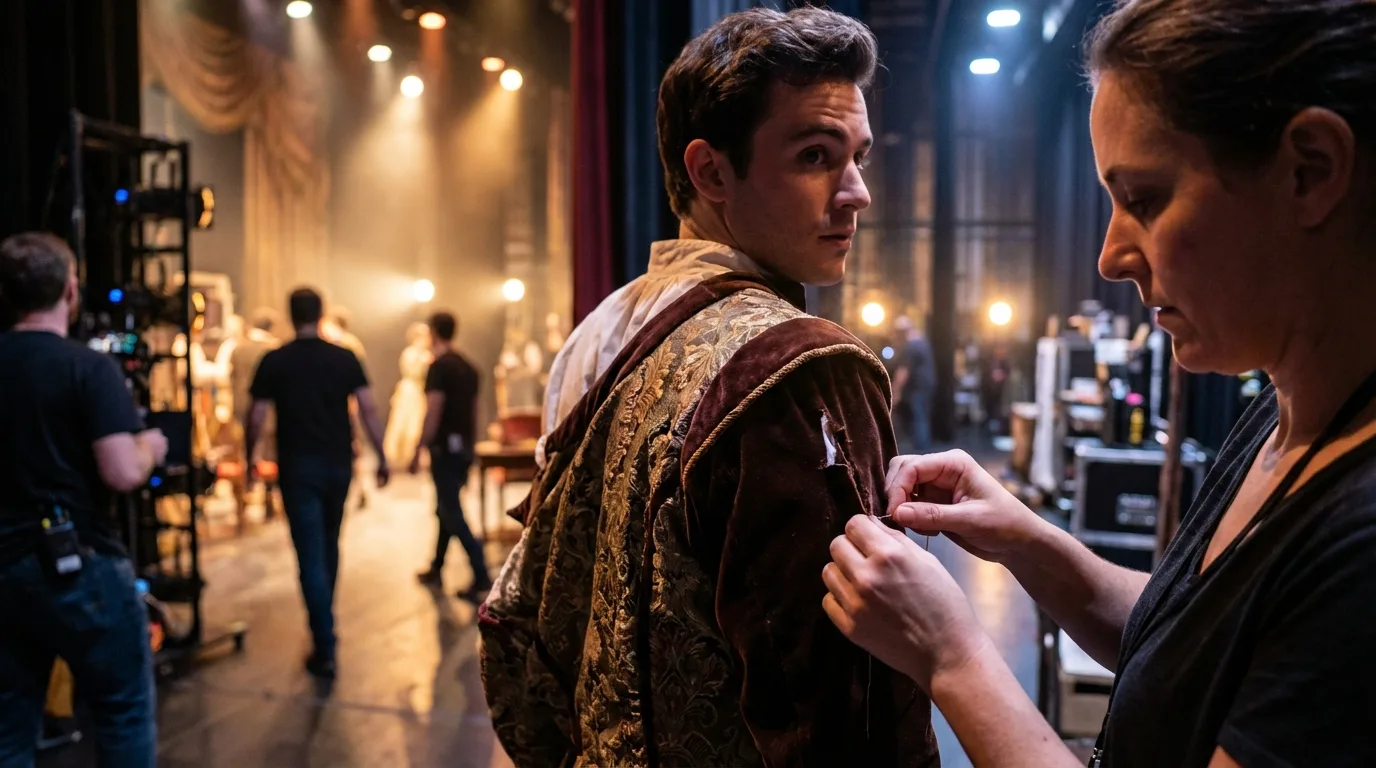
Collaborating closely with actors or animators during the design phase can provide invaluable feedback on the practical implications of a design.
Materiality and Texture
The choice of materials is critical. Beyond aesthetics, materials have inherent properties that affect how the costume drapes, moves, and reflects light. Think about how a heavy wool cloak differs from a shimmering silk gown, not just visually but in terms of how it feels and behaves.
- Fabric Properties: Consider drape, weight, elasticity, breathability, and how it takes dye.
- Construction Methods: How will the costume be built? Are the chosen materials and designs feasible with available techniques?
- Maintenance: Can the costume be easily cleaned, repaired, and stored?
These practical elements often dictate the final form of the costume and are crucial for bringing a conceptual design to life effectively. Understanding the properties of various materials is a cornerstone of successful costume design.
Common Pitfalls and How to Avoid Them
Even seasoned designers can fall into common traps when conceptualizing character costumes. Awareness of these pitfalls can help you navigate the process more smoothly.
Overdesigning vs. Underdesigning
One common mistake is either adding too many elements, making the costume cluttered and distracting, or too few, leaving it bland and uninspired. The goal is balance: enough detail to tell a story, but not so much that it overwhelms the viewer or the character.
- Overdesigning: Too many colors, textures, patterns, or accessories can create visual noise and obscure the character's essence.
- Underdesigning: A lack of thoughtful detail can make a character feel generic and forgettable, failing to convey their unique story.
Strive for intentionality in every design choice. If a detail doesn't serve the character or the story, it likely doesn't belong.
Ignoring Practicality
As discussed, a costume must be functional. Designing a beautiful gown that prevents an actress from sitting down, or a warrior's armor that restricts movement in battle, indicates a failure to consider practicality. Always keep the character's actions and the performer's needs in mind.
Lack of Cohesion
A costume must feel like a natural extension of the character and their world. If elements clash or feel arbitrary, the design lacks cohesion. Ensure that all aspects of the costume – from color to silhouette to accessories – work together to tell a unified story and fit within the established world. This includes ensuring consistency with other character designs within the same narrative.
Case Studies: Learning from Master Conceptualizers
Observing how master conceptualizers approach costume design offers invaluable lessons. Consider the iconic works of designers like Eiko Ishioka (Bram Stoker's Dracula), who used historical silhouettes and symbolic colors to convey psychological states and narrative themes, or Milena Canonero (Marie Antoinette), whose vibrant, era-specific costumes spoke volumes about excess and isolation.
Each of these designers, and many others, meticulously researched their characters and their worlds, allowing the narrative to dictate their design choices. They didn't just dress characters; they visually defined them, making their costumes integral to the storytelling. This approach exemplifies how to conceptualize character costumes effectively, turning clothing into character.
Frequently Asked Questions (FAQ)
What is the most important first step in conceptualizing a character costume? The most important first step is to thoroughly understand the character's backstory, personality, motivations, and arc through a detailed character brief. This foundational knowledge guides all subsequent design decisions.
How do I ensure my costume designs are original and not derivative? While drawing inspiration is crucial, originality comes from synthesizing diverse influences and applying them through the unique lens of your specific character and narrative. Focus on the 'why' behind each design choice, ensuring it serves the character's story rather than just replicating existing aesthetics.
Should a character's costume always change if they undergo a transformation? Not necessarily a complete overhaul, but subtle changes in costume can effectively communicate a character's evolution. This could be a new accessory, a different color palette, or even a change in how they wear their existing clothes. The key is that the costume reflects their internal state.
How many sketches should I do for one character? There's no magic number, but aim for quantity in the initial ideation phase. Generate many rapid, diverse sketches to explore a wide range of possibilities. Then, refine the most promising concepts. It's an iterative process, so expect to do many sketches before settling on a final design.
What role does sustainability play in modern costume conceptualization? Sustainability is increasingly important. Designers are exploring eco-friendly materials, upcycling existing garments, and considering the lifecycle of a costume from creation to disposal. This reflects a broader industry shift towards more responsible practices, influencing material choices and production methods.
Recommended Reading
- The Avant-Garde: How Haute Couture Challenges Traditional Art Boundaries
- Effortless Style: Comfortable Everyday Outfits for Busy Moms
- Ultimate Guide: Best Men's Skincare Routine for Sensitive Skin
- Authenticate Vintage Designer Handbags: The Expert's Secret Guide
- Unveiling the Secret: Why Choose Organic Cotton for Your Baby's Clothing?
Conclusion
Conceptualizing character costumes is an intricate art that marries creativity with deep narrative understanding. It demands a holistic approach, starting with an exhaustive analysis of the character's essence, integrating the nuances of their world, and weaving in layers of symbolism. By meticulously considering psychology, practicality, and narrative function, designers can create not just garments, but powerful storytelling tools that resonate with audiences long after the credits roll. Ultimately, mastering how to conceptualize character costumes effectively is about transforming fabric into narrative, making every thread contribute to the rich tapestry of a character's identity and journey. Embrace the process, trust your research, and let your designs speak volumes.

Your email address will not be published. Required fields are marked *