

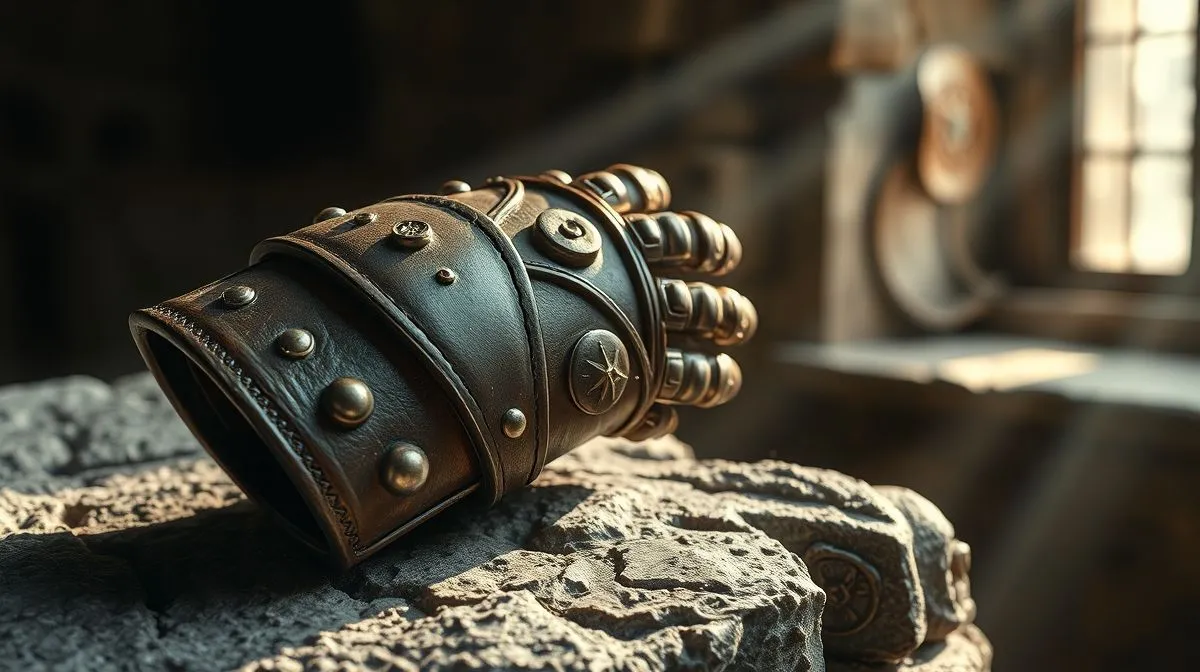
What Materials Are Best for Fantasy Costume Durability? Crafting Lasting Legends
Imagine this: you've poured countless hours, boundless creativity, and no small amount of resources into creating the perfect fantasy costume. It's a masterpiece, a true embodiment of your character. You step out, ready for adventure, only for a seam to tear, a buckle to snap, or armor to crack after just a few hours. Does this nightmare scenario sound familiar? It’s a common plight for cosplayers, LARPers, and performers alike.
The core problem isn't a lack of talent or vision; it's often an oversight in material selection. Many enthusiasts prioritize aesthetics or ease of use over the fundamental requirement for a costume designed for active wear: durability. Without the right foundational materials, even the most stunning designs are destined for a short, frustrating life.
This comprehensive guide will delve deep into the world of resilient costume creation. We will explore exactly what materials are best for fantasy costume durability, from the robust fabrics that form the base layers to the advanced synthetics and traditional elements that create lasting armor and intricate details. By the end of this reading, you'll be equipped with the knowledge to build costumes that not only look incredible but also withstand the rigors of any quest, convention, or battle.
Understanding Durability: More Than Just Strength
Before we dive into specific materials, it's crucial to understand what 'durability' truly means in the context of fantasy costumes. It's not merely about a material's tensile strength; it encompasses a range of properties that contribute to a costume's longevity and ability to withstand repeated use and environmental stressors.
Defining Costume Durability
Costume durability refers to a material's or a garment's ability to resist wear and tear, maintain its structural integrity, and retain its aesthetic appeal over time. This includes resistance to:
- Abrasion: The rubbing away of material by friction.
- Tearing: The ability to withstand forces that pull it apart.
- Puncturing: Resistance to sharp objects.
- Stretching/Deformation: Maintaining shape under stress.
- Environmental Factors: Resistance to moisture, UV light, temperature fluctuations, and dirt.
- Repeated Stress: How well it holds up to bending, flexing, and movement.
Factors Influencing Longevity
Beyond the inherent properties of a material, several other factors significantly impact a costume's lifespan:
- Construction Techniques: Strong seams, proper reinforcement, and appropriate hardware selection are vital.
- Usage Frequency and Intensity: A costume worn once for a photoshoot has different needs than one used weekly for LARP.
- Maintenance and Care: Regular cleaning, proper storage, and timely repairs extend life.
- Design Considerations: Avoiding designs with extreme stress points or delicate, exposed elements can prevent premature failure.
Understanding these interplay of factors is the first step towards creating truly enduring fantasy attire.
The Foundation: Resilient Fabrics for Garments
The base layers of any fantasy costume – tunics, cloaks, trousers, and dresses – are often the first to show wear. Choosing the right fabrics is paramount for the longevity of these essential components.
Heavy-Duty Natural Fibers: Canvas, Leather, and Wool
Natural fibers have been the backbone of durable garments for centuries, and for good reason. They offer a blend of strength, breathability, and often, a beautiful drape that synthetics struggle to replicate.
- Canvas: A plain-woven fabric, typically made of cotton or linen. Its tight weave and heavy weight make it incredibly resistant to tearing and abrasion. Ideal for outer garments, bags, and reinforced areas. Think of historical military uniforms or sturdy medieval tunics.
- Leather: Unparalleled in its strength, abrasion resistance, and ability to mold to the body over time. Full-grain and top-grain leathers are the most durable. Perfect for armor components, belts, straps, boots, and rugged outer layers. Leather requires specific care but can last for decades.
- Wool: Known for its warmth, natural water resistance, and excellent drape. Heavyweight wools, like melton or felted wool, are highly durable and resist wrinkling and tearing. It's an excellent choice for cloaks, heavy tunics, and historical garments.
- Heavy Linen: While lighter linen can be delicate, heavy linen offers good strength and breathability, making it suitable for underlayers or robust outer garments in warmer climates.
Synthetic Superstars: Cordura, Ripstop Nylon, and PVC
Modern synthetic fabrics bring advanced engineering to the table, offering properties that natural fibers often can't match, particularly in extreme conditions.
- Cordura: A brand of nylon fabric known for its exceptional resistance to abrasions, tears, and scuffs. It's widely used in military gear, outdoor equipment, and luggage. For costumes, Cordura is perfect for heavily stressed areas like knees, elbows, or for creating robust bags and pouches. Its textured surface can also be dyed or painted to resemble roughspun fabric or even worn leather. More information on its properties can be found via reputable textile science resources like Wikipedia's entry on Cordura.
- Ripstop Nylon/Polyester: Characterized by a special reinforcing technique that makes them resistant to tearing and ripping. If a tear does occur, it's less likely to spread. Lightweight yet strong, it's excellent for cloaks, flags, or areas where flexibility and tear resistance are key.
- PVC (Polyvinyl Chloride) Coated Fabrics: These fabrics, often polyester or nylon, are coated with PVC to make them waterproof and extremely durable. They have a distinct, often shiny, appearance but can be textured. Useful for armor underlays, rain-resistant cloaks, or creating a unique, almost futuristic fantasy aesthetic.
- Heavyweight Twills and Canvas Blends: Often, cotton or polyester blends are woven in a twill pattern (like denim) or a canvas weave, offering a good balance of durability, cost-effectiveness, and ease of care.
Weaving Techniques for Enhanced Durability
The way a fabric is woven significantly impacts its strength. Look for:
- Plain Weave: Simple and strong, like canvas.
- Twill Weave: Creates diagonal lines, making fabrics like denim very durable and resistant to wrinkling.
- Ripstop Weave: Incorporates thicker, stronger threads at regular intervals, preventing tears from spreading.
When selecting fabrics, always consider the intended use and the level of stress the garment will endure. A heavy, tightly woven material will almost always outperform a loosely woven, lightweight one for durability.
Armor Up: Materials for Protective Elements
Armor is a defining element of many fantasy costumes, providing both protection and visual impact. The choice of materials here directly dictates both realism and longevity.
Traditional Armor Materials: Leather, Metal, and Wood
For authentic medieval or historical fantasy looks, these materials are often preferred. Their durability is legendary, though they come with their own challenges.
- Leather (Hardened/Boiled): When treated, leather can become incredibly rigid and protective. Techniques like boiling or soaking in wax make it an excellent material for lightweight, yet durable, armor pieces such as bracers, greaves, or breastplates. It's relatively easy to work with for shaping and tooling, offering a great balance of protection and flexibility.
- Metal (Steel, Aluminum, Brass): The gold standard for historical armor. Steel offers unparalleled protection and a realistic clang, but it's heavy, requires specialized tools to work with, and is prone to rust. Aluminum is lighter but less protective and harder to shape into complex curves. Brass is often used for decorative accents. Metal armor, while supremely durable, demands significant skill in fabrication and maintenance.
- Wood: Less common for full armor sets, but excellent for shields, bucklers, or decorative elements. Plywood and hardwoods like oak or ash, when properly sealed and reinforced, can be surprisingly robust. It's relatively easy to cut and shape, making it accessible for many crafters.
Modern Synthetics for Lightweight Armor: EVA Foam and Worbla
For those seeking lighter, more comfortable, and often more accessible alternatives, modern synthetics have revolutionized costume armor.
- EVA Foam (Ethylene-vinyl acetate): This closed-cell foam is lightweight, flexible, and surprisingly durable when properly sealed and coated. It's easy to cut, heat-shape, and glue, making it a favorite for cosplayers. Its ability to absorb impact makes it comfortable to wear. While not as resistant to punctures as metal, its flexibility prevents cracking. For optimal durability, use higher density EVA foams and apply multiple layers of sealant and protective coatings. You can find detailed information on its material properties through chemical engineering resources or reputable material science databases.
- Worbla (Thermoplastic): A sheet thermoplastic that becomes moldable when heated. It's incredibly versatile for creating complex shapes, intricate details, and lightweight armor. Once cooled, it becomes rigid and durable. Worbla can be layered for extra strength and is highly resistant to impacts. It's often used in conjunction with EVA foam, where the foam provides the bulk and Worbla provides a hard, smooth outer shell.
- Plastazote (Closed-cell polyethylene foam): Similar to EVA foam but often lighter and with a smoother surface. It's great for detailed work and can be heat-shaped. Offers good durability for its weight.
Reinforcement Techniques for Armor Pieces
Regardless of the material, proper reinforcement is key to armor longevity:
- Layering: Multiple thin layers are often stronger and more flexible than a single thick one.
- Bonding Agents: Use strong, flexible glues (e.g., contact cement for foam, epoxy for metal joints).
- Edge Reinforcement: Edges are common failure points. Reinforce them with additional layers, binding, or a durable sealant.
- Internal Supports: Add internal struts or bracing, especially for large or curved pieces, to prevent warping or collapse.
- Surface Coatings: Sealants, primers, and durable paints (like flexible acrylics or rubberized coatings) protect the surface from abrasion, moisture, and UV damage.
The choice between traditional and modern materials often comes down to desired aesthetic, budget, and the level of physical activity the costume will endure. For active wear, the flexibility and lightweight nature of synthetics often make them superior in terms of long-term comfort and resilience.
The Devil is in the Details: Durable Embellishments and Fastenings
A costume's overall durability is often compromised not by the main fabric or armor, but by its smaller components: the threads, glues, buckles, and decorative elements. These are often the first points of failure.
Selecting Robust Adhesives and Threads
- Heavy-Duty Thread: Avoid standard polyester or cotton thread for high-stress seams. Opt for upholstery thread, nylon thread, or waxed linen thread. These are significantly stronger and more resistant to abrasion and snapping.
- Contact Cement: Essential for bonding EVA foam and other flexible materials. It creates a strong, flexible bond that moves with the material, preventing cracking.
- E6000 Adhesive: A versatile, industrial-strength adhesive that bonds a wide variety of materials (fabric, metal, plastic, wood). It remains flexible after curing, making it ideal for attaching embellishments that need to withstand movement.
- Epoxy: For rigid, permanent bonds between dissimilar materials like metal to plastic, or for filling gaps. Choose a strong, two-part epoxy.
- Fabric Glue/Adhesive Webbing: For non-structural fabric bonds or hemming, but not for load-bearing seams.
Hardware That Lasts: Buckles, Zippers, and Snaps
Cheap hardware will inevitably fail. Invest in quality components:
- Metal Buckles and D-Rings: Solid metal (steel, brass, or zinc alloy) buckles and D-rings are far superior to plastic ones for load-bearing straps. Look for cast or welded pieces over stamped or bent wire.
- Heavy-Duty Zippers: Opt for metal zippers or sturdy coil zippers, especially for closures on frequently used garments. YKK is a reputable brand known for quality.
- Snaps and Rivets: Use heavy-duty snaps (e.g., line 24 snaps) for secure closures. Rivets, especially double-cap rivets, are excellent for permanently attaching straps, buckles, or decorative elements to leather or thick fabric, distributing stress effectively.
- Grommets/Eyelets: Reinforce lace holes or points where straps pass through fabric to prevent tearing. Use metal grommets with a proper setting tool.
Weatherproofing and Sealing for Longevity
Protecting your costume from the elements is crucial for long-term durability:
- Fabric Sealants: Sprays that add a water-repellent layer to fabrics, protecting against moisture and stains.
- Leather Conditioners/Sealants: Keep leather supple and prevent cracking, while also offering water resistance.
- Plasti Dip/Flexbond: These are flexible rubberized coatings or water-based glues used to seal and protect foam armor, making it more resistant to scuffs, impacts, and moisture before painting. They create a durable, flexible skin.
- Clear Coats/Varnishes: After painting, apply a durable clear coat (matte, satin, or gloss) to protect the paint job from scratches, UV damage, and moisture.
Neglecting these smaller details can lead to catastrophic failure, even if your main costume components are robust. Attention to every fastening and embellishment is critical for overall resilience.
Maintenance and Storage: Extending Your Costume's Life
Even the most durable materials won't last if not properly cared for. Good maintenance and storage practices are as crucial as the initial material selection.
Cleaning and Care for Different Materials
- Fabrics: Always follow care labels if available. For custom costumes, test cleaning methods on a small, inconspicuous area first. Hand washing or spot cleaning is often safest for delicate or heavily embellished pieces. Air dry thoroughly to prevent mildew.
- Leather: Clean with specialized leather cleaners and condition regularly to prevent drying and cracking. Avoid harsh chemicals or excessive water.
- Foam/Worbla Armor: Wipe down with a damp cloth. Avoid harsh solvents that can damage paint or the material itself. For deeper cleaning, use mild soap and water.
- Metal: Clean and dry metal pieces thoroughly after use to prevent rust. For steel, apply a thin layer of oil (e.g., mineral oil) for long-term storage.
Proper Storage Techniques
How you store your costume between uses dramatically impacts its lifespan:
- Clean Before Storing: Never store a dirty or damp costume.
- Temperature and Humidity Control: Store in a cool, dry place to prevent mildew, material degradation, and warping. Avoid attics, basements, or garages with extreme temperature fluctuations.
- Proper Support: Hang heavy garments on sturdy, padded hangers to prevent stretching or deforming. Store armor pieces flat or on custom forms to maintain their shape.
- Breathable Covers: Use garment bags made of breathable fabric (like cotton or non-woven polypropylene) to protect from dust while allowing air circulation. Avoid plastic bags, which can trap moisture.
- Pest Control: Use cedar blocks or lavender sachets to deter moths and other pests, especially for natural fibers like wool and leather.
Repair and Reinforcement Strategies
Even with the best materials, accidents happen. Knowing how to repair and reinforce can save your costume:
- Proactive Reinforcement: Identify high-stress areas during construction (e.g., armpits, crotch seams, points where straps attach) and add extra layers of fabric, double stitching, or interfacing.
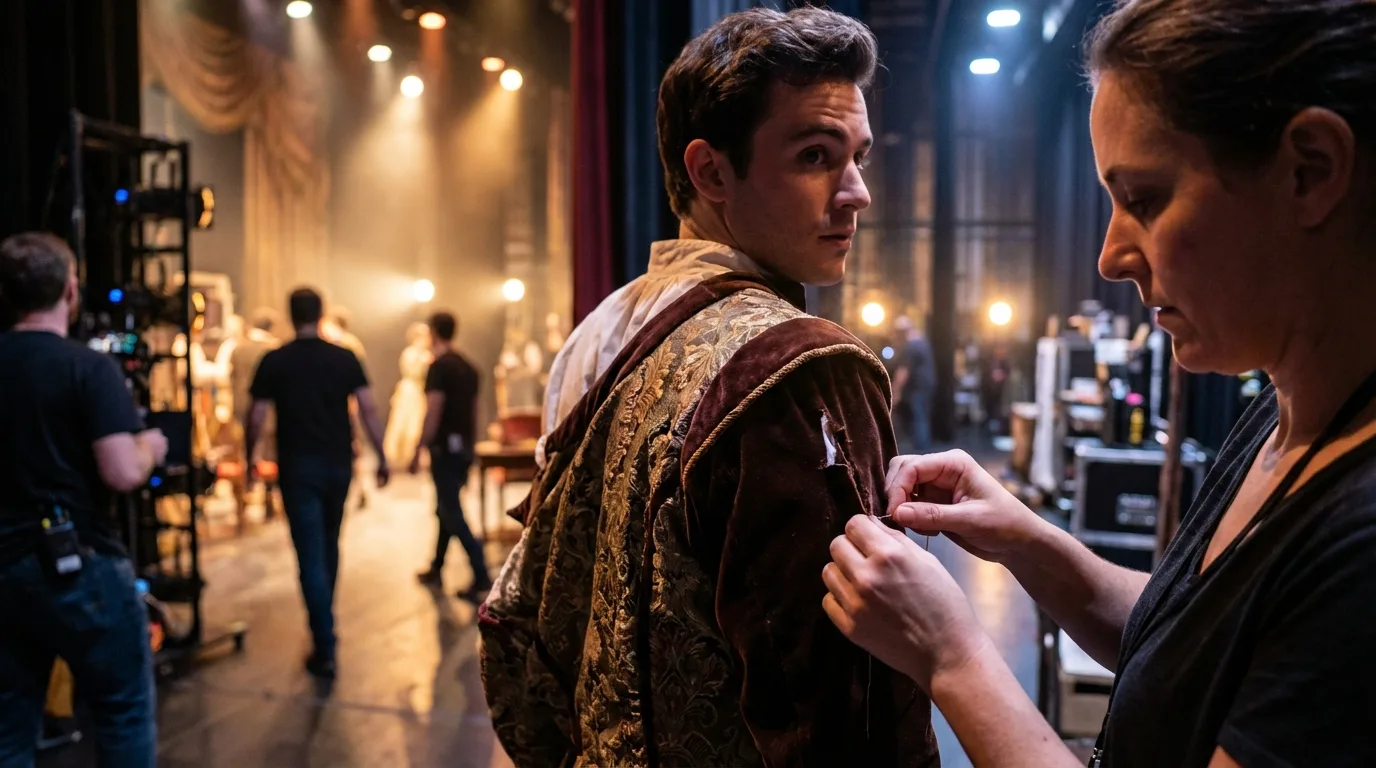
- Timely Repairs: Address small tears, loose seams, or failing hardware immediately before they become major problems.
- Patching: Use strong, matching fabric patches for tears. For armor, use matching material patches (e.g., EVA foam scraps) and re-seal.
- Hardware Replacement: Keep spare buckles, snaps, and rivets on hand for quick replacements.
Treating your costume with respect and proactive care is the simplest yet most effective way to ensure its long-term durability, protecting your investment of time and resources.
Common Pitfalls and How to Avoid Them
Even experienced crafters can fall prey to common mistakes that compromise costume durability. Being aware of these pitfalls can help you avoid them.
Underestimating Stress Points
A frequent error is failing to anticipate where a costume will experience the most strain. Areas like armholes, crotch seams, elbows, knees, and points where heavy props or armor attach are constantly under stress from movement. Using standard stitching or lightweight fabrics in these areas is a recipe for disaster. Always reinforce these zones with stronger materials, double or triple stitching, and appropriate hardware.
Ignoring Material Compatibility
Not all materials play well together. Using a rigid glue on a flexible fabric, or attaching a heavy metal piece directly to a delicate silk, will inevitably lead to failure. Ensure your adhesives, threads, and attachment methods are compatible with the specific properties of the materials you are joining. For example, contact cement is excellent for foam-to-foam bonds because it remains flexible, whereas a super glue might become brittle and crack.
Sacrificing Durability for Aesthetics (and Vice-Versa)
It's a constant balancing act. Sometimes, a beautiful, delicate fabric might be chosen for its drape, even if it's not practical for an active costume. Conversely, an overly stiff and durable material might sacrifice comfort and flow. The key is finding the right balance. Can a delicate outer layer be lined with a durable hidden layer? Can armor be made from lightweight EVA foam and then textured and painted to look like heavy metal? Smart design integrates both aesthetics and resilience.
Case Studies: Legendary Costumes and Their Material Choices
Examining how professional costume designers approach durability can provide invaluable insights. While specific material lists for film costumes are often proprietary, general principles can be observed.
Analyzing Iconic Fantasy Attire
Consider the costumes from major fantasy franchises like The Lord of the Rings or Game of Thrones. While designed for cinematic realism, many of these costumes were also built to withstand repeated takes, stunts, and the rigors of filming on location. They often employ:
- Layering: Multiple layers of different fabrics, often with a durable base (like canvas or heavy linen) under more decorative or delicate outer layers.
- Reinforced Leather: For most armor elements, especially those requiring flexibility, leather was extensively used, often hardened or layered for increased protection and longevity.
- Strategic Use of Synthetics: While natural materials dominated for authenticity, modern synthetics might have been subtly incorporated for specific properties like waterproofing or extreme durability in unseen areas.
- Heavy-Duty Hardware: Real metal buckles, rivets, and strong lacing were common, ensuring components stayed put during intense scenes.
Lessons from Professional Costume Designers
Leading costume designers often emphasize:
- Prototyping: Testing materials and construction methods on mock-ups before committing to the final piece.
- Understanding Movement: Designing with the actor's range of motion in mind, ensuring seams and materials don't restrict movement or tear under strain.
- Modular Construction: Breaking down complex costumes into smaller, more manageable, and easily repairable components.
- Quality Over Quantity: Investing in the best possible materials and hardware for key stress points, even if it means a higher upfront cost. This significantly reduces long-term maintenance and replacement.
The longevity of a costume, whether for film or personal use, is a testament to thoughtful planning, material science, and meticulous craftsmanship. By applying these professional insights, you can elevate your own costume projects.
Frequently Asked Questions (FAQ)
Is EVA foam really durable enough for active costumes like LARP? Yes, high-density EVA foam, when properly sealed with a flexible coating like Plasti Dip or Flexbond and then painted and clear-coated, can be surprisingly durable for LARP. It offers excellent impact absorption and flexibility, making it comfortable and resistant to cracking, though it's not as puncture-resistant as metal.
What's the best way to make a costume waterproof without losing aesthetic appeal? For fabrics, look for treated canvas or ripstop nylon, or use a fabric waterproofing spray. For armor, ensure all seams are sealed and apply multiple layers of flexible, waterproof sealants (like rubberized coatings or specific clear coats) over your paint. Remember that 'waterproof' isn't always 'breathable', so consider ventilation.
How can I make my costume seams stronger? Use heavy-duty thread (nylon, upholstery thread), increase stitch length slightly, and use reinforced seams like French seams, flat-felled seams, or double-stitched seams. Adding a fabric interlining or bias tape to stress points before sewing can also significantly boost seam strength.
Are natural fibers always less durable than synthetics? Not necessarily. While some synthetics like Cordura offer superior abrasion resistance, heavy-duty natural fibers like full-grain leather, canvas, and heavyweight wool can be incredibly durable and long-lasting, often outperforming many lighter synthetics. Their durability depends heavily on weave, thickness, and treatment.
What about costume accessories and props – do the same material rules apply? Absolutely. For props, consider materials like PVC pipe for internal structure, high-density foams (like XPS foam) for lightweight bulk, and durable coatings (e.g., epoxy resins, fiberglass, or even wood fillers) for a hard, protective shell. For accessories like pouches or belts, follow the same guidelines for fabrics and hardware as the main costume.
Recommended Reading
- Top Picks: Discover the Best Contemporary Urban Streetwear Brands Now!
- Eco-Friendly Kids Clothes: Last Longer & Save You Money!
- Fashion Campaign Photo Shoot Planning Tips: The Ultimate Guide
- Unlock the Secret: How to Make Unique Jewelry Designs Truly Stand Out
- Unlock the Secret: How to Identify Ethically Sourced Gemstone Jewelry
Conclusion
The journey to creating a truly durable fantasy costume is one of informed choices, meticulous craftsmanship, and a deep understanding of materials. By prioritizing resilience from the outset, by asking what materials are best for fantasy costume durability, you move beyond merely assembling components to engineering a piece of wearable art that can withstand the tests of time and adventure. From selecting the right robust fabrics and innovative armor materials to ensuring every seam and fastening is secure, each decision contributes to the overall longevity and performance of your creation. Embrace the challenge of building not just beautiful costumes, but lasting legends that can be worn, admired, and truly lived in for years to come.

Your email address will not be published. Required fields are marked *