

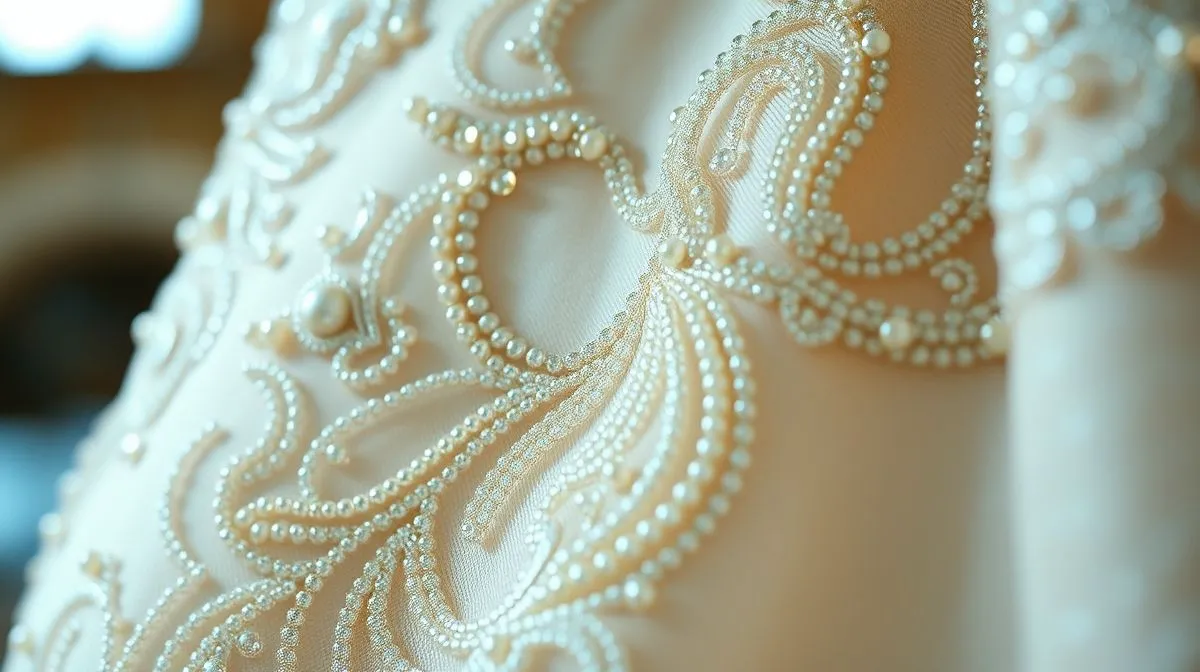
How are Intricate Embellishments Crafted in Haute Couture? Unveiling the Artistry
Have you ever marveled at a haute couture gown, perhaps one gracing a red carpet or shimmering under museum lights, and wondered about the breathtaking details that seem to defy gravity and imagination? These aren't just clothes; they are wearable art, and at their heart lies the magic of intricate embellishments.
The question isn't merely about decoration; it's about the profound dedication, skill, and time invested. But how, precisely, are these dazzling details – the delicate lacework, the shimmering beadwork, the exquisite embroidery – brought to life? What hidden ateliers and masterful hands transform raw materials into shimmering narratives?
This comprehensive guide will take you on an exclusive journey behind the atelier doors, revealing the secret techniques, the unparalleled skill, and the dedication required to craft the world's most luxurious and intricate embellishments in haute couture. Prepare to discover the true meaning of artisanal excellence, understanding the 'why' behind every stitch and sparkle.
The Philosophy of Embellishment in Haute Couture
In the realm of haute couture, embellishment transcends mere ornamentation. It is an integral part of the garment's narrative, its identity, and its soul. Each bead, each sequin, each thread is deliberately placed, contributing to a cohesive vision that tells a story.
More Than Decoration: A Narrative in Thread
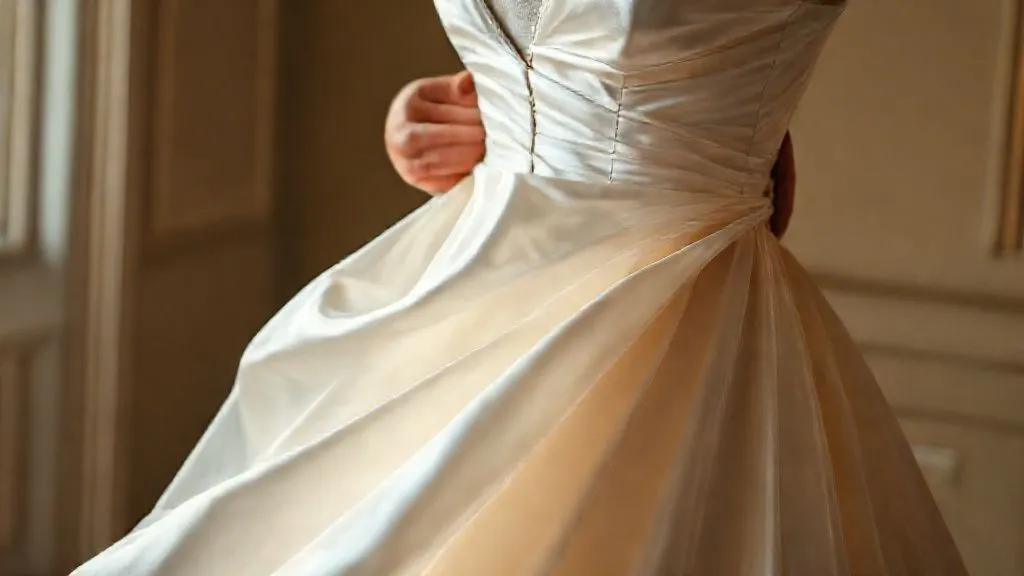
Haute couture pieces are not mass-produced; they are bespoke creations, often taking hundreds or even thousands of hours to complete. The embellishments are not an afterthought but are woven into the very design concept from the outset. They define the silhouette, add texture, create movement, and reflect the designer's artistic vision.
Consider the delicate interplay of light and shadow on a beaded surface, or the way a three-dimensional floral appliqué seems to bloom on the fabric. These elements are meticulously planned to evoke emotion and communicate a specific aesthetic, transforming fabric into a canvas for unparalleled artistry.
The Role of the “Petites Mains”
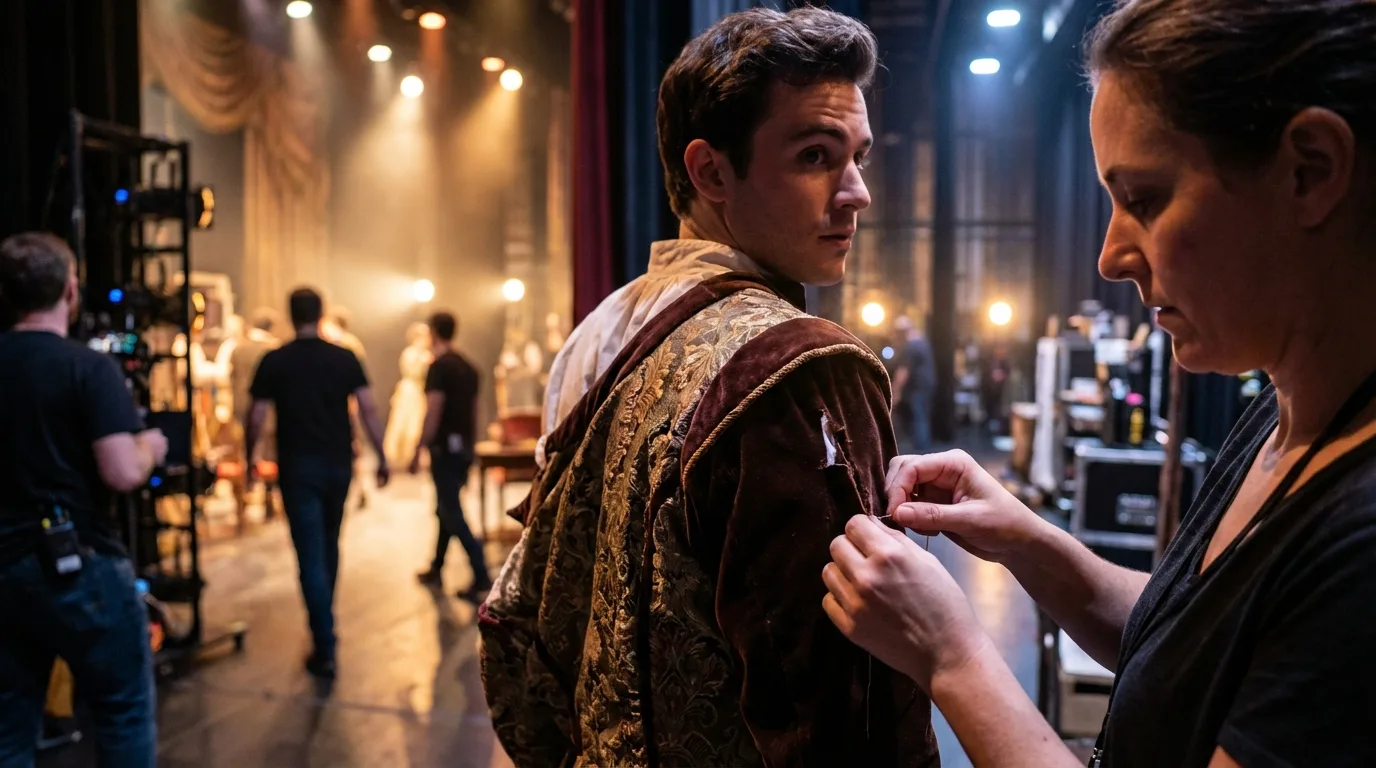
Behind every dazzling haute couture creation are the 'petites mains' – the highly skilled artisans whose hands execute the intricate designs. These specialized craftspeople are masters of their specific art, be it embroidery, feather work, or pleating. Their expertise is passed down through generations, often within specialized ateliers that serve multiple couture houses.
The synergy between the designer's vision and the 'petites mains'' technical prowess is what elevates haute couture to its legendary status. It's a collaborative dance where precision meets artistic interpretation, ensuring every detail is executed to perfection.
Fundamental Techniques: The Pillars of Couture Embellishment
The creation of intricate embellishments in haute couture relies on a repertoire of highly specialized, often centuries-old, techniques. These methods are labor-intensive, demanding immense patience, precision, and an unwavering eye for detail.
Embroidery: The Soul of Haute Couture
Embroidery is arguably the most iconic form of embellishment in haute couture, ranging from subtle textural effects to elaborate, three-dimensional tableaux. It requires mastery of various stitches and an understanding of how different threads and materials interact with fabric.
Lunéville Hook Embroidery (Tambour)
This technique, originating from Lunéville, France, is a cornerstone of couture embroidery. It involves using a small hook, similar to a crochet hook, to apply beads, sequins, and various threads to the reverse side of the fabric, which is stretched taut on a frame. The artisan works quickly and precisely, creating intricate patterns with remarkable speed once mastered.
- Efficiency: Allows for faster application of multiple elements compared to needlework.
- Versatility: Can attach a wide array of materials, from tiny seed beads to large paillettes.
- Precision: Despite its speed, it offers incredible control over placement.
Needle Embroidery (Aiguille)
Traditional needle embroidery, while slower than tambour, offers unparalleled control over individual stitches and the ability to create highly textured and sculptural effects. It's used for delicate details, goldwork, silk shading, and three-dimensional elements.
- Detail: Ideal for fine lines, intricate motifs, and precise color blending.
- Texture: Can build up rich, tactile surfaces using various threads and stitches.
- Strength: Often used for structural embroidery or elements requiring extra durability.
Beadwork and Sequin Application: Shimmering Masterpieces
The application of beads and sequins adds unparalleled sparkle, texture, and movement to couture garments. This is where a garment truly comes alive, catching the light with every subtle motion.
Traditional Hand Beading
Each bead, whether it's a tiny seed bead, a shimmering bugle bead, or a lustrous pearl, is often individually hand-sewn onto the fabric. This ensures maximum security and allows for precise placement to create complex patterns, gradients, and three-dimensional effects.
The choice of bead – its size, shape, finish, and material – is crucial. Artisans might use antique beads, custom-dyed glass beads, or even precious stones, each contributing to the garment's unique character and value.
Couture Sequin Techniques
Sequins are applied in various ways, from overlapping scales that create a fish-like shimmer to individual, flat applications that form geometric patterns. The direction of the sequins, the thread used, and the stitch type all influence the final effect, from subtle shimmer to dazzling reflectivity.
Often, sequins are hand-dyed or custom-made to match specific design requirements, adding another layer of bespoke luxury to the garment. The way they catch and reflect light is a key element in the visual impact of a couture piece.
Appliqué and Inlay: Building Layers of Beauty
Appliqué involves attaching pieces of fabric or other materials onto a base fabric to create patterns or images. Inlay, a more intricate technique, involves cutting shapes from one fabric and fitting them precisely into corresponding cut-outs in another, creating a seamless, integrated design.
These techniques add depth, contrast, and sculptural quality. They can incorporate lace, leather, exotic skins, or even feathers, meticulously sewn or bonded into place to form exquisite motifs.
Feather Work and Floral Artistry: Organic Opulence
The creation of feather embellishments and fabric flowers is a highly specialized craft. Feathers are individually selected, trimmed, curled, and meticulously applied, often one by one, to create voluminous, ethereal, or dramatic effects. Similarly, fabric flowers are handcrafted from silk, satin, or organza, with each petal carefully cut, shaped, and assembled to mimic natural blooms.
These organic elements bring a sense of life and movement to the garment, often requiring hundreds of hours of delicate work to achieve their stunning realism and fluidity.
The Journey of an Embellishment: From Concept to Couture
The process of creating intricate embellishments in haute couture is a long and arduous journey, steeped in tradition and precision. It begins long before any needle touches fabric.
Inspiration and Design Conception
Every haute couture collection starts with a profound source of inspiration – a historical period, an artistic movement, a natural phenomenon, or a personal narrative. This inspiration guides the designer in sketching the initial concepts, where the role of embellishment is often envisioned from the very first stroke.
Designers work closely with the atelier heads to translate these ethereal visions into tangible patterns, specifying not just the silhouette but also the types, placement, and density of the desired embellishments. This collaborative process ensures that the embellishments are harmonious with the garment's overall structure and flow.
Material Sourcing and Selection
Only the finest and often rarest materials are used in haute couture. This includes silks, satins, velvets, and laces, but also an extraordinary array of embellishment components: antique beads, Swarovski crystals, natural pearls, delicate feathers, precious metals, and even exotic leathers. Sourcing these materials can be a global endeavor, prioritizing quality, ethical origin, and unique characteristics.
For instance, the renowned Maison Lesage, a part of Chanel's Métiers d'Art, is famous for its vast archives of beads, threads, and samples, allowing designers access to an unparalleled palette for their creations. Their expertise in material handling is crucial to how are intricate embellishments crafted in haute couture.
The Meticulous Crafting Process
Once materials are sourced and designs finalized, the painstaking handcrafting begins. The fabric is often stretched onto a frame, and the design is meticulously traced onto it. Then, the artisans, often working in teams, begin the slow, precise work of applying each element by hand. This can involve:
- Hundreds to Thousands of Hours: A single embellished gown can take anywhere from 300 to over 3,000 hours of labor.
- Multiple Artisans: Different specialists might work on different sections or types of embellishments on the same garment.
- Constant Communication: Regular fittings and consultations with the designer ensure the embellishments evolve perfectly with the garment's fit and drape.
- Quality Control: Every stitch, every bead, every feather is inspected for perfection. Imperfections are simply not tolerated.
Specialized Tools and Materials: Precision and Purity
The creation of haute couture embellishments relies on a combination of traditional tools, some of which have remained unchanged for centuries, and an exquisite array of materials, chosen for their beauty, rarity, and ability to transform.
Essential Hand Tools
The tools of the couturier's embellishment trade are deceptively simple, yet in the hands of a master, they become instruments of extraordinary precision:
- Lunéville Hook (Tambour Hook): The signature tool for tambour embroidery, featuring a tiny hook for catching threads and beads.
- Fine Needles: A variety of ultra-fine needles for delicate beadwork, silk embroidery, and intricate appliqué.
- Embroidery Frames: Large wooden frames to stretch fabric taut, essential for uniform tension and precise stitching.
- Precision Tweezers and Scissors: For handling tiny elements and making precise cuts.
- Magnifying Lamps: To aid visibility of minute details, crucial for long hours of intricate work.
Exotic and Precious Materials
The choice of materials is paramount, dictating the garment's ultimate texture, shimmer, and luxury. Beyond traditional threads and beads, couture embellishments often feature:
- Semi-Precious Stones and Crystals: For unparalleled sparkle and depth.
- Natural Pearls: From freshwater to South Sea, valued for their luster and unique imperfections.
- Antique and Vintage Beads: Sourced for their unique character and historical charm.
- Exotic Feathers: Ostrich, peacock, marabou, and more, carefully prepared and applied.
- Metallic Threads: Gold, silver, and copper threads, often real, for luxurious embroidery.
- Hand-Dyed Silks and Laces: Custom-colored to achieve specific tonal effects.
The combination of these exquisite materials with the unparalleled skill of the artisans truly answers the question of how are intricate embellishments crafted in haute couture, making each piece a testament to luxury and artistry.
Challenges and Innovations in Modern Couture Embellishment
While deeply rooted in tradition, the world of haute couture embellishment is not static. It faces contemporary challenges and embraces subtle innovations to remain relevant and sustainable.
Preserving Traditional Skills
One of the biggest challenges is the transmission of these highly specialized skills to new generations. Many couture techniques are not taught in conventional fashion schools but are learned through apprenticeships in the ateliers. Ensuring the continuity of this intangible heritage is vital for the future of haute couture.
Institutions like the École Lesage, associated with the embroidery house, play a crucial role in training new artisans, preserving these invaluable 'savoir-faire' for future collections.
Embracing Sustainable Practices
The haute couture industry, known for its exclusivity, is increasingly aware of its environmental footprint. While intrinsically sustainable due to its made-to-order nature and longevity, there's a growing movement towards sourcing ethical materials and reducing waste.
This includes using recycled materials, upcycled vintage components, and exploring innovative, eco-friendly embellishment alternatives without compromising on luxury or aesthetic appeal. Some designers even repurpose antique textiles and embellishments, giving them new life.
The Future of Handcraft in a Digital Age
Despite the rise of digital design and 3D printing, the essence of haute couture remains in the human hand. Technology might aid in design visualization or pattern making, but the tactile, nuanced work of embellishment remains stubbornly analog. The future will likely see a harmonious blend, where technology assists but never replaces the irreplaceable human touch and skill that defines true couture.
Why Intricate Embellishments Define Haute Couture's Legacy
The painstaking creation of intricate embellishments is not merely a technical feat; it is the very essence of what distinguishes haute couture from all other forms of fashion. These details speak volumes about exclusivity, artistry, and enduring value.
Exclusivity and Uniqueness
Each haute couture garment is a unique masterpiece, often made for a specific client. The hand-applied embellishments ensure that no two pieces are ever exactly identical, even if based on the same design. This inherent uniqueness is a core tenet of luxury, providing a level of personalization and rarity unmatched by ready-to-wear.
The sheer time and skill invested mean that these pieces are incredibly limited, making them highly coveted and truly exclusive. They are not merely clothes; they are collector's items, art pieces.
Artistic Expression and Storytelling
Embellishments allow designers an unparalleled canvas for artistic expression. They can convey emotion, create illusions, and weave complex narratives directly onto the fabric. From a cascade of embroidered flowers that evoke a secret garden to a constellation of meticulously placed crystals that mirror the night sky, these details transform garments into moving sculptures.
The embellishments are often the most memorable aspect of a couture garment, leaving a lasting impression and communicating the designer's vision in the most exquisite way possible. They are the details that linger in the mind long after the runway show is over.
The Enduring Value of Handcraft
In an increasingly automated world, the value of handcraft continues to rise. Haute couture, with its emphasis on artisanal skill and meticulous hand-embellishment, stands as a testament to the enduring power and beauty of human artistry. These garments are built to last, often becoming heirlooms or museum pieces.
The investment in time, skill, and precious materials means that haute couture pieces retain their value, often appreciating over time. They are not subject to fleeting trends but represent timeless elegance and the pinnacle of creative craftsmanship. For more insight into the history and definition of this unique fashion segment, explore its Wikipedia page on Haute Couture.
Frequently Asked Questions (FAQ)
How long does it take to create haute couture embellishments? The time required varies greatly depending on the complexity and density of the embellishments. A single haute couture gown with extensive hand-embellishment can take anywhere from 300 to over 3,000 hours of dedicated artisan work.
What are the most common types of embellishments used in haute couture? The most common and celebrated types include intricate hand embroidery (both tambour and needlework), beadwork, sequin application, appliqué, feather work, and the creation of three-dimensional fabric flowers.
Are all haute couture garments hand-embellished? While not every single square inch of every couture garment is embellished, the vast majority feature significant hand-applied details. The hallmark of haute couture is its artisanal, handmade nature, and embellishments are a key part of this identity.
Can anyone learn these intricate embellishment techniques? While challenging, these techniques can be learned. Many specialized schools and ateliers offer courses. However, true mastery often requires years of dedicated practice and apprenticeship, as seen with the artisans at renowned houses like Maison Lesage.
What is the difference between couture and ready-to-wear embellishments? Couture embellishments are almost entirely hand-applied, bespoke, and often integrate rare or custom-made materials. Ready-to-wear embellishments, while sometimes elaborate, are typically machine-applied or feature less labor-intensive techniques, designed for mass production and lower cost. The level of detail and perfection in couture is unparalleled, as showcased in collections at institutions like The Metropolitan Museum of Art's Costume Institute.
Recommended Reading
- Unlock the Future: Can Robots Slash Waste in Fashion Manufacturing?
- Unlock the Secret: How to Prevent Platinum Jewelry from Scratching Easily
- The Ultimate Men's Capsule Wardrobe for Travel: Pack Light & Right!
- Unlock Style & Comfort: Adapting Fashion Footwear for Comfortable Orthotic Use
- Find Your Perfect Hat: The Ultimate Guide to Choosing the Right Style for Your Face Shape
Conclusion
The question of how are intricate embellishments crafted in haute couture leads us down a fascinating path, revealing a world where time-honored techniques, unparalleled skill, and boundless creativity converge. From the delicate dance of the Lunéville hook to the painstaking application of each individual feather, every detail is a testament to the human hand's capacity for beauty and precision. These embellishments are not mere adornments; they are the heart of haute couture, imbuing each garment with a unique narrative, a sense of exclusivity, and an enduring legacy of artistry. As we appreciate these magnificent creations, we gain a deeper understanding of the dedication and passion that truly defines the pinnacle of fashion.


Your email address will not be published. Required fields are marked *