

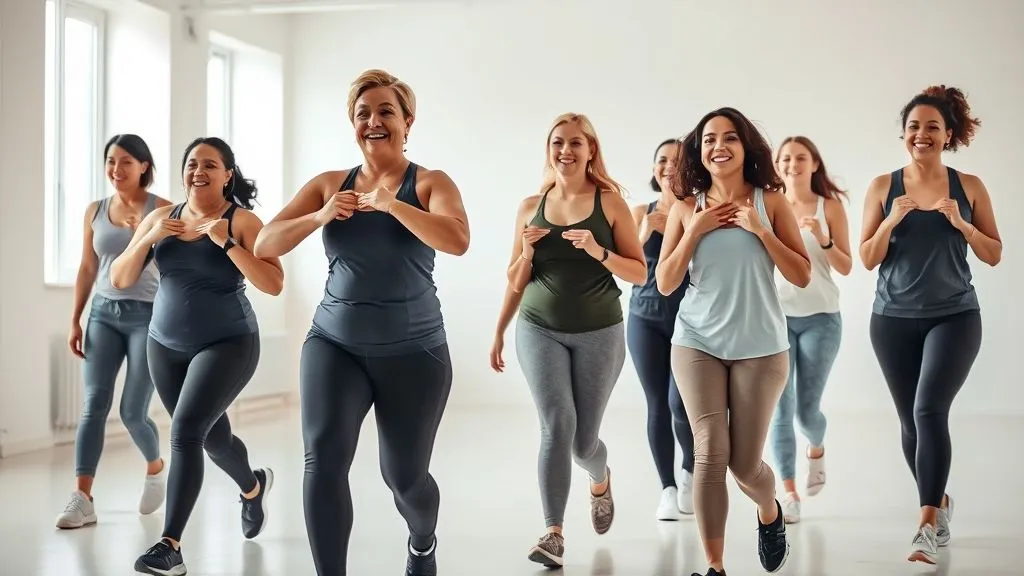
How to Create Inclusive Activewear Sizing for Diverse Body Types?
For over two decades immersed in the dynamic world of fashion, specifically activewear, I've witnessed a persistent and often heartbreaking challenge: the industry's historical failure to genuinely embrace diverse body types. I’ve seen countless brands, despite good intentions, fall short by simply "extending" their existing size charts, rather than fundamentally rethinking their approach. This isn't just a missed market opportunity; it's a profound ethical oversight that alienates a significant portion of consumers who deserve to feel confident and comfortable in their fitness journey.
The modern consumer, increasingly aware and vocal, demands more than just aesthetic appeal; they seek genuine comfort, functional performance, and, crucially, a sense of belonging. Activewear is meant to empower movement, yet for many, the struggle to find well-fitting garments becomes a barrier to participation. This disconnect between industry practice and consumer need is a critical pain point, leading to frustration, reduced brand loyalty, and a perception of exclusivity rather than inclusivity.
This isn't just about adding a few sizes; it's about a paradigm shift. In this definitive guide, I'll share the strategic framework and actionable insights I've developed over years of consulting with leading activewear brands. We'll explore how to move beyond conventional sizing, leverage data, innovate design, and foster a truly inclusive brand ethos that celebrates every body. By the end, you'll have a clear roadmap on how to create inclusive activewear sizing for diverse body types that genuinely serves and empowers all your customers.
1. Beyond the Mannequin: Deconstructing Standard Sizing Assumptions
My first piece of advice to any brand looking to truly innovate in sizing is this: challenge every assumption you hold about the 'average' body. The traditional sizing models, often based on outdated anthropometric data from specific populations, are fundamentally flawed for today's diverse global market. We're not just talking about height and weight; we're talking about proportions, muscle distribution, bone structure, and how these vary across demographics and activities.
In my experience, many brands still rely heavily on a single fit model, typically a 'size medium,' and then grade up or down linearly. This approach is a recipe for disaster when moving into extended sizes. A size XL isn't just a larger version of a size S; the body shape changes, the distribution of volume shifts, and the ergonomic needs are entirely different. This is where the concept of "fit blocks" becomes crucial – developing distinct foundational patterns for different body categories, rather than a single linear progression.
"Inclusive sizing isn't about fitting more bodies into existing molds; it's about creating new molds that honor the diversity of human form."
We need to acknowledge that bodies are dynamic. Pregnancy, post-partum changes, athletic development, and age all impact body shape. A truly inclusive approach considers these life stages and variations, offering solutions that adapt or provide specific options rather than a one-size-fits-all fallacy. This demands a deeper level of empathy and scientific rigor than traditional methods.
2. The Foundation: Data-Driven Body Mapping and Research
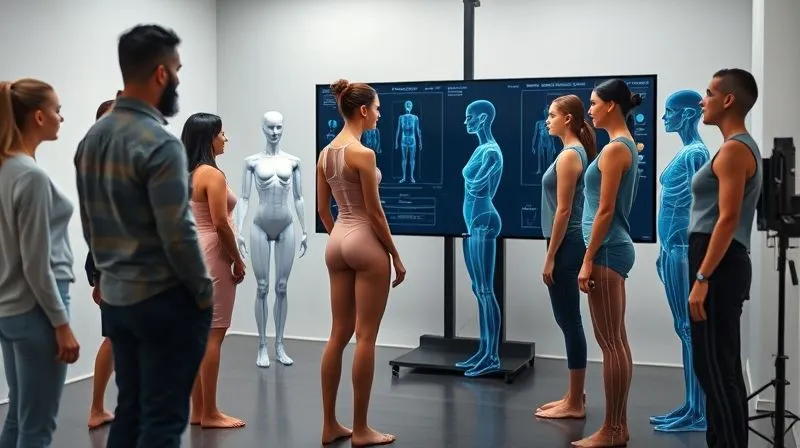
To truly understand diverse body types, you must gather diverse data. This goes far beyond generic demographic statistics. I advocate for a multi-pronged approach to anthropometric research that combines both qualitative and quantitative methods. Forget about the handful of fit models; you need a statistically significant sample that reflects the diversity of your target market.
Here’s how I guide brands through this crucial initial phase:
- 3D Body Scanning Technology: Invest in or partner with services that offer 3D body scanning. This provides incredibly precise measurements of thousands of data points, capturing true body shapes and volumes, not just circumferences. It allows for detailed analysis of posture, limb length ratios, and circumference-to-length ratios that are often overlooked.
- Diverse User Panels: Recruit a diverse panel of testers representing a wide range of body types, ages, and ethnicities. Conduct in-depth interviews and focus groups. Ask about their biggest fit frustrations, their ideal activewear experiences, and what makes them feel truly comfortable and supported.
- Existing Market Analysis: Study what competitors are doing right and, more importantly, where they are failing. Look at customer reviews, social media discussions, and return data. High return rates due to fit issues are a clear indicator of unmet sizing needs.
- Activity-Specific Data: Different activities demand different fits. A yoga legging needs maximum flexibility and a second-skin feel, while a running short needs breathability and minimal chafing. Collect data on body movements during these activities to understand where fabrics stretch, where seams chafe, and where support is most needed.
According to a recent report by Deloitte, consumers are increasingly prioritizing personalized experiences, with 75% expecting brands to understand their individual needs. This extends directly to sizing. By leveraging robust data, you move from guesswork to informed design decisions.
3. Developing a Truly Inclusive Sizing Methodology
Once you have the data, the real work of developing a new sizing methodology begins. This is where expertise in pattern making, garment technology, and an understanding of human kinetics converge. I advocate for a multi-tier sizing system rather than a single, linear chart.
The Multi-Tier Sizing Approach:
- Core Sizing (XS-XL): This covers the traditional range but is built upon updated anthropometric data.
- Extended Sizing (1X-5X+): This tier is not just a scaled-up version of core sizing. It uses distinct fit blocks developed from the specific body mapping data of larger body types. This means different waist-to-hip ratios, thigh circumferences, and bust proportions are accounted for.
- Petite/Tall Sizing: Addresses specific length adjustments for shorter or taller individuals, ensuring optimal rise, inseam, and sleeve lengths without compromising overall fit.
- Adaptive Sizing (Optional but Recommended): For brands committed to maximum inclusivity, this tier considers needs for individuals with disabilities, offering features like magnetic closures, adjustable waistbands, or accessible openings.
A key concept here is "grade rules". Instead of uniform grading, inclusive sizing employs variable grade rules. This means the increment between sizes might be larger or smaller in specific areas (e.g., a larger jump in hip circumference for plus-sizes, but a smaller jump in shoulder width). This nuanced approach ensures that each size genuinely fits the body type it's intended for, rather than creating awkward gaps or excessive fabric.
| Sizing Tier | Key Consideration | Grading Strategy |
|---|---|---|
| Core (XS-XL) | Updated anthropometrics, standard proportions | Variable, non-linear grading |
| Extended (1X-5X+) | Distinct fit blocks, unique body proportions | Specific grade rules for plus-size bodies |
| Petite/Tall | Length adjustments for torso, limbs | Length-focused, minimal width changes |
| Adaptive | Functional accessibility for disabilities | Design for ease of wear, adjustable features |
4. Design Principles for Diverse Body Types: Beyond the Mannequin
Sizing is only one piece of the puzzle; design plays an equally critical role. When designing for diverse body types, the objective isn't to hide or minimize, but to celebrate and support. This requires a shift in design philosophy.
Key Design Principles:
- Strategic Seam Placement: Seams are not just structural; they can sculpt and support. For larger busts, strategic seaming can offer lift without constriction. For wider hips, curved seams can enhance natural shape rather than pulling or gapping. Avoid seams in high-friction areas.
- Adequate Coverage and Support: Activewear should inspire confidence. This means ensuring leggings aren't sheer when stretched, sports bras offer genuine support for all bust sizes, and waistbands stay put without rolling down or digging in.
- Consideration of Gapping and Rolling: These are common fit complaints. For example, a common issue for curvier bodies is waistband gapping at the back or rolling down during activity. Design solutions include contoured waistbands, wider elastic, or internal drawstrings.
- Proportionate Design Elements: Pockets, logos, and design lines must be scaled appropriately for each size range. A small pocket that looks proportional on an XS garment might appear tiny and out of place on a 3X garment, disrupting the aesthetic and functionality.
Case Study: Zenith Athletics' Inclusive Legging Line
Zenith Athletics, a mid-sized activewear brand, initially struggled with high return rates on their leggings for sizes above XL. Their customers reported gapping at the waist, sheerness, and discomfort during high-intensity workouts. Following my recommendations, Zenith implemented a new design strategy. They developed separate fit blocks for their extended sizes, focusing on a contoured waistband with a wider elastic, redesigned the gusset for improved flexibility and reduced sheerness, and strategically placed compression zones. This resulted in a 40% reduction in returns for their extended size range within six months and a significant boost in positive customer reviews, directly demonstrating the impact of thoughtful design combined with robust sizing.
5. Material Innovation and Ergonomics for Universal Fit
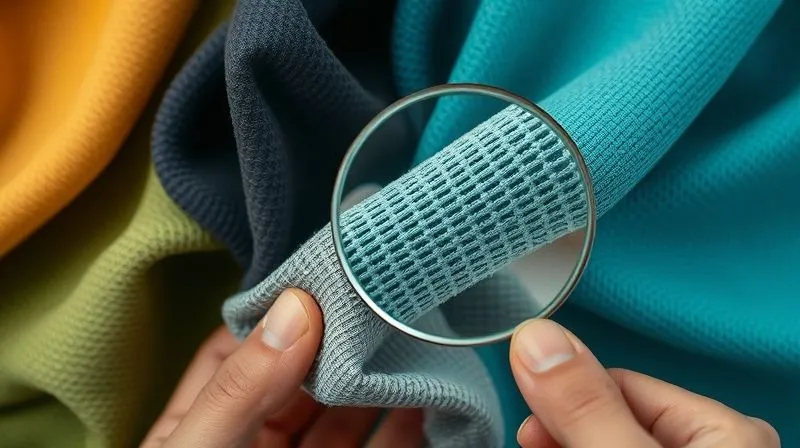
The choice of fabric and its inherent properties are paramount in achieving inclusive fit. It's not just about stretch; it's about recovery, breathability, compression, and drape. I always tell my clients, the best pattern in the world can be undermined by the wrong fabric.
- Four-Way Stretch with Excellent Recovery: This is non-negotiable. Fabrics must stretch in all directions to accommodate movement, but critically, they must recover to their original shape without bagging or losing support. High-quality spandex or elastane blends are essential.
- Targeted Compression: Different body parts benefit from different levels of compression. For example, a higher compression fabric in the thighs and glutes can offer support and sculpting, while a lighter compression in the waist or calves can enhance comfort. This requires thoughtful fabric mapping within the garment.
- Moisture-Wicking and Breathability: Regardless of body size, activewear needs to manage sweat and regulate temperature. Inclusive design means ensuring these properties are effective across all fabric tensions and garment sizes.
- Softness and Hand Feel: Comfort is key. Fabrics should feel pleasant against the skin, especially in areas of high friction or sensitivity. Chafing is a significant concern for many, and the right fabric can mitigate this.
Ergonomics plays a massive role here. It's the science of designing products to optimize human well-being and overall system performance. For activewear, this means designing garments that move with the body, not against it, reducing restrictive pressure points and enhancing natural motion. This is particularly crucial for larger bodies where friction points and pressure areas can be more pronounced.
6. The Critical Role of User Feedback and Iteration
No matter how much data you collect or how expertly you design, the process of creating truly inclusive activewear is inherently iterative. You must listen to your customers, test, learn, and refine. This continuous feedback loop is what separates good brands from great ones.
- Diverse Fit Testing: Beyond your initial research panel, establish an ongoing fit testing program. Send out prototypes to real customers of various sizes and solicit their detailed feedback. Use structured surveys that ask about comfort, movement, support, and aesthetic appeal.
- Wear Testing: Have testers wear garments during actual workouts or activities they are designed for. This reveals performance issues that static fit sessions might miss, such as fabric rolling, chafing, or loss of support during dynamic movement.
- Focus Groups and Forums: Create dedicated online or in-person forums where customers can share their experiences, positive and negative. This qualitative data is invaluable for understanding the emotional impact of your designs.
- Leverage Return Data: Analyze return reasons diligently. If a specific size or style consistently comes back due to "poor fit," "too tight," or "too loose," it's a clear signal that your sizing or design needs adjustment. This is a goldmine of actionable information.
As Seth Godin often emphasizes, "The only way to be indispensable is to be different." In the activewear space, being different means genuinely serving the underserved, and that requires an unwavering commitment to understanding and responding to their needs through continuous feedback. This iterative process builds immense trust and loyalty.
Harvard Business Review often highlights the importance of customer feedback loops in fostering innovation and customer loyalty. This principle is especially vital when tackling complex issues like inclusive sizing.
7. Marketing and Communication: Authenticity in Inclusive Sizing
You can create the most inclusively sized activewear in the world, but if your marketing doesn't reflect that commitment, you've missed a vital step. Authenticity is paramount. Consumers are highly attuned to performative inclusivity; they want to see genuine representation.
- Diverse Model Representation: Feature models of all sizes, ages, ethnicities, and abilities in your campaigns. Show them actively moving, smiling, and genuinely comfortable in your garments. Avoid tokenism – it should feel natural and integrated, not forced.
- Transparent Sizing Guides: Provide clear, detailed sizing charts that go beyond basic measurements. Include guides on how to measure oneself accurately, provide advice on choosing between sizes, and even offer fit quizzes or virtual try-on tools if possible.
- Customer Testimonials and User-Generated Content: Encourage customers to share their experiences and photos. Real people in real activewear are incredibly powerful. This builds social proof and trust.
- Educate Your Customer Service Team: Ensure your customer service representatives are highly knowledgeable about your sizing methodology, fabric properties, and design features for different body types. They are often the first point of contact for fit-related questions and can be crucial in building confidence.
My advice is always to be proactive, not reactive. Don't wait for complaints; anticipate needs. Communicate your brand's philosophy and your journey towards inclusivity clearly and consistently across all touchpoints. This commitment to transparency and genuine representation is a powerful differentiator in a crowded market.
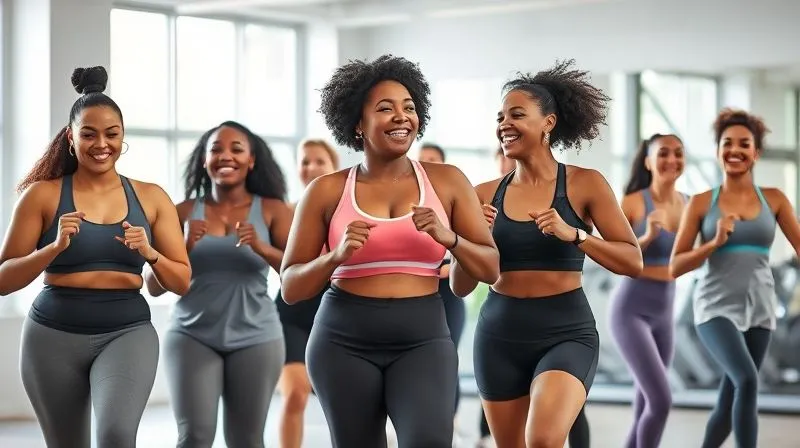
8. Overcoming Implementation Challenges & Future Trends
Implementing a truly inclusive sizing strategy isn't without its challenges. It requires significant investment in research, design, production, and marketing. But the long-term benefits – increased market share, enhanced brand loyalty, and a stronger brand reputation – far outweigh the initial hurdles. I often encounter resistance due to perceived complexity or cost, but I always remind brands that the cost of not being inclusive is far higher in today's market.
Some common challenges and how to address them:
- Increased SKU Count: Yes, offering more sizes means more SKUs. This requires robust inventory management and demand forecasting. However, optimizing your core offering and strategically expanding new sizes based on data can mitigate this.
- Production Complexity: Different fit blocks and variable grading can complicate manufacturing. Partner with manufacturers who have expertise in extended sizing and are willing to adapt their processes.
- Initial Investment: The upfront cost for 3D scanning, extensive fit testing, and pattern development can be substantial. View this as a strategic investment in your brand's future and market positioning.
Looking ahead, I see several exciting trends shaping the future of inclusive activewear:
- AI and Machine Learning for Fit Prediction: Advanced algorithms will increasingly help consumers find their perfect size by analyzing personal measurements, body shape data, and even previous purchase behavior.
- Customization and Made-to-Order: While not scalable for mass production yet, on-demand manufacturing and customization options will grow, allowing individuals to get garments tailored precisely to their unique body.
- Sustainable Inclusivity: The intersection of ethical production, sustainable materials, and inclusive sizing will become a hallmark of leading brands.
The journey to truly inclusive activewear is continuous, but it is a journey worth taking. It's an investment in your customers, your brand, and the broader activewear community.
McKinsey & Company regularly publishes insights on the future of fashion, emphasizing the growing importance of sustainability and personalized customer experiences, both of which are deeply intertwined with inclusive sizing.
Forbes also offers valuable perspectives on the strong business case for inclusive design across various industries, reinforcing the strategic importance of this approach.
Frequently Asked Questions (FAQ)
Q: How do I convince my company's leadership to invest in inclusive sizing when it seems costly? A: I've found that presenting a clear business case is essential. Focus on market opportunity (untapped segments), reduced return rates (cost savings), enhanced brand loyalty, and improved brand reputation. Use competitor analysis to show who's winning by being inclusive and who's losing by ignoring it. Frame it as a strategic investment in future growth and relevance, not just an expense.
Q: What's the biggest mistake brands make when trying to implement inclusive sizing? A: The single biggest mistake is simply scaling existing patterns up or down linearly without re-evaluating fit blocks or design principles. This leads to garments that are technically larger but fundamentally ill-fitting, creating more frustration for consumers and ultimately failing to achieve true inclusivity. It shows a lack of understanding of diverse body mechanics.
Q: How can smaller brands with limited resources approach inclusive sizing? A: Start strategically. Focus on one or two key categories (e.g., leggings and sports bras) and expand their size ranges using a data-driven approach. Partner with external pattern makers or consultants specializing in inclusive sizing. Leverage customer feedback intensely and build a community around your inclusive mission. You don't need a huge budget to be thoughtful and committed.
Q: Is gender-neutral sizing part of inclusive activewear? A: Absolutely. While not always applicable to every garment (e.g., sports bras), many activewear pieces like hoodies, joggers, and certain tops can be designed with a gender-neutral fit in mind. This involves designing for broader body types, considering less restrictive cuts, and focusing on functional elements over traditionally gendered aesthetics. It's about broadening appeal and embracing identity beyond binary norms.
Q: How can I ensure my brand avoids "tokenism" in its inclusive marketing efforts? A: Authenticity stems from genuine commitment, not just surface-level representation. Ensure diversity is embedded in your internal teams, from design to marketing. Feature diverse models consistently, not just in one campaign. Use natural, unposed photography. Most importantly, ensure your products genuinely deliver on their promise of inclusive fit, because performative marketing without product integrity will quickly be exposed.
Key Takeaways and Final Thoughts
The journey to creating truly inclusive activewear sizing is complex, demanding dedication, data, and a fundamental shift in perspective. But as an industry specialist, I can confidently say it’s not just the right thing to do; it’s a strategic imperative for any brand looking to thrive in the modern market. Here are the critical takeaways:
- Challenge Assumptions: Deconstruct traditional sizing models and move beyond linear grading.
- Embrace Data: Utilize 3D body scanning and diverse user panels for comprehensive anthropometric research.
- Innovate Methodology: Develop multi-tier sizing systems with variable grade rules and distinct fit blocks.
- Design with Purpose: Implement strategic seam placement, adequate coverage, and proportionate design elements.
- Leverage Materials: Prioritize four-way stretch fabrics with excellent recovery, targeted compression, and ergonomic properties.
- Iterate Relentlessly: Establish continuous feedback loops through diverse fit testing and return data analysis.
- Market Authentically: Represent all body types genuinely in your campaigns and provide transparent sizing information.
In my years, I've seen the power of activewear to transform lives, fostering confidence and encouraging movement. When we create garments that truly fit and empower every body, we're not just selling clothes; we're building a more inclusive, healthier, and happier world. This is your opportunity to lead that change. Embrace it with conviction, and your brand will not only survive but truly flourish.
Recommended Reading
- Protecting Your Craft: 7 Steps When Artisan Jewelry Designs Are Copied
- Why Couture Costs Millions: 7 Pillars Justifying Extreme Prices
- 7 Proven Strategies to Effectively Upsell Premium Progressive Lens Optical Frames
- Mastering Womenswear: How to Avoid Inventory Losses from Fleeting Trends
- The Ultimate Men's Capsule Wardrobe for Travel: Pack Light & Right!


Your email address will not be published. Required fields are marked *