

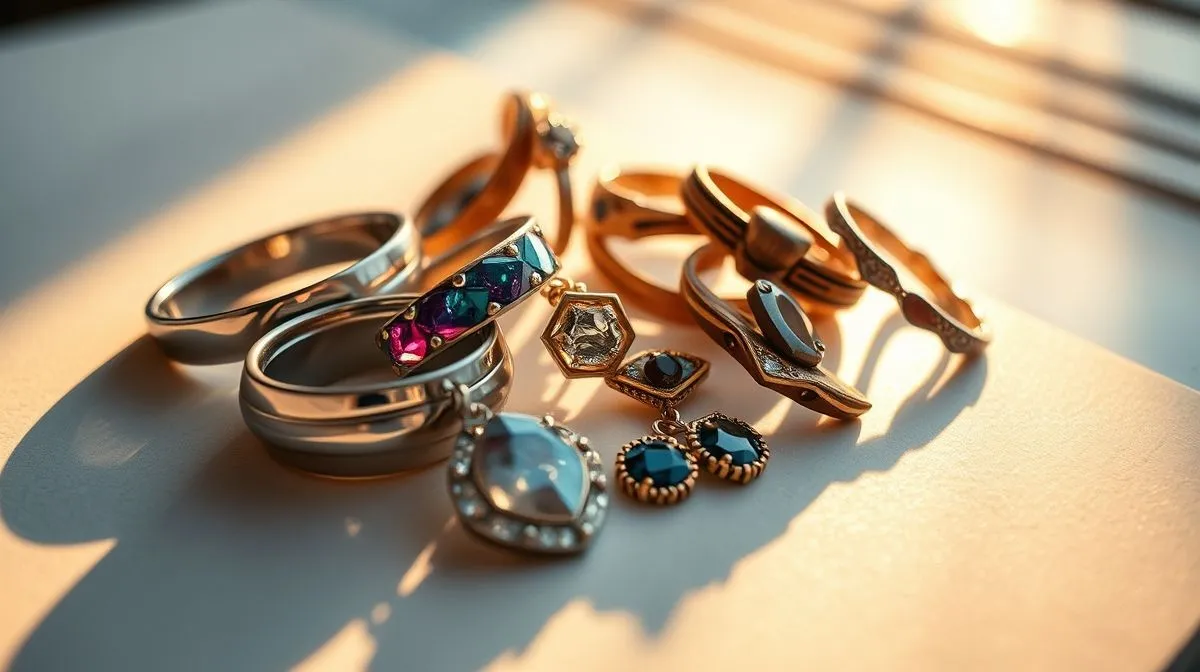
How to Care for Contemporary Jewelry Materials?
Ever gazed at a stunning piece of contemporary jewelry, perhaps a bold resin cuff, a sleek titanium necklace, or an intricately carved wooden pendant? These aren't your grandmother's pearls or gold chains. Modern jewelry designers push the boundaries, incorporating an incredible array of innovative materials, from industrial metals to natural elements and cutting-edge synthetics.
While the allure of these unique pieces is undeniable, their care can often feel like a mystery. Unlike traditional precious metals and gemstones with well-established cleaning routines, these diverse materials each have their own quirks and vulnerabilities. What special care do they demand to ensure their longevity and preserve their original artistic intent?
This comprehensive guide will demystify the process, providing you with the essential knowledge on how to care for contemporary jewelry materials. By the end of this reading, you'll be equipped with practical tips and expert insights to keep your treasured modern adornments looking their best for years to come.
The Evolution of Modern Adornment: Understanding Contemporary Materials
Beyond Gold and Silver: A New Frontier
For centuries, jewelry was primarily defined by its material value – gold, silver, diamonds, rubies. Contemporary jewelry, however, often shifts this paradigm, valuing artistic expression, innovative design, and unique material properties over inherent monetary worth. This movement has ushered in an exciting era where anything from aerospace-grade titanium to recycled plastics, concrete, textiles, and even found objects can become the centerpiece of a wearable sculpture.
Understanding the specific properties of these materials is the first step in proper care. Unlike the chemical inertness of gold, many contemporary materials are reactive to their environment, susceptible to scratching, or prone to discoloration if mishandled. Their beauty often lies in their unique textures, colors, and the way they interact with light, all of which can be compromised without diligent maintenance. This shift demands a more nuanced approach to preservation.
Universal Principles for Preserving Your Contemporary Treasures
The "Less is More" Approach
When it comes to contemporary jewelry, often the best care is the least intrusive. Many modern materials, unlike traditional metals, do not benefit from aggressive polishing or harsh chemical dips. In fact, such treatments can irrevocably damage their unique finishes, colors, or structural integrity. Think preventative care: avoiding situations that might cause harm is far better than attempting to reverse damage.
This principle extends to minimizing exposure to harsh chemicals found in perfumes, hairsprays, lotions, and cleaning products. These substances can cause discoloration, etching, or breakdown of certain materials like resin or acrylic. Extreme temperatures, prolonged direct sunlight, and excessive moisture are also common enemies that can lead to warping, fading, or degradation. Always put your jewelry on last, after applying any cosmetics, and remove it before engaging in activities that involve water or strenuous physical exertion.
Gentle Cleaning Techniques
For most contemporary jewelry, a simple, gentle cleaning routine is all that's required. Regular dusting with a soft, lint-free cloth can prevent grime buildup. For more stubborn dirt or oils from the skin, a slightly dampened cloth with plain water, or a very mild, non-abrasive soap (like diluted dish soap, free of harsh detergents) can be used sparingly. Always ensure the cloth is soft enough not to scratch the surface, and immediately dry the piece thoroughly with another clean, dry cloth to prevent water spots or moisture damage.
Avoid abrasive materials like paper towels, rough sponges, or stiff brushes, which can scratch delicate surfaces. Ultrasonic cleaners, while effective for some traditional jewelry, are generally not recommended for contemporary pieces, as the vibrations and cleaning solutions can damage sensitive materials, loosen settings, or alter finishes. When in doubt, always err on the side of caution and opt for the gentlest method.
Specific Care Guides for Popular Contemporary Materials
Resin: Vibrant & Versatile
Resin jewelry, celebrated for its vibrant colors, transparency, and ability to encapsulate objects, is a staple in contemporary design. However, resin can yellow over time with prolonged exposure to UV light, scratch relatively easily, and become cloudy or brittle if exposed to harsh chemicals. To maintain its clarity and color, store resin pieces away from direct sunlight.
Clean resin with a soft, damp cloth and a tiny drop of mild dish soap if necessary. Gently wipe the surface and immediately dry it. Avoid using alcohol-based cleaners, acetone, or abrasive polishes, as these can dissolve or dull the resin's surface. If a resin piece becomes dull, a very light application of a plastic polish (designed for acrylic or plastic) followed by buffing with a soft cloth can sometimes restore its shine, but test on an inconspicuous area first.
Titanium & Stainless Steel: Durable Yet Delicate
Titanium and stainless steel are favored for their strength, hypoallergenic properties, and sleek, modern aesthetic. While incredibly durable and resistant to tarnish, they are not impervious to scratching, especially their polished surfaces. Titanium, in particular, can be anodized to create a vibrant array of colors, and these colored surfaces can be more susceptible to wear.
To clean titanium or stainless steel jewelry, use warm water and a mild liquid soap. Gently rub the piece with a soft cloth or a very soft brush (like a toothbrush) to remove dirt. Rinse thoroughly under running water and dry immediately with a clean, soft cloth. Avoid abrasive cleaners, steel wool, or harsh chemicals that could scratch the surface or react with the metal. For more information on titanium's properties, you can consult sources like Wikipedia's Titanium page.
Wood: Organic & Earthy
Wooden jewelry offers a unique warmth and connection to nature, often featuring intricate carvings or natural grains. Wood is highly susceptible to changes in humidity and moisture. It can swell, crack, or warp if exposed to excessive water, and dry out and split in overly dry conditions. Avoid wearing wooden pieces while showering, swimming, or washing dishes.
To clean wood, wipe it gently with a dry or slightly damp, soft cloth. For unsealed wood, a small amount of natural oil (like jojoba or mineral oil) can be applied periodically to keep it moisturized and prevent cracking. Apply with a cloth, let it soak in for a few minutes, then buff off any excess. Avoid harsh chemical cleaners, as they can strip the wood's natural oils or finishes.
Acrylic & Plastics: Lightweight & Playful
Acrylic and other plastics are lightweight, come in a vast spectrum of colors and transparencies, and can be molded into innovative shapes. Their primary vulnerability is scratching and sensitivity to certain chemicals. They can also become brittle over time if exposed to harsh conditions.
Clean acrylic jewelry with a soft, lint-free cloth and warm, soapy water (using a very mild dish soap). Gently wipe the surface, rinse under cool water, and dry thoroughly. Crucially, avoid cleaning products containing ammonia, alcohol, or solvents (like window cleaner or nail polish remover), as these can cause the plastic to craze, crack, or become cloudy. For deep scratches, specialized plastic polishing compounds might offer some improvement, but prevention is key.
Mixed Media & Uncommon Combinations
Many contemporary pieces combine multiple materials: perhaps resin with embedded metal, or wood with acrylic inlays. The challenge here is that different materials may have conflicting care requirements. In such cases, the general rule is to care for the piece based on its most sensitive component.
For example, if you have a wooden pendant with a resin inlay, you would prioritize the care for the wood (avoiding water) even though the resin might tolerate it. Always consider how cleaning agents or environmental factors might affect each material present. When in doubt, opt for the gentlest, least invasive cleaning method that is safe for all components.
Common Pitfalls and How to Avoid Them
Over-Cleaning and Harsh Chemicals
One of the most common mistakes is over-cleaning or using inappropriate cleaning agents. While traditional jewelry might benefit from regular polishing or chemical dips, this can be detrimental to contemporary materials. Harsh chemicals can strip finishes, dissolve glues, discolor surfaces, or cause materials to degrade. For instance, strong acids or bases can etch metals, while alcohol can cloud many plastics and resins.
Always identify the material before attempting to clean it. If unsure, stick to a dry, soft cloth or a slightly damp cloth with plain water. Remember, the goal is to remove surface dirt, not to strip away the material's inherent properties or applied finishes. Prevention through careful wear and storage significantly reduces the need for intensive cleaning.
Environmental Exposure
Environmental factors play a crucial role in the longevity of your contemporary jewelry. Prolonged exposure to direct sunlight, for example, can cause resin to yellow and certain colored plastics or dyed woods to fade. High humidity can cause metal components to tarnish faster and organic materials like wood to swell, while extremely dry conditions can cause wood to crack.
Pollutants in the air, such as sulfur in the atmosphere or chemicals from household cleaning products, can also react with and damage materials. Always remove your jewelry when using cleaning supplies, swimming in chlorinated pools, or bathing in hot tubs. Being mindful of the environment your jewelry is exposed to is a critical aspect of how to care for contemporary jewelry materials effectively.
Neglecting Storage
Proper storage is just as vital as cleaning. Tossing contemporary pieces together in a drawer can lead to scratches, tangles, and damage from friction. Exposure to open air can also accelerate oxidation for some metals or attract dust and grime to others. For instance, while silver might tarnish, some contemporary metals can develop unique patinas that are part of their intended aesthetic, but still benefit from controlled environments.
Smart Storage Solutions for Lasting Beauty
Individual Pouches & Compartments
To prevent scratching and tangling, store each contemporary jewelry piece individually. Soft fabric pouches, small jewelry boxes with dividers, or even separate compartments within a larger jewelry organizer are ideal. This prevents harder materials from scratching softer ones and keeps delicate components from snagging.
For pieces with intricate details or fragile elements, consider custom-fitted foam inserts or soft cotton batting within their storage compartments. This provides cushioning and prevents movement. Keeping pieces separated also helps maintain their individual finishes and prevents any potential chemical reactions between different materials if they were to come into prolonged contact.
Controlled Environments
Beyond physical separation, consider the environmental conditions of your storage space. Store jewelry in a cool, dry place, away from direct sunlight, extreme temperature fluctuations, and high humidity. Desiccants (like silica gel packets) can be placed in jewelry boxes to absorb excess moisture, particularly beneficial for organic materials like wood or pieces with embedded natural elements.
For pieces containing gemstones, understanding their specific needs is also important. While many contemporary pieces feature non-traditional materials, some may still incorporate semi-precious stones. Resources like the GIA Gem Care Guide offer excellent advice applicable to a wide range of stones, ensuring holistic care for your multi-material pieces.
When Professional Intervention is Necessary
Identifying When to Seek Expert Help
Despite your best efforts, sometimes a piece of contemporary jewelry may require professional attention. This is particularly true for complex repairs, significant damage, or if you're unsure about the material composition or proper cleaning methods for a valuable or sentimental item. Signs that professional help might be needed include deep scratches, significant discoloration that doesn't respond to gentle cleaning, broken components, or structural damage.
Attempting DIY repairs on intricate or unique materials without proper knowledge can often lead to further, irreversible damage. Jewelers specializing in contemporary or art jewelry often have specialized tools, knowledge of diverse materials, and access to specific cleaning agents or repair techniques that are safe and effective for modern pieces.
Choosing the Right Professional
When seeking professional help, look for a jeweler or conservator with experience in contemporary jewelry materials. Not all jewelers are equipped to handle resin, titanium, or mixed media pieces; many are primarily experienced with traditional gold, silver, and precious stones. Ask about their expertise with your specific materials and inquire about their repair or cleaning processes.
Organizations like the American Institute for Conservation of Historic & Artistic Works (AIC) can sometimes provide resources for finding qualified conservators for various art forms, including wearable art. A reputable professional will be able to assess the damage, recommend the appropriate course of action, and provide an estimate before proceeding with any work, ensuring your unique piece receives the specialized care it deserves.
Frequently Asked Questions (FAQ)
Can I wear my contemporary jewelry in the shower or while swimming? Generally, no. Water, especially chlorinated or saltwater, can damage many contemporary materials like wood, resin, and certain plastics, leading to swelling, discoloration, or degradation. Always remove your jewelry before showering, swimming, or engaging in water-related activities.
How often should I clean my contemporary pieces? Regular, gentle cleaning is best. For pieces worn frequently, a quick wipe with a soft, dry cloth after each wear can prevent buildup. Deeper cleaning with mild soap and water might be needed every few weeks or months, depending on wear and material, but avoid over-cleaning.
What if my resin piece has yellowed? Yellowing in resin is often caused by UV exposure over time and can be difficult to reverse completely. Storing resin pieces away from direct sunlight is the best preventative measure. Some light yellowing might be slightly improved with specific resin polishing compounds, but severe yellowing is usually permanent.
Is it safe to use ultrasonic cleaners on modern jewelry? No, ultrasonic cleaners are generally not recommended for contemporary jewelry materials. The high-frequency vibrations and harsh chemicals used in these cleaners can damage sensitive materials, loosen settings, alter finishes, or even cause structural damage to non-traditional components. Stick to manual, gentle cleaning methods.
How can I tell what material my jewelry is made from if I'm unsure? If the artist or maker doesn't provide material information, try to observe its properties: weight (light for acrylic/resin, heavier for metal), texture, temperature (metal feels cool), and flexibility. Sometimes, a very small, inconspicuous scratch test (if you're willing to risk it) on an unknown area can help, but it's always best to consult with the maker or a jewelry professional.
Recommended Reading
- Unlocking the Secret: How Fashion Jewelry Trends Shape Design
- Unlock Summer Style: How to Choose Breathable Streetwear for Ultimate Comfort
- Unlock the Secrets: How Do Brands Achieve Sustainable Textile Sourcing?
- Unlock the Secret: How to Care for Delicate Artisan Jewelry Pieces
- The Smart Bride's Guide: How to Budget for Your Dream Designer Wedding Dress
Conclusion
Contemporary jewelry offers a thrilling departure from traditional adornment, inviting us to explore new aesthetics and material possibilities. Yet, the very innovation that makes these pieces so captivating also demands a thoughtful approach to their care. By understanding the unique properties of materials like resin, titanium, wood, and acrylic, and by adopting gentle cleaning, smart storage, and preventative measures, you can significantly extend the life and beauty of your cherished modern pieces. Remember that how to care for contemporary jewelry materials is less about rigid rules and more about mindful handling and respecting the unique qualities of each artistic creation. Embrace the journey of preserving these wearable works of art, allowing them to continue to tell their story for generations to come.

Your email address will not be published. Required fields are marked *