

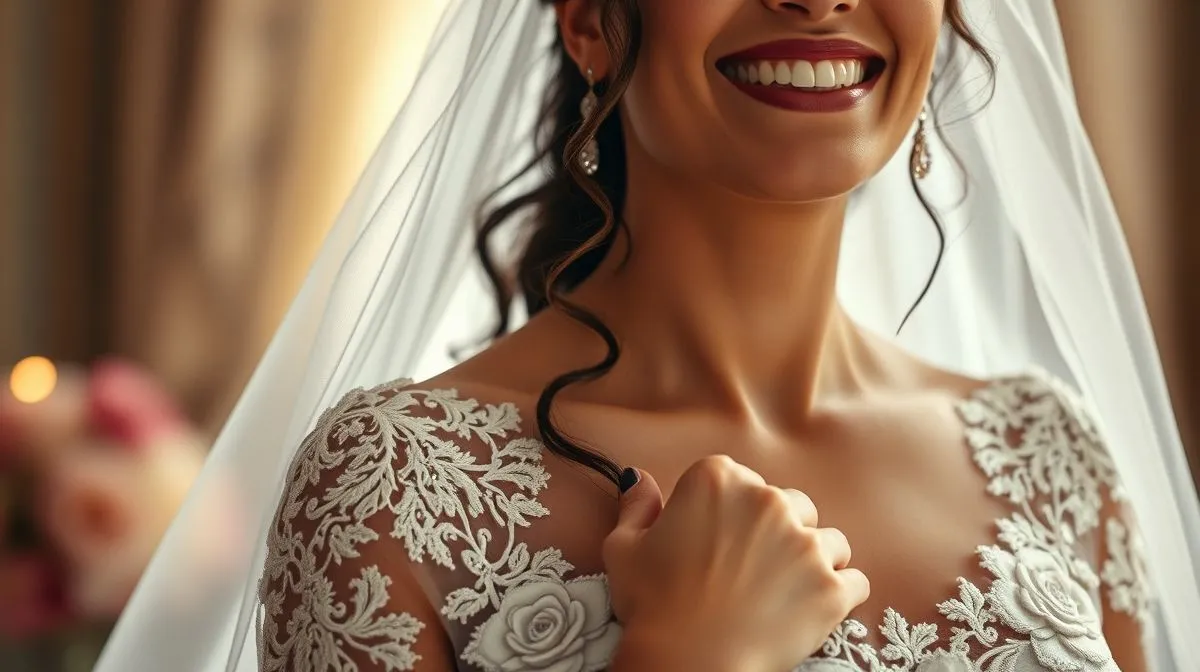
How to Budget for Your Dream Designer Wedding Dress
Have you ever found yourself scrolling through Pinterest, captivated by the ethereal beauty of a designer wedding dress, only to quickly dismiss the idea as an unattainable fantasy? Many brides share this dream, envisioning themselves walking down the aisle in a gown that feels as unique and special as their love story.
The allure of a designer gown often comes with a hefty price tag, leading many to believe that such a luxury is out of reach. This common misconception can cause undue stress and disappointment, forcing brides to compromise on their vision before even exploring the possibilities.
This comprehensive guide will demystify the process of how to budget for your dream designer wedding dress. We'll explore practical strategies, uncover hidden opportunities, and equip you with the knowledge to make that dream gown a beautiful reality without breaking the bank. By the end of this reading, you'll be empowered to approach your bridal shopping with confidence and a clear financial plan.
Defining Your Bridal Vision and Budget Realities
Before you even step into a bridal salon, it's crucial to have a clear understanding of what you want and, more importantly, what you can realistically afford. This foundational step prevents heartbreak and ensures a smoother shopping experience.
The Non-Negotiables: What's Your Must-Have?
- Silhouette: A-line, ball gown, mermaid, sheath – which shape flatters you most and aligns with your venue?
- Fabric: Silk, lace, satin, organza. Each fabric has a different feel and price point.
- Details: Intricate beading, delicate embroidery, unique necklines. Pinpoint the elements that truly speak to your style.
- Designer Aesthetic: Are you drawn to a specific designer's signature style? Research their general price range.
Prioritizing these elements helps you narrow down your search and focus your budget where it matters most to you. Sometimes, a specific detail is more important than the designer label itself.
Setting a Realistic Overall Wedding Budget
Your wedding dress budget isn't in a vacuum. It's a component of your overall wedding financial plan. According to a 2023 survey, the average cost of a wedding dress can vary significantly depending on location and designer. Understanding the bigger picture helps allocate funds wisely. You can find general insights into wedding costs from reputable financial planning resources. For instance, Investopedia offers a guide to wedding costs, which can help in broader planning.
Sit down with your partner and anyone contributing financially to establish a total wedding budget. This figure will then inform how much can be comfortably allocated to your bridal gown.
Allocating Funds: The 10% Rule (and Beyond)
A common guideline suggests allocating approximately 10% to 15% of your total wedding budget to the wedding dress, including alterations and accessories. However, this is merely a starting point. If the dress is your absolute top priority, you might allocate more, balancing it by cutting back in other areas like favors or certain floral arrangements.
- Example: For a $30,000 wedding, a 10% allocation means $3,000 for the dress.
- Flexibility is key: If you find your dream dress for less, you free up funds for other elements. If it's a little over, consider where else you can trim.
Smart Strategies for Sourcing Your Designer Gown
The world of designer wedding dresses extends far beyond full-price retail. Savvy brides know there are multiple avenues to secure a high-end gown without paying top dollar.
Sample Sales and Trunk Shows: Timing is Everything
Sample sales are a bride's best friend for designer deals. These events typically feature floor models and discontinued styles at significantly reduced prices, often 50% to 80% off. They are usually first-come, first-served, and dresses are sold as-is. Be prepared to buy on the spot and factor in potential cleaning and repair costs.
Trunk shows, while not discount events, offer unique opportunities. Designers bring their latest collections to a specific boutique for a limited time. Often, you can place an order with a special discount or receive complimentary customizations. This is ideal if you want a specific new-season designer dress but are looking for a small saving or added value.
Pre-Owned and Consignment Boutiques
The market for pre-owned designer wedding dresses has exploded, offering an eco-friendly and budget-conscious way to find your dream gown. Websites like Stillwhite or Nearly Newlywed, as well as local consignment bridal boutiques, specialize in selling once-worn or unworn designer dresses at a fraction of their original price.
- Benefits: Significant savings, immediate availability, often pristine condition.
- Considerations: Limited sizing and style options, no custom alterations from the designer.
Off-the-Rack vs. Made-to-Order
Most designer dresses are made-to-order, meaning they are cut and sewn to your measurements after you place your order. This takes time (6-9 months is typical) and comes at the full retail price. Off-the-rack options are dresses purchased directly from the salon's existing stock. These can sometimes be negotiated down, especially if they are older samples or if the salon is making room for new inventory.
Understanding this distinction can save you money and time. If you have a short engagement, an off-the-rack option might be your only choice, and it could come with a surprise discount.
Exploring Lesser-Known Designers
The bridal industry is vast, with many talented designers who haven't yet reached the household name status of a Vera Wang or an Elie Saab. These emerging designers often offer exquisite, unique gowns with similar quality and aesthetic appeal at a more accessible price point. Their designs can be just as stunning and often provide a more personalized experience.
The Art of Negotiation and Savvy Shopping
Don't be afraid to ask questions and explore all your options. Bridal salons want to make a sale, and there's often more flexibility than you might initially assume.
Understanding Markdowns and Discounts
Bridal salons periodically clear out old inventory to make way for new collections. These markdowns can lead to significant savings. Ask about upcoming sales or if any dresses are currently on clearance. Sometimes, a small flaw on a sample dress might lead to a substantial discount, which can be easily fixed during alterations.
The Power of Package Deals (Accessories, Alterations)
When you purchase your dress, inquire about potential package deals. Some salons might offer a discount on accessories (veil, headpiece, jewelry) if purchased with the gown. Others might include a certain amount of alteration credit or offer a reduced rate for their in-house seamstresses. These add-ons can quickly accumulate, so any savings here are valuable.
When to Buy: Off-Season Advantages
Just like any retail sector, the bridal industry has its peak and off-peak seasons. Buying your dress during the bridal off-season (typically after the busy spring/summer wedding season, perhaps late fall or winter) can sometimes yield better deals as salons are less busy and more eager to make sales. This isn't a hard-and-fast rule, but it's worth considering if your timeline allows.
Beyond the Dress: Accounting for Hidden Costs
The price tag on the dress itself is rarely the final cost. Overlooking these additional expenses is a common budgeting mistake.
Alterations: Often a Significant Expense
This is perhaps the most overlooked cost. Even a made-to-order dress will require alterations to fit you perfectly. Designer dresses, with their intricate details and delicate fabrics, often command higher alteration fees. These can range from a few hundred dollars to over a thousand, depending on the complexity of the work.
- Typical alterations: Hemming, taking in the sides, adjusting straps, adding a bustle.
- Complex alterations: Redesigning parts of the dress, adding sleeves, intricate beadwork adjustments.
- Always budget: Allocate a minimum of $500-$1000 for alterations, especially for a designer gown.
Accessories: Veils, Shoes, Jewelry
The complete bridal look includes more than just the dress. A designer veil can cost as much as a non-designer gown. Shoes, jewelry, and undergarments also add up. Be realistic about these costs and try to purchase them strategically.
Cleaning and Preservation
After the wedding, many brides choose to have their dress professionally cleaned and preserved. This can cost anywhere from $200-$700, depending on the dress material and complexity. While not an immediate concern when budgeting for your dream designer wedding dress, it's a future expense to keep in mind if you plan to keep the gown as a keepsake or pass it down.
Creative Financing and Payment Approaches
Even with savvy shopping, a designer gown can be a significant investment. Explore these options to manage the cost effectively.
Payment Plans with Boutiques
Many bridal salons offer payment plans, allowing you to pay a deposit upfront and then make installment payments over several months. This eases the immediate financial burden and spreads the cost over time. Always ask about their payment policies and any interest rates or fees involved.
Smart Savings Strategies
- Dedicated Savings Account: Set up a specific savings account for your wedding dress.
- Automated Transfers: Schedule regular, small transfers from your checking account to your dress fund.
- Cut back on small luxuries: Identify areas where you can temporarily reduce spending to boost your dress fund.
Even small, consistent savings can add up quickly over a few months or a year.
Crowd-funding or Bridal Registry Contributions
In modern weddings, it's becoming more common for couples to request contributions towards specific wedding expenses rather than traditional housewares. Consider adding a 'dress fund' to your wedding registry or mentioning it discreetly to close family members who might wish to contribute to a significant part of your wedding look.
Avoiding Common Budgeting Pitfalls
Even with the best intentions, it's easy to fall into common traps that can derail your wedding dress budget.
The 'Just One More Look' Trap
Once you've found a dress that you love and that fits your budget, resist the urge to keep looking. Continued browsing can lead to 'dress regret' or discovering a more expensive gown that stretches your budget unnecessarily.
Underestimating Alteration Costs
As mentioned, this is a major pitfall. Always get an estimate for alterations before committing to a dress, especially if it's a sample sale find or something that needs significant work. A cheap dress with expensive alterations can end up costing more than a moderately priced one that fits well.
Emotional Spending
Wedding dress shopping is highly emotional. It's easy to get caught up in the moment and say 'yes' to a dress that is beyond your means. Bring a trusted friend or family member who can provide an objective perspective and help you stick to your budget.
Not Researching Designer Price Points
Before you even step into a store, have a general idea of the price ranges for the designers you admire. This prevents you from falling in love with a dress that was never within your budget in the first place, saving you time and emotional energy. Knowing how to budget for your dream designer wedding dress starts with knowing the market.
Frequently Asked Questions (FAQ)
How much should I really budget for a designer wedding dress? The average varies widely, but a good rule of thumb is 10-15% of your total wedding budget. For a $30,000 wedding, this would be $3,000-$4,500, including alterations and accessories. However, pre-owned or sample sale designer dresses can be found for significantly less.
Can I get a designer dress for under $2000? Absolutely! While full-price designer gowns often start higher, you can find stunning options under $2,000 at sample sales, consignment boutiques, or by exploring emerging designers. It requires patience and strategic shopping.
What's the best time of year to buy a wedding dress for a discount? Late fall and winter (November to February) are often considered off-peak seasons, and salons may offer more discounts or host sample sales to clear inventory before new collections arrive.
Are pre-owned designer dresses a good idea? Yes, they can be an excellent idea! You can get a high-quality designer gown at a fraction of the cost. Ensure you inspect the dress thoroughly for any damage and factor in cleaning and alteration costs.
Do designer dresses always require extensive alterations? Most wedding dresses, designer or not, will require some alterations for a perfect fit. Designer dresses, due to their intricate construction, might have higher alteration costs, but not necessarily more extensive work than a non-designer gown.
Recommended Reading
- Petite Style Guide: What to Wear Daily for a Flattering Fit!
- Victorian Dress Patterns: Your Ultimate Guide to Sewing History
- Unlock the Secret: Tips for Long-Lasting Professional Stage Makeup?
- Beat the Shine: The Ultimate Makeup Guide for Oily Skin This Summer
- AR Revolution: How is AR Changing Fashion Retail Now? The Future!
Conclusion
Realizing your dream of wearing a designer wedding dress on your special day is entirely achievable with careful planning and smart strategies. By defining your vision, exploring diverse sourcing options, understanding all associated costs, and approaching the process with a savvy mindset, you can find a gown that not only reflects your personal style but also aligns perfectly with your financial goals. Remember, the ultimate beauty of your wedding day lies not in the price tag of your dress, but in the love and joy it represents. With these insights on how to budget for your dream designer wedding dress, step forward with confidence and make your bridal vision a beautiful reality.


Your email address will not be published. Required fields are marked *