

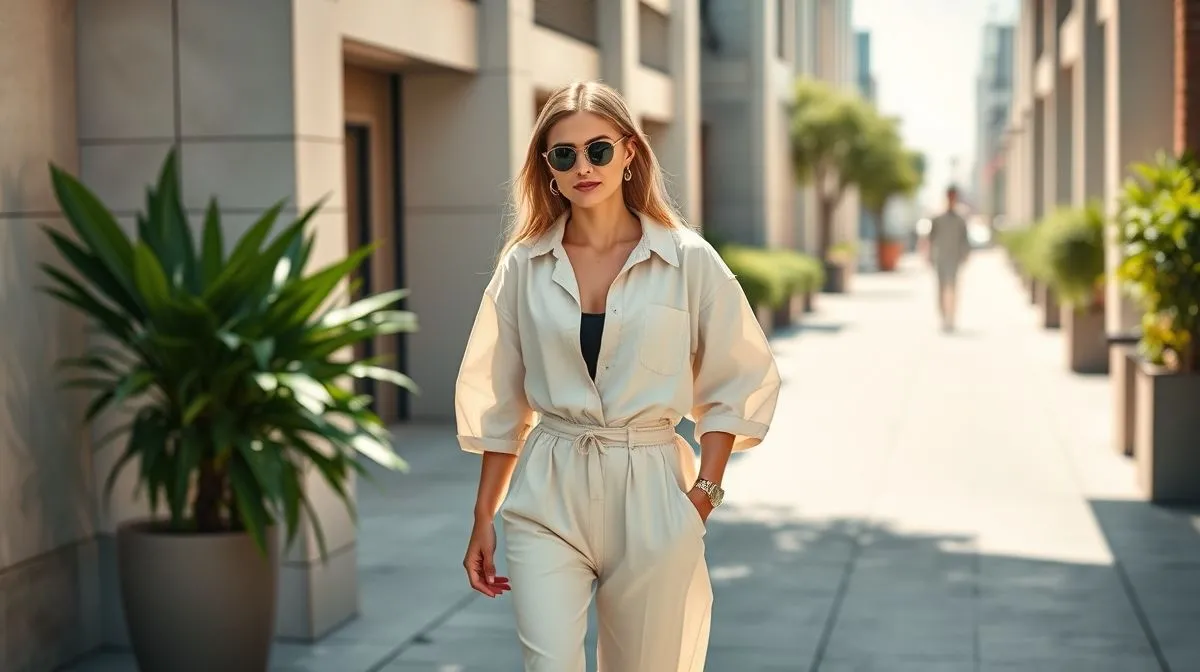
Navigating Summer Style: How to Choose Breathable Streetwear for Summer?
Have you ever stepped out on a sweltering summer day, confident in your streetwear fit, only to feel an immediate, suffocating wave of heat and discomfort? It's a common dilemma. The urban landscape, with its concrete jungles and heat-retaining surfaces, turns up the thermostat, making your carefully curated outfit feel more like a personal sauna than a statement of style.
The problem is simple: traditional streetwear often prioritizes aesthetics and durability over comfort in extreme temperatures. Heavy fabrics, restrictive cuts, and dark colors, while perfect for cooler seasons, become an enemy when the mercury rises. This leads to excessive sweating, discomfort, and a rapid decline in your overall mood and confidence.
But what if you didn't have to sacrifice your signature style for summer comfort? This definitive guide will equip you with the knowledge to make informed choices, transforming your summer wardrobe into a bastion of breathability and effortless cool. You'll learn the secrets to selecting the right fabrics, understanding ideal fits, and identifying key pieces that keep you fresh, stylish, and comfortable, no matter how high the temperatures climb. By the end, you'll know precisely how to choose breathable streetwear for summer that truly works.
Understanding the Enemy: Why Heat and Sweat are Streetwear's Nemesis
To conquer the heat, we must first understand it. Summer's high temperatures and humidity present unique challenges for clothing. Our bodies naturally react to heat by sweating, a crucial thermoregulatory process designed to cool us down through evaporation. However, if our clothes aren't designed to facilitate this process, sweat can become trapped, leading to discomfort, odor, and even skin irritation.
The Science of Thermoregulation and Clothing
Our skin is constantly working to maintain a core body temperature of around 98.6°F (37°C). When external temperatures rise, blood vessels near the skin surface dilate, and sweat glands activate. For sweat to effectively cool us, it needs to evaporate. Clothing that traps moisture, like dense cotton or certain synthetics, inhibits this evaporation, making us feel hotter and stickier. Breathable fabrics, on the other hand, allow air to circulate and moisture vapor to escape, aiding the body's natural cooling mechanisms. A deeper dive into the physics of heat transfer and textiles can be found via academic resources on clothing physiology, such as studies published by the National Institutes of Health (NIH), which often detail how different materials interact with the body's thermal regulation.
Common Pitfalls of Non-Breathable Fabrics
Many popular streetwear items are made from materials like heavy fleece, thick denim, or tightly woven synthetic blends that are fantastic for insulation but terrible for ventilation. These fabrics create an insulating layer that traps body heat and moisture close to the skin. The result is a damp, clammy feeling, often accompanied by visible sweat marks and a general sense of sluggishness. This is why understanding material composition is paramount when considering how to choose breathable streetwear for summer.
The Fabric Revolution: Key Materials for Breathable Streetwear
The foundation of any breathable outfit lies in its materials. Not all fabrics are created equal when it comes to heat management. Here's a breakdown of the best options for summer streetwear:
Natural Fibers: Cotton, Linen, Hemp
- Cotton: While 100% cotton can absorb a lot of moisture and become heavy when wet, lighter weaves like jersey or poplin, and especially organic cotton, offer good breathability for everyday wear. Look for lightweight cotton tees and shirts.
- Linen: The undisputed king of summer fabrics. Linen is incredibly breathable, moisture-wicking, and has a unique, slightly crinkled texture that adds to its laid-back appeal. It's known for its ability to quickly release moisture.
- Hemp: Similar to linen but often more durable, hemp is another excellent sustainable choice. It's highly breathable, gets softer with each wash, and offers natural UV resistance.
Synthetic Saviors: Performance Polyesters, Nylon, Tencel
- Performance Polyester/Nylon: Not all synthetics are bad. Modern performance polyesters and nylons are engineered to be lightweight, durable, and highly efficient at wicking moisture away from the skin to the fabric surface, where it can evaporate. Look for terms like 'moisture-wicking,' 'quick-dry,' or 'mesh-lined.'
- Tencel (Lyocell): A semi-synthetic fabric made from wood pulp, Tencel is incredibly soft, drapes beautifully, and is highly breathable. It excels at moisture management, making it cooler than cotton and smoother than silk. It's also an environmentally friendly choice.
- Modal: Another rayon-like fabric made from beech tree pulp, Modal is very soft, resistant to shrinking and fading, and more breathable than traditional cotton. It's often blended with cotton or spandex.
Innovative Blends and Technologies
Many brands now utilize fabric blends that combine the best properties of different materials. For example, a cotton-linen blend can offer the softness of cotton with the breathability of linen. Similarly, cotton-polyester blends can provide a balance of comfort and moisture-wicking capabilities. Look out for fabrics with specialized weaves or finishes, such as open-knit structures, perforated panels, or treatments that enhance airflow and quick-drying properties. Some advanced textiles even incorporate ceramic particles or cooling agents to actively reduce skin temperature, showcasing the cutting edge of textile innovation.
Fit for Comfort: The Importance of Silhouette and Cut
Fabric is just one part of the equation. The way a garment fits your body significantly impacts its breathability and your overall comfort in hot weather.
Embracing the Oversized and Relaxed Fit
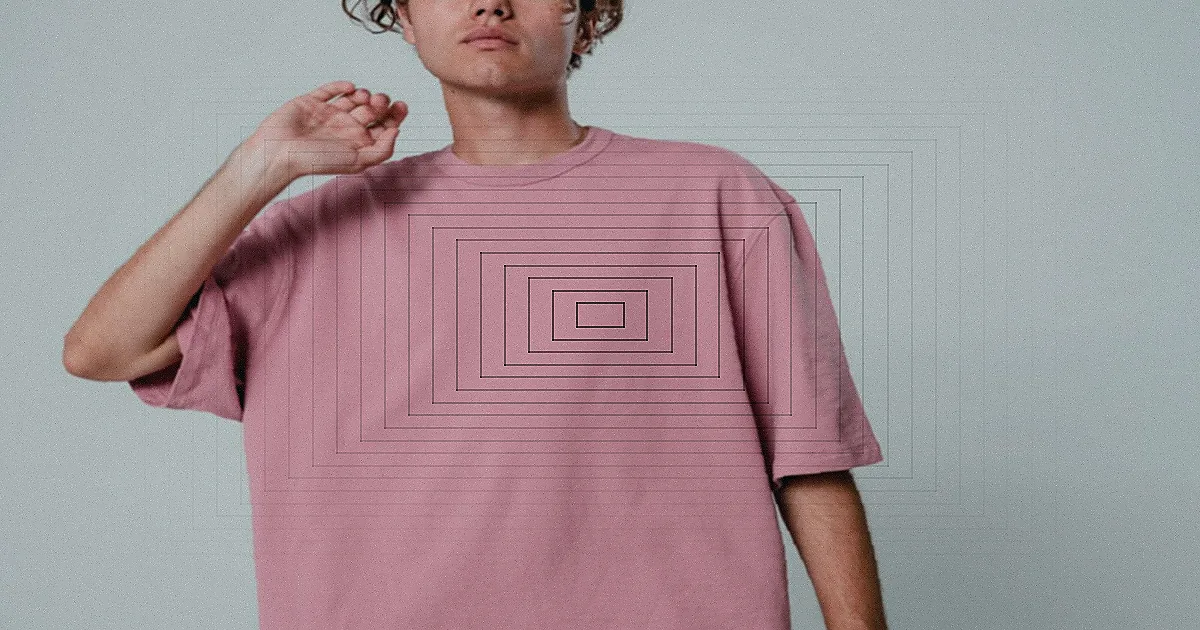
Tight clothing restricts airflow and traps heat. For summer streetwear, embracing oversized, relaxed, or loose fits is not just a trend; it's a practical strategy for staying cool. A looser silhouette allows air to circulate between your skin and the fabric, promoting evaporation and preventing that suffocating feeling. Think baggy tees, wide-leg pants, and relaxed-fit button-up shirts. This also aligns perfectly with the current streetwear aesthetic, making it a win-win.
Strategic Ventilation: Vents, Mesh Panels, and Cut-outs
Beyond general looseness, look for garments designed with specific ventilation features. These can include:
- Mesh Panels: Often found in athletic-inspired streetwear, mesh inserts in critical areas like the armpits, back, or sides provide direct airflow.
- Vents: Small, often hidden openings, particularly in jackets or shirts, allow heat to escape without compromising the garment's structure.
- Cut-outs: While more fashion-forward, intentional cut-outs can also contribute to breathability in tops or dresses.
Layering Light: When and How to Layer in Summer
Layering might seem counter-intuitive for summer, but it can be effective if done correctly. The key is to use extremely lightweight, breathable layers. For example, a light linen overshirt worn unbuttoned over a breathable cotton tank top or tee provides versatility for fluctuating temperatures without adding significant heat. This approach allows you to adapt to air-conditioned indoors or breezy evenings while maintaining a stylish, multi-dimensional look.
Beyond the Basics: Essential Breathable Streetwear Pieces
Let's break down some key pieces you should prioritize when you're considering how to choose breathable streetwear for summer.
Tops: Tees, Hoodies, and Button-Ups
- Lightweight Tees: Opt for tees made from thin cotton jersey, linen blends, or performance synthetics. Look for oversized or relaxed cuts.
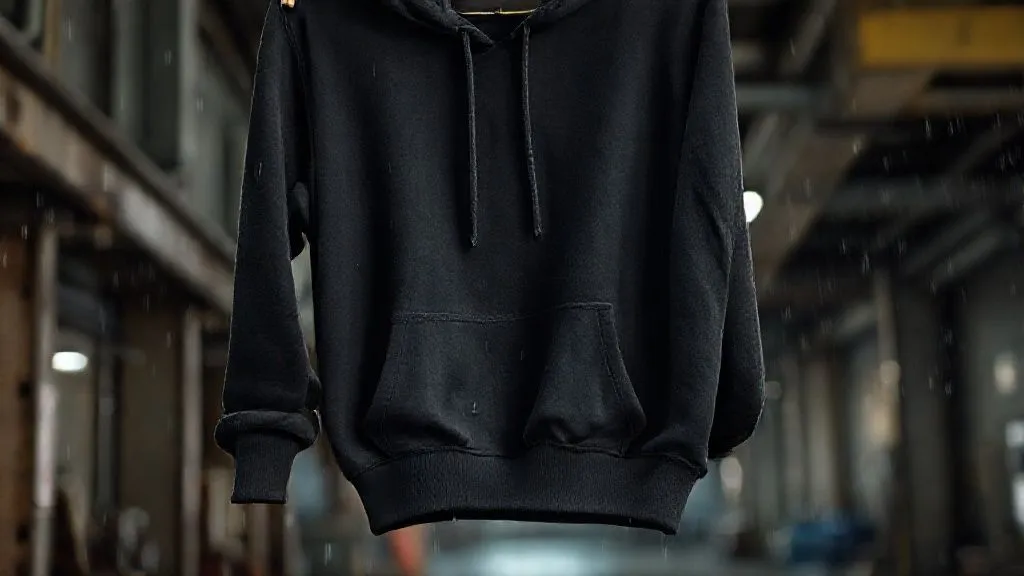
- Breathable Hoodies/Sweatshirts: If you insist on a hoodie, choose one made from French terry (unbrushed loopback cotton), very lightweight fleece, or even a technical fabric blend that wicks sweat. These are best for cooler summer evenings or air-conditioned spaces.
- Linen or Tencel Button-Ups: A versatile staple. Wear them open over a tee or buttoned up for a more refined look. Their natural breathability is unmatched.
Bottoms: Shorts, Cargo Pants, and Lightweight Denim
- Technical Shorts: Look for shorts made from ripstop nylon, quick-dry polyester, or lightweight cotton twill. Cargo shorts with ample pockets provide both style and utility.
- Linen or Tencel Trousers: A fantastic alternative to jeans, offering a relaxed fit and superior breathability.
- Lightweight Denim: While traditional denim is heavy, many brands now offer lighter-weight denim or denim blends with stretch and better airflow. Opt for lighter washes as well.
- Track Pants/Joggers: Choose options made from light, breathable fabrics like performance polyester or cotton blends, often with a looser fit.
Footwear: Sneakers and Sandals Designed for Airflow
Don't forget your feet! Trapped heat in your shoes can make your entire body feel warmer. Look for:
- Mesh Sneakers: Many modern sneakers incorporate large mesh panels for maximum ventilation.
- Knit Uppers: Flyknit, Primeknit, and similar technologies offer incredibly breathable and lightweight uppers.
- Perforated Leather/Suede: If you prefer leather, look for styles with strategic perforations.
- Sliders/Sandals: For ultimate casual comfort, a good pair of slides or technical sandals can't be beaten for breathability.
Color and Pattern Play: Visual Cues for Staying Cool
While often overlooked, the color and pattern of your clothes can subtly influence how hot you feel.
The Power of Light Colors
It's a classic principle: light colors reflect sunlight and heat, while dark colors absorb it. This is why you often see people in tropical climates wearing white or light-colored clothing. For summer streetwear, embrace a palette of whites, creams, pastels, and light earth tones. This isn't just about heat reflection; lighter colors also visually convey a sense of coolness and lightness, aligning perfectly with a summer aesthetic.
Patterns and Prints: Do They Affect Heat Absorption?
Generally, patterns and prints themselves don't significantly affect heat absorption compared to the base color. However, large, dense patterns on dark backgrounds might contribute to a warmer feel than sparse patterns on light backgrounds. The key remains the overall lightness of the garment. Opt for patterns that incorporate lighter hues or have a breathable, open design. Think subtle stripes, abstract art in soft tones, or airy floral prints. According to textile science, the weave and fiber type are far more influential on thermal comfort than the print itself, though darker pigments can absorb more solar radiation. For more scientific information on clothing and thermal comfort, consider resources from reputable textile engineering departments at universities, such as those that contribute to publications like the Textile Research Journal.
Care and Maintenance: Keeping Your Breathable Gear Optimal
Proper care ensures your breathable streetwear maintains its performance and longevity.
Washing and Drying Guidelines
- Read Labels: Always follow the care instructions on your garment's tag.
- Gentle Cycle: Use a gentle wash cycle with cold water to protect delicate fibers and weaves.
- Avoid Fabric Softeners: For performance fabrics, fabric softeners can clog the pores of the material, reducing its moisture-wicking capabilities.
- Air Dry or Low Heat: High heat can damage elastic fibers and shrink natural ones. Air drying is always best for breathable garments, or use the lowest heat setting on your dryer.
Storage Tips for Longevity
Store your summer streetwear in a cool, dry place. Ensure items are completely dry before putting them away to prevent mildew. Hanging lighter fabrics like linen can help maintain their shape and reduce wrinkles, while folded items should be stored loosely to allow some air circulation.
Common Mistakes to Avoid When Choosing Summer Streetwear
Even with the best intentions, it's easy to make missteps when trying to stay cool and stylish.
Ignoring Fabric Composition
One of the biggest mistakes is assuming all clothing is suitable for summer. Always check the material composition label. A stylish look might be ruined by a single layer of non-breathable fabric. Prioritize natural fibers or advanced synthetics designed for performance.
Prioritizing Style Over Comfort
While streetwear is about making a statement, true style in summer comes from looking effortlessly cool, not miserably hot. Don't force a heavy, restrictive outfit just because it's 'on-trend.' The most stylish person in summer is often the one who looks and feels comfortable.
Underestimating the Power of Accessories
Accessories can either help or hinder. A heavy, wool beanie or a thick leather belt will add unnecessary heat. Instead, opt for breathable hats (like bucket hats or caps made from light cotton or nylon), lightweight bags, and open-toed footwear to complete your breathable look. Even socks matter – choose thin, moisture-wicking options.
Frequently Asked Questions (FAQ)
Is organic cotton more breathable than regular cotton? No, the breathability of cotton primarily depends on its weave and weight, not whether it's organic. However, organic cotton is often preferred for its environmental benefits.
Can I wear black streetwear in summer? While light colors are generally better, you can wear black if the fabric is extremely lightweight and breathable (e.g., a very thin linen shirt or a perforated technical tee). The fit should also be loose to allow air circulation.
What's the best way to test a fabric's breathability before buying? Hold the fabric up to the light; if you can see a slight translucence or a loose weave, it's likely breathable. You can also try blowing through it gently to feel for air passage.
Are 'performance' fabrics always the best choice for summer streetwear? Performance fabrics are excellent for moisture-wicking and quick-drying, making them great for active wear or very humid conditions. For casual everyday wear, natural fibers like linen or lightweight cotton blends might offer a more comfortable, natural feel. It depends on your activity level and personal preference.
How many pieces of breathable streetwear do I need for a summer wardrobe? Focus on versatility. Aim for 3-5 breathable tops, 2-3 pairs of breathable bottoms, and at least one pair of breathable footwear that can be mixed and matched. Layering pieces like a light overshirt are also valuable.
Recommended Reading
- Best Activewear for CrossFit Beginners: Crush Your First WOD!
- Apple Picking Perfection: Best Fall Accessories for Your Outfit
- Unlock the Secrets: How to Authenticate Exclusive Luxury Fashion Pieces
- Stunning Nail Art Ideas for Short Nails at Home: Your Ultimate Guide!
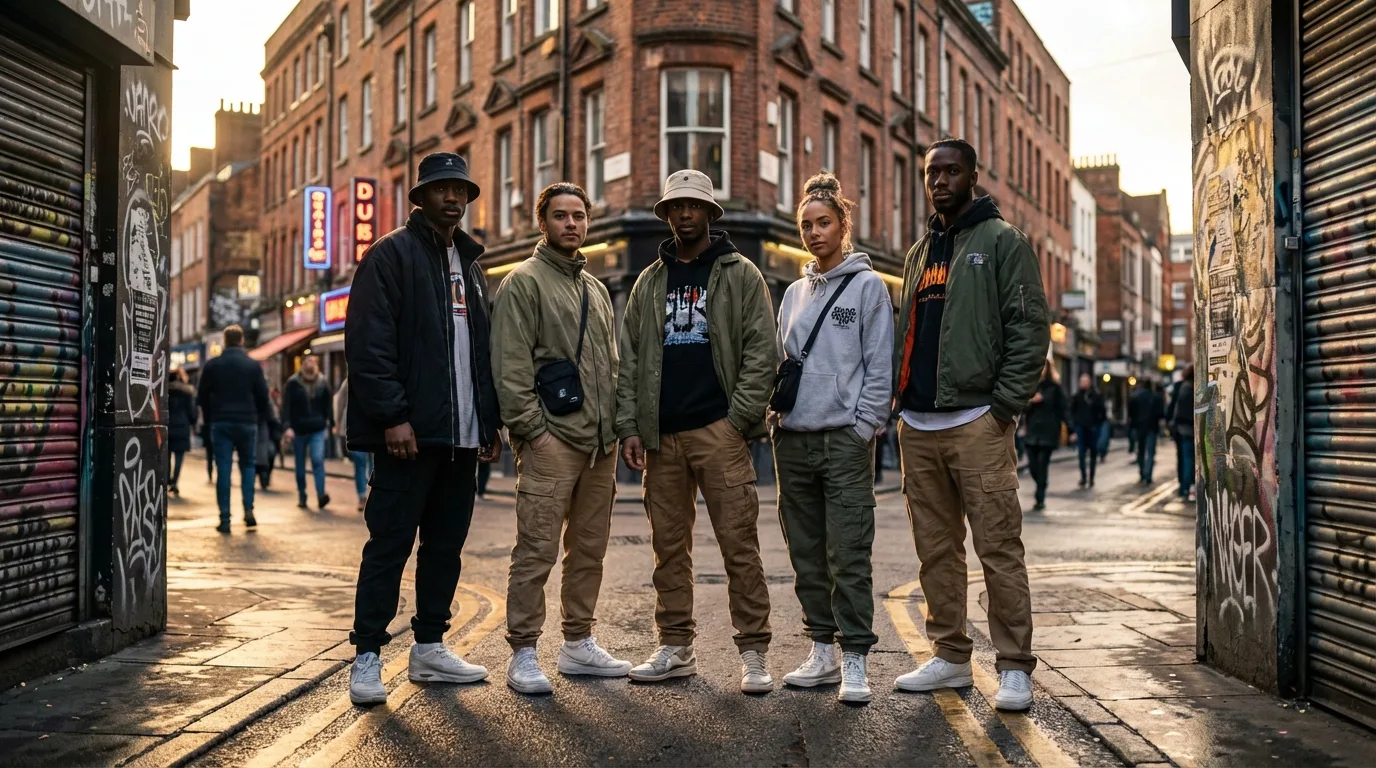
- Unleash Your Style: How to Incorporate Bold Prints into Streetwear Outfits
Conclusion
Mastering how to choose breathable streetwear for summer is no longer a mystery. By understanding the science of heat and sweat, prioritizing lightweight and moisture-wicking fabrics like linen, Tencel, and performance synthetics, and opting for relaxed, air-circulating fits, you can curate a summer wardrobe that is both undeniably stylish and incredibly comfortable. Remember to embrace lighter colors, consider strategic ventilation, and care for your garments properly to maximize their performance. This summer, step out with confidence, knowing your style is as cool and fresh as you feel. Don't just look good; feel good, and let your streetwear reflect the effortless cool of the season.


Your email address will not be published. Required fields are marked *