

How to Authenticate Exclusive Luxury Fashion Pieces?
Imagine the thrill of acquiring a coveted luxury fashion piece – a timeless handbag, an exquisite watch, or a meticulously tailored garment. The allure of high fashion lies not just in its aesthetic appeal, but in its unparalleled craftsmanship, heritage, and exclusivity. Yet, in an increasingly globalized market, this excitement can quickly turn to dismay when the authenticity of your prized possession comes into question.
The unfortunate reality is that the counterfeit market is booming, with fakes becoming alarmingly sophisticated. From nearly identical stitching to convincing replica hardware, distinguishing genuine articles from their illicit counterparts has become a formidable challenge for even the most seasoned collectors. This proliferation of high-quality fakes poses a significant problem for both consumers and the luxury brands themselves, eroding trust and devaluing true artistry.
This comprehensive guide aims to arm you with the essential knowledge and practical techniques to confidently determine how to authenticate exclusive luxury fashion pieces. By the end of this reading, you will understand the intricate details that separate genuine luxury from deceptive imitations, empowering you to make informed purchases and protect your valuable investments in the world of high fashion.
The Anatomy of Authenticity: Understanding Luxury Craftsmanship
True luxury is defined by an unwavering commitment to perfection. Every stitch, every material, and every design element is a testament to the brand's heritage and expertise. Authenticating a luxury item begins with a deep appreciation for this inherent quality.
Materials Matter: Beyond the Surface
The foundation of any luxury piece is its materials. Authentic luxury brands use only the highest grade leathers, exotic skins, precious metals, and textiles. These materials possess unique characteristics that are difficult for counterfeiters to replicate.
- Leather Quality: Genuine luxury leather often has a distinct scent, a supple feel, and an irregular grain that speaks to its natural origin. It should not feel plasticky, overly stiff, or have a uniform, artificial pattern.
- Exotic Skins: For items made from crocodile, alligator, or python, examine the scale patterns. Real exotic skins will have unique, non-repeating patterns and a natural texture.
- Textiles: Silks will feel rich and fluid, cashmere soft and lightweight. Counterfeit textiles often feel coarse, synthetic, or lack the natural drape of their genuine counterparts.
Precision in Stitching and Seams
One of the most telling indicators of authenticity lies in the stitching. Luxury brands employ highly skilled artisans who execute flawless, consistent stitching.
- Evenness: Stitches should be perfectly straight, evenly spaced, and uniform in length. There should be no loose threads, skipped stitches, or irregular tension.
- Thread Type: High-end brands often use specific thread types, such as waxed linen, which has a distinct look and feel.
- Seam Construction: Examine seams for clean, tight finishes. Edges should be neatly rolled, painted, or heat-sealed without any signs of fraying or sloppiness.
Hardware and Zippers: The Devil in the Details
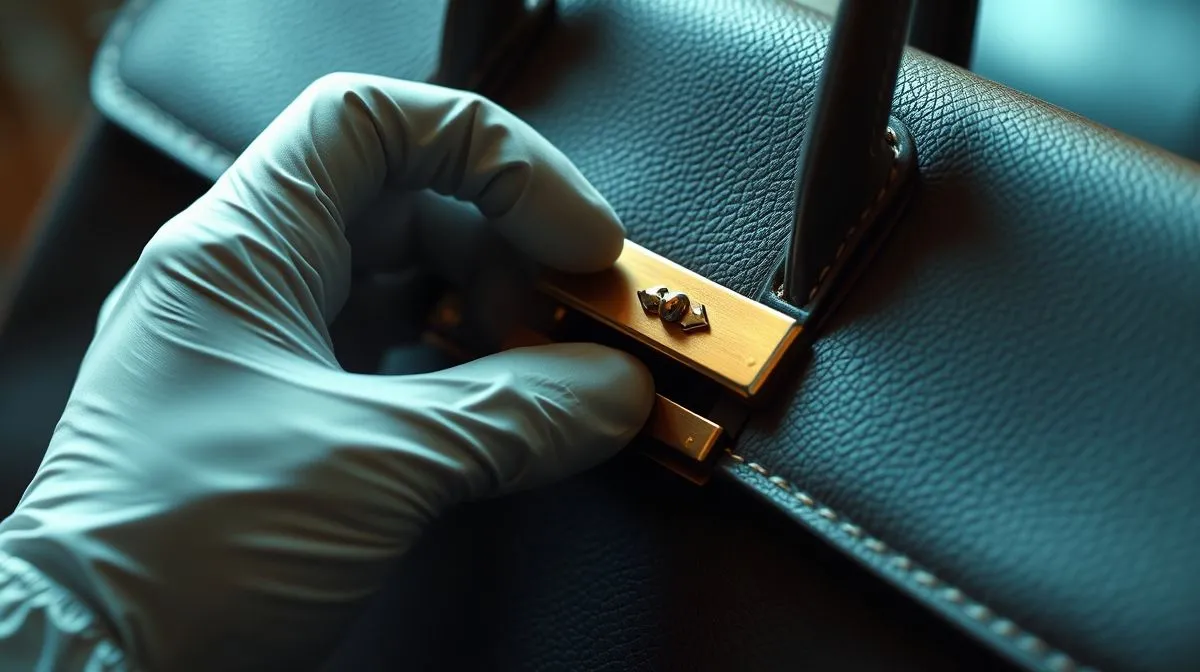
Hardware on luxury items is not merely functional; it is an integral part of the design and craftsmanship. Counterfeiters often cut corners here, making hardware a significant red flag.
- Weight and Feel: Authentic hardware (buckles, clasps, zippers, feet) should feel substantial, heavy, and of high quality. It should not feel hollow, flimsy, or cheap.
- Finish: Examine the plating or finish. It should be smooth, consistent, and free of scratches, bubbling, or discoloration. Authentic hardware often has a specific sheen.
- Engravings and Markings: Any brand engravings or logos on hardware should be crisp, clear, and precisely executed. Sloppy, shallow, or uneven engravings are a strong indicator of a fake.
- Zippers: Many luxury brands use specific zipper manufacturers (e.g., Lampo, Riri, YKK for certain brands/eras). Check the markings on the zipper pull and slider. Zippers should operate smoothly without snagging.
Logos, Brand Markings, and Typography
The brand's logo and internal markings are its signature. Counterfeiters often make subtle, or sometimes obvious, errors in reproducing these.
- Font and Spacing: Pay close attention to the font, spacing, and size of the logo. Compare it to official brand images. Any deviation can indicate a fake.
- Placement: Logos and brand stamps should be consistently placed according to the brand's specifications.
- Clarity: Embossed or printed logos should be sharp, clear, and legible, never blurry or smudged.
Essential Tools and Resources for Authentication
While a keen eye is crucial, certain tools and resources can significantly enhance your ability to authenticate luxury fashion pieces.
Magnification and Lighting
A small jeweler's loupe (10x or 20x magnification) or a powerful magnifying glass is invaluable for examining fine details like stitching, micro-engravings on hardware, or the texture of materials. Good, bright, natural lighting is also essential to reveal true colors and subtle imperfections.
Digital Databases and Online Communities
The internet offers a wealth of information. Many online databases compile information on brand-specific authentication details, including date codes, serial numbers, and common counterfeit tells. Forums and communities dedicated to luxury fashion can also be excellent resources for shared knowledge and advice, though always cross-reference information.
For instance, understanding the nuances of a brand's specific production codes can be a game-changer. These codes, often hidden or discreetly placed, are meticulously tracked by brands. A comprehensive resource on how luxury brands combat counterfeiting can provide further context. You can learn more about intellectual property and counterfeiting from organizations like the World Intellectual Property Organization (WIPO).
Professional Authentication Services
When in doubt, or for high-value items, investing in a professional authentication service is highly recommended. Companies like Entrupy or Real Authentication use advanced technology and expert knowledge to provide definitive verdicts on authenticity. They often have proprietary databases of genuine and counterfeit items, making their assessments incredibly reliable.
Brand-Specific Authentication Nuances
While general principles apply, each luxury brand has its unique authentication markers, developed over decades of craftsmanship and brand protection. Knowing these specific details is vital.
Louis Vuitton: Date Codes and Monogram Patterns
Louis Vuitton items do not have serial numbers but feature date codes indicating where and when the item was made. These codes are typically embossed on leather tabs, inside pockets, or behind hardware. The monogram canvas pattern should be symmetrical and consistent, with the 'LV' logos often cut in a specific way on seams. The letters 'LV' should never be cut off or obscured unless it's on a seam, where it's expected due to the continuous roll of canvas. Additionally, the canvas should feel textured, not smooth or plasticky.
Chanel: Serial Numbers and Authenticity Cards
Chanel bags from the mid-1980s onwards have unique serial numbers (7-8 digits) that correspond to an authenticity card and a hologram sticker inside the bag. The font, size, and placement of these numbers are very specific and change slightly over time. The hologram sticker itself has security features that are difficult to replicate. The quilting on a Chanel flap bag should align perfectly from flap to body, a testament to its meticulous construction.
Hermès: Heat Stamps and Unique Craftsmanship
Hermès bags, particularly the Birkin and Kelly, are notoriously difficult to authenticate due to their extreme rarity and high value. They feature a blind stamp (heat stamp) that indicates the year of production and the artisan's mark. There is no authenticity card. Authentication relies heavily on the unparalleled quality of the leather, the hand-stitching (saddle stitch), the specific hardware, and the very distinct smell of Hermès leather. Each bag is handcrafted by a single artisan, making every detail uniquely perfect.
Gucci: Font Styles and QR Codes
Gucci items typically have a serial number on a leather tag inside the bag. The font used for 'Gucci' on hardware, tags, and dust bags is crucial. Newer Gucci items may also incorporate QR codes for digital authentication, which can be scanned to verify product details. The GG monogram on canvas should be clear, well-defined, and symmetrically aligned, with the two Gs facing each other.
The Role of Provenance and Documentation
Beyond the physical item itself, the accompanying documentation and the item's history can provide powerful clues to its authenticity.
Receipts, Certificates, and Packaging
Original receipts from authorized retailers, authenticity certificates, dust bags, and original packaging (boxes, ribbons, shopping bags) can all add credibility. Examine these items carefully for quality and consistency. Counterfeit packaging is often flimsy, poorly printed, or uses incorrect fonts/logos. Always remember that even perfect documentation can be faked, so always combine this with a thorough physical inspection.
Understanding Resale Market Practices
When purchasing from the secondary market, understand the seller's reputation and return policy. Reputable consignors and pre-owned luxury retailers often have their own rigorous authentication processes. Be wary of sellers who cannot provide clear, detailed photos or who are unwilling to answer specific questions about the item's history or details. The global luxury market is vast and complex, as detailed by resources such as Wikipedia's entry on luxury goods.
Common Pitfalls and Red Flags to Avoid
Even with a good understanding of authentication, certain situations should trigger immediate suspicion.
Too Good to Be True Prices
Luxury items hold their value. If an exclusive luxury fashion piece is offered at an unbelievably low price, it is almost certainly a fake. Counterfeiters lure buyers with irresistible deals. Genuine items, especially highly sought-after ones, rarely see drastic discounts unless they are significantly damaged or part of a very specific, limited-time sale from an authorized dealer.
Suspicious Sellers and Unverified Platforms
Be extremely cautious when buying from unknown online sellers, social media accounts, or websites that appear unprofessional. Always verify a seller's reviews, history, and authenticity guarantees. Platforms like eBay, Vestiaire Collective, and The RealReal have implemented their own authentication protocols, but vigilance is always key.
Inconsistent Details and Poor Quality
Any deviation from the expected quality—a crooked stitch, a misaligned logo, a cheap-feeling zipper, or an unusual scent—should be a red flag. Luxury brands maintain incredibly high standards. A single significant flaw can indicate a counterfeit, even if other aspects seem correct. Counterfeiters often get 90% right, but the remaining 10% reveals the truth.
The Evolving Landscape of Counterfeiting and Authentication
The fight against counterfeits is a constant technological arms race. Both sides are evolving their methods.
Advanced Counterfeit Techniques
Today's counterfeiters use advanced manufacturing techniques, sometimes even acquiring genuine components or using high-quality materials to create 'super fakes'. These can be incredibly difficult to spot, even for trained eyes, making the need for deep knowledge and professional services more critical than ever.
Blockchain and NFC Technology in Luxury
In response, luxury brands are increasingly adopting cutting-edge technologies. Some brands are embedding NFC (Near Field Communication) chips or utilizing blockchain technology to create an immutable digital passport for each item. This allows consumers to verify authenticity by simply scanning a tag with their smartphone, providing an unprecedented level of transparency and trust. For example, LVMH, Prada, and Cartier have collaborated on the Aura Blockchain Consortium to track luxury goods and verify their authenticity, a significant step forward in securing the supply chain and consumer confidence. For more details on the Aura Blockchain Consortium, you can visit their official site: Aura Blockchain Consortium.
Protecting Your Investment and Passion
Armed with this knowledge, you are better equipped to navigate the luxury market with confidence. Protecting your investment goes beyond just the initial purchase.
Due Diligence Before Purchase
Always conduct thorough research before purchasing. Ask for multiple high-resolution photos from various angles, including close-ups of hardware, stitching, and any internal tags. If possible, inspect the item in person. Compare details against known authentic examples and consult brand-specific forums or expert guides.
Maintaining Authenticity Through Care
Once you own a genuine luxury piece, proper care is essential to maintain its integrity and value. Follow the brand's care instructions, store items correctly, and handle them with the respect they deserve. A well-maintained genuine item will always retain its allure and value far better than any counterfeit.
Frequently Asked Questions (FAQ)
Can I authenticate a luxury item myself? While you can gain significant knowledge to identify many fakes, some 'super fakes' are incredibly hard to distinguish. For high-value items, professional authentication is always recommended for peace of mind.
Are all luxury items sold with authenticity cards? No, not all luxury brands issue authenticity cards. For example, Hermès does not provide them. It varies by brand and often by product category and year of production. Always research the specific brand's practices.
What should I do if I suspect my item is a fake? If you purchased from a reputable seller, contact them immediately. If bought privately, you may have limited recourse. Consider having it professionally authenticated to confirm, then explore legal options if applicable, or simply dispose of it responsibly to avoid perpetuating the counterfeit market.
How do serial numbers help in authentication? Serial numbers, or date codes, provide a unique identifier for an item, often indicating its production location and date. Authentic serial numbers follow specific brand formats, fonts, and placements, which can be cross-referenced with brand databases or expert knowledge to confirm legitimacy.
Is it safe to buy pre-owned luxury items online? Yes, but with extreme caution. Stick to highly reputable platforms and sellers known for their rigorous authentication processes and strong buyer protection policies. Always research the seller's reputation and read reviews before making a purchase.
Recommended Reading
- Timeless Elegance: How to Build Your Dream Wardrobe Now!
- Top Picks: Discover the Best Contemporary Urban Streetwear Brands Now!
- Unlock the Secrets: How to Write an Engaging Fashion Blog Post That Captivates
- Unveiling the Secret: What is the Process of Creating a Haute Couture Gown?
- The Definitive Guide: How to Verify if a Fabric is Truly Biodegradable?
Conclusion
The journey to confidently authenticate exclusive luxury fashion pieces is an ongoing education, requiring a blend of meticulous observation, brand-specific knowledge, and an understanding of the evolving counterfeit landscape. By focusing on the intrinsic quality of materials, the precision of craftsmanship, the integrity of hardware, and leveraging available resources, you empower yourself to differentiate genuine luxury from its deceptive imitations. Remember, true luxury is an investment in artistry and heritage; protecting that investment means being an informed and discerning consumer. Continue to hone your eye, stay updated on authentication techniques, and always prioritize trust in your luxury acquisitions.


Your email address will not be published. Required fields are marked *