

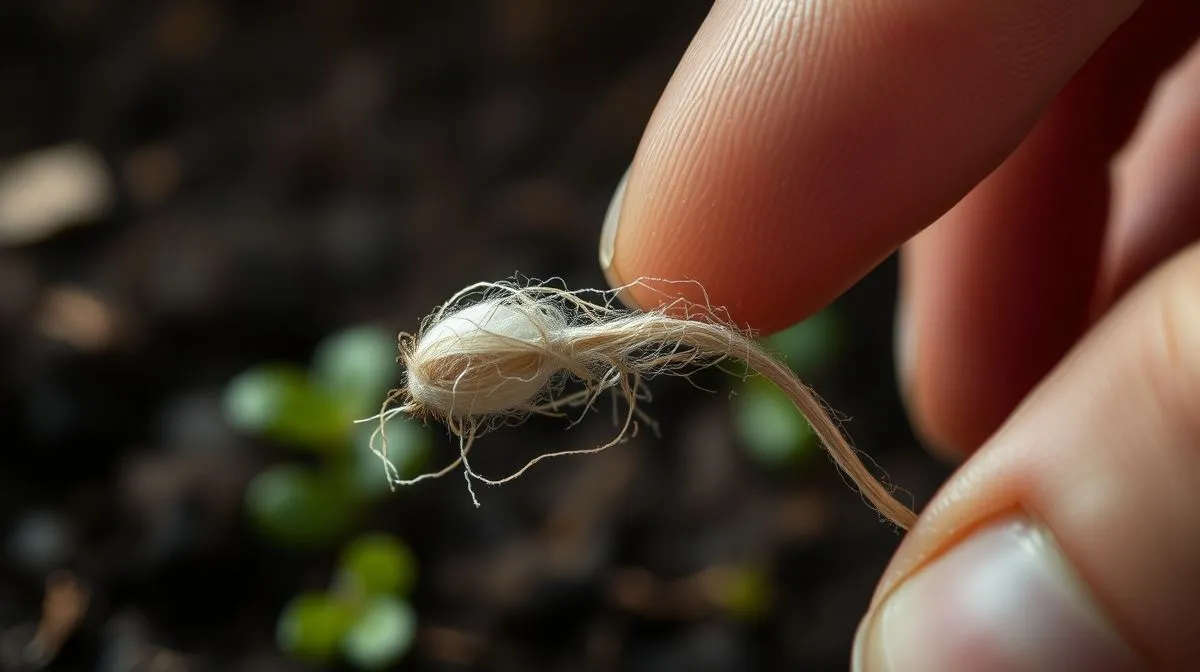
How to Verify If a Fabric is Truly Biodegradable?
Imagine holding a beautiful garment, labeled 'eco-friendly' or 'sustainable.' You feel good, picturing it gracefully returning to the earth once its life cycle ends. But what if that promise is just clever marketing, a whisper of 'greenwashing' designed to ease your conscience without truly benefiting the planet? In a world increasingly conscious of environmental impact, the term 'biodegradable' is thrown around with alarming frequency, often without genuine substance.
The challenge lies in discerning genuine biodegradability from mere marketing claims. Many consumers are left wondering: how can I be sure that the fabric I'm investing in, the one I believe is good for the planet, will actually break down harmlessly? This isn't just a minor detail; it's crucial for truly sustainable consumption and for tackling the monumental textile waste crisis.
This comprehensive guide will equip you with the knowledge and practical tools to understand, assess, and ultimately verify if a fabric is truly biodegradable. From understanding the science behind decomposition to navigating certifications and even conducting simple home tests, you'll learn how to make informed choices that genuinely contribute to a healthier planet.
Understanding Biodegradability: More Than Just "Natural"
The journey to understanding biodegradable fabrics begins with a clear definition. It's not enough for a material to be 'natural'; its chemical structure must allow for biological decomposition. This process relies on microorganisms to break down complex organic matter into simpler substances like water, carbon dioxide, and biomass, without leaving harmful residues.
What Does Biodegradable Really Mean for Textiles?
For a textile, biodegradability refers to its capacity to decompose into natural elements over a specific period through the action of bacteria, fungi, and other living organisms. This process is fundamentally different from mere disintegration, which might break a material into smaller pieces but not necessarily integrate it back into the ecosystem at a molecular level.
True biodegradation implies a complete transformation, where the original material's chemical identity is lost. The speed and completeness of this process depend heavily on the environment and the fabric's inherent properties. A fabric might be biodegradable in an industrial compost facility but not in a home compost pile or a marine environment.
The Difference Between Biodegradable, Compostable, and Degradable
- Biodegradable: As defined, breaks down into natural elements by microorganisms. The timeframe and conditions are not always specified, which can lead to ambiguity.
- Compostable: A stricter subset of biodegradable. A compostable material must biodegrade within a specific timeframe (usually 90-180 days) under specific composting conditions (temperature, moisture, oxygen), and without leaving toxic residues. It contributes to healthy compost.
- Degradable: This is often a misleading term. It simply means the material will break down into smaller pieces, but not necessarily into natural components. Many conventional plastics are 'degradable' but simply fragment into microplastics, which persist in the environment.
Understanding these distinctions is paramount when you seek to verify if a fabric is truly biodegradable. 'Compostable' is generally a stronger, more verifiable claim than 'biodegradable' alone, especially when backed by certification.
Why Biodegradability Matters in the Textile Industry
The fashion industry is notorious for its environmental footprint, with textile waste being a significant contributor to landfills. Millions of tons of clothing end up in dumps annually, where synthetic fibers can take hundreds of years to decompose, if at all. Even natural fibers might struggle to break down in anaerobic landfill conditions, releasing methane, a potent greenhouse gas.
Embracing truly biodegradable textiles offers a vital pathway to a more circular economy. It reduces landfill burden, lessens reliance on finite resources, and minimizes pollution from microfibers. By choosing fabrics that can safely return to the earth, we close the loop, mimicking nature's own cycles of regeneration and decay.
The Science Behind Fabric Decomposition: Key Factors
For a fabric to biodegrade, a complex interplay of material properties and environmental conditions must be met. It's a scientific process, not a magical disappearance.
Material Composition: Natural vs. Synthetic Fibers
The chemical makeup of a fiber is the primary determinant of its biodegradability. Generally, natural fibers derived from plants or animals are inherently more biodegradable than synthetics:
- Cellulose-based fibers: Cotton, linen, hemp, jute, ramie, bamboo (rayon/viscose only if processed correctly) are largely composed of cellulose, a natural polymer readily broken down by cellulase enzymes produced by microorganisms.
- Protein-based fibers: Wool, silk, cashmere are made of proteins, which can also be decomposed by various enzymes found in nature.
- Synthetic fibers: Polyester, nylon, acrylic, spandex are petroleum-based polymers. Their complex, tightly bound chemical structures are not typically recognized or broken down by common microorganisms, meaning they persist for centuries.
It's important to note that even natural fibers can have their biodegradability compromised by synthetic blends or chemical treatments.
Environmental Conditions: Temperature, Moisture, Microbes
Biodegradation is an active biological process, requiring specific conditions to thrive. These include:
- Temperature: Warmer temperatures generally accelerate microbial activity. Industrial composting facilities maintain optimal temperatures (often 50-70°C) for rapid decomposition.
- Moisture: Water is essential for microbial life and for transporting nutrients and enzymes. Without adequate moisture, decomposition slows dramatically.
- Oxygen (Aerobic vs. Anaerobic): Most efficient biodegradation occurs in the presence of oxygen (aerobic conditions). In its absence (anaerobic conditions, like in landfills), decomposition is much slower and produces methane.
- Microorganisms: Bacteria, fungi, and other microbes are the workhorses of biodegradation. Their presence and diversity are crucial for breaking down complex organic molecules.
A fabric might be 'biodegradable' in theory, but without the right environmental conditions, it could take an exceptionally long time to break down, or not at all.
Additives and Dyes: Unseen Barriers to Biodegradation
The journey of a fabric from fiber to finished product often involves numerous chemical treatments. Dyes, finishes (e.g., water repellents, flame retardants, wrinkle-free treatments), and synthetic coatings can significantly impede biodegradability, even in natural fibers. Some dyes contain heavy metals or persistent organic pollutants that are toxic and will not biodegrade, contaminating the soil or water.
Even if the base fiber is biodegradable, these chemical additions can render the final product non-biodegradable or even harmful upon decomposition. This highlights the importance of considering the entire lifecycle of a textile, not just its raw material.
Official Certification and Standards: What to Look For
In the complex world of textile sustainability, certifications serve as crucial beacons, offering third-party verification of environmental claims. When you want to verify if a fabric is truly biodegradable, looking for reputable labels is often the most reliable first step.
Global Standards and Labels
Several certifications specifically address biodegradability and compostability. Some of the most recognized include:
- OK Compost INDUSTRIAL / HOME (TÜV AUSTRIA): This is one of the most stringent and respected certifications for compostability. 'Industrial' requires breakdown in industrial composting facilities, while 'Home' signifies it can biodegrade in a home compost pile.
- BPI (Biodegradable Products Institute): Primarily for compostable plastics, but some textile applications may fall under its scope, focusing on industrial composting.
- Cradle to Cradle Certified®: While not exclusively for biodegradability, this comprehensive certification assesses products across five categories, including material health and material reutilization (which can include biological cycles, i.e., biodegradability).
- GOTS (Global Organic Textile Standard): Focuses on organic status of textiles from harvesting of raw materials through environmentally and socially responsible manufacturing. While not a direct biodegradability certification, GOTS-certified textiles avoid many of the harmful chemicals that impede natural fiber decomposition.
These labels provide a level of assurance that a product has been independently tested and meets specific criteria for decomposition.
The Importance of Third-Party Verification
The rise of 'greenwashing' makes third-party verification indispensable. A company claiming its product is '100% biodegradable' without external validation is often less trustworthy. Independent certification bodies conduct rigorous tests under controlled conditions to ensure claims are scientifically sound.
Third-party verification removes bias and provides objective proof, protecting consumers from misleading marketing. Always look for logos and check the certifying body's website to confirm the validity of a claim.
Challenges in Certification
Despite their importance, certifications aren't a perfect solution. They can be expensive and complex for manufacturers to obtain, especially for smaller brands. The standards themselves are continually evolving as scientific understanding progresses. Furthermore, a certification might cover only a specific component of a product (e.g., the fiber) but not the entire garment, including dyes, trims, or stitching.
Consumers should approach certifications with an understanding of their scope and limitations, using them as a strong indicator but also combining them with other verification methods.
Practical Methods to Assess Fabric Biodegradability
While lab tests and certifications are the gold standard, there are practical steps you can take to make an educated guess about a fabric's biodegradability, especially when official labels are absent.
The Home Compost Test: A DIY Approach
For truly compostable fabrics, a home compost test can be highly revealing, though it's important to manage expectations. This method involves burying a small piece of fabric in an active home compost pile and observing its degradation over several months. Here's how:
- Cut a small swatch (e.g., 2x2 inches) of the fabric.
- Bury it in a well-maintained, active home compost bin, ensuring it's surrounded by a mix of 'greens' and 'browns'.
- Check periodically (e.g., every 2-4 weeks) to observe its state.
- A truly compostable fabric should show significant degradation, breaking down into unrecognizable pieces, within 3-6 months.
Limitations: Home compost conditions vary widely. A fabric might not break down due to insufficient heat, moisture, or microbial activity in your specific pile, even if it's technically compostable under ideal conditions. This test is best for natural, undyed, and untreated fibers.
Burning Test: A Quick Indicator
The burning test can provide clues about a fabric's fiber content, which in turn suggests its biodegradability. Perform this test cautiously, with a small fabric sample and a fire-safe surface:
- Natural Fibers (Cotton, Linen, Rayon, Silk, Wool): Tend to burn, smell like burning paper (cellulose) or hair (protein), and leave a soft, easily crumbled ash.
- Synthetics (Polyester, Nylon, Acrylic): Tend to melt, drip, shrivel away from the flame, smell like chemicals or plastic, and leave a hard, plastic-like bead.
What it tells you: If it melts, it's likely synthetic and not biodegradable. If it burns and turns to ash, it's likely natural. What it doesn't: It doesn't tell you about chemical treatments or dyes that might impede biodegradation, nor does it confirm compostability.
Water Absorption and Feel: Initial Clues
Simple tactile tests can offer initial hints:
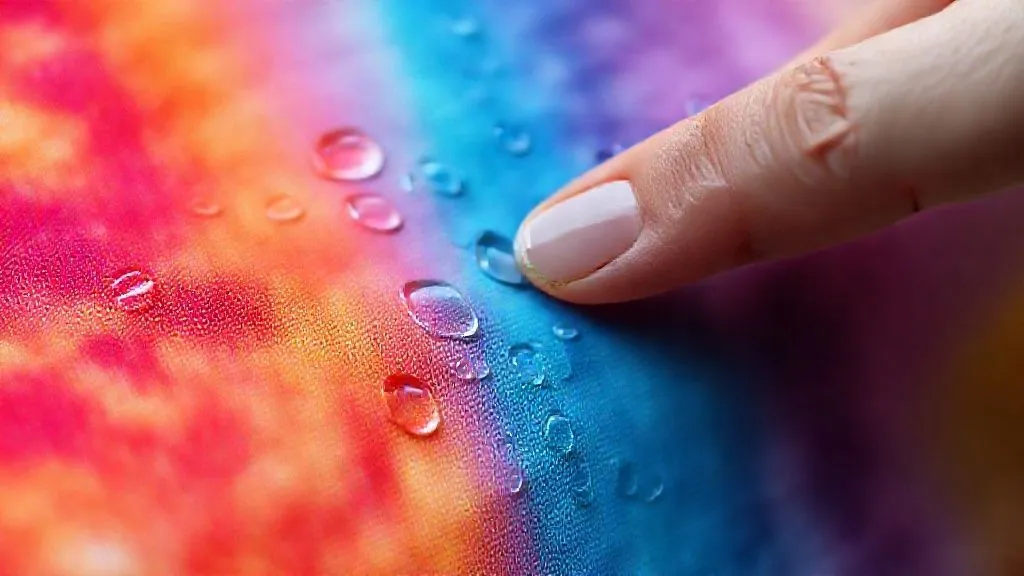
- Water Absorption: Natural fibers (cotton, linen, wool) are generally absorbent. Synthetics often repel water. A fabric that readily absorbs water is more likely to be natural and thus potentially biodegradable.
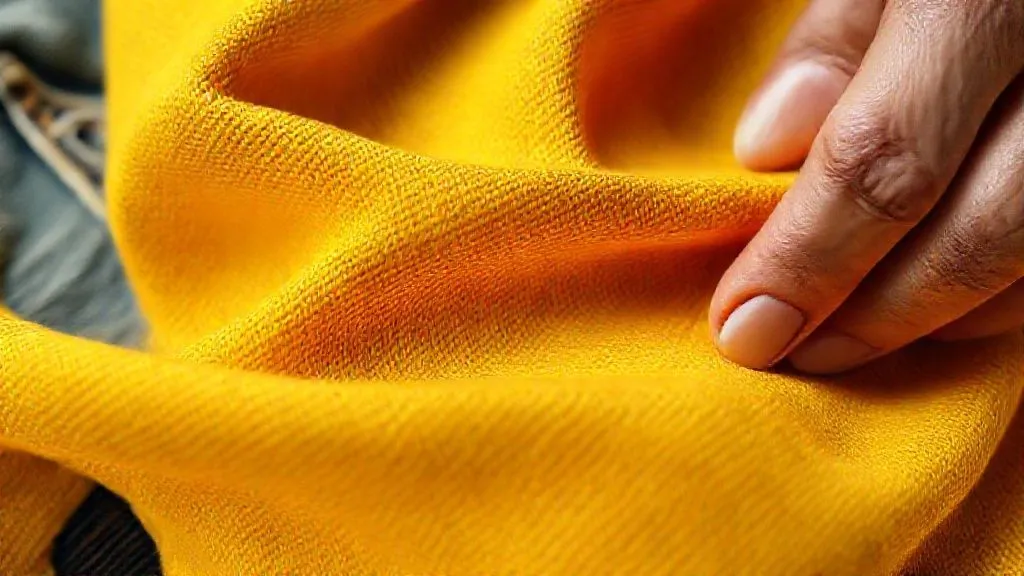
- Feel: Natural fibers often have a more organic, textured feel. Synthetics can feel slick, waxy, or unnaturally smooth.
These are very basic indicators and should not be relied upon solely, but they can guide further investigation.
Researching the Brand and Supply Chain
One of the most powerful tools at your disposal is thorough research. Investigate the brand's sustainability claims. Look for transparency reports, detailed information about their materials sourcing, manufacturing processes, and end-of-life instructions for their products. Brands committed to true sustainability are usually open about their practices.
Look for information on whether they use recycled content, non-toxic dyes, and if they have take-back programs. A brand that educates its customers on how to verify if a fabric is truly biodegradable is a good sign.
Advanced Lab Testing: The Gold Standard
For definitive proof of biodegradability, rigorous laboratory testing is essential. These methods simulate natural environments under controlled conditions to measure the extent and rate of decomposition.
Aerobic vs. Anaerobic Biodegradation Tests
Lab tests typically fall into two main categories, mimicking different environmental conditions:
- Aerobic Biodegradation Tests: These tests (e.g., ASTM D5338, ISO 14855) simulate composting or soil environments where oxygen is present. Samples are exposed to controlled conditions with microorganisms, and the amount of carbon dioxide produced is measured, indicating how much of the material has been converted into CO2.
- Anaerobic Biodegradation Tests: These tests (e.g., ASTM D5511, ISO 15985) simulate landfill or anaerobic digestion conditions where oxygen is absent. The amount of methane produced is measured, as this is the primary gaseous byproduct of anaerobic decomposition.
The results of these tests provide a quantitative measure of biodegradability under specific conditions, allowing for direct comparison against established standards.
Measuring CO2 and Methane Production
The core principle of many biodegradation tests is the measurement of gaseous byproducts. When organic materials biodegrade, the carbon atoms within their structure are converted by microbes into carbon dioxide (in aerobic conditions) or methane (in anaerobic conditions). By accurately measuring the volume of these gases over time, scientists can determine the percentage of the material that has biodegraded relative to its total carbon content.
A high percentage of CO2 or methane evolution indicates effective biodegradation. These measurements are crucial for proving compliance with compostability standards.
Disintegration and Ecotoxicity Assessments
Beyond just breaking down, a truly biodegradable fabric must also disintegrate into small, unnoticeable fragments within a specified timeframe and not leave behind toxic residues. Therefore, lab tests also include:
- Disintegration Tests: These involve physically sifting the composted material to measure the percentage of material that has broken down into particles smaller than a certain size (e.g., 2mm).
- Ecotoxicity Tests: Crucially, the resulting compost or degraded material is tested for its impact on plant growth and earthworm survival. This ensures that the biodegradation process does not release harmful substances into the environment, confirming that the material is not just 'gone' but truly harmless and beneficial. According to the Environmental Protection Agency (EPA), assessing ecotoxicity is a critical step in verifying environmental claims.
These comprehensive assessments provide a holistic view of a material's environmental fate, ensuring it meets the highest standards of biodegradability and compostability.
Navigating Greenwashing and Making Informed Choices
The path to truly sustainable consumption is fraught with pitfalls, primarily 'greenwashing' – the deceptive marketing practice used to persuade the public that an organization's products, aims or policies are environmentally friendly.
Common Greenwashing Tactics in Textiles
Be wary of vague or unsubstantiated claims. Common tactics include:
- Vague language: Terms like 'eco-friendly,' 'natural,' 'sustainable,' or even 'biodegradable' without specific certifications or conditions.
- Hidden trade-offs: Highlighting one green attribute while ignoring more significant environmental impacts (e.g., a 'natural' fiber that uses excessive water or pesticides).
- No proof: Claims not backed by third-party certifications, data, or transparent supply chains.
- Irrelevant claims: Stating something obvious and legally required, as if it's a special environmental benefit (e.g., 'CFC-free' when CFCs are banned).
- Fibbing: Outright false claims or fake certifications.
A discerning eye and a commitment to research are your best defenses against these practices.
Questions to Ask Before You Buy
To cut through the noise and truly verify if a fabric is truly biodegradable, ask yourself (or the brand) these questions:
- Is the fabric certified compostable by a reputable third party (e.g., OK Compost)?
- What are the specific conditions required for its biodegradation (industrial compost, home compost, soil, marine)?
- Are the dyes and finishes also biodegradable and non-toxic?
- Is the brand transparent about its supply chain and manufacturing processes?
- What are the recommended end-of-life instructions for the product?
The more specific and verifiable the answers, the more likely the product's claims are legitimate.
Supporting Truly Sustainable Brands
Your purchasing power is immense. Actively seek out and support brands that demonstrate genuine commitment to sustainability through:
- Transparency: Publishing detailed reports on their environmental impact, material sourcing, and labor practices.
- Certifications: Investing in and promoting reputable third-party certifications for their materials and products.
- Circular Economy Principles: Designing products for durability, repair, reuse, and safe end-of-life (including true biodegradability).
- Innovation: Researching and implementing new, truly regenerative materials and processes.
By making conscious choices, you empower the industry to shift towards more responsible and truly regenerative practices. For further exploration of sustainable textile innovations, consider resources like the Ellen MacArthur Foundation's work on circular fashion.
The Future of Biodegradable Fabrics
The landscape of biodegradable fabrics is rapidly evolving, driven by innovation and increasing consumer demand for truly sustainable solutions. The future promises exciting developments that will make it easier to verify if a fabric is truly biodegradable.
Innovations in Bio-based Polymers and Regenerative Fibers
Scientists are continuously developing new materials that mimic the properties of traditional synthetics but are derived from renewable resources and are designed for biodegradability. This includes polymers made from corn starch, algae, or even food waste, as well as advancements in processing natural fibers to enhance their performance without compromising their natural decomposition.
Regenerative agriculture also plays a crucial role, focusing on farming practices that improve soil health, which in turn supports the growth of truly sustainable natural fibers like cotton or hemp. This holistic approach considers the entire ecosystem.
The Role of Circular Economy Principles
True biodegradability is a cornerstone of the circular economy, where materials are kept in use for as long as possible and then safely returned to the biosphere. This contrasts sharply with the linear 'take-make-dispose' model.
The future of textiles will increasingly involve designing products with their end-of-life in mind, ensuring that components can either be safely biodegraded or endlessly recycled. This requires collaboration across the entire value chain, from designers to manufacturers to waste management facilities.
Consumer Empowerment and Demand
Ultimately, the driving force behind the widespread adoption of truly biodegradable fabrics is informed consumer demand. As more people understand the nuances of biodegradability and demand transparent, certified products, brands will be compelled to innovate and adopt more sustainable practices. Your ability to verify if a fabric is truly biodegradable is a powerful tool for change.
Education, advocacy, and conscious purchasing will accelerate the transition to a fashion industry that respects planetary boundaries.
Frequently Asked Questions (FAQ)
Is all natural fabric biodegradable? No, not necessarily. While natural fibers like cotton, linen, and wool are inherently biodegradable, their biodegradability can be severely compromised by synthetic blends (e.g., a cotton-polyester mix), harmful chemical dyes, or non-biodegradable finishes. Always check the full composition and any certifications.
How long does it take for fabric to biodegrade? The time varies greatly depending on the fiber type, environmental conditions (temperature, moisture, oxygen, microbial activity), and any chemical treatments. Natural fibers in ideal composting conditions can break down in weeks to months, while in anaerobic landfill conditions, even natural fibers can persist for years or decades. Synthetics can take hundreds of years, if ever.
Can synthetic fabrics ever be biodegradable? Traditional petroleum-based synthetics like polyester and nylon are generally not biodegradable. However, there's a growing field of research and innovation in bio-based synthetic polymers (e.g., PLA, PHA) derived from renewable resources, which are designed to be industrially compostable or biodegradable under specific conditions. These are distinct from conventional synthetics.
What's the best way to dispose of biodegradable textiles? Ideally, truly compostable textiles should be disposed of in an industrial composting facility or a well-managed home compost pile, provided they are certified for that specific environment. If composting isn't an option, donating or recycling (if applicable) are preferable to landfilling, even for natural fibers, to avoid anaerobic decomposition and methane emissions.
Are dyes and finishes a problem for biodegradability? Yes, absolutely. Many conventional dyes and finishes contain heavy metals, toxic chemicals, or synthetic polymers that are not biodegradable and can leach harmful substances into the soil or water during decomposition. For a fabric to be truly biodegradable and harmless, its dyes and finishes must also be environmentally benign. Look for certifications like GOTS that restrict harmful chemicals.
Recommended Reading
- The Ultimate Guide: What to Know Before Buying a Vintage Wedding Dress?
- Petite Perfection: Your Guide to Classic Wardrobe Essentials
- Ultimate Guide: Best Casual Shoes for Wide Feet Men
- Unleash Your Style: How to Incorporate Bold Prints into Streetwear Outfits
- Unveiling the Science: How Performance Fabrics Master Body Temperature Control
Conclusion
Navigating the complex world of textile biodegradability requires more than just trusting a label; it demands an understanding of the science, the standards, and the subtle art of discerning genuine sustainability from greenwashing. By learning how to verify if a fabric is truly biodegradable, you become an empowered consumer, capable of making choices that genuinely contribute to a healthier planet. From scrutinizing certifications to understanding fiber composition and even conducting simple home tests, every step you take towards informed textile consumption helps close the loop on waste and fosters a truly circular economy. Let us embrace this knowledge and collectively push for a future where fashion truly regenerates, rather than depletes, our precious Earth.


Your email address will not be published. Required fields are marked *