

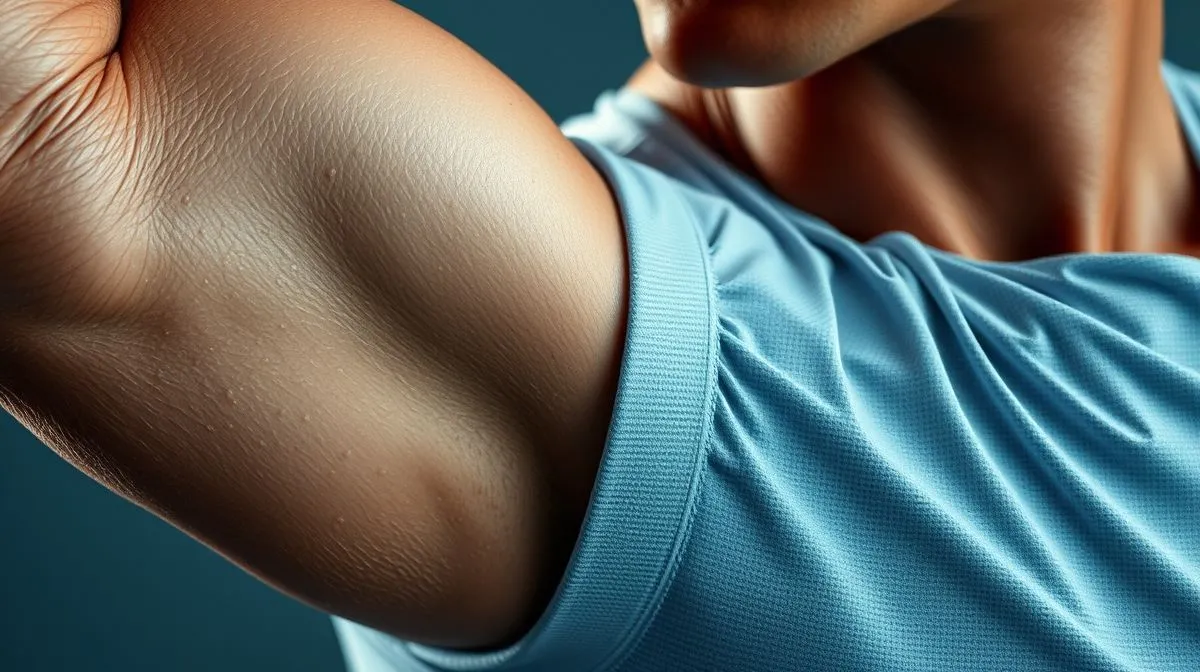
Unveiling the Science: How Do Performance Fabrics Manage Body Temperature?
Have you ever pushed your limits during a workout, only to feel your clothes become a heavy, damp burden, clinging uncomfortably to your skin? Or perhaps you've shivered through a cold-weather run, despite layering up, because your initial sweat turned icy against your body. This common scenario highlights a fundamental challenge: our bodies are constantly working to maintain a precise internal temperature, and traditional clothing often hinders, rather than helps, this crucial process.
The quest for optimal comfort and performance, whether in elite sports or daily life, hinges on effective thermoregulation. When our bodies overheat, performance plummets, and health risks rise. Conversely, excessive heat loss can lead to hypothermia. The problem lies in finding materials that can adapt to our body's dynamic needs, efficiently moving heat and moisture away when we're hot, and retaining warmth when we're cold.
This article will peel back the layers of textile innovation, revealing exactly how performance fabrics manage body temperature. We'll delve into the ingenious mechanisms behind these materials, from their microscopic structures to their advanced chemical compositions, equipping you with the knowledge to make informed choices that enhance your comfort, safety, and athletic prowess.
The Core Challenge: Why Body Temperature Matters
Our bodies are incredibly sophisticated machines, designed to operate within a narrow temperature range. The core body temperature, typically around 37°C (98.6°F), is vital for enzymatic reactions and cellular functions. Any significant deviation, whether too high or too low, can impair performance and even pose serious health risks.
Understanding Thermoregulation
Thermoregulation is the physiological process by which the body maintains its internal temperature. When we exercise, our muscles generate heat, causing our core temperature to rise. To counteract this, the body initiates cooling mechanisms, primarily sweating and increased blood flow to the skin. Sweat evaporates from the skin's surface, carrying heat away, while increased blood flow helps dissipate heat to the environment. Conversely, in cold conditions, the body conserves heat by constricting blood vessels and generates heat through shivering. For a deeper dive into this biological process, you can consult resources like Wikipedia's page on Thermoregulation.
The Dangers of Overheating and Hypothermia
Allowing our body temperature to drift too far from the optimal range has dire consequences. Overheating, or hyperthermia, can lead to heat exhaustion, heat stroke, and even organ damage. Symptoms include excessive sweating, dizziness, nausea, and confusion. On the other hand, hypothermia occurs when the body loses heat faster than it can produce it, leading to a dangerously low core temperature. Symptoms range from shivering and clumsiness to confusion and loss of consciousness. Performance fabrics play a critical role in mitigating these risks by actively supporting the body's natural thermoregulatory efforts.
The Science of Sweat: How Fabrics Interact with Moisture
Sweat is our body's primary cooling mechanism, but its effectiveness depends heavily on how it's managed. Traditional fabrics like cotton absorb sweat, becoming saturated and heavy, which actually inhibits evaporation and can leave the wearer feeling cold and clammy once activity ceases.
Wicking vs. Absorption
This is where the magic of moisture-wicking fabrics comes in. Unlike absorbent materials, wicking fabrics are engineered to transport sweat away from the skin's surface to the outer layer of the fabric, where it can evaporate more readily. This process, known as capillary action, relies on the unique structure of synthetic fibers, often polyester, nylon, or blends, which are hydrophobic (water-repelling). These fibers are spun into yarns with microscopic channels that literally pull moisture through them.
- Hydrophilic inner surface: Some advanced fabrics feature a dual-layer construction, with a slightly hydrophilic (water-attracting) inner surface to quickly pick up sweat, and a hydrophobic outer layer to spread it for evaporation.
- Fiber shape: Many wicking fibers are not perfectly round but have irregular, multi-lobed, or channelled cross-sections. This increases the surface area and creates more pathways for moisture transport.
Evaporative Cooling Explained
Once sweat is wicked to the fabric's surface, it's exposed to the air and evaporates. Evaporation is a cooling process because it requires energy (latent heat of vaporization) to change water from a liquid to a gas. This energy is drawn from the body and the surrounding environment, creating a cooling effect. By facilitating rapid evaporation, performance fabrics ensure that the body's natural cooling system operates at maximum efficiency, keeping you dry and comfortable.
Common moisture-wicking fabrics include:
- Polyester: Highly versatile, quick-drying, and durable.
- Nylon: Strong, elastic, and often used in blends for added comfort.
- Polypropylene: Extremely hydrophobic, excellent for base layers.
- Merino Wool: A natural fiber known for its excellent moisture management, odor resistance, and temperature regulation, despite being a natural fiber.
- Blends: Combinations of the above, often with spandex for stretch, to optimize performance and comfort.
Beyond Wicking: Breathability and Airflow
While wicking deals with liquid sweat, breathability addresses the movement of water vapor and air through the fabric. A fabric can be highly wicking but still feel stuffy if it doesn't allow air to circulate. Both aspects are crucial for comprehensive temperature management.
The Role of Fabric Structure
Breathability is largely determined by the fabric's construction – its weave, knit, and the density of its fibers. Loosely woven or knitted fabrics with a more open structure allow air and water vapor to pass through easily. This helps prevent the buildup of humid air next to the skin, which can lead to a clammy feeling even if sweat is being wicked away.
- Porous membranes: Some advanced fabrics incorporate microscopic pores that are large enough for water vapor molecules to escape but too small for liquid water droplets to penetrate, offering both breathability and water resistance (e.g., Gore-Tex).
- Ventilation zones: Apparel designers often strategically place mesh panels or lighter weaves in high-sweat areas like the armpits, back, or inner thighs to enhance localized airflow.
Air Permeability and Comfort
Air permeability refers to how easily air can pass through a fabric. High air permeability contributes significantly to comfort in warm conditions by allowing convective cooling – the process of cooler air moving across the skin and carrying away heat. In colder environments, however, a balance must be struck: enough breathability to prevent sweat buildup, but not so much that it causes excessive heat loss due to wind chill.
The interplay between wicking and breathability is what truly defines a high-performance fabric. A fabric that wicks sweat but isn't breathable will trap humid air, making you feel uncomfortable. Conversely, a highly breathable fabric that doesn't wick sweat will leave your skin damp. The best performance fabrics master both.
Insulation and Warmth: Keeping Heat In
Performance fabrics aren't just about keeping you cool; they're equally adept at keeping you warm in cold conditions. The principle here shifts from facilitating heat loss to minimizing it, often by trapping warm air close to the body.
Trapping Air: The Key to Warmth
The most effective insulators are not necessarily the thickest materials, but those that can trap a significant amount of still air. Air is a poor conductor of heat, meaning it doesn't transfer heat easily. By trapping air within their structure, fabrics create a thermal barrier that slows down the rate at which body heat escapes to the colder environment.
- Loft: Materials with high loft, like down feathers or synthetic fills, create numerous tiny air pockets.
- Brushed surfaces: Fabrics with a brushed interior (e.g., fleece) create a soft, fuzzy texture that traps air effectively, providing warmth without excessive bulk.
Advanced Insulating Materials
Modern insulation technologies go beyond simple air trapping:
- Synthetic insulation (e.g., PrimaLoft, Thinsulate): These materials are designed to mimic the insulating properties of down, often using fine, crimped fibers that create numerous air pockets. They have the added advantage of retaining warmth even when wet, unlike down.
- Fleece: Typically made from polyester, fleece fabrics are knitted and then brushed to create a soft, napped surface that traps air. They are lightweight, warm, and relatively quick-drying.
- Merino Wool: As mentioned earlier, merino wool fibers are naturally crimped, creating air pockets that provide excellent insulation. It also has the unique ability to generate a small amount of heat when absorbing moisture, which is beneficial in damp, cold conditions.
The key to effective cold-weather performance is often a layering system, where each layer contributes to moisture management and insulation, allowing you to adapt to changing conditions. The base layer wicks sweat, the mid-layer insulates, and the outer layer protects against wind and rain.
Smart Fabrics and Adaptive Technologies
The frontier of performance textiles is constantly expanding, with innovations moving beyond passive wicking and insulation to active, adaptive temperature management.
Phase Change Materials (PCMs)
Phase Change Materials (PCMs) are substances that absorb, store, and release large amounts of latent heat over a specific temperature range. When integrated into fabrics, PCMs can provide dynamic thermoregulation. For example, as your body heats up, the PCM embedded in the fabric melts, absorbing excess heat and creating a cooling sensation. As your body cools down, the PCM solidifies, releasing the stored heat back to the body, providing warmth. This technology is often used in bedding, activewear, and even astronaut suits to maintain a consistent microclimate around the body.
Biometric Integration
Some cutting-edge performance garments are now incorporating sensors that monitor physiological data like skin temperature, heart rate, and sweat rate. This data can then be used to provide real-time feedback to the wearer or even trigger adaptive responses within the fabric itself. While still in its early stages for widespread commercial use, this represents a significant leap towards truly personalized thermal comfort.
Choosing the Right Performance Fabric for Your Activity
Selecting the appropriate performance fabric is crucial for optimizing comfort and safety. The best choice depends heavily on the activity, the environment, and your personal physiology.
Activity-Specific Needs
- High-intensity aerobic activities (running, cycling): Prioritize maximum wicking and breathability to manage large amounts of sweat and heat. Lightweight polyesters and nylons are ideal.
- Cold-weather endurance sports (skiing, mountaineering): Focus on a layered system with a wicking base layer, an insulating mid-layer (fleece, synthetic insulation, merino wool), and a weather-protective outer shell.
- Low-intensity activities (yoga, casual wear): Comfort and stretch might be as important as wicking. Blends with spandex and softer finishes are suitable.
Reading Fabric Labels
Always check the fabric composition on the label. Look for terms like "100% polyester," "nylon blend," or "merino wool." Many brands also use proprietary names for their performance technologies (e.g., "Dri-FIT," "ClimaCool," "Omni-Wick"), which typically indicate advanced moisture management properties. Understanding these terms will help you discern exactly how performance fabrics manage body temperature in specific garments.
Consider the following when choosing:
- Fiber Type: Synthetic (polyester, nylon) for rapid wicking, Merino wool for versatile temperature regulation and odor control.
- Fabric Weight: Lighter weights for hot weather, heavier weights or brushed fabrics for cold.
- Construction: Open knits for breathability, tighter weaves for wind resistance.
- Fit: A comfortable, non-restrictive fit allows for better air circulation and wicking.
Common Misconceptions and How to Care for Performance Fabrics
Despite their advanced nature, performance fabrics aren't indestructible and require specific care to maintain their properties. There are also common misunderstandings about their capabilities.
The Myth of Cotton
One of the most persistent myths is that cotton is suitable for athletic wear. While soft and breathable in casual settings, cotton is a highly absorbent fiber. When it gets wet with sweat, it holds onto moisture, becomes heavy, and loses its insulating properties. This can lead to rapid heat loss in cold conditions (the "cotton kills" adage) or a clammy, uncomfortable feeling in warm weather. For any activity where you expect to sweat, cotton should be avoided in favor of synthetic or merino wool alternatives.
Washing and Drying Best Practices
Proper care is essential to preserve the wicking and breathability of performance fabrics. Harsh detergents, fabric softeners, and high heat can damage the fibers and clog the microscopic channels responsible for moisture transport.
- Wash cold: Use cold water and a gentle cycle to prevent shrinking and damage to synthetic fibers.
- Avoid fabric softener: Fabric softeners can leave a residue that clogs the pores of the fabric, reducing its wicking ability.
- Use mild detergent: Opt for a sport-specific detergent or a mild, liquid detergent. Avoid powders, which can leave residue.
- Air dry or low heat: High heat in dryers can damage elastic fibers and reduce the lifespan of the garment. Air drying is best; if using a dryer, select the lowest heat setting.
- Wash inside out: This helps protect the outer surface and any prints or logos.
Following these care instructions will ensure your performance gear continues to regulate your body temperature effectively for many activities to come.
The Future of Thermoregulating Textiles
The evolution of performance fabrics is far from over. Researchers and textile engineers are continually pushing the boundaries, developing materials that are even more efficient, sustainable, and responsive to the human body.
Nanotechnology and Beyond
Future innovations are likely to include:
- Nanotechnology: Incorporating nanoparticles to enhance properties like wicking, odor control, and even self-cleaning capabilities.
- Bio-mimicry: Drawing inspiration from natural systems, such as the cooling mechanisms of plants or animals, to design new fabric structures.
- Wearable electronics integration: Seamlessly embedding heating or cooling elements that can be actively controlled by the user or respond autonomously to environmental changes.
- Recyclable and biodegradable materials: A growing focus on creating performance fabrics that are environmentally friendly throughout their lifecycle.
Sustainability in Performance Wear
As the demand for performance apparel grows, so does the emphasis on sustainable production. Many brands are now using recycled polyester (RPET) made from plastic bottles, developing processes that reduce water and energy consumption, and exploring natural fibers like Tencel (lyocell) and hemp that offer excellent performance with a lower environmental footprint. The future of performance fabrics is not just about enhancing human performance but also about minimizing our impact on the planet.
Frequently Asked Questions (FAQ)
What's the main difference between cotton and performance fabrics for sweat? Cotton absorbs sweat and holds it, becoming heavy and damp, which can lead to chilling. Performance fabrics, typically synthetic or merino wool, wick sweat away from the skin to the fabric's surface where it can evaporate quickly, keeping you dry and comfortable.
Can performance fabrics really keep me cool in hot weather? Yes, by facilitating rapid sweat evaporation and promoting airflow, performance fabrics enhance your body's natural cooling mechanisms, helping to dissipate heat more efficiently than traditional materials.
Are all moisture-wicking fabrics the same? No, while they share the core principle of wicking, their effectiveness varies based on fiber type, weave, thickness, and any additional treatments or technologies incorporated. Higher-quality fabrics often offer superior wicking, faster drying times, and better durability.
How long do performance fabrics last? With proper care, performance fabrics can last for many years. However, their lifespan can be shortened by improper washing (e.g., using fabric softener), high heat drying, or excessive abrasion.
Is it worth investing in high-end performance gear? For serious athletes or individuals who regularly engage in demanding physical activities, the investment is often worthwhile. High-end gear typically offers superior comfort, durability, and more effective thermoregulation, which can significantly enhance performance and safety.
Recommended Reading
- Eco-Friendly Athletic Wear: Sustainable Synthetics Unveiled!
- Haute Couture Consultations: Ask These Questions!
- Broadway Costume Design: The Ultimate Guide to Stage Magic!
- Unleash Your True Self: How to Develop a Unique Personal Street Style
- Apple Picking Perfection: Best Fall Accessories for Your Outfit
Conclusion
The ability of performance fabrics to regulate body temperature is a testament to ingenious textile engineering and a deep understanding of human physiology. From the microscopic channels that wick sweat away to the air-trapping structures that insulate against cold, these materials are designed to work in harmony with our bodies. By understanding how performance fabrics manage body temperature, we can make informed choices that not only enhance our comfort and performance during physical activity but also contribute to our overall well-being. Embrace the science, choose your gear wisely, and experience the transformative power of intelligent textiles.


Your email address will not be published. Required fields are marked *