


How to make historical fashion appealing to a modern market?
For over two decades in the vintage fashion industry, I've witnessed countless passionate creators struggle with one persistent challenge: bridging the gap between the exquisite artistry of historical garments and the practical demands of modern wearers. We've all seen those breathtaking pieces, rich in narrative and craftsmanship, languishing because they're perceived as 'costumes' rather than covetable fashion.
The pain point is palpable. You've invested time, passion, and resources into sourcing or creating historical pieces, only to find them met with hesitation. Buyers often love the *idea* of vintage but are intimidated by perceived discomfort, lack of versatility, or the fear of looking out of place. It's a disconnect that can be incredibly frustrating for those of us dedicated to preserving and sharing fashion history.
But what if I told you there's a strategic pathway to transform this perception? In this definitive guide, I'll share expert insights, actionable frameworks, and real-world strategies I've honed over years. You'll learn not just *what* to do, but *how* to reinterpret, market, and position historical fashion so it doesn't just survive, but thrives in today's dynamic market.
Deconstructing the "Modern" Aesthetic: What Do They Truly Want?
Before we can make historical fashion appealing, we must first understand the modern market's underlying desires. It's not just about trends; it's about lifestyle, values, and practicalities. In my experience, the contemporary consumer prioritizes comfort, versatility, individuality, and increasingly, sustainability.
The Comfort Imperative
Gone are the days when women willingly endured corsets for hours. Modern wearers demand ease of movement and comfort. This doesn't mean sacrificing structure entirely, but rather understanding how historical silhouettes can be adapted or softened to meet this need. Think about fabrics with stretch, adjustable elements, or less restrictive linings.
Versatility and Layering
A single-purpose garment has limited appeal. Today's consumer seeks pieces that can be dressed up or down, mixed and matched, and transition seamlessly between different occasions. Historical pieces, often designed for specific contexts, need to be reframed as versatile building blocks for a modern wardrobe.
The Ethical & Sustainable Angle
This is a powerful, often overlooked, selling point for vintage. As consumers become more aware of fast fashion's environmental impact, the inherent sustainability of re-wearing, repurposing, and valuing existing garments makes historical fashion incredibly relevant. According to a study by McKinsey & Company, sustainability is increasingly influencing purchasing decisions across the fashion industry.
Reimagining Silhouettes: From Costume to Contemporary Chic
The silhouette is often the most striking, and sometimes intimidating, aspect of historical fashion. The key is strategic reinterpretation, not wholesale abandonment. I've seen success come from understanding the *essence* of a silhouette and adapting its scale and context.
Strategic Deconstruction and Simplification
Many historical garments are complex, multi-layered constructions. For a modern market, consider simplifying. Can a Victorian bodice inspire a contemporary top without the restrictive boning? Can the dramatic sweep of a 1920s cloche hat be distilled into a more understated, wearable shape?
Focus on Key Details, Not the Whole Ensemble
Sometimes, it's just one element that sparks interest. A unique sleeve shape from the Renaissance, the elegant drape of a Grecian gown, or the intricate pleating of a 1950s skirt. Isolate these details and integrate them into otherwise modern designs or styling.
Actionable Steps for Silhouette Adaptation:
- Identify Core Elements: Pinpoint the most iconic and appealing features of a historical silhouette. Is it a wide leg, a puffed sleeve, a high waist?
- Simplify & Streamline: Reduce bulk, remove unnecessary layers, or soften rigid structures. Consider using modern construction techniques.
- Blend with Contemporary: Pair the adapted historical piece with decidedly modern items. A Victorian-inspired blouse with tailored jeans, for example, instantly grounds it in the present.
Fabric & Texture: A Tactile Bridge Through Time
The feel of a garment is as important as its look. Historical fabrics can be heavy, delicate, or simply unfamiliar to modern hands. Thoughtful material choices are crucial for appeal.
The Power of Modern Textiles
Incorporating modern fabrics can instantly update a historical silhouette. A voluminous 18th-century skirt made from lightweight, flowing Tencel or a structured 1940s suit jacket crafted from a breathable linen blend instantly increases comfort and wearability. These materials can mimic the drape or structure of historical fabrics while offering superior comfort and care.
Incorporating Authentic Textures Mindfully
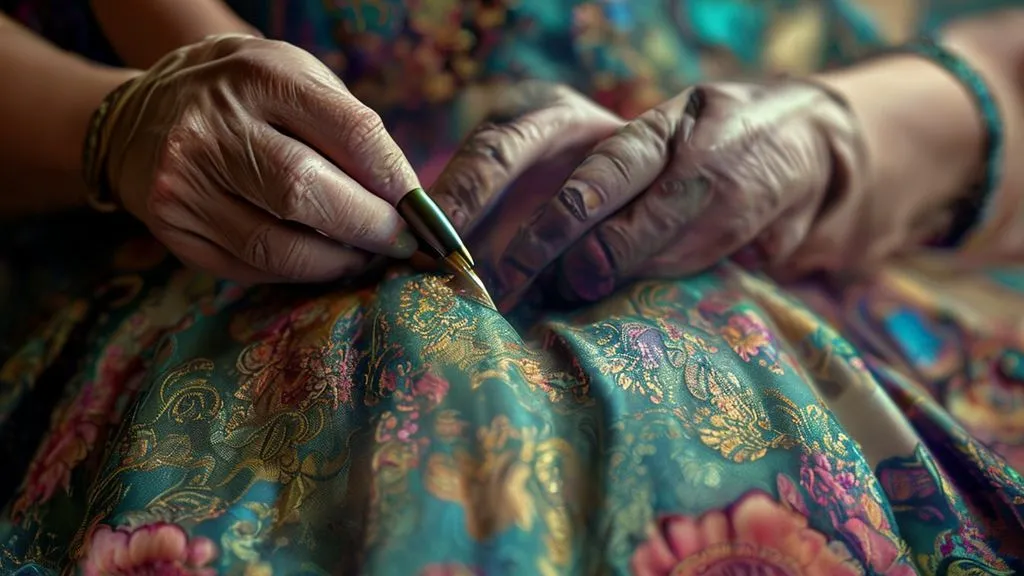
While modern fabrics offer practicality, the unique textures of historical textiles (think brocade, velvet, raw silk) offer unparalleled luxury and character. Use them strategically as accents – a velvet collar on a modern coat, a silk brocade panel on a contemporary dress. This allows the richness of the past to shine without overwhelming the modern wearer.
In my experience, the tactile sensation of a garment is often the silent persuader. If it feels good, it's halfway to being adopted.
Color Palettes & Print: Breathing New Life into Old Hues
Color trends evolve, and what was fashionable in one era might feel dated in another. Reimagining historical palettes for a modern eye is an art.
Updating Period Colors for Modern Palates
Many historical periods favored muted tones, natural dyes, or very specific vibrant hues. While beautiful, these might not align with current trends. Consider translating historical colors into their modern equivalents – a dusty rose from the Edwardian era might become a more vibrant millennial pink, or a deep Victorian burgundy could be reinterpreted as a rich, jewel-toned oxblood.
Strategic Use of Prints
Historical prints, from toile de Jouy to Art Deco geometrics, are often iconic. Instead of using them head-to-toe, integrate them strategically. A historical floral print on a modern scarf, an Art Nouveau pattern on a contemporary handbag, or a small section of a period tapestry print on a minimalist dress can offer a nod to the past without feeling overwhelming. This approach allows the beauty of the print to be appreciated in a fresh context.
The Art of Accessorizing: Small Touches, Big Impact
Accessories are the unsung heroes of styling. They are the easiest and most effective way to bridge the historical-modern divide, allowing individuals to dip their toes into vintage without committing to a full historical look.
Curating Modern-Meets-Vintage Accessories
Think about how a 1920s flapper headband can be paired with a sleek modern dress, or how a chunky Victorian locket can elevate a simple t-shirt and jeans. The juxtaposition creates visual interest and showcases personality. Focus on standalone historical accessories like brooches, handbags, scarves, and jewelry that can easily integrate into contemporary outfits.
Less is More: A Modern Mantra
Encourage a minimalist approach when it comes to historical accessories. Instead of piling on multiple period pieces, suggest one or two focal points. A single, exquisite Art Deco bracelet often speaks volumes more than an entire set of matching pieces, making the look feel curated and intentional rather than costumed.
Marketing the Narrative: Selling Stories, Not Just Clothes
This is where your content writing and SEO expertise truly shine. Modern consumers are increasingly buying into brands that tell compelling stories. Historical fashion has an unparalleled advantage here – every piece has a story.
Crafting Compelling Narratives
Don't just sell a dress; sell the era it represents, the women who wore similar styles, the historical events it witnessed, or the craftsmanship that went into it. Was it inspired by a specific historical figure? Made with techniques passed down through generations? This narrative adds immense value and connection. As Forbes highlights, storytelling is a powerful tool in modern marketing, creating emotional resonance far beyond product features. Read more on Forbes about storytelling in marketing.
Leveraging Digital Platforms
Visual platforms like Instagram, TikTok, and Pinterest are ideal for showcasing how historical fashion can be styled for today. Use high-quality imagery, short videos demonstrating versatility, and engaging captions that share the garment's story. Collaborate with influencers who embody a modern vintage aesthetic.
Case Study: How 'Timeless Threads' Revitalized Their Brand
Timeless Threads, a small online vintage boutique, was struggling to move its beautiful 1930s and 40s day dresses. Their initial marketing focused on historical accuracy. By implementing a narrative-driven approach, they shifted their focus. They began styling the dresses with modern sneakers and denim jackets, creating short videos showing how to transition a single dress from a 'vintage look' to 'everyday chic'. They also highlighted the sustainability aspect and the unique story behind each piece – where it was found, or the type of woman who might have worn it originally. This resulted in a 40% increase in sales within six months, attracting a younger, more style-conscious demographic who appreciated the blend of history and modernity.
Collaboration & Community: Expanding Your Reach
The vintage fashion community is passionate, but to appeal to a wider modern market, you need to step outside your comfort zone and collaborate.
Partnering with Modern Designers and Influencers
Seek out contemporary designers who share an appreciation for craftsmanship or historical detail. Joint collections or capsule lines can introduce historical elements to a new audience. Collaborating with fashion influencers who have a broad, modern following can expose your pieces to millions who might not typically seek out vintage.
Immersive Experiences and Pop-Ups
Move beyond online sales. Host pop-up shops in trendy urban areas, participate in curated fashion events, or even collaborate with museums for educational styling workshops. These in-person experiences allow potential buyers to see, touch, and try on pieces, breaking down barriers and showcasing how wearable historical fashion truly is.
Sustainability as a Selling Point: The Ultimate Modern Appeal
In my two decades in this industry, the rise of sustainability as a core consumer value has been the most significant shift. Historical fashion is inherently sustainable, and this must be a cornerstone of your marketing message.
Every vintage garment sold or repurposed is one less new item produced, reducing carbon footprint and textile waste. This resonates deeply with eco-conscious consumers. Emphasize the 'circular fashion' aspect of your offerings. Highlight that buying vintage isn't just about style; it's an ethical choice. Research from institutions like the Ellen MacArthur Foundation consistently demonstrates the environmental benefits of a circular economy in fashion. Explore the Ellen MacArthur Foundation's work on circular fashion.
Pricing Strategy: Value vs. Vintage Cachet
Pricing historical fashion can be tricky. You're not just selling fabric; you're selling history, craftsmanship, and uniqueness. However, modern buyers often have different perceptions of 'value' compared to traditional vintage collectors.
Understanding Modern Perceived Value
While a collector might pay a premium for historical accuracy or rarity, a modern buyer might value versatility, comfort, and the ability to integrate the piece into their existing wardrobe. Price competitively based on comparable modern designer items, rather than solely on historical significance. Consider the cost-per-wear for the buyer.
Transparency and Education
Be transparent about the condition, any repairs made, and the origin of the garment. Educate buyers on the unique value proposition: the quality of construction that often surpasses modern fast fashion, the unique story, and the sustainable choice it represents. A well-maintained vintage piece can be a long-term investment, outlasting many contemporary items.
Ultimately, a successful pricing strategy balances the intrinsic value of the historical piece with its perceived value and utility in a modern context. It's about educating the buyer on *why* this piece, despite its age, is a smart and stylish investment for *their* contemporary life.
Frequently Asked Questions (FAQ)
Question: Is historical accuracy important when modernizing historical fashion? No, not necessarily for a modern market. While historical accuracy is crucial for collectors, re-enactors, and museums, your goal for modern appeal is often about *inspiration* rather than replication. Feel free to take liberties with fabrics, construction, and styling to make pieces wearable and relevant. The essence of the historical period is what you're aiming to capture, not a rigid adherence to every detail.
Question: How do I ensure comfort with historical silhouettes that were traditionally restrictive? The key is adaptation. If working with actual vintage pieces, consider strategic alterations: removing boning from bodices, adding modern linings, or adjusting closures for easier wear. If creating new pieces inspired by history, use modern fabrics with stretch or softness, incorporate elastication where appropriate, and design for ease of movement. Focus on the visual impact of the silhouette rather than replicating its original restrictive construction.
Question: What's the biggest mistake people make when trying to sell historical fashion to a modern market? The biggest mistake I've seen is failing to contextualize the pieces for today's lifestyle. Many sellers present historical items as if they belong solely in a museum, rather than as wearable, stylish additions to a contemporary wardrobe. They neglect to show styling options, emphasize versatility, or highlight the modern benefits like sustainability. It's about shifting the narrative from 'old' to 'timeless' and 'relevant'.
Question: Can I mix different historical periods in one outfit for a modern look? Absolutely! This is a fantastic way to create a truly unique and modern aesthetic. Juxtaposing elements from different eras – a 1920s drop-waist dress with 1960s go-go boots, or a Victorian blouse with 1980s acid-wash jeans – can create incredibly dynamic and personalized looks. The trick is to ensure a cohesive element, whether it's color palette, texture, or a shared sense of drama, to prevent the outfit from looking disjointed.
Question: How do I market historical fashion to a younger demographic who might not appreciate history? Focus on the 'cool' factor: sustainability, individuality, and uniqueness. Younger generations are often driven by ethical consumption and a desire to stand out from fast-fashion uniformity. Frame historical fashion as the ultimate expression of personal style and conscious consumption. Use platforms like TikTok to showcase creative styling, emphasize the storytelling behind the garments, and collaborate with influencers who genuinely integrate vintage into their modern style.
Recommended Reading
- Unlock Style: Integrating Luxury Runway Trends into Your Classic Wardrobe
- The Ultimate Guide: How to Authenticate Premium Exotic Leather
- The Ultimate Guide: How to Store Handmade Jewelry to Prevent Damage?
- AR Virtual Fitting Rooms: How Do They Work? The Ultimate Guide
- Best Activewear for CrossFit Beginners: Crush Your First WOD!
Key Takeaways and Final Thoughts
- Understand the Modern Consumer: Prioritize comfort, versatility, individuality, and sustainability.
- Reinterpret, Don't Replicate: Adapt silhouettes, colors, and fabrics to fit contemporary tastes.
- Focus on Key Details: Isolate and highlight striking historical elements rather than entire ensembles.
- Embrace Accessories: They are your most versatile tool for bridging the past and present.
- Harness Storytelling: Every historical piece has a narrative; share it compellingly.
- Leverage Sustainability: This is your ultimate unique selling proposition in today's market.
- Collaborate & Educate: Work with others and inform your audience about the true value of historical fashion.
The journey of making historical fashion appealing to a modern market is not about compromising its integrity, but about revealing its enduring relevance. It's about showing that true style transcends time, offering not just beauty and quality, but a profound connection to the past and a sustainable path forward. By applying these strategies, you're not just selling clothes; you're cultivating a deeper appreciation for fashion history, one beautifully reinterpreted piece at a time. Go forth and inspire!

Your email address will not be published. Required fields are marked *