

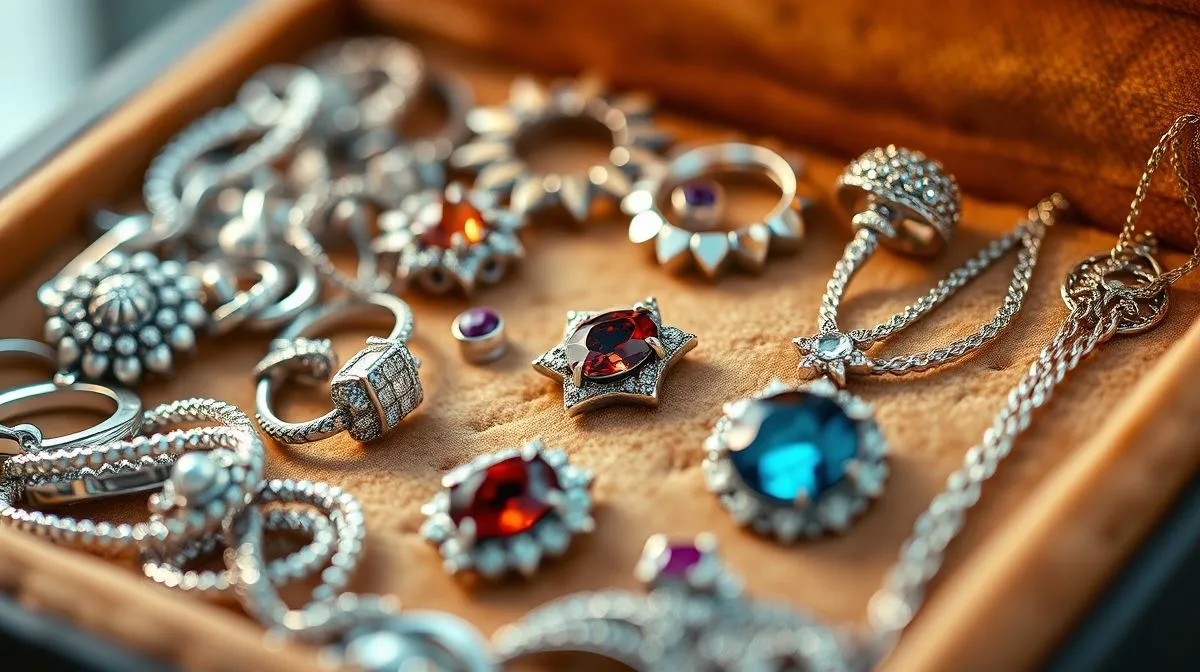
How to Store Handmade Jewelry to Prevent Damage?
Imagine unwrapping a beloved, intricately crafted necklace, only to find its once vibrant silver dulled by tarnish, or a delicate bracelet tangled beyond recognition. It's a disheartening moment, isn't it? Each piece of handmade jewelry tells a story, holds a memory, or represents the artisan's passion. Yet, so often, these treasures fall victim to the silent ravages of time and improper care.
The beauty and longevity of your unique, handcrafted pieces aren't just about how you wear them; they're fundamentally tied to how you store them. Without a thoughtful approach, even the most robust designs can succumb to scratches, tarnish, breakage, or environmental degradation. This isn't merely about aesthetics; it's about preserving the integrity and value of something truly special.
This comprehensive guide will illuminate the path to impeccable jewelry preservation. You'll learn the crucial factors that contribute to damage, discover the best materials and techniques for storage, and master the art of keeping your handmade jewelry pristine for generations. By the end of this reading, you'll possess the knowledge to confidently store handmade jewelry to prevent damage, ensuring every piece remains as radiant as the day it was created.
The Silent Saboteurs: Understanding Jewelry Damage
To effectively protect your handmade jewelry, it's essential to understand the enemies it faces. Damage isn't always a dramatic break; often, it's a slow, insidious process caused by seemingly benign factors.
Tarnish: The Unwanted Patina
Tarnish is arguably the most common culprit, particularly for silver, copper, and brass. It's a chemical reaction, usually with sulfur compounds in the air, creating a dull, dark layer on the metal surface. This isn't dirt; it's a chemical change that, if left unchecked, can become deeply ingrained and harder to remove. Humidity significantly accelerates this process, turning a shiny piece into a lackluster one overnight.
Scratches, Dents, and Breakage
Physical damage is often a result of mishandling or improper storage. When pieces are piled together, harder metals or gemstones can scratch softer ones. Delicate chains can tangle into impossible knots, leading to breakage when force is applied to untangle them. Dents can occur from impact, even light ones, especially on hollow or softer metal designs. The key here is preventing contact and providing adequate support.
Environmental Enemies: Humidity, Light, and Chemicals
Beyond tarnish, environmental factors play a huge role. Humidity is a significant accelerator for tarnish and can also degrade organic materials like leather or thread. Direct sunlight can fade certain gemstones (like amethyst or topaz) and organic materials (like pearls or coral). Chemicals, found in perfumes, hairspray, lotions, and even household cleaners, can cause irreversible damage to metals, stones, and finishes. Even the oils from your skin, over time, can contribute to degradation if not cleaned off before storage.
The Foundation of Protection: Choosing the Right Storage Materials
The choice of storage material is paramount in preventing damage. It acts as the first line of defense against environmental threats and physical harm.
Soft Linings: Velvet, Silk, and Felt
The interior of any jewelry storage solution should be lined with a soft, non-abrasive fabric. Velvet, silk, and felt are ideal choices as they prevent scratching and provide a gentle cushion for delicate pieces. Avoid materials that can shed fibers or contain dyes that might transfer to your jewelry. These linings also help absorb minor impacts and reduce movement within the storage unit.
Air-Tight Containers and Anti-Tarnish Strips
For highly susceptible metals like sterling silver, an air-tight environment is crucial to slow down the tarnishing process. Small, sealed plastic bags (specifically designed for jewelry, often made of polyethylene) or sealed containers can be highly effective. To further combat tarnish, consider adding anti-tarnish strips (also known as intercept technology strips) inside these containers. These strips absorb airborne pollutants that cause tarnish. You can find more information on the science behind tarnish and its prevention on authoritative resources like Wikipedia's Tarnish page.
Individual Pouches and Compartments
The golden rule for preventing scratches and tangles is to store each piece individually. Small, soft fabric pouches (flannel or velvet are excellent) are perfect for this. Alternatively, jewelry boxes with multiple compartments or dividers ensure that necklaces don't tangle with earrings, and rings don't scratch bracelets. This separation is key for maintaining the pristine condition of each item.
Desiccants for Humidity Control
In humid climates, or for very sensitive pieces, desiccants like silica gel packets can be a lifesaver. These small packets absorb moisture from the air, creating a drier environment within your jewelry box or container, thereby significantly reducing the risk of tarnish and other moisture-related damage. Replace them periodically as they become saturated.
Beyond the Box: Strategic Organization Techniques
Effective organization goes beyond simply having a box; it's about implementing systems that make access easy and damage prevention intuitive.
Categorization by Material or Type
Group your jewelry by material (e.g., all silver together, all gold, all pieces with pearls) or by type (necklaces, earrings, rings, bracelets). This makes it easier to apply specific care routines and prevents reactions between different metals or stones. For instance, storing pearls separately is crucial due to their delicate nature.
Vertical Storage Solutions (Hanging Organizers)
For necklaces, especially long or delicate ones, vertical storage is a game-changer. Hanging organizers, jewelry trees, or wall-mounted hooks prevent tangling and allow gravity to keep chains straight. Ensure hooks are smooth and wide enough not to kink chains. This also makes selecting a piece much easier, as everything is visible.
Drawer Inserts and Dividers
If you prefer drawer storage, invest in or create custom drawer inserts with individual compartments. Foam inserts, velvet trays, or even DIY solutions using cardboard and fabric can be incredibly effective. The goal is to create a dedicated space for each item, preventing them from shifting and colliding when the drawer is opened or closed.
The "Wear Often" vs. "Special Occasion" Approach
Consider dividing your collection into pieces you wear frequently and those reserved for special occasions. Store the daily wear items in an easily accessible, yet protected, location. The special occasion pieces can be stored more securely, perhaps in air-tight containers or dedicated vaults, minimizing their exposure to environmental factors when not in use.
Pre-Storage Rituals: Cleaning and Preparation
Before any piece of jewelry goes into storage, a brief ritual of cleaning and preparation can make a world of difference in its long-term preservation.
Gentle Cleaning for Different Materials
Always clean your jewelry before storing it. Body oils, lotions, perfumes, and even dust can accumulate and accelerate tarnish or dullness. For most metals and hard gemstones, a soft cloth (like microfiber) is sufficient. For more thorough cleaning, use a mild soap and warm water solution, followed by a gentle rinse and thorough drying. Be mindful of specific material needs; for example, pearls should only be wiped with a damp, soft cloth, never submerged or cleaned with harsh chemicals. The Gemological Institute of America (GIA) offers excellent guidelines on proper jewelry care and cleaning for various materials.
Ensuring Complete Dryness
This step is critical and often overlooked. Any residual moisture can lead to tarnish, water spots, or even mildew on organic components. After cleaning, gently pat dry with a soft, lint-free cloth. For intricate pieces, allow them to air dry completely for several hours, or even overnight, before placing them in sealed containers. A small fan can accelerate the drying process, but avoid direct heat.
Inspecting for Weaknesses Before Storage
Before putting a piece away, take a moment to inspect it. Check clasps for looseness, prongs for bent or missing tips, and chains for any signs of wear or impending breakage. Addressing minor issues before storage can prevent bigger problems later. If you find a weakness, consider having it repaired by a professional jeweler before storing it, especially if it's a piece you cherish.
Dispelling Myths and Avoiding Common Mistakes
Even with the best intentions, certain habits can inadvertently harm your handmade jewelry. Knowing what to avoid is as important as knowing what to do.
The 'Jewelry Piling' Pitfall
One of the most common mistakes is simply tossing all your jewelry into a single box or drawer. This creates a chaotic environment where pieces rub against each other, leading to scratches, tangles, and breaks. Harder stones can damage softer metals, and delicate chains become an inextricable mess. Always prioritize individual storage or at least effective compartmentalization.
Forgetting Humidity and Temperature
Storing jewelry in bathrooms or near windows where humidity and temperature fluctuate wildly is a recipe for disaster. High humidity accelerates tarnish and can damage organic materials. Extreme temperature changes can also affect certain gemstones or cause expansion/contraction of metals, potentially loosening settings. Choose a cool, dry, and stable environment for your jewelry collection.
Storing Dirty Jewelry
As mentioned, storing jewelry with accumulated body oils, dirt, or cosmetic residues is detrimental. These substances can actively contribute to corrosion, dullness, and the build-up of grime that becomes harder to remove over time. Make cleaning a quick, non-negotiable step before putting any piece away for extended periods.
Ignoring Material Sensitivities
Not all jewelry is created equal. What's good for a diamond might be disastrous for a pearl. Treating all your jewelry the same, regardless of its constituent materials (metals, gemstones, organic elements like wood or leather), is a common oversight. Always research the specific care needs of unique materials within your handmade pieces and tailor your storage solutions accordingly.
Specialized Storage for Unique Pieces
Some handmade jewelry pieces require extra consideration due to their unique properties or components. Understanding these nuances is key to their long-term survival.
Gemstones: Light Sensitivity and Hardness
Different gemstones have varying degrees of hardness and sensitivity to light and chemicals. Opals, pearls, and turquoise, for example, are softer and more porous, making them susceptible to dehydration or chemical damage. Amethysts and topaz can fade in prolonged direct sunlight. Store these pieces away from light and in environments with stable humidity. Harder stones like diamonds or sapphires can scratch softer materials, emphasizing the need for individual compartments.
Pearls: The Need for Breathability
Pearls are organic and require moisture to prevent drying out and cracking. They should never be stored in air-tight plastic bags, which can strip them of essential moisture. Instead, store pearls in a soft cloth pouch (like silk or velvet) within a jewelry box, allowing them to breathe. Keep them away from extreme temperatures and chemicals.
Leather and Fabric Components
Handmade jewelry often incorporates leather, fabric, or other organic materials. These are susceptible to mold, mildew, and degradation from humidity. Ensure these pieces are completely dry before storage. Store them in breathable pouches or boxes, away from high humidity. Regularly air them out if stored for long periods.
Wire-Wrapped and Beaded Designs
These intricate designs can be particularly vulnerable to tangling and bending. For wire-wrapped pieces, ensure they are stored flat or hung in a way that supports their structure, preventing the wire from deforming. Beaded necklaces or bracelets should ideally be laid flat or hung to prevent stress on the stringing material. Avoid piling them, as this can cause beads to chip or threads to fray.
Traveling with Treasures: Portable Protection
The journey can be just as perilous as improper home storage for your beloved pieces. Protecting your handmade jewelry on the go requires dedicated solutions.
Dedicated Travel Cases
Invest in a compact travel jewelry case designed with individual compartments, ring rolls, and necklace hooks. These cases are typically padded and often feature soft linings to prevent scratching and tangling during transit. Look for ones with secure closures to prevent accidental spills. Many high-quality options offer hard exteriors for added crush protection.
DIY Solutions for Temporary Storage
If a dedicated case isn't available, creative DIY solutions can work for short trips. Use small, soft cloth pouches for individual pieces. Thread delicate necklaces through straws to prevent tangling. Wrap rings and earrings in a soft cloth and secure them with a rubber band. Always pack jewelry within a hard-sided piece of luggage, away from heavy items that could crush it.
The Long-Term Preservation Philosophy
Effective jewelry storage is not a one-time task but an ongoing commitment. It's about adopting a philosophy of care that ensures your pieces endure.
Regular Inspection and Maintenance
Even perfectly stored jewelry benefits from periodic checks. Every few months, take out your less-worn pieces, inspect them for any signs of tarnish, damage, or degradation. Give them a quick wipe-down and re-store them. This proactive approach helps catch minor issues before they become significant problems.
Documenting Your Collection
For valuable or sentimental handmade pieces, consider documenting your collection. Take photos, note down materials, and record any unique characteristics. This not only serves as a personal inventory but can also be invaluable for insurance purposes or in case of loss or damage. Knowing the specifics of each piece helps in its proper care and storage.
Frequently Asked Questions (FAQ)
Can I store all my handmade jewelry together? No, it's highly recommended to store handmade jewelry individually or in separate compartments. Mixing different metals, stones, and delicate designs can lead to scratches, tangles, and accelerated tarnishing due to chemical reactions.
How often should I clean my jewelry before storing it? Ideally, you should give your jewelry a quick wipe with a soft cloth after every wear to remove body oils and dirt. For deeper cleaning, do it periodically or before storing pieces for an extended period, ensuring they are completely dry before putting them away.
Is it okay to store jewelry in the bathroom? No, bathrooms are typically high in humidity, which is detrimental to most jewelry metals and can accelerate tarnish. It's best to store jewelry in a cool, dry place away from direct sunlight and fluctuating temperatures.
Do anti-tarnish strips really work? Yes, anti-tarnish strips contain activated charcoal or other materials that absorb airborne pollutants like sulfur compounds, which are the primary cause of tarnish on silver and other reactive metals. They are very effective when used in an air-tight container.
How do I prevent delicate chains from tangling? The best methods are hanging them vertically on a jewelry tree or wall hooks, or storing them individually in small pouches. For travel, threading them through a straw can also be an effective temporary solution.
Recommended Reading
- Best Affordable Streetwear Brands 2024: Your Ultimate Guide to Stylish Savings
- Petite Perfection: Your Guide to Classic Wardrobe Essentials
- Beat the Shine: The Ultimate Makeup Guide for Oily Skin This Summer
- Most Flattering Denim Wash for Men: Look Your Best!
- Style a Pearl Necklace Everyday? The Ultimate Style Guide!
Conclusion
The journey of preserving handmade jewelry is a rewarding one, transforming a simple act of storage into a dedicated practice of care. By understanding the common threats, selecting appropriate materials, implementing strategic organization, and maintaining diligent pre-storage rituals, you can significantly extend the life and beauty of your cherished pieces. Remember that each item is unique, and tailoring your approach to its specific needs is paramount. Armed with this knowledge, you are now equipped to confidently store handmade jewelry to prevent damage, ensuring that these irreplaceable treasures continue to sparkle and tell their stories for years, even generations, to come. Embrace this art of preservation, and your collection will thank you.

Your email address will not be published. Required fields are marked *