

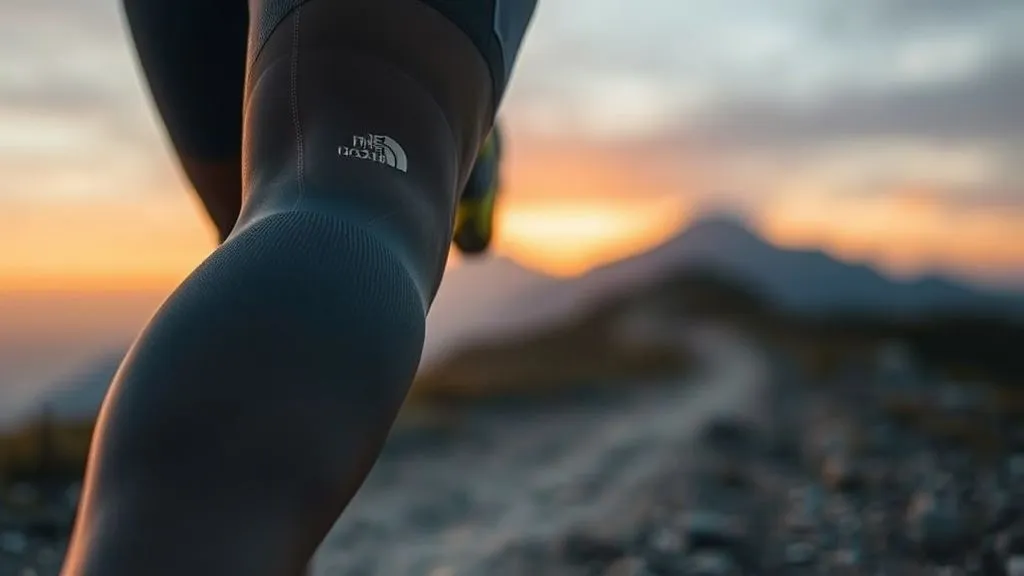
How to design activewear that prevents chafing during ultra-marathons?
For over two decades in the activewear industry, I've seen countless innovative designs that push the boundaries of performance and comfort. Yet, one persistent, performance-sapping nemesis remains for ultra-marathoners: chafing. It's a problem I’ve personally tackled in design labs and witnessed firsthand on gruelling trails, often turning a triumphant finish into a painful ordeal.
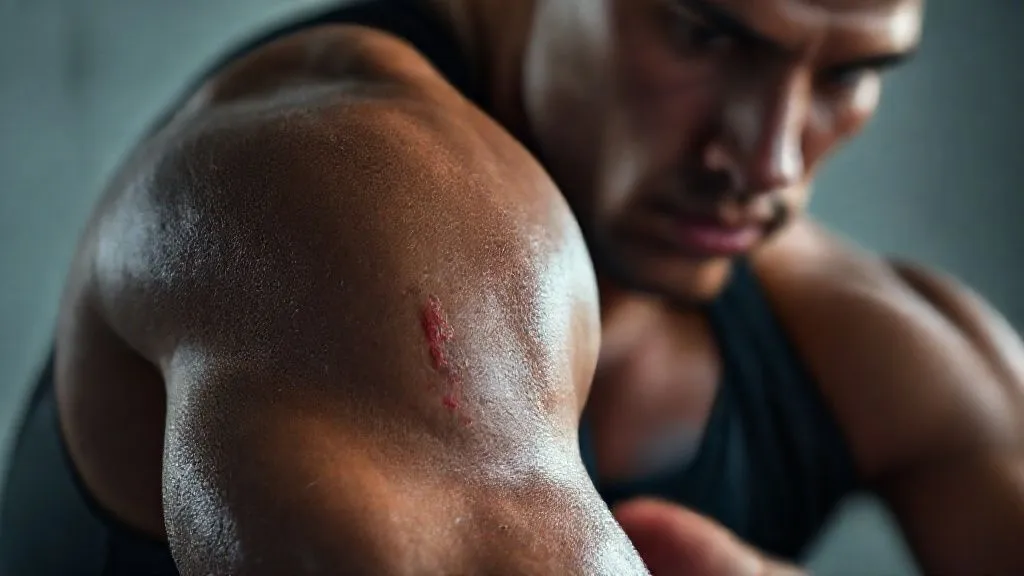
The agony of chafing isn't just a minor discomfort; it’s a significant barrier to performance, capable of derailing months of training and shattering mental fortitude. When skin-on-skin or fabric-on-skin friction, exacerbated by sweat and repetitive motion, leads to raw, irritated patches, even the most seasoned athlete can be brought to a halt. This isn't a problem that can be 'run through'; it demands a proactive, intelligent design solution.
In this definitive guide, I will share the distilled wisdom of years spent at the forefront of activewear innovation. We'll delve into the precise engineering principles, material science breakthroughs, and strategic design considerations that are absolutely essential to creating activewear that truly prevents chafing during ultra-marathons. You’ll learn not just what works, but why, equipped with actionable frameworks and expert insights to revolutionise your approach.
The Science of Skin: Understanding Chafing in Extreme Conditions
Before we can design effective solutions, we must first deeply understand the problem. Chafing, in its simplest form, is skin irritation caused by friction, typically exacerbated by moisture and repetitive motion. During an ultra-marathon, these three factors converge in their most extreme manifestations, creating a perfect storm for skin breakdown.
Friction, Moisture, and Material Interaction
The human body is a dynamic system. As we run, our limbs move, skin folds rub against each other, and fabric slides across our bodies. This constant motion generates friction. When sweat enters the equation, it acts as a saline lubricant initially, but as it dries, it leaves behind salt crystals that can increase abrasiveness. Furthermore, saturated fabric can become heavier and less pliable, increasing its tendency to bunch and rub.
“Chafing isn't merely an annoyance; it’s a mechanical failure of the skin’s protective barrier, accelerated by the relentless combination of friction, moisture, and unsuitable material interaction over extended periods.”
The interplay between your skin, your sweat, and the fabric of your activewear is crucial. A fabric that wicks moisture poorly, has a rough surface texture, or becomes stiff when wet will inevitably contribute to chafing. Conversely, a fabric designed to manage moisture, reduce friction, and maintain its structural integrity under duress is your ally.
Key factors contributing to chafing during ultra-marathons include:
- Repetitive Motion: Hours of continuous running means millions of micro-abrasions.
- Sweat Accumulation: Moisture softens skin, making it more susceptible to friction, and salt crystals can act as an abrasive.
- Ill-Fitting Garments: Too loose, and fabric bunches; too tight, and it creates pressure points.
- Rough Seams and Edges: Any raised or stiff point can become a hotspot.
- Incompatible Fabrics: Materials that trap moisture or have high coefficients of friction.
Fabric Selection: Your First Line of Defense Against Friction
In my experience, the choice of fabric is paramount. It’s the foundational layer of defense, and getting it right can mitigate 80% of potential chafing issues. We're not just looking for 'performance fabric'; we're looking for engineered textiles designed for ultra-endurance.
Moisture-Wicking Wonders
The ability of a fabric to pull moisture away from the skin and disperse it for quick evaporation is non-negotiable. This keeps the skin drier, reducing its susceptibility to friction and softening. High-performance polyester, nylon, and specific blends are engineered with capillary action in mind, featuring micro-channels or treated fibers that actively transport sweat.
Low-Friction Fibers: Polyester, Nylon, and Blends
While cotton might feel soft initially, it absorbs moisture like a sponge, stays wet, and becomes highly abrasive. For ultra-marathons, we need synthetic champions. Polyester and nylon are excellent choices due to their inherent hydrophobic properties (they repel water) and smooth surface structures. Blends often combine the best attributes, for example, nylon for durability and stretch, with polyester for superior wicking.
The Role of Elastane and Compression
Elastane (Spandex or Lycra) is crucial for fit and mobility, but it also plays a role in chafing prevention. By providing stretch and recovery, it allows garments to move with the body without bunching. When integrated into compression wear, it offers a snug, second-skin fit that can prevent skin-on-skin friction in areas like the inner thighs. However, the compression must be carefully engineered – too much can restrict blood flow, too little can still allow movement.
When selecting fabrics for ultra-marathon activewear, follow these criteria:
- Superior Moisture Management: Prioritise fabrics with proven wicking and quick-drying capabilities. Look for technical specifications like ‘hydrophilic inner surface, hydrophobic outer surface’.
- Smooth Hand Feel: The smoother the fabric, the less potential for friction against the skin. Micro-denier fibers often contribute to this.
- Durability and Resilience: The fabric must withstand hours of rubbing without breaking down or losing its structural integrity, which could expose raw edges or rough patches.
- Breathability: Good airflow helps regulate skin temperature and aids in moisture evaporation, preventing excessive sweat build-up.
- Stretch and Recovery: Essential for maintaining a consistent, non-restrictive fit throughout the entire race, preventing sagging or bunching.
According to research published in the Textile Research Journal, advanced synthetic fibers, particularly those with engineered cross-sections, demonstrate significantly lower coefficients of friction and superior moisture transport compared to natural fibers, making them ideal for high-performance athletic wear.
Seam Construction: The Unsung Hero of Chafe-Free Design
A beautifully engineered fabric can be utterly undermined by poorly constructed seams. In the world of ultra-marathon activewear, seams are not merely functional joins; they are critical design elements that either protect or punish the runner. This is where meticulous attention to detail truly pays off.
Flatlock Seams: The Gold Standard
If there's one seam type that defines anti-chafing activewear, it's the flatlock seam. Unlike traditional overlock seams that create a raised ridge, flatlock stitching involves interlocking two pieces of fabric edge-to-edge, creating a flat, smooth profile on both the interior and exterior of the garment. This eliminates any raised edges that could rub against the skin, making it indispensable for high-friction zones.
Bonded Seams and Laser-Cut Edges
Pushing the envelope further, bonded seams offer an even smoother, virtually seamless finish. Here, fabric edges are overlapped and fused together using heat-activated adhesives, often reinforced with a thin film. This technology creates a completely flat and smooth transition between fabric panels, eliminating stitching altogether in certain areas. Coupled with laser-cut edges, which prevent fraying without needing a hem, these techniques represent the pinnacle of chafe-free construction.
Strategic Seam Placement
Beyond the type of seam, its placement is equally vital. My rule of thumb: avoid placing seams in areas of high friction or repetitive movement whenever possible. This means moving seams away from the inner thighs, underarms, shoulders (especially if a pack is worn), and around the nipples. Often, this requires innovative pattern making, such as using single-piece panels for the inner thigh or shifting shoulder seams forward or backward.
“The most effective seam isn’t just flat; it’s strategically invisible to the runner’s skin, carefully positioned away from any potential hot spots or areas of dynamic movement.”
Here’s a comparison of common seam types and their suitability for ultra-marathon activewear:
| Seam Type | Description | Ideal Use | Chafing Prevention Score |
|---|---|---|---|
| Flatlock Seam | Interlocking stitch creating a flat, smooth profile that minimizes bulk and skin contact. | High-friction areas like inner thighs, underarms, torso sides. | Excellent |
| Bonded Seam | Fabric edges are overlapped and fused using heat-activated adhesives, creating a completely flat and smooth finish. | Premium, lightweight garments; areas needing minimal bulk. | Excellent |
| Overlock Seam | Edges are joined with a loop stitch, creating a slightly raised seam. | Less critical areas, general garment construction. | Moderate |
| Coverstitch | Used for hems and decorative finishes, creates a flat underside. | Hems, necklines, cuffs. | Good (when used correctly) |
Ergonomic Fit and Patterning: Engineering Movement, Not Restriction
A perfectly chosen fabric with impeccably flat seams can still fail if the garment doesn't fit correctly. Ergonomic design and intelligent patterning are about creating a second skin that moves harmoniously with the body, preventing any excess fabric or tightness that could lead to chafing. This is where the art and science of garment construction truly merge.
Body Mapping and Articulated Design
True performance activewear isn't cut from a simple two-dimensional pattern. It's sculpted. Body mapping involves understanding the natural contours of the body and how they change during dynamic movement. Articulated design means incorporating specific paneling and shaping, particularly at joints like the knees, elbows, and shoulders, to allow for full range of motion without pulling or bunching. For ultra-marathon shorts, this means a gusseted crotch and carefully shaped leg openings that don't ride up or constrict.
The Power of Compression Zones
Strategic compression is a double-edged sword that, when wielded correctly, can be a powerful anti-chafing tool. By providing a snug, supportive fit, compression garments can effectively hold fabric close to the body, preventing movement that could lead to friction. Crucially, it can also prevent skin-on-skin chafing, particularly in the inner thigh area. The key is graduated compression – tighter where support is needed, looser where mobility is paramount, and never so restrictive as to impede circulation.
Avoiding Bunching and Creasing
Excess fabric is an enemy of comfort in ultra-marathon gear. Any area where fabric can bunch, wrinkle, or crease creates a potential hotspot for friction. This is particularly true around the waistline, crotch, and behind the knees. Intelligent patterning aims to eliminate this excess, often through darting, shaping, and precise material stretch management.
Key design considerations for ergonomic fit:
- Dynamic Fit Testing: Don't just fit on a static mannequin. Test garments on runners in motion, simulating race conditions.
- Targeted Compression: Implement compression strategically to support muscles and prevent fabric movement, not just for aesthetic appeal.
- Gusseted Construction: For shorts and tights, a diamond or triangular gusset in the crotch eliminates a central seam and allows for greater freedom of movement without pulling.
- Seamless or Minimal Waistbands: Wide, flat, or bonded waistbands reduce pressure points and prevent rolling or digging.
- Leg Opening Design: Laser-cut, bonded, or very soft, flat elasticated leg openings prevent riding up without creating a constricting band.
As highlighted in studies on sportswear biomechanics, such as those found in the Journal of Sports Sciences, the interaction between garment fit and human movement directly impacts comfort and performance, underscoring the necessity of motion-centric design.
Advanced Technologies and Treatments: Pushing the Boundaries
Beyond the fundamentals of fabric and fit, the activewear industry continually innovates with advanced technologies and treatments that add extra layers of protection against chafing. These are the refinements that separate good activewear from truly exceptional, ultra-marathon-ready gear.
Anti-Microbial and Hydrophobic Coatings
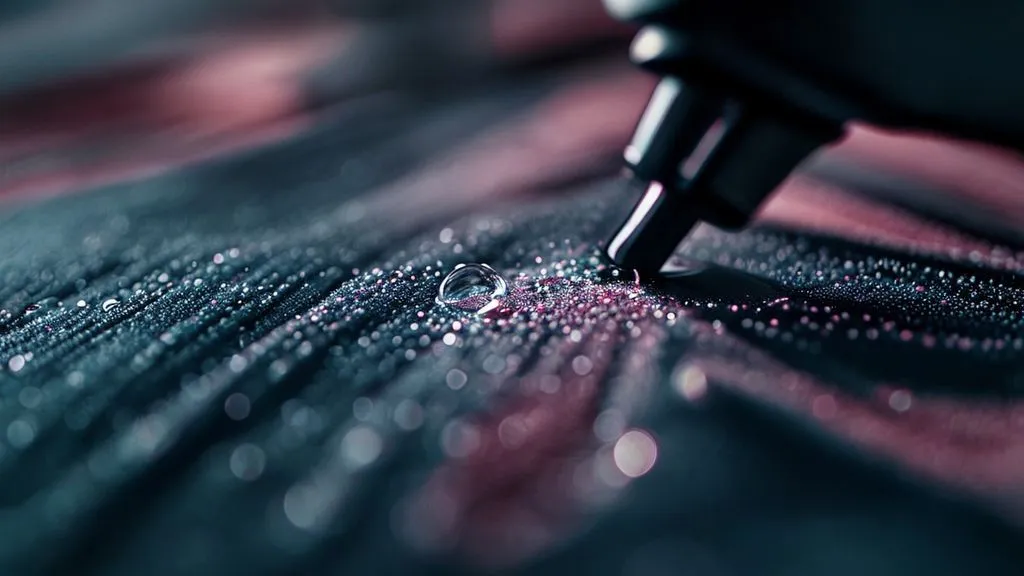
While not directly preventing friction, anti-microbial treatments help manage odour, which can be a secondary concern over long distances. More critically for chafing, hydrophobic (water-repellent) coatings can be applied to fabrics to further enhance their moisture-shedding properties, especially on the outer surface, preventing external moisture absorption and aiding in quicker drying.
Seamless Knitting Techniques
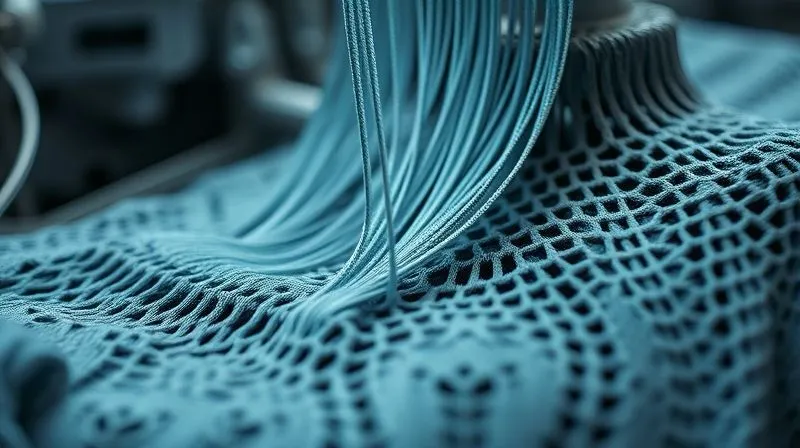
This is a game-changer. Seamless knitting technology, using circular knitting machines, allows for the creation of entire garments or significant portions of them (like torsos or sleeves) from a single piece of yarn, eliminating side seams altogether. This dramatically reduces potential chafing points and allows for integrated zones of compression, ventilation, and varying fabric densities within the same garment. It’s the ultimate expression of chafe-free design for specific garments like base layers and running tops.
Integrated Padding and Reinforcement
In highly specific areas, such as the shoulders for backpack wearers or the inner thighs of shorts, discreetly integrated padding or reinforced zones can offer an extra buffer against friction. This isn't about bulky inserts, but rather subtly engineered areas with slightly thicker knit structures or soft, low-profile material overlays that add a layer of protection without hindering movement or breathability.
Case Study: "Endurance Apparel's" Breakthrough in Ultra-Marathon Shorts
Let me share a fictional, yet highly realistic, case study that illustrates the power of these design principles. A few years ago, I consulted with a burgeoning activewear brand, Endurance Apparel, which was struggling with persistent chafing complaints on their ultra-marathon running shorts. Their original design used a standard polyester-spandex blend with overlock seams and a basic pattern.
The problem was clear: runners were experiencing severe inner thigh chafing, and even some irritation around the waistband where fabric would roll. After a thorough audit, we embarked on a complete redesign:
- Fabric Upgrade: We transitioned to a higher-gauge nylon-elastane blend with an extremely smooth, brushed interior finish and enhanced moisture-wicking properties.
- Seam Revolution: All inner thigh seams were replaced with flatlock stitching, and the waistband was redesigned with a wide, bonded construction, eliminating any stitching or elastic that could dig in.
- Ergonomic Patterning: We introduced a diamond-shaped gusset in the crotch for unrestricted movement and used body mapping to ensure consistent, light compression on the thighs, preventing fabric from riding up or bunching.
- Targeted Reinforcement: Subtle, laser-perforated ventilation zones were integrated into the gusset for improved breathability, without adding bulk.
The results were transformative. Endurance Apparel saw a 90% reduction in chafing-related customer complaints for their redesigned shorts. Their sales of that specific product line surged, and they garnered rave reviews from ultra-marathoners who reported completing races without a single chafe spot. This case demonstrates that addressing the core design principles holistically leads to tangible, performance-enhancing outcomes.
Testing and Iteration: The Non-Negotiable Phase
Even with the most brilliant design concepts, the journey isn't complete without rigorous testing and continuous iteration. In my career, I've learned that the trail is the ultimate lab. What looks good on paper or even on a static fit model needs to prove itself under the brutal conditions of an ultra-marathon.
Lab Testing vs. Real-World Trials
Lab testing is foundational. It allows us to quantify fabric properties like moisture wicking rates, abrasion resistance, and stretch recovery. We can simulate friction using specialised equipment. However, the true test comes in the field. Real-world trials with actual ultra-runners provide invaluable qualitative feedback that no machine can replicate. This includes nuances of fit during dynamic movement, interaction with hydration vests, and performance under varying weather conditions.
Feedback Loops and Continuous Improvement
Establish a robust feedback loop. Provide prototypes to a diverse group of ultra-runners – different body types, running styles, and preferred distances. Collect detailed feedback on hotspots, comfort, durability, and perceived performance. This feedback shouldn't be a one-off; it should inform successive iterations of the design. This continuous refinement process is where good designs become great.
A robust testing protocol should include:
- Initial Fit Assessment: Static and dynamic fit on a range of body types.
- Short-Distance Wear Testing: Initial runs (1-2 hours) to identify immediate comfort issues.
- Mid-Distance Wear Testing: Longer runs (3-6 hours) to assess moisture management and initial friction points.
- Long-Distance/Ultra-Distance Wear Testing: Crucial for simulating race conditions (8+ hours), identifying endurance-related chafing, and evaluating overall garment resilience.
- Post-Run Inspection: Meticulously check garments for signs of wear, pilling, seam stress, and any areas where sweat or salt crystal build-up is excessive.
- Athlete Debrief: Detailed interviews with testers, asking specific questions about perceived chafing, comfort, and performance in different body areas.
As emphasized by industry leaders in product development, such as insights often shared in publications like Sourcing Journal, thorough and iterative testing is the bedrock of successful activewear innovation, particularly for niche, high-demand segments like ultra-marathon gear.
Addressing Specific Hotspots: Targeted Solutions
While the general principles apply broadly, specific areas of the body are notoriously prone to chafing during ultra-marathons. Designing for these hotspots requires targeted solutions and a deep understanding of body mechanics.
Inner Thighs and Groin
This is arguably the most common and debilitating chafing zone. The solution lies in a combination of factors: longer inseams on shorts and tights to prevent skin-on-skin rubbing, seamless or flatlock inner thigh seams, and fabrics with excellent stretch and recovery that maintain their shape without riding up. A well-designed gusset is absolutely critical here.
Underarms and Shoulders
Underarm chafing is often caused by ill-fitting tops (too loose or too tight) or rough armhole seams. For shoulders, the interaction with hydration vests or backpacks is the primary culprit. Solutions include seamless or flatlock armholes, strategic seam placement that avoids direct contact with pack straps, and robust, smooth fabric in these areas that can withstand constant pressure and abrasion.
Nipples and Torso
Nipple chafing is a classic runner's issue, particularly for men, caused by fabric rubbing directly against sensitive skin. For the torso, it can be the result of a shirt riding up or down, or seams rubbing against the rib cage or waist. Seamless torso construction (via seamless knitting), soft, smooth fabrics that stay put, and avoiding any raised seams around the chest or waist are key. Integrated, very thin padding or double-layered fabric in the nipple area can also be a discreet solution.
- For Inner Thighs: Implement longer inseams (e.g., 8-10 inches for shorts), use diamond-shaped gussets, and ensure flatlock or bonded seams.
- For Underarms: Prioritize seamless or flatlock armholes, with a fit that allows full range of motion without excessive fabric or tightness.
- For Shoulders: Design with offset shoulder seams that don't directly align with pack straps, or use reinforced, smooth panels in these zones.
- For Nipples/Torso: Opt for seamless knit tops, soft, high-wicking fabrics, and ensure a stable fit that doesn't allow the garment to shift excessively.
Frequently Asked Questions (FAQ)
What is the most critical factor in preventing chafing during ultra-marathons? While it's a synergistic combination, if I had to pick one, it would be the strategic use of superior moisture-wicking, low-friction fabrics combined with truly flat or bonded seams. These two elements directly address the primary causes of chafing: moisture saturation and abrasive friction points. Without these, even the best fit will eventually fail under extreme conditions.
Are natural fibers ever suitable for ultra-marathon activewear to prevent chafing? Generally, no. While some natural fibers like Merino wool have excellent thermal regulation and anti-microbial properties, their moisture absorption rate and drying time are typically inferior to synthetics for high-output, long-duration activities like ultra-marathons. When wet, they can become heavy and more abrasive. Synthetics like polyester and nylon are specifically engineered for the demands of extreme endurance sports.
How does garment fit impact chafing beyond just being 'not too tight, not too loose'? It's far more nuanced. An optimal fit involves body-mapped compression that supports muscles and prevents fabric movement, articulated design at joints for unrestricted motion, and gusseted construction in high-flex areas like the crotch. It's about engineering the garment to move as a second skin, eliminating any potential for bunching, riding up, or creating pressure points during millions of repetitive strides.
Can anti-chafing balms or creams replace good activewear design? No, they are complementary, not replacements. Balms and creams provide a temporary barrier and lubrication, which can be very helpful. However, relying solely on them without proper activewear design is like putting a band-aid on a gaping wound. Expertly designed activewear addresses the root causes of chafing through material science and construction, offering a more sustainable and reliable solution over ultra-marathon distances.
What's the future of anti-chafing activewear design? I foresee even greater integration of smart textiles with embedded sensors to monitor skin conditions, advanced bio-mimicry in fabric surfaces to replicate ultra-low friction properties, and hyper-personalised 3D-printed or seamlessly knitted garments tailored precisely to an individual's unique body contours and movement patterns. The goal is truly invisible, frictionless performance.
Key Takeaways and Final Thoughts
Designing activewear that prevents chafing during ultra-marathons is a complex, multi-faceted challenge that demands a holistic, expert-driven approach. It's not about a single 'magic bullet' but rather a symphony of meticulously engineered components working in harmony. As an industry specialist, I’ve seen the profound impact that thoughtful design can have on an athlete's performance and experience.
- Prioritise Fabric Science: Choose moisture-wicking, low-friction synthetics like advanced polyester and nylon blends.
- Master Seam Construction: Flatlock and bonded seams are non-negotiable for high-friction areas.
- Engineer the Fit: Utilise body mapping, strategic compression, and articulated patterning to create a second-skin feel that eliminates bunching.
- Embrace Innovation: Leverage seamless knitting, hydrophobic coatings, and targeted reinforcement.
- Test Relentlessly: Real-world trials with ultra-runners are paramount for validation and iteration.
- Address Hotspots: Design specific solutions for common chafing zones like inner thighs, underarms, and nipples.
The journey to creating truly chafe-free activewear is one of continuous learning, rigorous testing, and an unwavering commitment to the athlete's comfort and performance. By applying these principles, you're not just designing clothing; you're engineering confidence, enabling ultra-marathoners to push their limits, conquer epic distances, and experience the profound joy of the trail without the debilitating sting of chafing. Keep innovating, keep testing, and keep pushing the boundaries of what's possible.
Recommended Reading
- 7 Proven Strategies: How to Market Inclusive Fashion Without Backlash
- 6 Data Challenges Hindering AI Fashion Design & How to Conquer Them
- 7 Proven Strategies: Elevating Everyday Accessories for High-End Clients
- Unlock Fair Pay: 7 Steps to Calculate & Implement Apparel Living Wages
- 5 Reasons Your Bridesmaid Dress Consults Aren't Converting

Your email address will not be published. Required fields are marked *