

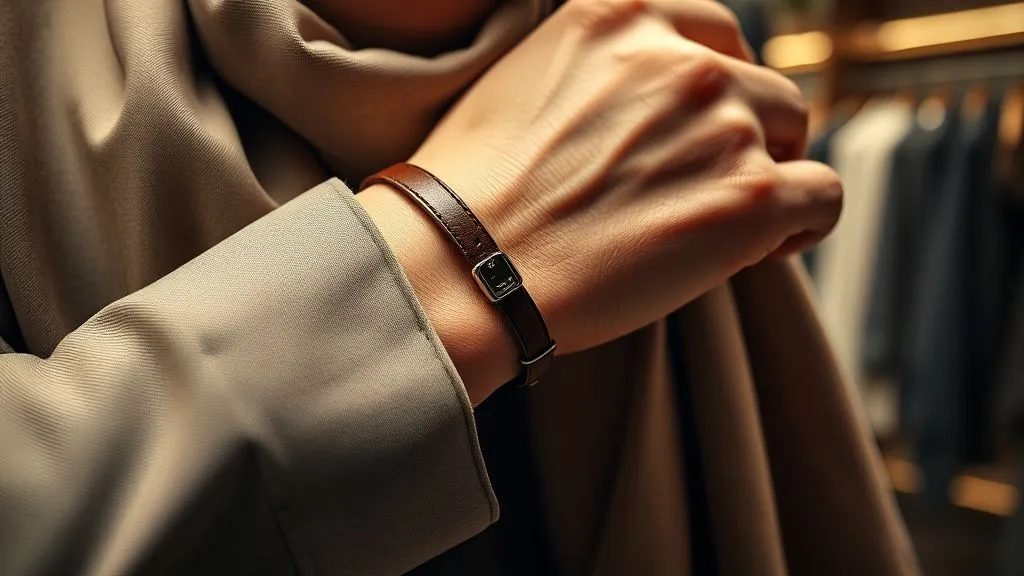
How to Elevate Basic Everyday Accessories for High-End Clients?
For over 18 years immersed in the intricate world of luxury fashion and accessories, I've observed a common pitfall among brands aiming for the high-end market. Many mistakenly believe that simply increasing price or adding a well-known logo is enough to captivate the affluent consumer.
This couldn't be further from the truth. High-end clients are discerning; they seek intrinsic value, unparalleled quality, and a unique narrative that resonates with their sophisticated lifestyle. They demand more than just 'good' – they expect exceptional, often in the most understated everyday items.
This article isn't just about adding a higher price tag; it's a deep dive into the philosophy and actionable strategies on how to elevate basic everyday accessories for high-end clients. We'll explore frameworks, expert insights, and real-world considerations to transform the ordinary into the extraordinary, building lasting relationships with a truly appreciative clientele.
Understanding the High-End Client Psyche: Beyond Price Tags
When catering to high-end clients, it's crucial to understand that their purchasing decisions extend far beyond mere utility or even brand recognition. They seek intrinsic value, a narrative, and an experience that aligns with their sophisticated lifestyle.
In my experience, these clients are often connoisseurs; they appreciate nuance, history, and the story behind an object. They are not merely buying an item; they are investing in an extension of their personal brand and values.
"The true luxury lies not in what an item costs, but in the intangible value it adds to the client's life – be it through legacy, unique story, or unparalleled craftsmanship."
Their motivations are complex, often driven by:
- Exclusivity: A desire for items that are not widely available, or are uniquely tailored to their preferences.
- Legacy: Products that can be cherished, passed down, and hold enduring value, both sentimental and material.
- Subtle Sophistication: An appreciation for understated elegance and quality over overt branding or flashy displays.
- Ethical & Sustainable Practices: A growing demand for transparency and responsible sourcing, aligning with their personal ethics.
- Emotional Connection: Items that resonate with their personal values, aspirations, or significant life moments.
Understanding these underlying motivations is the first step in truly elevating any accessory beyond its basic function.
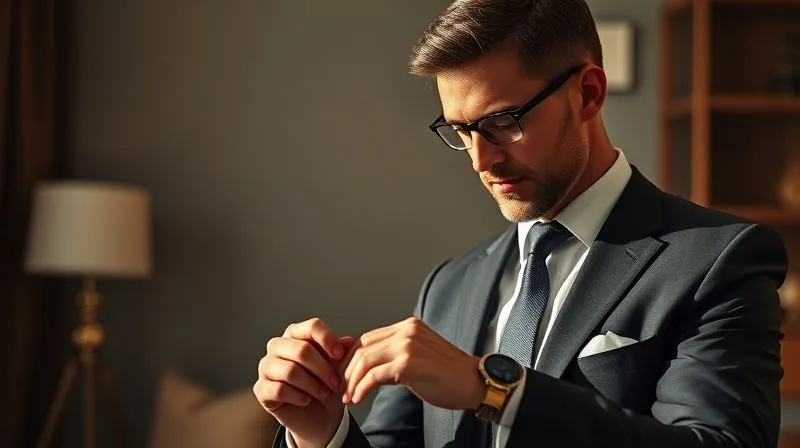
The Art of Material Selection: From Good to Exceptional
The foundation of any elevated accessory begins with its materials. For high-end clients, 'good' simply isn't enough; they expect exceptional, sustainable, and often rare materials that tell their own story.
This isn't just about using expensive materials, but about understanding their provenance, their unique properties, and their potential for longevity and beauty. It's about thoughtful selection that elevates the entire product.
Key Material Considerations for Luxury Accessories
- Provenance and Rarity: Source materials with a unique origin story or those that are genuinely rare. Think ethically sourced exotic leathers, specific grades of precious metals, or unique, conflict-free gemstones.
- Durability and Longevity: High-end clients invest in pieces meant to last, often for generations. Materials should not only look good but withstand the test of time and use, aging gracefully.
- Sensory Experience: The tactile feel, the subtle scent of fine leather, the way a metal warms to the skin—these sensory details are paramount and contribute significantly to the perceived luxury.
- Ethical and Sustainable Sourcing: As consumer awareness grows, verifiable ethical and sustainable practices are no longer optional. Transparent supply chains and certifications are a must. According to Forbes, sustainable luxury is a significant trend and a core expectation for discerning consumers.
- Versatility and Patina: Materials that age gracefully and develop a unique patina over time add character and value, making each piece truly unique to its owner and a testament to its journey.
I've often advised brands to invest heavily in material research, seeking out suppliers who share their commitment to excellence and transparency. This dedication to superior raw materials is non-negotiable when learning how to elevate basic everyday accessories for high-end clients.
| Material Type | Basic Quality | Elevated Quality |
|---|---|---|
| Leather | Corrected Grain, Chrome Tanned | Full-Grain Vegetable Tanned, Exotic (e.g., Alligator, Ostrich) with CITES Certification |
| Metal | Plated Brass, Sterling Silver | Solid 18K Gold, Platinum, Aerospace-Grade Titanium, Hand-Polished Sterling Silver |
| Gemstone | Commercial Grade, Lab-Grown | Conflict-Free, GIA Certified, Rare Cuts/Colors, Natural Untreated |
Craftsmanship as a Signature: The Unseen Details
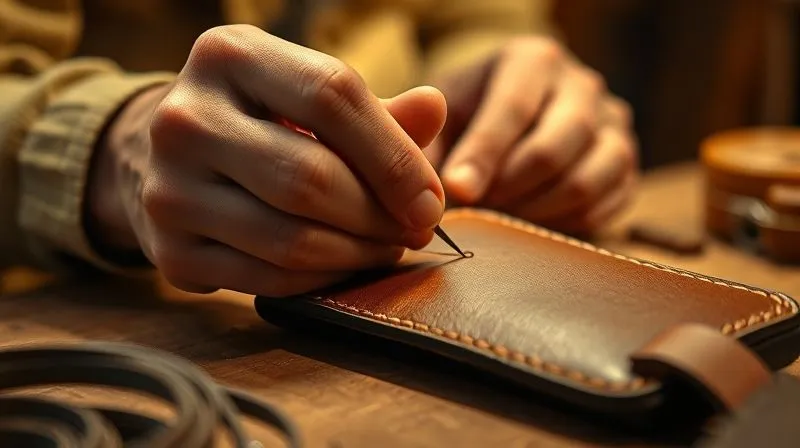
Beyond the materials themselves, the true magic in elevating everyday accessories lies in the craftsmanship. This is where a basic item transcends its function and becomes a work of art, a testament to human skill and dedication.
High-end clients possess a keen eye for detail. They notice the precision of stitching, the flawless finish of edges, the perfect balance of a design, and the subtle imperfections that speak of a human hand rather than a machine.
Case Study: The Artisan's Timepiece Strap
A small, independent watch strap maker, 'Horologium Artis,' faced the challenge of competing with mass-produced options despite using quality leather. They decided to focus exclusively on high-end clients by elevating their basic leather straps. Instead of standard machine stitching, they introduced hand-stitched saddle stitching using linen thread, meticulously burnished and painted edges, and custom-designed quick-release spring bars made from surgical-grade stainless steel. They also offered an extensive range of rare, sustainably sourced leathers. By emphasizing the 20+ hours of hand-craftsmanship per strap and the individual artisan's signature, they transformed a utilitarian item into a luxury accessory. Their average price point increased by 300%, and they developed a loyal following among discerning watch collectors who valued the unparalleled attention to detail and superior longevity.
This shift from functional production to artistic creation is paramount. It involves master artisans, often with decades of experience, employing traditional techniques alongside modern precision tools to achieve perfection.
- Hand-Finishing: Details like hand-painted edges on leather, meticulous hand-polishing of metals, or intricate hand-embroidery add a unique, artisanal touch that machines simply cannot replicate.
- Precision Engineering: Even for seemingly simple components, engineering for flawless function, durability, and a satisfying tactile experience speaks volumes about overall quality.
- Attention to "Invisible" Details: The quality of the lining, the smoothness of a zipper pull, the weight and balance of an item – these often overlooked elements contribute significantly to the luxury feel and user experience.
Craftsmanship is the silent language of luxury, communicating quality and care that resonates deeply with discerning clientele.
Personalization and Exclusivity: The Ultimate Luxury Appeal
In an era of mass production, true luxury for high-end clients often boils down to one word: exclusivity. This can be achieved through bespoke creations or highly personalized elements that make an item uniquely theirs.
I've consistently found that offering clients something truly unique to them creates an unparalleled connection and perceived value. It transforms a generic item into a cherished possession.
Strategies for Delivering Exclusivity:
- Bespoke Services: Offer truly custom-made pieces, designed from scratch to meet a client's specific vision, measurements, and material preferences. This is the pinnacle of luxury, ensuring no two items are exactly alike.
- Personalized Embellishments: Monogramming, engraving, or even custom color combinations allow clients to imbue an item with their personal identity. This makes a statement without being overtly branded.
- Limited Editions & Collaborations: Create small, numbered runs of accessories or collaborate with renowned artists or designers. This generates urgency, collector's appeal, and a sense of belonging to an exclusive group.
- Made-to-Order: While not fully bespoke, allowing clients to select from a curated range of materials, colors, and finishes ensures their item feels unique and tailored to their taste.
"High-end clients aren't just buying an accessory; they're investing in a piece of their own identity, a reflection of their unique taste and status that cannot be easily replicated."
The ability to customize or own something truly rare is a powerful differentiator. It transforms a basic accessory into a cherished heirloom, a personal statement. Harvard Business Review notes the significant shift towards experiential and personalized luxury, emphasizing that unique experiences and tailored products are key.
Storytelling and Brand Narrative: Weaving a Legacy
Every elevated accessory should tell a story. This narrative transforms a utilitarian object into something imbued with meaning, history, and emotion, captivating the high-end client's imagination and deepening their connection to the brand.
I've witnessed firsthand how a compelling story can elevate a brand from simply selling products to selling dreams, aspirations, and a piece of heritage. It's about building a legacy around each item.
Elements of a Compelling Narrative:
- Artisan's Journey: Share the story of the craftspeople involved, their heritage, their passion, their unique skills, and the traditional techniques they employ. Highlight the human touch.
- Material Origin: Detail the journey of your materials – from the ethical farm supplying the leather to the specific region providing the gemstone. Transparency builds trust and adds depth.
- Design Inspiration: Explain the artistic vision behind the piece, the cultural references, the historical context, or the philosophical concepts that shaped its creation.
- Brand Philosophy: Articulate your brand's core values, its commitment to quality, sustainability, innovation, or a particular aesthetic. This resonates deeply with discerning clients who seek alignment with their own values.
A well-crafted story provides context and depth, allowing clients to connect with the brand on an emotional level. It's about selling heritage and future legacy, not just an item, which is a critical aspect of how to elevate basic everyday accessories for high-end clients.
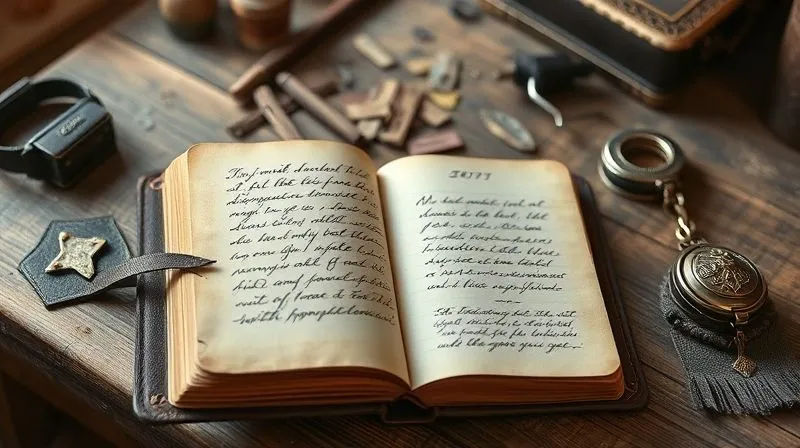
Strategic Curation and Styling: The Ensemble Approach
For high-end clients, accessories are not standalone pieces; they are integral components of a meticulously curated wardrobe. The ability to offer styling advice or position accessories within a broader lifestyle context is invaluable.
I've found that helping clients visualize how an accessory enhances their overall aesthetic dramatically increases its perceived value and desirability. It moves the conversation from 'what is it?' to 'how does it fit into my life?'
Principles for Styling and Curation:
- Versatility in Context: Showcase how an accessory can transition seamlessly between different occasions – from a formal business meeting to a relaxed weekend brunch or an elegant evening event.
- Harmonious Integration: Demonstrate how the accessory complements various outfits, colors, and textures already present in a high-end wardrobe. Focus on creating a cohesive and sophisticated look.
- Layering and Combination: Provide ideas for combining multiple accessories (e.g., a watch with a bracelet, a belt with a bag, layered necklaces) to create a cohesive, elevated, and personalized look.
- Seasonal Relevance: Offer guidance on adapting accessories to different seasons, suggesting materials or colors appropriate for the time of year, ensuring year-round relevance.
- Personal Styling Services: Consider offering exclusive, personalized styling consultations, either virtually or in-person, as an added luxury service. This builds trust and positions your brand as an expert.
"An elevated accessory doesn't shout for attention; it whispers confidence, refinement, and impeccable taste through its seamless integration into a client's personal style, enhancing their overall presence."
This holistic approach transforms the purchase from a transactional one into a relationship-based experience, where you become a trusted advisor in their personal presentation. It's about selling a complete lifestyle, not just a product.
Packaging, Presentation, and Post-Purchase Experience
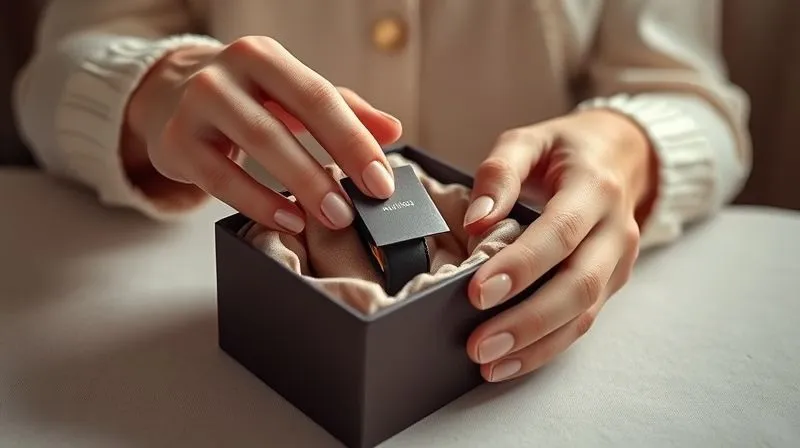
The journey of a luxury accessory extends far beyond the moment of purchase. For high-end clients, the unboxing and post-purchase experience are as crucial as the item itself, forming a lasting impression of the brand's commitment to excellence.
In my career, I've seen brands lose significant loyalty simply by neglecting the details surrounding the product delivery. Every touchpoint is an opportunity to reinforce luxury.
Elevating the Unboxing Experience:
- Exquisite Packaging: Use premium materials for boxes, dust bags, and tissue paper. Consider unique textures, subtle debossed branding, magnetic closures, and custom inserts that cradle the item perfectly.
- Personalized Touches: Include a handwritten note from the artisan or founder, a sealed wax stamp, or a small, relevant gift that reflects the client's known preferences or the brand's aesthetic.
- Sensory Engagement: Incorporate a subtle, signature scent within the packaging or a specially curated playlist accessible via a QR code, appealing to all senses.
- Informational Inserts: Provide detailed care instructions, a certificate of authenticity, and a small, beautifully designed booklet detailing the product's story, craftsmanship, and the materials used.
The Post-Purchase Journey:
- Exceptional Customer Service: Offer dedicated client advisors, easy access for inquiries, and proactive follow-ups to ensure satisfaction and address any concerns promptly.
- Warranty and Repair Services: Provide robust warranties and accessible repair or refurbishment services, emphasizing the longevity and investment value of the accessory.
- Exclusive Community Access: Invite clients to private events, previews of new collections, or an exclusive online community where they can connect with the brand and other enthusiasts.
Every touchpoint, from the moment a client considers a purchase to years after they own it, must reinforce the luxury experience. A Deloitte report highlights the critical importance of a consistent and exceptional brand experience in luxury, stating it's key to fostering loyalty.
Leveraging Technology and Innovation with a Human Touch
While tradition and craftsmanship are cornerstones of luxury, smart integration of technology can further elevate everyday accessories, provided it enhances, rather than detracts from, the human element and the core values of exclusivity and quality.
In my consultancy, I've guided brands to explore innovations that offer genuine value, not just novelty, to discerning clients. The goal is to make the luxury experience more seamless, transparent, and personalized.
Innovative Approaches for Elevated Accessories:
- Smart Materials: Incorporate self-healing leathers, temperature-regulating fabrics, or lightweight, durable composites where appropriate, without compromising aesthetic appeal or tactile luxury.
- 3D Printing for Customization: Utilize advanced 3D printing for creating intricate, personalized components or for rapid prototyping bespoke designs, allowing for unparalleled precision and unique forms.
- Augmented Reality (AR) for Visualization: Allow clients to virtually 'try on' or visualize how a custom accessory would look with their existing wardrobe before committing to a purchase, enhancing confidence.
- Digital Certificates of Authenticity: Employ blockchain technology for immutable proof of origin, material sourcing, and ownership, enhancing trust, combating counterfeits, and providing a verifiable legacy.
"Technology in luxury should be an invisible enabler, enhancing functionality and exclusivity without ever overshadowing the artistry and human connection that define true high-end products."
The key is to leverage technology to streamline processes, offer unparalleled customization, and provide verifiable transparency, all while maintaining the artisanal feel. This is how you truly elevate basic everyday accessories for high-end clients in the modern era, blending heritage with innovation.
| Innovation Area | Traditional Method | Tech-Enhanced Method |
|---|---|---|
| Customization | Manual sketch, physical prototype | 3D rendering, AR visualization, parametric design |
| Authenticity | Paper certificate, brand hallmark | Blockchain-backed digital certificate, NFC tags |
| Material Science | Standard leather/metal | Self-healing composites, advanced alloys, bio-engineered textiles |
This balanced approach ensures that you harness the power of innovation without losing the soul of the luxury experience. McKinsey's State of Fashion report frequently touches on technology's evolving role in luxury, emphasizing its potential for enhancing customer experience and supply chain transparency.
Frequently Asked Questions (FAQ)
Q: How do I identify truly high-quality materials for accessories? A: Identifying high-quality materials requires a discerning eye and some foundational knowledge. For leather, look for full-grain or top-grain, examine the natural variations and feel for suppleness, and inquire about tanning methods (vegetable-tanned is often preferred). For metals, verify karats for gold or purity for silver, and understand the specific alloys used for durability. For gemstones, GIA or similar certifications are crucial for verifying authenticity, cut, color, clarity, and carat weight. Always ask about provenance and ethical sourcing. A truly high-end brand will be transparent about its material suppliers and specifications.
Q: What's the difference between personalization and bespoke, and which is better for high-end clients? A: Personalization involves adding a unique touch to an existing product, such as monogramming a bag, engraving a watch, or selecting from a pre-defined range of colors. Bespoke, on the other hand, means creating a completely custom piece from scratch, designed to the client's exact specifications and often involving multiple fittings or design iterations. For the most discerning high-end clients seeking ultimate exclusivity and a perfect fit for their unique needs, bespoke services are generally superior as they offer unparalleled uniqueness. Personalization offers a step towards exclusivity but doesn't reach the same level of unique creation.
Q: How important is sustainable sourcing for luxury accessories today? A: Sustainable sourcing has become critically important for luxury accessories. High-end clients are increasingly conscious of the environmental and social impact of their purchases, viewing it as an integral part of a brand's integrity. Brands that can demonstrate verifiable ethical sourcing, transparent supply chains, and a commitment to sustainability gain significant trust and appeal. It's no longer just a trend but a fundamental expectation that contributes to the perceived value and moral standing of a luxury item.
Q: Can everyday items like keychains or cardholders truly be 'luxury'? A: Absolutely. Any everyday item can be elevated to luxury status through a combination of superior materials, exquisite craftsmanship, thoughtful design, and a compelling brand narrative. A keychain crafted from rare, sustainably sourced alligator leather with hand-polished hardware, or a cardholder featuring intricate hand-stitching and a unique story, can command a luxury price point because it offers an unparalleled experience and aesthetic that transcends its basic function. It's about transforming the mundane into the magnificent.
Q: What role does digital presence play in selling elevated accessories? A: A robust and sophisticated digital presence is vital. It serves as a primary touchpoint for storytelling, showcasing craftsmanship through high-quality visuals and videos, and providing a seamless purchasing experience. Beyond e-commerce, digital channels are crucial for engaging with clients, offering virtual consultations, providing exclusive content, and maintaining brand visibility through targeted marketing. It must mirror the luxury experience of physical retail, ensuring consistency and reinforcing brand values across all platforms.
Key Takeaways and Final Thoughts
To truly elevate basic everyday accessories for high-end clients, one must embark on a journey that transcends mere product development, embracing a philosophy rooted in deep understanding, impeccable execution, and genuine connection.
- Focus on understanding the nuanced desires of the affluent client, prioritizing intrinsic value, unique experiences, and emotional resonance over outward display.
- Invest in exceptional, ethically sourced materials and unparalleled craftsmanship that speaks to timeless quality, durability, and artisanal heritage.
- Embrace personalization and exclusivity, offering bespoke services or limited editions that resonate with individuality and provide a sense of unique ownership.
- Weave a compelling brand narrative, sharing the story behind every piece to create an emotional connection and establish a legacy.
- Ensure every touchpoint, from exquisite packaging to diligent post-purchase care, reinforces the luxury experience and builds lasting client relationships.
- Thoughtfully integrate technology to enhance, not diminish, the artisanal and human aspects of your offerings, providing transparency and personalized convenience.
As an industry specialist, I've seen that success in this niche isn't about chasing trends; it's about setting standards. It's about creating pieces that are not just beautiful, but meaningful, enduring, and deeply personal. By committing to these principles, you won't just sell accessories; you'll cultivate a legacy and build lasting relationships with a discerning clientele who truly appreciate the art of the everyday elevated.
Recommended Reading
- The Ultimate Guide: How to Make Basic Outfits Look Effortlessly Chic
- 8 Keys to Authentically Market Haute Joaillerie to UHNW Gen Z
- 7 Proven Strategies to Effectively Upsell Premium Progressive Lens Optical Frames
- Effortless Style: Comfortable Everyday Outfits for Busy Moms
- 7 Strategies: Innovating Haute Couture While Respecting Brand Heritage?

Your email address will not be published. Required fields are marked *