

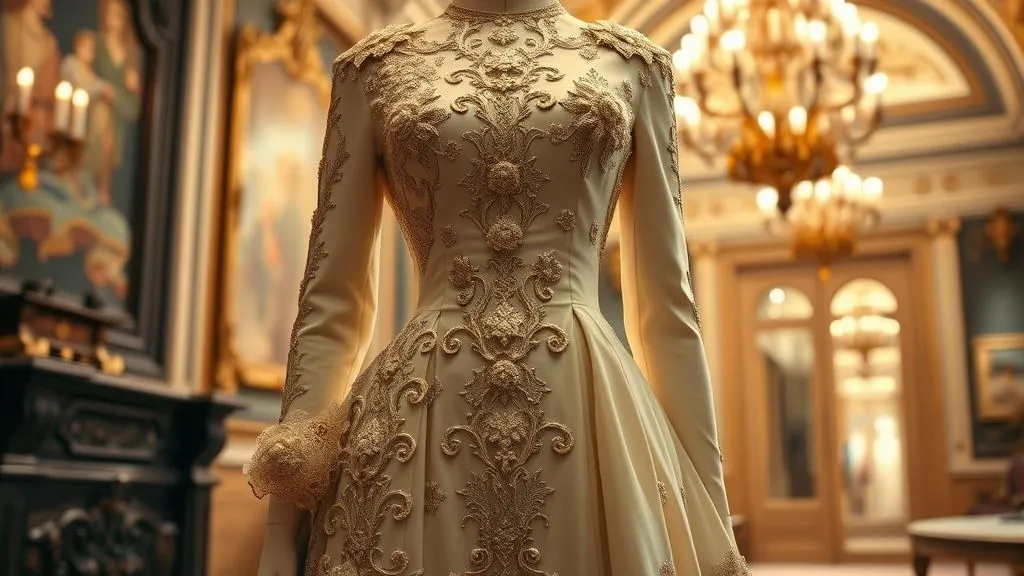
Innovating Haute Couture While Respecting Brand Heritage?
For over two decades in the rarefied world of haute couture, I've observed a recurring dilemma that can either cripple or catapult a legendary fashion house: the delicate dance between preserving an iconic legacy and daring to innovate. I've witnessed countless creative directors grapple with this tension, some succeeding in breathtaking fashion, others faltering under the weight of expectation or the allure of fleeting trends.
The pain point is palpable: how do you evolve a brand whose very essence is rooted in history, unparalleled craftsmanship, and often, the vision of a singular founder, without diluting its unique “DNA”? The modern luxury consumer demands novelty, relevance, and often, a commitment to contemporary values like sustainability or inclusivity, yet they also seek the timeless allure and aspirational quality that only true haute couture can offer. It’s a tightrope walk where a misstep can alienate loyal clientele or fail to capture the next generation.
In this definitive guide, I will share the strategic frameworks, real-world insights, and actionable steps that I've seen the most successful couture houses employ to navigate this complex terrain. We will explore seven powerful strategies that enable innovation in haute couture while deeply honoring and even enriching brand heritage, ensuring a future that is as illustrious as the past.
Understanding the Core Tension: Legacy vs. Lure of the New
Before we delve into solutions, it's crucial to understand the inherent friction. A haute couture house is not merely a business; it's a living archive of artistry, a custodian of techniques passed down through generations, and a symbol of cultural significance. Its heritage is its most valuable asset, distinguishing it from ready-to-wear brands.
“True innovation in haute couture isn't about discarding the past, but understanding its profound lessons to sculpt a future that resonates with enduring elegance and contemporary spirit.”
The “lure of the new,” however, is equally powerful. Fashion is inherently about change. Stagnation is a death knell. Young designers, new technologies, evolving societal norms, and the globalized luxury market all exert pressure to adapt. The challenge lies in discerning which innovations are truly aligned with the brand's core identity and which are merely superficial novelties.
The DNA of a Couture House
Every legendary house possesses a unique DNA, a set of immutable characteristics that define its aesthetic and philosophy. Understanding this is the first step to meaningful innovation.
- Signature Silhouettes: Think Dior's New Look, Chanel's tweed suit, or Balenciaga's sculptural forms.
- Iconic Motifs & Embellishments: From Chanel's camellia to Schiaparelli's surrealist elements.
- Master Craftsmanship: The specific techniques, materials, and artisan skills that are paramount.
- Brand Philosophy & Values: The underlying ethos – be it liberation, grandeur, minimalism, or rebellion.
- Historical Narratives: The stories of its founders, muses, and pivotal collections.
Strategy 1: Reinterpreting Archival Silhouettes with Modern Sensibility
One of the most effective ways to innovate while respecting heritage is to look inward, to the brand's own archives. This isn't about mere replication, but a thoughtful reinterpretation. It involves taking an iconic silhouette, a signature cut, or a specific design element and infusing it with contemporary fabrics, construction techniques, or styling.
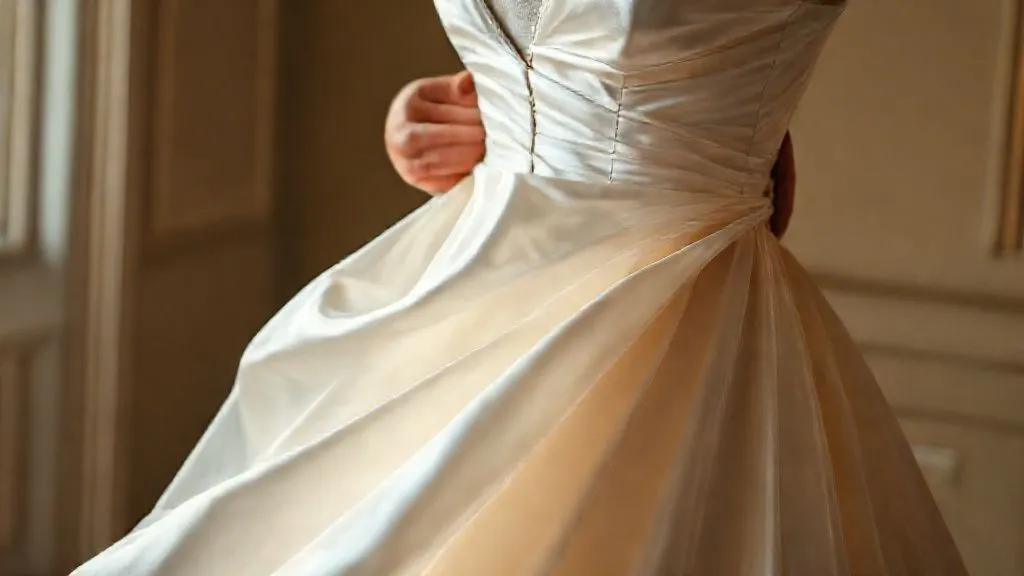
I've seen houses successfully revive designs from decades past by adjusting proportions for the modern physique, updating textile choices for comfort and drape, or integrating subtle technological advancements that enhance wearability without compromising the original vision. This approach provides a powerful sense of continuity and evolution.
- Deep Dive into the Archives: Creative teams must meticulously study original sketches, garments, and photographic records to understand the essence of iconic pieces.
- Deconstruct and Analyze: Break down the construction – the seaming, the internal structure, the fabric choices – to grasp the original intent and engineering.
- Introduce Modern Materials: Substitute heavy silks for lighter, more fluid versions; integrate stretch where appropriate; explore innovative sustainable fabrics that mimic traditional luxury.
- Update Proportions & Fit: Adjust hemlines, shoulder lines, or waist definitions to align with contemporary aesthetics and comfort standards.
- Collaborate with Artisans: Work with existing or new ateliers to apply modern embellishment techniques or introduce new forms of embroidery that resonate with the house's heritage.
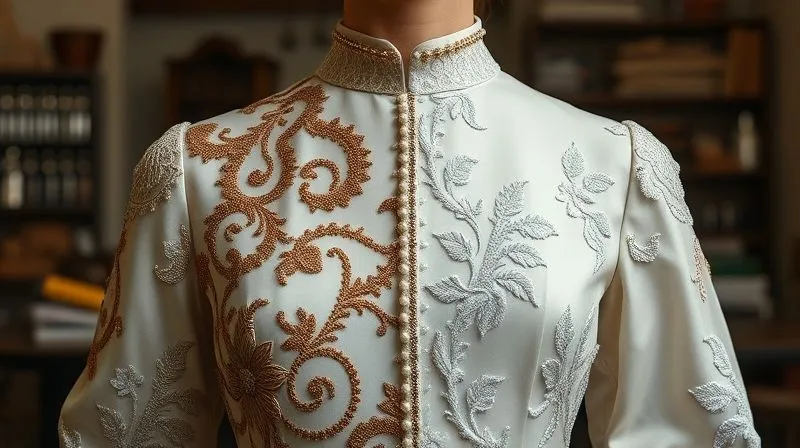
Strategy 2: Embracing Sustainable Practices Without Compromising Opulence
The modern luxury consumer is increasingly conscious of environmental and ethical impacts. For haute couture, a realm synonymous with extravagance, integrating sustainability might seem counterintuitive. However, I argue it's an imperative for future relevance and a powerful avenue for innovation that aligns with the inherent values of craftsmanship and longevity.
Sustainable haute couture isn't about sacrificing luxury; it's about redefining it. It means sourcing materials responsibly, minimizing waste, ensuring ethical labor practices, and promoting durability. This commitment can actually elevate the perception of a brand, proving that true luxury can be both exquisite and responsible.
Case Study: Atelier Éclat's Eco-Luxe Revolution
Atelier Éclat, a fictional but realistic house known for its ethereal gowns and intricate lacework, faced criticism for its perceived environmental footprint. By implementing a three-phase sustainability initiative, they transformed their image and processes. First, they partnered with a bio-textile research firm to develop custom-engineered silks and laces from renewable plant fibers, indistinguishable in quality from traditional materials. Second, they established a zero-waste cutting policy, repurposing every scrap into unique embellishments or smaller accessories. Third, they introduced a “Couture Care” program, offering lifetime repairs and archival services for their garments, emphasizing their investment pieces' longevity. This resulted in a 25% reduction in material waste and a significant boost in brand perception among younger, eco-conscious clientele, without alienating their traditional base who appreciated the enhanced quality and service. According to a recent Business of Fashion report, consumer demand for sustainable luxury is on a sharp upward trajectory, making such initiatives not just ethical, but strategically vital.
Strategy 3: The Digital Atelier - Virtual Showrooms and Bespoke AI
The digital realm offers unprecedented opportunities for 'Innovating haute couture while respecting brand heritage?'. Far from eroding the exclusivity of couture, technology can enhance it, offering new ways to engage clients, streamline bespoke processes, and showcase artistry globally. This isn't about replacing the human touch, but augmenting it.
Imagine virtual showrooms where clients can explore collections in 3D, or AI-powered tools that assist artisans in pattern making or fabric manipulation, reducing errors and speeding up complex tasks. Digitalization can extend the reach of couture, making its beauty accessible to a broader audience while maintaining the exclusivity of bespoke creation.
- Virtual Try-Ons & Avatars: Allowing clients to “wear” garments digitally, providing a glimpse into the final look without physical fittings.
- 3D Design & Prototyping: Using software to visualize designs, experiment with drapes, and optimize patterns before cutting expensive fabrics.
- Blockchain for Authenticity: Providing verifiable provenance for materials and craftsmanship, enhancing trust and combating counterfeiting.
- Augmented Reality (AR) Experiences: Bringing couture details to life through interactive digital overlays in boutiques or at home.
Here's a comparison of how digital tools can enhance traditional couture processes:
| Aspect | Traditional Approach | Digital Enhancement |
|---|---|---|
| Client Engagement | Physical appointments, limited access | Global virtual showrooms, AR try-ons, 24/7 access |
| Design Process | Manual sketching, physical draping | 3D modeling, AI pattern generation, rapid prototyping |
| Craftsmanship | Purely hand-based, time-intensive | Precision cutting (laser/robotics), advanced embroidery machines (hybrid) |
| Sustainability | Manual waste reduction, limited traceability | Optimized cutting algorithms, blockchain material tracking |
| Brand Reach | Exclusive shows, word-of-mouth | Global digital campaigns, immersive online experiences |
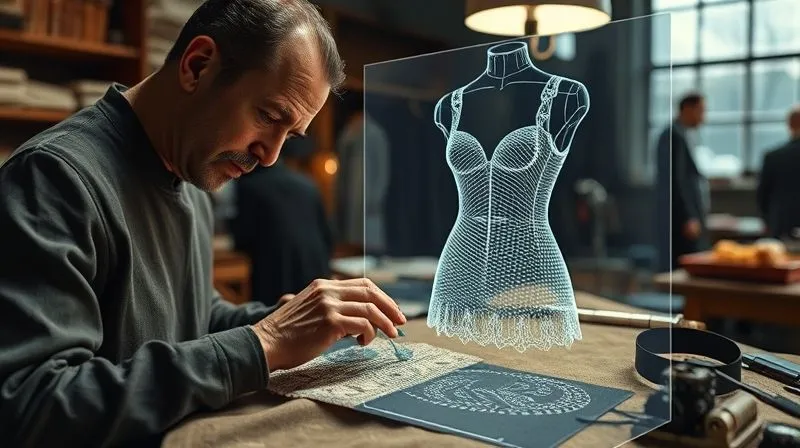
Strategy 4: Collaborative Innovation - Fresh Perspectives, Enduring Craft
Collaboration is a powerful tool for injecting new energy and perspectives into a heritage brand without sacrificing its core. This could involve working with contemporary artists, emerging designers, innovative material scientists, or even technologists. The key is to choose partners whose vision, while distinct, can genuinely complement and enrich the couture house's aesthetic.
Such collaborations can result in capsule collections, special projects, or even the integration of new techniques that push the boundaries of what haute couture can be. It's about opening the atelier doors to external creativity while maintaining strict control over the quality and brand message.
Mentorship and Apprentice Programs
Beyond external collaborations, internal mentorship and apprentice programs are vital. Bringing in young talent, fostering their creativity, and allowing them to learn from master artisans ensures the living transmission of skills while also introducing fresh ideas from within. This creates a fertile ground for 'Innovating haute couture while respecting brand heritage?' by blending seasoned wisdom with nascent vision. Vogue has highlighted the crucial role of apprenticeships in preserving and evolving traditional craftsmanship in luxury fashion.
Strategy 5: The Narrative Evolution - Storytelling for the Modern Connoisseur
Haute couture has always been about storytelling – the story of the garment, the designer, the muse, the era. For modern consumers, this narrative is more important than ever. 'Innovating haute couture while respecting brand heritage?' means evolving how these stories are told, making them relevant and resonant for a new generation without rewriting history.
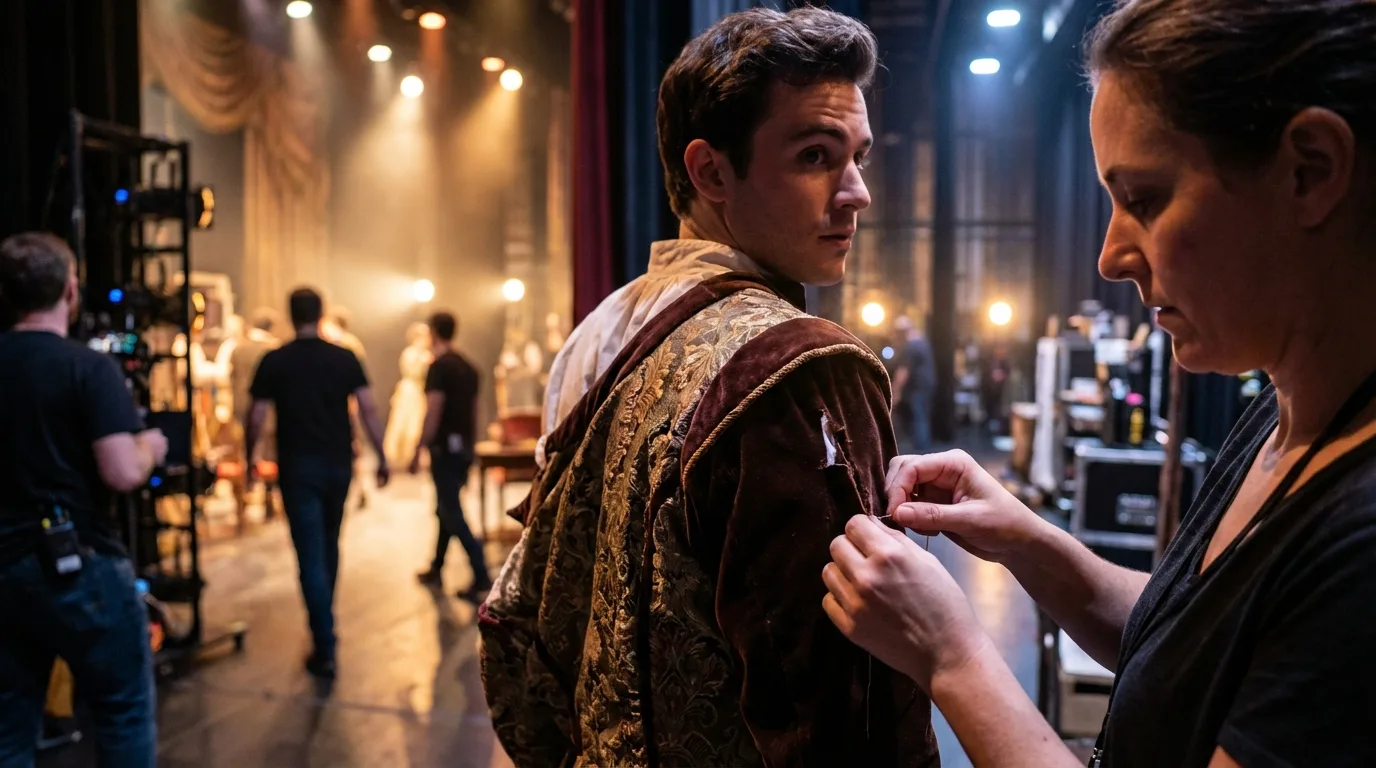
This involves leveraging digital platforms, creating immersive experiences, and focusing on the human elements of craftsmanship. It's about showing not just the finished garment, but the hands that made it, the hours invested, and the inspiration behind every stitch. Authenticity and transparency in storytelling build deeper connections.
- Digital Storytelling Hubs: Create dedicated sections on brand websites or social media platforms for behind-the-scenes content, artisan profiles, and historical deep dives.
- Interactive Archives: Digitize historical collections, making them accessible and searchable, allowing users to explore the brand's evolution.
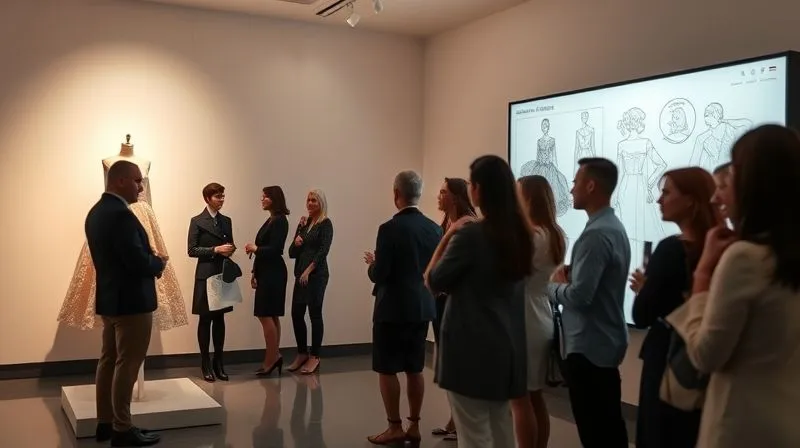
- Experiential Exhibitions: Host pop-up exhibitions that blend historical garments with immersive digital displays, offering a multi-sensory journey through the brand's heritage.
- Personalized Client Journeys: Tailor the storytelling experience to individual clients, sharing specific historical context related to their chosen piece or design elements.
“The most powerful innovation in luxury is often the ability to tell an old story in a compelling new way, making history feel utterly contemporary.”
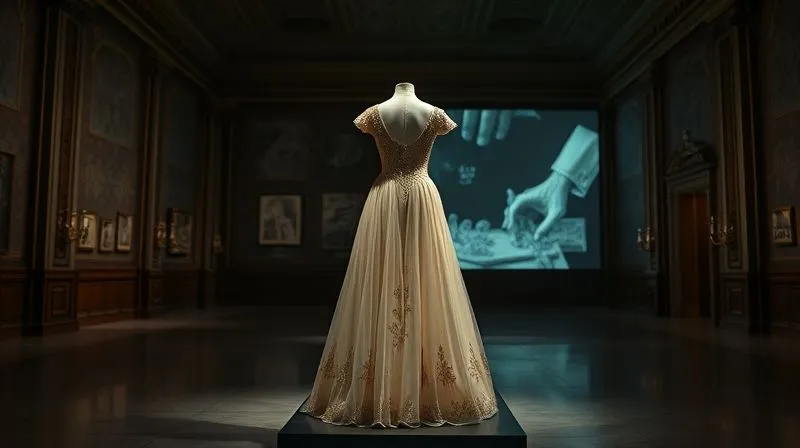
Strategy 6: Material Innovation - Pushing Boundaries While Honoring Craftsmanship
The choice of materials is fundamental to haute couture. While traditional silks, laces, and embroideries remain sacrosanct, there's immense scope for 'Innovating haute couture while respecting brand heritage?' through the introduction of new, often technologically advanced, materials. This could involve bio-engineered fabrics, smart textiles with embedded technology, or even upcycled luxury materials.
The key is that these new materials must uphold the same standards of quality, drape, and aesthetic appeal as their traditional counterparts, or even surpass them. The innovation lies in how these materials are integrated and how they open up new possibilities for form, texture, and function, always in service of the couture vision.
- Bio-Couture: Exploring fabrics grown from microorganisms, fungi, or plant cellulose that offer unique textures and properties.
- Smart Textiles: Integrating subtle, non-intrusive elements that allow for temperature regulation, light emission, or even scent release.
- Recycled & Upcycled Luxury: Repurposing exquisite vintage textiles or off-cuts from previous collections into new, unique garments, adding a layer of sustainable luxury.
- Advanced Composites: Experimenting with lightweight, sculptural materials traditionally used in aerospace or architecture, carefully adapted for wearability.
As researchers at Harvard and other leading institutions continue to push the boundaries of material science, the possibilities for haute couture are expanding rapidly, offering designers an unprecedented palette of textures and functionalities.
Strategy 7: Experiential Couture - Beyond the Garment
Haute couture has always been an experience, from the private salon shows to the bespoke fittings. 'Innovating haute couture while respecting brand heritage?' means elevating this experience, making it more immersive, personalized, and memorable for the contemporary client. It's about extending the brand's narrative beyond the garment itself.
This can involve creating unique events, personalized services, or even exclusive digital content that makes the client feel part of the couture house's inner circle. The focus shifts from merely selling a dress to offering a journey, a relationship, and a piece of living history.
Pop-up Ateliers and Immersive Exhibitions
Bringing the atelier experience to different global cities through temporary pop-ups can introduce new clients to the brand's craftsmanship. Immersive exhibitions that blend historical pieces with interactive digital installations can create a profound emotional connection, reinforcing the brand's heritage while showcasing its forward-thinking approach. These experiences are not just marketing stunts; they are extensions of the brand's artistic expression.
Here’s a look at how experiential initiatives compare to traditional marketing:
| Marketing Aspect | Traditional Method | Experiential Method |
|---|---|---|
| Client Engagement | Print ads, runway shows | Interactive exhibitions, bespoke salon visits, virtual reality tours |
| Brand Storytelling | Campaign imagery, press releases | Behind-the-scenes workshops, artisan meet-and-greets, immersive digital narratives |
| Exclusivity | Limited access to shows | Private atelier visits, personalized styling sessions, co-creation opportunities |
| Reach & Impact | Geographically limited, passive viewing | Global pop-ups, viral social sharing, deep emotional connection |
Frequently Asked Questions (FAQ)
How can a heritage couture house avoid alienating its traditional clientele when introducing radical innovations? The key is incremental, thoughtful innovation, not revolution. Introduce new elements gradually, always linking them back to the brand's core DNA. Communicate the “why” behind each change – often, it's about enhancing comfort, longevity, or relevance, which even traditional clients appreciate. Offering exclusive previews or limited-edition innovative pieces to loyal clients can also soften the transition, making them feel part of the brand's evolution.
Is it possible for a couture house to be truly sustainable given its inherent luxury and material usage? Yes, absolutely. True sustainability in haute couture isn't about austerity, but about responsible luxury. This means ethical sourcing of materials (organic, recycled, bio-engineered), zero-waste pattern cutting, transparent supply chains, ensuring fair wages for artisans, and promoting garment longevity through repair and archival services. The inherent durability and timelessness of haute couture pieces already make them more sustainable than fast fashion.
How can a small, independent haute couture atelier compete with larger, well-established houses in terms of innovation? Smaller ateliers have the advantage of agility and a more intimate connection with their clients. They can innovate through hyper-personalization, unique material experimentation (e.g., local artisanal collaborations), and offering truly bespoke experiences that larger houses might struggle to scale. Focusing on a very specific niche or a particular innovative technique can also differentiate them effectively.
What role does the creative director play in balancing innovation and heritage? The creative director is the ultimate steward of the brand's vision. Their role is to be a historian, an artist, and a visionary. They must possess a profound understanding of the house's archives, a sensitivity to its founder's ethos, and the courage to interpret that legacy for the contemporary world. It requires a delicate balance of reverence and rebellion, ensuring that every innovation feels like a natural evolution, not a departure.
Can AI and digital tools truly enhance the bespoke nature of haute couture, or do they dehumanize it? When used thoughtfully, AI and digital tools can profoundly enhance the bespoke experience. They can assist in precise measurements, streamline pattern adjustments, offer virtual previews, and even track client preferences over time, allowing artisans to focus more on the intricate handwork and creative problem-solving. They don't replace the human touch; they augment it, making the bespoke process more efficient, precise, and personalized.
Key Takeaways and Final Thoughts
The challenge of 'Innovating haute couture while respecting brand heritage?' is not a threat, but an immense opportunity for growth and renewed relevance. It demands a strategic, thoughtful, and deeply creative approach. The most successful houses understand that heritage is not a static concept but a living, breathing entity that must evolve to thrive.
- Revisit and Reinterpret: Dive into archives to find inspiration for modern adaptations.
- Embrace Responsible Luxury: Integrate sustainability as a core value, not an afterthought.
- Leverage Digital Augmentation: Use technology to enhance design, production, and client engagement.
- Seek Strategic Collaborations: Inject fresh perspectives while maintaining brand integrity.
- Evolve Your Narrative: Tell compelling stories that connect heritage to contemporary values.
- Experiment with Materials: Push the boundaries of textiles while upholding quality.
- Elevate the Experience: Create immersive journeys that extend beyond the garment itself.
As I've seen firsthand, the future of haute couture lies in its ability to honor its past masters while fearlessly embracing the future. By applying these strategies, legendary fashion houses can not only preserve their invaluable heritage but also forge a path of innovative excellence that captivates new generations and ensures their enduring legacy. The conversation around luxury is shifting, and those who adapt with authenticity and vision will continue to define elegance for centuries to come. The latest industry analyses consistently confirm that adaptability and a strong brand narrative are paramount for survival and growth in the luxury market.
Recommended Reading
- 7 Key Challenges in 3D Body Scanning for Custom Fit & How to Overcome Them
- Unlock the Secret: How to Care for Handcrafted Bespoke Leather Goods?
- Safeguarding Biometrics: 7 Pillars for Secure Personalized Fashion
- Unlock the Secret: How to Identify Ethically Sourced Gemstone Jewelry
- Uncover the Hidden Impact: How Wartime Rationing Reshaped 1940s Fashion


Your email address will not be published. Required fields are marked *