

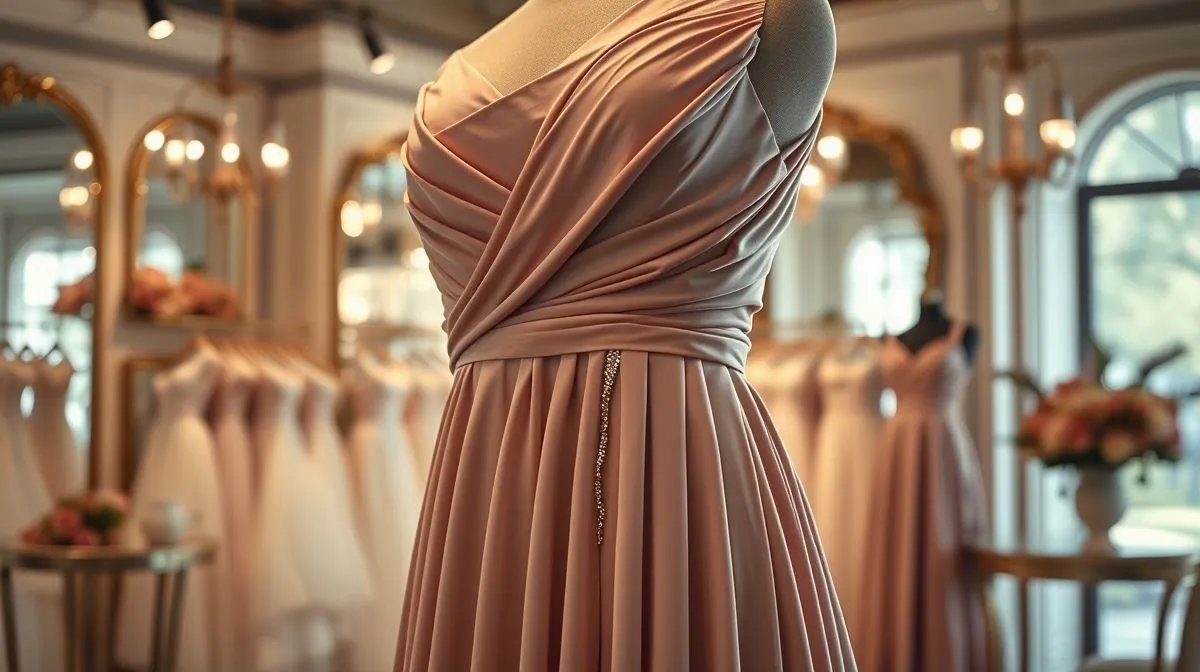
What causes low conversion for bridesmaid dress consultations?
For over two decades in the bridal fashion industry, I've had the privilege of witnessing countless dreams come true, but also the frustration of missed opportunities. One consistent pain point I've observed in bridal boutiques, from bustling city salons to charming countryside studios, is the perplexing challenge of low conversion rates for bridesmaid dress consultations.
It's a unique sales dynamic, isn't it? Unlike the singular focus of a bride, a bridesmaid consultation involves navigating a kaleidoscope of personalities, budgets, and opinions. This inherent complexity often leads to a higher rate of 'browse-and-leave' scenarios, leaving boutique owners and consultants scratching their heads and wondering where they went wrong.
In this definitive guide, I'll draw upon my extensive experience and industry insights to unpack the core issues behind why bridesmaid dress consultations often fail to convert. We'll explore the often-overlooked pitfalls, from group dynamics to follow-up blunders, and, most importantly, provide you with actionable frameworks, real-world case studies, and expert strategies to transform your conversion rates and boost your bottom line.
The Misunderstood Bridesmaid Dynamic: More Than Just a Group
One of the primary reasons I believe boutique owners struggle with bridesmaid conversions is a fundamental misunderstanding of the bridesmaid dynamic itself. It's not just one decision-maker; it's a committee, often with conflicting agendas and emotional investments.
The "Too Many Cooks" Syndrome
I've seen this play out countless times: a bridal party arrives, full of excitement, but as soon as dresses are pulled, the individual opinions begin to surface. What starts as a collaborative effort can quickly devolve into a debate, with each bridesmaid advocating for her personal preference, often overshadowing the bride's vision or the group's collective aesthetic.
The key to navigating group dynamics is to remember that the ultimate decision-maker, even if influenced, is the bride. Your role is to facilitate harmony, not to mediate a fashion battle.
This internal conflict makes it incredibly difficult to reach a consensus, leading to indecision and, ultimately, a non-sale. Understanding the social hierarchy and emotional undercurrents within the group is paramount.
Lack of Pre-Consultation Preparation
Another significant contributor to low conversion for bridesmaid dress consultations is the lack of adequate preparation before the appointment. Bridesmaids often arrive with vague ideas, no set budget, or an incomplete understanding of the bride's expectations. This unpreparedness wastes valuable consultation time and makes the decision-making process far more arduous.
- Define the Vision: Encourage the bride to have a clear idea of her desired aesthetic (color palette, fabric, formality) before the appointment.
- Set a Budget Range: Have an honest conversation about the realistic budget for each bridesmaid's dress, factoring in alterations and accessories.
- Communicate Expectations: Ensure all bridesmaids understand the purpose of the consultation and their role in the decision-making process.
- Gather Sizes: While not always possible, having approximate sizes can help narrow down options efficiently.
Sending a detailed pre-consultation questionnaire or a 'Bridesmaid Prep Guide' can dramatically improve the focus and efficiency of the appointment.
Ineffective Consultation Flow & Environment
Even with a well-prepared group, a poorly structured consultation or an overwhelming environment can severely impact conversion rates. I've often seen boutiques focus so much on the gowns that they overlook the critical elements of the experience itself.
The Rushed or Overly Long Appointment
Finding the 'Goldilocks' zone for consultation length is crucial. A rushed appointment leaves no time for true connection or thorough exploration, while an overly long one can lead to decision fatigue and dwindling enthusiasm. In my experience, 60-90 minutes is often ideal for a bridesmaid consultation, allowing ample time without becoming exhausting.
- Warm Welcome & Goal Setting (5-10 min): Greet the party, confirm the bride's vision, and set expectations for the appointment.
- Initial Exploration & Education (15-20 min): Briefly walk through styles, fabrics, and color swatches, educating the group on options.
- First Round of Try-Ons (20-30 min): Select 3-5 diverse styles based on the initial discussion.
- Refinement & Re-Try (15-20 min): Based on feedback, narrow down choices or try on a second round of 1-3 dresses.
- Decision & Next Steps (5-10 min): Guide the group towards a decision, discuss ordering, and address final questions.
Sub-optimal Showroom Layout & Inventory Display
An overwhelming array of dresses, poor lighting, or cramped changing areas can create a stressful environment that hinders decision-making. Bridesmaids need space to move, see themselves clearly, and feel comfortable discussing their preferences openly.
Case Study: Bridal Bliss Boutique's Layout Revamp
Bridal Bliss Boutique, a long-standing client of mine, was experiencing a consistent issue with low conversion for bridesmaid dress consultations, despite having a fantastic selection. Their issue? An overwhelming, densely packed showroom. Bridesmaids felt lost amidst the racks, and the consultation area was cramped. I advised them to implement a 'curated capsule' approach, dedicating a specific, spacious section of their showroom exclusively to bridesmaid dresses. They reduced the number of styles on display at any one time but rotated them frequently, ensuring each dress had room to breathe. They also invested in larger, well-lit changing rooms and comfortable seating for the waiting party. This seemingly simple change, combined with a refined consultation flow, led to a 25% increase in bridesmaid conversion rates within six months, as the decision process became less overwhelming and more enjoyable.
Pricing Transparency & Budget Misalignment
The unspoken truth in many consultations is the fear of discussing money. This apprehension, however, is a significant factor in why bridesmaid consultations often don't convert. Sticker shock or perceived hidden costs can quickly derail an otherwise successful appointment.
The Elephant in the Room: Budget Discussions
I always advise my clients to address budget early and tactfully. It's not about being pushy, but about setting realistic expectations and ensuring you're showing dresses within a comfortable price range for all involved. This builds trust and prevents disappointment later in the process.
Transparent pricing, communicated clearly from the outset, is the cornerstone of a smooth, high-converting sales process in bridal fashion. It eliminates awkward surprises and builds immediate credibility.
Make sure your consultants are trained to gently inquire about budget parameters at the start of the appointment, even before dresses are pulled. This allows them to curate selections that align with financial realities, not just aesthetic desires.
Value Proposition vs. Price Point
For many bridesmaids, this might be their first significant dress purchase, and they might not understand the value behind a well-made gown from a reputable boutique. It's crucial to articulate the value proposition beyond just the dress itself.
What are they paying for? Expert alterations, personalized service, quality fabrics, support from a dedicated consultant, peace of mind that their dress will arrive correctly and on time. As the renowned business leader Warren Buffett once said, "Price is what you pay. Value is what you get." Your consultants must be adept at communicating this value.
According to a study published in Harvard Business Review, customers are increasingly seeking value over mere low prices. This means emphasizing the entire experience and the quality assurance you provide, rather than just the dollar amount.
Consultant Training & Sales Acumen Gaps
Your consultants are the front lines of your business, and their skills directly correlate with your conversion rates. Often, low conversion for bridesmaid dress consultations can be traced back to gaps in consultant training, particularly beyond basic product knowledge.
Beyond Product Knowledge: Emotional Intelligence
Knowing every fabric and silhouette is vital, but true success in bridesmaid sales hinges on emotional intelligence. Can your consultants read the room? Can they sense underlying tensions between bridesmaids? Can they empathetically guide a group towards consensus without being overbearing?
- Active Listening: Really hear what each bridesmaid (and especially the bride) is saying, both verbally and non-verbally.
- Conflict Resolution: Gently steer conversations away from arguments and towards compromise.
- Empathy: Understand the stress and financial pressure some bridesmaids might be under.
- Group Facilitation: Maintain control of the appointment, ensuring all voices are heard but the process moves forward efficiently.
Training in these soft skills is just as important as knowing the latest collections. Your consultants should be facilitators of joy, not just dress presenters.
Overcoming Objections & Closing Techniques
Many consultants excel at showcasing dresses but falter when it comes to overcoming objections or confidently asking for the sale. Common objections might include budget concerns, needing more time, or wanting to see more options elsewhere. Your team needs a playbook for these scenarios.
The ability to gracefully address objections and guide a client to a decision is a skill honed through practice and expert training. It transforms a 'maybe' into a 'yes'.
Effective training includes role-playing common objections and practicing various closing techniques, from the assumptive close to the summary close. As sales guru Brian Tracy often emphasizes, "Every objection is a request for more information." Equip your team to provide that information effectively and persuasively.
For deeper insights into effective sales strategies, I often refer to the principles outlined by thought leaders in sales psychology, which you can explore on platforms like Forbes' sales strategy section.
Post-Consultation Follow-Up Failures
The consultation doesn't end when the bridesmaids walk out the door. A significant number of sales are lost in the post-consultation phase due to inadequate or ineffective follow-up. This is a critical area where low conversion for bridesmaid dress consultations often stems from a lack of consistent strategy.
The Timeliness & Personalization Factor
Generic, automated emails are easily dismissed. A timely, personalized follow-up can make all the difference. I recommend a multi-touch approach that balances professionalism with a personal touch.
- Immediate Thank You (within 24 hours): A brief email or text thanking them for their visit. Include a few photos of the dresses they loved.
- Personalized Recap (within 48-72 hours): A more detailed email, perhaps with links to the specific dresses, size charts, and a reminder of any special offers discussed.
- Gentle Nudge (1 week): If no response, a polite check-in, offering to answer any further questions or schedule a follow-up call/virtual consultation.
- Final Outreach (2 weeks): A last, non-pushy email reminding them of their options and your availability.
Leveraging Technology for Nurturing
Managing follow-ups manually for every client can be overwhelming. This is where technology becomes your best friend. Implementing a robust Customer Relationship Management (CRM) system can automate reminders, track communication, and personalize outreach.
Platforms like HubSpot or Salesforce offer excellent CRM solutions that can streamline your follow-up process, ensuring no lead falls through the cracks. As detailed in many business resources, including insights from Salesforce's own blog, effective CRM implementation is directly linked to improved sales efficiency and conversion rates.
Lack of Clear Call-to-Action & Urgency
Sometimes, the reason bridesmaid consultations don't convert is simply that the pathway to purchase isn't clear, or there's no compelling reason to act now. Many consultants are hesitant to 'close' the sale, fearing they might appear too pushy. This hesitation, however, often leads to indecision.
The Soft Close vs. The Direct Ask
There's a fine line between being overly aggressive and being too passive. A 'soft close' might involve asking, "Which of these dresses felt most like 'the one'?" or "What are your next steps?" This is a good starting point, but often, especially with a group, a more direct, yet still empathetic, ask is needed.
Examples of a direct, but not pushy, close: "Based on our discussion today, it seems like the [Dress Name] in [Color] is the perfect fit for the bridal party. Shall we go ahead and get the order placed for everyone today?" or "We've found a beautiful option that fits your vision and budget. How would you like to proceed with securing these for the big day?"
Creating Gentle Urgency (Without Pressure)
Genuine urgency can be a powerful motivator. This isn't about high-pressure tactics, but about providing valid reasons for acting sooner rather than later. This is particularly relevant when contemplating what causes low conversion for bridesmaid dress consultations, as group coordination often requires a deadline.
- Lead Times: Remind them of typical ordering and alteration lead times to ensure dresses arrive comfortably before the wedding date.
- Seasonal Collections: Mention if a particular color or style is part of a limited seasonal collection or might be discontinued.
- Production Schedules: Explain that certain designers have specific order windows or production cycles.
- Group Order Benefits: Highlight any advantages of placing a group order together (e.g., streamlined communication, consistent dye lots).
These factual points provide a logical reason for action, rather than an artificial sales gimmick.
Inadequate Data Tracking & Analysis
Finally, a critical, yet often overlooked, cause of low bridesmaid conversion is the failure to track and analyze key metrics. If you're not measuring, you're guessing. You can't fix what you don't understand.
Identifying Bottlenecks in Your Sales Funnel
By tracking data, you can pinpoint exactly where potential sales are falling off. Is it after the initial inquiry? After the consultation? During the follow-up phase? Knowing your conversion rates at each stage of your sales funnel is invaluable.
- Inquiry-to-Consultation Rate: How many inquiries turn into booked appointments?
- Consultation-to-Quote Rate: How many appointments result in a detailed quote or proposal?
- Quote-to-Order Rate: How many quotes convert into actual sales?
- Average Order Value (AOV): What is the typical spend per bridesmaid group?
- Reason for Non-Conversion: Systematically track why sales are lost (e.g., budget, indecision, found elsewhere).
This granular data will clearly illuminate what causes low conversion for bridesmaid dress consultations specifically within your boutique.
A/B Testing Your Consultation Process
Once you have data, you can start experimenting. A/B testing involves trying out different approaches to your consultation process and measuring which performs better. For example:
- Test two different pre-consultation questionnaires.
- Experiment with different consultation lengths.
- Try varying follow-up sequences.
- Train consultants on a new closing technique and compare their conversion rates.
This iterative process of testing and refinement, a core principle in modern marketing as discussed by experts on platforms like HubSpot's marketing blog, is how you continuously optimize and improve your bridesmaid conversion rates over time.
Frequently Asked Questions (FAQ)
Question: How do I handle a bridesmaid group with wildly different opinions and avoid a stalemate? I always advise consultants to gently steer the conversation back to the bride's vision. Start by asking the bride, "What's your ultimate goal for your bridesmaids' look?" Then, frame the discussion around how each dress option supports that goal. Encourage bridesmaids to give constructive feedback rather than just expressing personal likes/dislikes. Sometimes, offering a compromise (e.g., different necklines in the same fabric/color) can break a deadlock.
Question: What's the ideal length for a bridesmaid consultation to maximize conversion? In my experience, 60 to 90 minutes is the sweet spot. Less than 60 can feel rushed and incomplete, leading to indecision. More than 90 can cause decision fatigue and overwhelm, especially with a group. This allows enough time for exploration, try-ons, and discussion without becoming exhausting.
Question: Should I charge for bridesmaid consultations? This is a nuanced decision. Some boutiques find a small, redeemable fee (applied to the dress purchase) helps qualify serious buyers and reduces no-shows. Others prefer to keep them free to encourage more traffic. If you do charge, clearly communicate the fee and its redeemable nature upfront. The primary goal is to signal the value of your time and expertise.
Question: How can I empower my consultants to close more bridesmaid sales without being pushy? Empowerment comes through comprehensive training in emotional intelligence, objection handling, and confident closing techniques. Focus on teaching them to be problem-solvers and trusted advisors, not just order-takers. Role-playing difficult scenarios and celebrating successful closes can build confidence. Encourage them to ask open-ended questions that lead the group to their own conclusions.
Question: What's the most effective follow-up strategy after a bridesmaid consultation? A personalized, multi-touch strategy is key. Send an immediate thank you with photos of the loved dresses (within 24 hours). Follow up with a more detailed recap, including links and sizing info (within 48-72 hours). A gentle check-in after a week, offering further assistance, is also effective. The goal is to stay top-of-mind and remove any lingering obstacles without being overbearing. Consistency and personalization are paramount.
Recommended Reading
- 5 Steps: What to Do When a Sustainable Supplier Violates Labor Codes?
- Clean Beauty's Credibility: 7 Proven Ways to Banish Greenwashing Skepticism
- The Ultimate Guide: How to Select Durable Fabrics for Active Stage Costumes?
- The Ultimate Guide: How to Store Handmade Jewelry to Prevent Damage?
- Sweaty Feet? Discover the Best Shoe Materials for Ultimate Comfort!
Key Takeaways and Final Thoughts
Addressing what causes low conversion for bridesmaid dress consultations isn't about a single magic bullet; it's about a holistic approach that refines every touchpoint of the customer journey. It requires empathy, strategic thinking, and a commitment to continuous improvement.
- Master the Group Dynamic: Facilitate, don't just present. Empower the bride while managing group input.
- Optimize Your Process: From pre-consultation prep to the flow of the appointment, ensure a seamless, enjoyable experience.
- Be Transparent on Price: Address budget early and clearly articulate the value beyond the dress.
- Invest in Your Team: Train consultants in emotional intelligence, objection handling, and confident closing.
- Perfect Your Follow-Up: Timely, personalized outreach after the consultation is crucial for nurturing leads.
- Track and Adapt: Use data to identify bottlenecks and continuously refine your approach.
Remember, every bridesmaid consultation is an opportunity, not just for a sale, but to build lasting relationships and enhance your boutique's reputation. By implementing these strategies, you'll not only see your conversion rates soar but also create more joyful, stress-free experiences for bridal parties, solidifying your position as a trusted expert in the bridal fashion world. Embrace these insights, and watch your bridesmaid business flourish!



Your email address will not be published. Required fields are marked *