

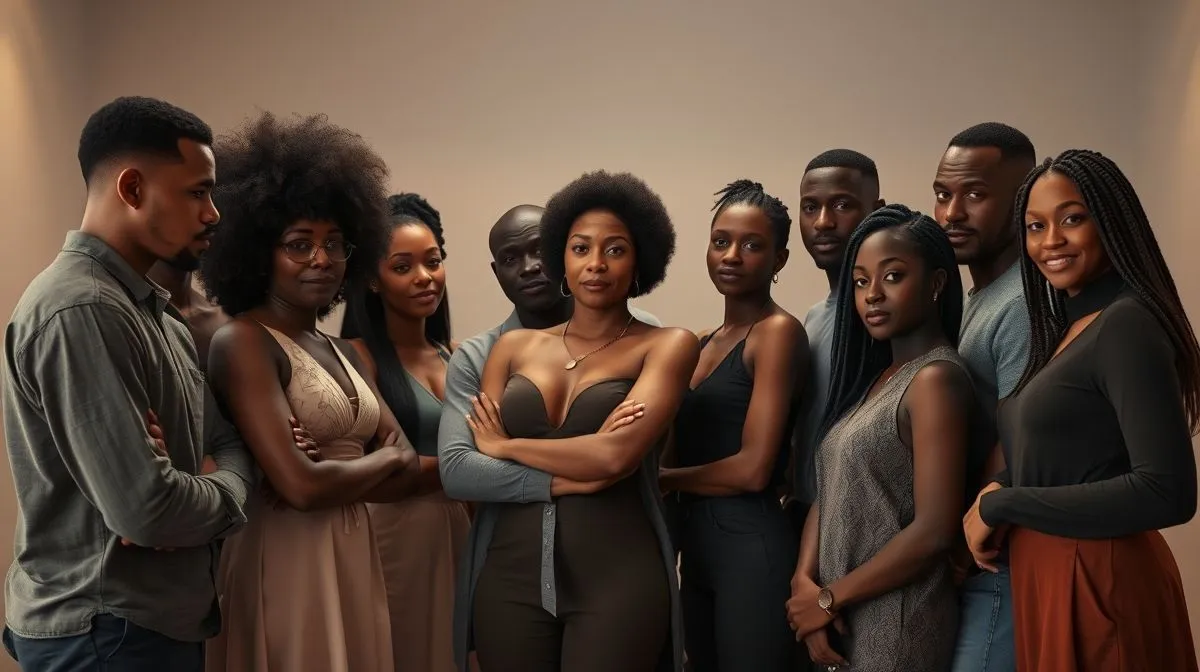
How to Genuinely Market Inclusive Fashion Without Brand Backlash?
For over two decades in the dynamic world of womenswear, I've observed countless brands rise and fall, not always due to product quality, but often because of a profound disconnect with their audience. One of the most significant shifts I've witnessed, and indeed championed, is the imperative for genuine inclusivity.
The fashion industry, historically, has been notoriously exclusive. While many brands now recognize the moral and economic imperative to embrace diversity, the path to genuinely marketing inclusive fashion without brand backlash is fraught with peril. It's a tightrope walk between sincere commitment and the appearance of performative allyship, which, in today's hyper-aware consumer landscape, can lead to swift and severe reputational damage.
This article isn't just a guide; it's a deep dive into the strategic frameworks, ethical considerations, and practical steps I've refined over my career to help brands not just appear inclusive, but truly embed it into their DNA. You'll learn how to build trust, foster authentic connections, and avoid the missteps that turn good intentions into PR disasters.
Understanding the Inclusive Fashion Landscape & Avoiding Pitfalls
The concept of 'inclusive fashion' has evolved far beyond simply offering extended sizing. Today, it encompasses a vast spectrum: diverse body types, varying abilities, different genders, ages, ethnicities, and socio-economic backgrounds. Consumers, particularly Gen Z and millennials, are incredibly savvy. They can spot inauthenticity a mile away, and their collective voice, amplified by social media, can make or break a brand.
The primary pitfall I've seen brands stumble into is treating inclusivity as a marketing trend rather than a fundamental shift in values. This often manifests as 'tokenism' – featuring a single plus-size model in a campaign, but lacking extended sizing in product lines, or showcasing a person with a disability without considering adaptive design principles. This superficial approach inevitably leads to backlash because it exposes a lack of genuine commitment.
In my experience, the biggest mistake brands make is a failure to align their external messaging with their internal operations and core values. Inclusivity must be woven into the fabric of your organization, not just draped over your advertising campaigns.
Before you even think about marketing, conduct an internal audit. Look at your design process, your supply chain, your employee demographics, your leadership team. Are they diverse? Do they genuinely reflect the inclusive values you wish to project? As a study by McKinsey & Company highlights, companies with diverse teams are more innovative and perform better financially, underscoring that diversity is not just a moral good, but a business imperative.
Authenticity Over Aspiration: Building a Genuine Inclusive Brand Identity
Authenticity is the bedrock of successful inclusive marketing. It's about being true to who your brand is and what it stands for, and then reflecting that truthfully to your audience. This isn't about chasing every trend; it's about identifying where your brand can genuinely contribute to inclusivity and then committing fully.
How to cultivate authenticity:
- Define Your 'Why': Why is inclusivity important to your brand? Is it tied to your founding principles, a personal experience of your team, or a gap you genuinely want to fill in the market? Your 'why' must be compelling and sincere.
- Co-Create with Your Community: Don't assume you know what your diverse audience needs or wants. Engage with them. Host focus groups, run surveys, open direct lines of communication on social media. This isn't just feedback; it's co-creation.
- Transparency in Challenges: No brand is perfect. If you're on a journey towards greater inclusivity and encounter challenges, be transparent about them. Share your progress, acknowledge missteps, and articulate your commitment to improvement. This builds immense trust.
Case Study: 'Harmony Apparel's' Size-Inclusive Journey
Harmony Apparel, a mid-sized activewear brand, initially faced criticism for its limited size range despite touting 'body positive' messaging. Rather than issuing a generic apology, they decided to be fully transparent. They launched a campaign called 'Our Evolution,' detailing their journey to expand sizing from XS-XL to 3XS-4XL. They publicly shared their design challenges, the financial investment required, and even the learning curve their pattern makers faced. They involved their community by sending prototypes to a diverse group of beta testers for feedback, showcasing their unedited comments. This resulted in an initial dip in sales from some existing customers who preferred the old model, but a massive surge in new, loyal customers who appreciated their honesty and commitment. Harmony Apparel not only expanded its size range but built an unshakeable reputation for authenticity.
The Power of Diverse Representation: Beyond Tokenism
Representation matters, but it must be thoughtfully executed. Simply featuring diverse models without genuine integration often feels performative. True diverse representation goes beyond surface-level aesthetics and permeates every aspect of your visual storytelling.
- Casting Calls: Actively seek out models of all sizes, ages, abilities, genders, and ethnicities. Work with agencies that specialize in diverse talent.
- Authentic Storytelling: Don't just show diversity; tell diverse stories. Let your campaigns reflect the real lives and experiences of your audience. Show people living, working, and thriving in your clothes, not just posing.
- Behind the Camera: Extend diversity behind the scenes. Hire diverse photographers, stylists, creative directors, and marketing teams. Their perspectives are invaluable in ensuring authentic representation.
- Avoid Stereotypes: Be hyper-aware of unintentionally perpetuating stereotypes. Research cultural nuances and work with consultants if necessary to ensure your imagery is respectful and accurate.
As marketing expert Seth Godin often emphasizes, marketing is about telling stories that resonate. When those stories genuinely reflect the diverse tapestry of humanity, they create a far deeper connection than any aspirational, homogenous narrative ever could.
Audience Engagement: Listening, Learning, and Co-Creating
The modern consumer expects a two-way dialogue with brands. This is especially true in the realm of inclusivity. Your audience isn't just waiting to be marketed to; they want to be heard, valued, and involved. Effective engagement is a proactive, continuous process.
Strategies for Deep Audience Engagement:
- Establish Feedback Loops: Create accessible channels for feedback. This could be dedicated email addresses, social media listening tools, or even direct messaging campaigns. Respond thoughtfully and genuinely to both positive and negative comments.
- Host Community Forums/Events: Whether online or in-person (where feasible), create spaces for your community to connect with each other and with your brand. These can be design workshops, styling sessions, or discussions on inclusivity.
- Leverage User-Generated Content (UGC): Encourage your customers to share how they wear and interact with your products. Re-share their content (with permission and credit!) across your platforms. This not only provides authentic social proof but also celebrates the diversity of your real customer base.
- Collaborate with Inclusive Influencers: Partner with micro and macro-influencers who genuinely embody inclusive values and have a diverse, engaged following. Ensure their personal brand aligns with your commitment to authenticity. Avoid 'pay-to-post' relationships that lack genuine connection.
A truly inclusive brand doesn't just talk *to* its audience; it talks *with* them, learns *from* them, and grows *with* them. This iterative process of listening and adapting is your strongest shield against backlash.
Transparent Supply Chains & Ethical Practices: Walking the Talk
Inclusivity isn't just about who wears your clothes; it's also about who makes them and under what conditions. Consumers are increasingly scrutinizing brands' supply chains. A brand that champions diversity in its marketing but relies on exploitative labor practices or environmentally damaging processes will face inevitable backlash. This is where the 'trustworthiness' component of E-A-T really shines.
Key areas for transparency:
- Ethical Sourcing: Can you trace your materials? Are they sustainably sourced? Are the workers paid fair wages and provided safe working conditions?
- Fair Labor Practices: Go beyond legal minimums. Ensure all individuals involved in your production are treated with dignity and respect. This includes garment workers, fabric suppliers, and even your in-house teams.
- Environmental Responsibility: Inclusivity extends to the planet we all share. What are your brand's commitments to reducing waste, conserving resources, and minimizing its carbon footprint?
- Supplier Diversity: Actively seek out and support suppliers who are themselves diverse-owned or committed to inclusive practices. This extends your impact beyond your direct operations.
Share your journey towards greater transparency and ethical production. Use your website, social media, and product tags to communicate your efforts. Organizations like Fashion Revolution provide excellent resources and benchmarks for supply chain transparency. A transparent and ethical supply chain reinforces your brand's holistic commitment to inclusivity, demonstrating that your values run deep.
Navigating PR & Crisis Management in the Inclusive Space
Despite best intentions, missteps can occur. The difference between a minor blip and a full-blown brand crisis often lies in how a brand responds. In the sensitive arena of inclusivity, a swift, sincere, and strategic response is paramount.
My crisis management playbook for inclusive fashion:
- Listen Intently, Don't Defend: When criticism arises, your first instinct should be to listen. Understand the specific concerns. Do not become defensive or dismissive.
- Respond Swiftly & Sincerely: Acknowledge the feedback promptly. Your response must be genuine, empathetic, and take responsibility where appropriate. A templated or PR-speak apology will only exacerbate the situation.
- Educate Internally & Externally: If a mistake was made due to a lack of understanding, use it as a learning opportunity. Share what you've learned internally and, where appropriate, externally. This demonstrates growth.
- Outline Concrete Action: An apology is not enough. What specific steps will your brand take to rectify the mistake and prevent it from happening again? Be clear, measurable, and commit to follow-through.
- Engage with Critics (Respectfully): Don't ignore or block critics. Engage with them constructively, invite dialogue, and demonstrate your willingness to learn and improve.
As I've seen countless times, a well-handled crisis can actually strengthen brand loyalty, turning a moment of vulnerability into a testament to your brand's integrity and commitment to its values. It’s an opportunity to reinforce your 'why'.
Measuring Impact & Continuous Improvement
Inclusivity isn't a destination; it's an ongoing journey. To truly embed it within your brand and avoid complacency (which can also lead to backlash), you must continuously measure your impact and commit to iterative improvement.
- Qualitative Feedback: Continuously solicit feedback from your diverse customer base and internal teams. Are your products meeting their needs? Do they feel represented and valued?
- Quantitative Metrics: Track relevant data points. This could include sales of extended sizes, engagement rates on inclusive campaigns, customer service inquiries related to fit/diversity, or even shifts in brand sentiment analysis.
- Benchmarking: Look at industry leaders in inclusivity. What are they doing well? Where can you learn and improve?
- Regular Audits: Periodically audit your marketing materials, product lines, and internal policies against your inclusivity goals. Are you walking the talk?
- Invest in Education: Continuously educate your design, marketing, and leadership teams on evolving inclusivity best practices, cultural nuances, and adaptive design principles.
This commitment to ongoing learning and adaptation ensures that your brand remains relevant, respectful, and genuinely inclusive, building a loyal community that trusts your intentions and values your efforts.
Frequently Asked Questions (FAQ)
Question: How do I ensure my marketing team truly understands inclusivity, especially if they lack personal experience with diverse communities? The most effective approach is ongoing education and direct engagement. Bring in consultants who specialize in diversity, equity, and inclusion (DEI) training. Facilitate workshops that go beyond theory to practical application. Crucially, encourage your team to actively listen to and engage with diverse voices, perhaps through community partnerships or mentorship programs. This builds empathy and understanding that no textbook can provide.
Question: Is it okay to use AI-generated models for inclusive campaigns to save costs? While AI offers fascinating possibilities, for genuine inclusivity, I strongly advise against using AI-generated models, especially if it's your primary form of representation. The core of inclusive marketing is authenticity and human connection. AI models, no matter how realistic, lack the lived experience and genuine human element that resonates with audiences. They can be perceived as a cost-cutting measure that sidesteps real representation, potentially leading to significant backlash. Invest in real people.
Question: How can a small brand with limited resources genuinely embrace inclusivity without breaking the bank? Inclusivity isn't solely about large budgets; it's about mindset and commitment. Start small but be authentic. Focus on one or two areas where you can make a genuine impact (e.g., truly excellent extended sizing, or designing for a specific underserved community). Leverage user-generated content, build strong community relationships, and collaborate with micro-influencers who share your values. Your sincerity and consistent effort will resonate far more than a flashy, inauthentic campaign.
Question: What's the biggest red flag that a brand is practicing 'performative allyship' in inclusivity? The biggest red flag is a significant discrepancy between outward marketing claims and internal actions or product offerings. If a brand champions body positivity but only offers sizes up to XL, or promotes diverse models but has no diverse representation in its leadership, it's a clear sign of performative allyship. Another red flag is short-term, reactive campaigns during cultural moments (e.g., Black History Month, Pride) without sustained, year-round commitment or internal change.
Question: How do I handle negative comments or 'call-outs' on social media when trying to be inclusive? Approach 'call-outs' as valuable feedback. Thank the commenter for their perspective. Acknowledge their point without being defensive. If you've made a mistake, apologize genuinely and explain what steps you're taking to learn and improve. If it's a misunderstanding, clarify respectfully. Always respond publicly when appropriate, demonstrating transparency, but take complex or sensitive discussions to direct messages. Remember, this is an opportunity to show your brand's commitment to continuous improvement and accountability.
Recommended Reading
- Why Aren't My Fashion Style Guides Converting to Sales? 7 Fixes.
- 7 Steps: Avoid Greenwashing as Your Organic Beauty Brand Grows
- The Ultimate Guide: How to Preserve Haute Couture Runway Masterpieces Forever
- Unlock the Future: Do Self-Cleaning Clothes Truly Eliminate Laundry?
- 7 Proven Steps: Authenticate High-Value Vintage Dresses for Resale
Key Takeaways and Final Thoughts
- Authenticity is Non-Negotiable: Your commitment to inclusivity must be deeply embedded in your brand's values and operations, not just a marketing tactic.
- Listen & Co-Create: Engage proactively with your diverse audience. Their insights are invaluable for genuine product development and communication.
- Holistic Approach: Inclusivity extends beyond marketing to your supply chain, internal team, and ethical practices. Walk the talk.
- Transparency Builds Trust: Be open about your journey, challenges, and continuous efforts. Imperfection handled with integrity fosters loyalty.
- Measure & Adapt: Inclusivity is an ongoing process. Continuously measure your impact and be prepared to evolve.
The journey to genuinely marketing inclusive fashion without brand backlash is challenging, but it is profoundly rewarding. It requires courage, empathy, and an unwavering commitment to doing what's right, not just what's popular. By embedding inclusivity into every fiber of your brand, you won't just avoid backlash; you'll build a more resilient, beloved, and truly impactful presence in the womenswear industry. This is the future of fashion, and it's a future we can all be proud to build together.




Your email address will not be published. Required fields are marked *