

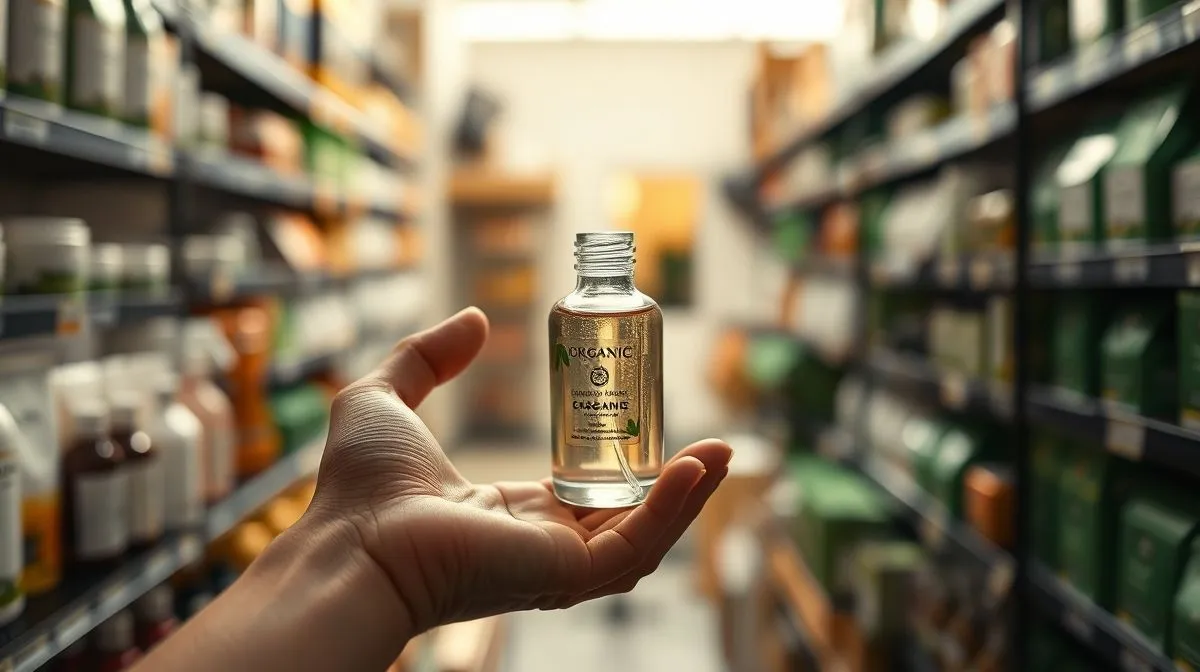
How to Avoid Greenwashing While Scaling an Organic Beauty Brand?
For over two decades in the beauty fashion industry, I've had a front-row seat to its incredible evolution. I've witnessed the rise of conscious consumerism, the demand for natural ingredients, and the powerful shift towards sustainability. Yet, I've also seen a recurring, insidious pitfall for many well-intentioned organic beauty brands: the subtle, often accidental, slide into greenwashing. It's a tightrope walk, especially when you're on a trajectory of growth.
The allure of appearing 'green' is undeniable in today's market. Consumers are actively seeking out brands that align with their values, willing to pay a premium for products that promise purity and environmental responsibility. However, this fervent demand creates a breeding ground for vague claims, half-truths, and misleading marketing tactics that, while perhaps not malicious in intent, erode trust and ultimately harm the entire industry's credibility.
This article isn't just another guide; it's a strategic framework born from years of observing both triumphs and missteps in the organic beauty space. I'll share expert insights, actionable steps, and real-world considerations to ensure your brand's growth is not only robust but also genuinely rooted in authenticity, allowing you to scale without compromising the very values that define your organic beauty brand.
The Imperative of Authenticity: Why Greenwashing Hurts More Than It Helps
In the competitive landscape of organic beauty, authenticity isn't a buzzword; it's the bedrock of sustained success. Greenwashing, whether intentional or not, systematically erodes this foundation. I've seen countless brands invest heavily in marketing 'green' attributes only to face a swift and brutal backlash when consumers or watchdog organizations uncover discrepancies.
The consequences extend far beyond a few negative reviews. Loss of consumer trust is paramount, leading to dwindling sales and a damaged reputation that can take years, if ever, to rebuild. Furthermore, regulatory bodies like the Federal Trade Commission (FTC) in the U.S. are increasingly scrutinizing environmental claims, leading to potential fines and legal repercussions. According to a 2023 Deloitte study, over half of consumers are willing to pay more for sustainable products, but they are also highly skeptical of brands' environmental claims, demanding proof and transparency.
“In today's hyper-connected world, transparency isn't just good practice; it's the ultimate currency. Greenwashing is a short-term gain for long-term brand suicide.”
Your brand's integrity is its most valuable asset. Scaling an organic beauty brand successfully means nurturing that integrity, ensuring every claim you make can withstand the closest scrutiny. This commitment to truth isn't just ethical; it's smart business strategy.
Deconstructing Greenwashing: Common Traps for Growing Brands
Understanding greenwashing isn't just about avoiding overt lies; it's about recognizing the subtle shades of deception that can creep into marketing. As your brand scales, the pressure to expand your marketing reach can inadvertently lead to these common pitfalls. I've categorized them based on patterns I've observed in the industry:
- Green by Association: Using natural imagery (leaves, earth tones) or vague terms like "eco-friendly" without specific, verifiable environmental benefits.
- Vague Claims: Phrases such as "all-natural" or "chemical-free" that lack scientific definition or context, or imply a product is superior simply by absence of certain ingredients.
- Hidden Trade-offs: Focusing on one small 'green' attribute while ignoring a larger, more significant environmental impact (e.g., organic ingredients in non-recyclable packaging).
- No Proof: Making environmental claims that cannot be substantiated with readily available data, certifications, or scientific evidence.
- Irrelevant Claims: Highlighting a true but unimportant green attribute (e.g., "CFC-free" when CFCs are banned globally anyway).
- The Lesser of Two Evils: Claiming to be 'greener' than other, demonstrably worse products in the category, without being truly sustainable themselves.
- Worshiping False Labels: Creating misleading or non-existent 'certifications' or 'eco-labels' to deceive consumers.
These traps are particularly dangerous for scaling brands because they offer a seemingly easy shortcut to appealing to eco-conscious consumers. However, this path is fraught with peril. The sophisticated consumer of today, armed with quick access to information, will see through these claims, and your brand's reputation will suffer.
Pillar 1: Radical Transparency in Sourcing and Supply Chains
True organic beauty begins at the source. For years, I've advocated that if you can't trace an ingredient back to its origin, you can't genuinely stand behind its organic claim. This principle becomes even more critical when you're scaling, as supply chains naturally become more complex and extended.
From Farm to Face: Tracing Every Ingredient
To genuinely avoid greenwashing, your brand must commit to radical transparency throughout its supply chain. This means understanding, documenting, and ideally, publicizing the journey of every single ingredient from its cultivation to its inclusion in your final product. This level of detail builds an unparalleled level of trust with your consumers.
- Deep Dive Audits of Suppliers: Go beyond surface-level checks. Visit your suppliers, understand their cultivation practices, their labor conditions, and their own environmental footprint. Ensure they align with your brand's core values.
- Demand Robust Certifications: Don't just take a supplier's word for it. Insist on valid third-party certifications for organic status, fair trade, and sustainable harvesting practices. These certifications provide an independent layer of verification.
- Embrace Traceability Technologies: As you scale, manual tracking becomes cumbersome. Explore technologies like blockchain or advanced ERP systems that allow you to digitally trace ingredients from origin to finished product, providing an immutable record of authenticity.
- Publicize Your Supply Chain: Consider creating a 'transparency report' or an interactive map on your website that allows consumers to explore the origin of key ingredients. This level of openness is a powerful antidote to greenwashing.
Case Study: How 'Pure Bloom Organics' Built Trust Through Traceability
Pure Bloom Organics, a mid-sized beauty brand specializing in botanical skincare, faced the challenge of maintaining its 'farm-to-face' narrative as it expanded distribution. Early on, they relied on supplier assurances. However, as they grew, their founder, Sarah, realized this wasn't sustainable or transparent enough. By implementing a blockchain-based traceability system for their hero ingredient, a rare organic lavender oil, they could map every step: the specific farm in Provence, the harvest date, the distillation process, and even the batch number. This allowed them to not only verify their claims internally but also provide a QR code on each product, enabling customers to scan and see the full journey. This radical transparency directly led to a 40% increase in customer loyalty and became a key differentiator in their marketing, showcasing how to avoid greenwashing while scaling an organic beauty brand authentically.
Pillar 2: Verifiable Certifications and Industry Standards
In a world saturated with self-proclaimed 'green' brands, third-party certifications are your brand's most powerful allies. They offer an independent, objective validation of your claims, providing consumers with the assurance they seek. As an expert, I've always emphasized that these aren't just badges; they are rigorous frameworks that guide genuine sustainable practices.
Navigating the Labyrinth of Eco-Labels
Not all certifications are created equal, and some hold more weight and recognition than others, especially internationally. As your brand grows, strategic investment in the right certifications can unlock new markets and build deep consumer confidence.
- USDA Organic: For agricultural ingredients, this is the gold standard in the U.S., verifying that ingredients are grown and processed according to strict organic standards.
- EcoCert & COSMOS Organic: Widely recognized in Europe and globally, these certifications set high standards for organic and natural cosmetics, covering sourcing, manufacturing, and packaging.
- Leaping Bunny / PETA Certified: Crucial for ethical brands, these certify that products and their ingredients are not tested on animals.
- Fair Trade Certified: Ensures ethical sourcing and fair wages for farmers and workers in the supply chain, often relevant for exotic ingredients.
- B Corp Certification: While not specific to beauty, this certifies a company's entire social and environmental performance, transparency, and accountability, signaling a holistic commitment to sustainability.
The process of obtaining these certifications can be challenging and resource-intensive, but the investment pays dividends in credibility. They force internal rigor and provide a robust defense against accusations of greenwashing. Remember, it's not about collecting every label, but choosing those that genuinely reflect your product's attributes and resonate with your target market. For more details on organic standards, you can refer to the USDA Organic Standards.
Pillar 3: Authentic Environmental Impact and Lifecycle Assessment
Beyond ingredients, a truly sustainable organic beauty brand considers its entire environmental footprint. This holistic view is paramount to avoid greenwashing while scaling an organic beauty brand. It means looking at everything from manufacturing processes to packaging and product end-of-life. Ignoring these areas is a common greenwashing trap.
Beyond Ingredients: Embracing Full Lifecycle Thinking
An ingredient might be organic, but if it's shipped across the world in single-use plastic packaging, its overall environmental benefit is significantly diminished. This is where Lifecycle Assessment (LCA) comes into play—a comprehensive methodology to evaluate the environmental impacts of a product throughout its entire life cycle.
- Conduct a Lifecycle Assessment (LCA): Engage with an expert or use specialized software to analyze the environmental impacts (carbon footprint, water usage, waste generation) of your products from raw material extraction to disposal. This provides data-driven insights for improvement.
- Innovate Sustainable Packaging: This is a critical area. Explore options like post-consumer recycled (PCR) plastics, glass, aluminum, biodegradable materials, and refillable systems. Prioritize reducing packaging weight and size.
- Optimize Production Processes: Look for ways to reduce energy consumption, water usage, and waste generation within your manufacturing facilities. Implement renewable energy sources where feasible.
- Manage End-of-Life: Design products for recyclability or compostability. Provide clear instructions to consumers on how to dispose of or recycle your product packaging properly. Consider take-back programs.
- Measure and Report Carbon Footprint: Understand your brand's overall carbon emissions and set reduction targets. Transparency in this area builds immense trust.
As environmental strategist Paul Hawken often emphasizes, we must move beyond simply doing 'less bad' and strive towards truly regenerative practices. This comprehensive approach to environmental impact is what separates genuinely sustainable brands from those engaging in performative 'greenness'. Insights from the U.S. EPA on Lifecycle Assessment can provide a valuable starting point.
Pillar 4: Clear, Honest Marketing and Communication
The way you communicate your brand's sustainability efforts is as important as the efforts themselves. Greenwashing often stems from overzealous or imprecise marketing. My advice has always been to err on the side of understatement and provide verifiable facts, rather than grand, unsubstantiated claims.
Crafting Credible Narratives, Not Green Fairy Tales
Your marketing should educate and inform, not just persuade. When you're growing, the temptation to simplify complex environmental messages can lead to misleading statements. Resist this urge by focusing on clarity, specificity, and evidence.
- Be Specific, Not Vague: Instead of "eco-friendly," say "packaging made from 100% post-consumer recycled plastic." Instead of "natural," specify "95% organic ingredients certified by EcoCert."
- Avoid Buzzwords Without Substance: Phrases like "clean beauty" or "conscious" are subjective. If you use them, define what they mean specifically for your brand, backed by your practices.
- Educate Consumers: Use your marketing channels (blog, social media, product pages) to explain *why* certain practices are sustainable, *how* your ingredients are sourced, and *what* certifications mean. Empower your customers to make informed choices.
- Admit Imperfections and Show Progress: No brand is 100% perfect. Acknowledging areas for improvement and outlining your plans to address them builds far more trust than claiming unattainable perfection. This transparency is key to how to avoid greenwashing while scaling an organic beauty brand.
- Ensure Consistency Across All Channels: From your website to your social media, packaging, and press releases, ensure that all your environmental claims are consistent and accurate.
“Authentic communication is a two-way street. It's not just about telling your story; it's about inviting scrutiny and responding with integrity. Honesty, even about challenges, builds indelible loyalty.”
For guidance on compliant environmental marketing, review resources like the FTC Green Guides, which outline principles for avoiding deceptive environmental marketing claims.
Pillar 5: Cultivating a Culture of Sustainability Internally
Sustainability isn't solely an external marketing strategy; it must be deeply embedded within your company's DNA. As your organic beauty brand scales, maintaining this internal commitment becomes a powerful defense against greenwashing. A genuine green culture ensures that sustainability is considered in every decision, from product development to logistics.
From Boardroom to Bench: Embedding Green Values
True change starts from within. When every employee understands and champions your brand's sustainability mission, it creates a powerful collective force that reinforces your external claims. As management guru Peter Drucker famously said, 'Culture eats strategy for breakfast.'
- Leadership Buy-in and Commitment: Sustainability must be a top-down priority. Leaders must visibly champion green initiatives, allocate resources, and integrate sustainability into the company's strategic goals.
- Employee Training and Engagement: Educate all employees, from R&D to sales and customer service, on your brand's sustainability practices, certifications, and goals. Empower them to be ambassadors and identify opportunities for improvement.
- Cross-Departmental Green Teams: Establish internal teams dedicated to specific sustainability initiatives, such as waste reduction, energy efficiency, or exploring new sustainable materials. This fosters collaboration and innovation.
- Incentivize Sustainable Practices: Integrate sustainability metrics into employee performance reviews or offer incentives for innovative green solutions proposed by staff.
- Regular Internal Audits and Reporting: Just as you'd audit external claims, regularly review your internal processes to ensure they align with your sustainability commitments. Share progress internally to maintain momentum.
A strong internal culture of sustainability creates a natural barrier against greenwashing. It ensures that 'green' isn't just a marketing ploy, but a fundamental operating principle. This holistic approach is essential for any brand committed to growing responsibly and authentically.
Scaling Responsibly: Growth Without Compromise
The core challenge for any organic beauty brand is to scale without compromising its foundational values. I often hear brand owners express fear that rapid growth will force them to cut corners, dilute their organic integrity, or fall prey to greenwashing. My experience suggests the opposite: strategic, responsible scaling can actually strengthen your commitment to authenticity.
Strategic Investments for Sustainable Expansion
Scaling responsibly means making deliberate choices that reinforce your green mission, rather than detract from it. It's about smart growth, not just fast growth.
- Invest in Green R&D: As you grow, allocate resources to research and develop even more sustainable ingredients, packaging solutions, and production methods. This continuous innovation keeps you ahead and reinforces your leadership in authentic sustainability.
- Form Strategic Partnerships: Collaborate with suppliers, distributors, and retailers who share your commitment to organic and sustainable practices. Vetting these partners carefully ensures your values are maintained across your expanded network.
- Prioritize Quality Over Quantity: Resist the urge to rapidly expand your product line or enter every market simultaneously. Focus on perfecting your sustainable offerings and building deep roots in key markets first.
- Reinvest Profits into Sustainability Initiatives: As your revenue grows, allocate a portion of it back into strengthening your sustainable infrastructure, whether it's upgrading to renewable energy at your facilities, investing in local organic farms, or developing circular economy models.
- Maintain Agile Decision-Making: Even at scale, be prepared to adapt quickly to new scientific findings, changing consumer expectations, or emerging sustainable technologies. Rigidity can lead to outdated practices.
Remember, sustainability is a journey, not a destination. As your brand expands, so too will the opportunities to deepen your commitment to genuine environmental and social responsibility. By integrating these principles into your growth strategy, you can confidently answer the question of how to avoid greenwashing while scaling an organic beauty brand, ensuring your legacy is one of integrity and genuine impact.
Frequently Asked Questions (FAQ)
How can a small organic beauty brand afford all these certifications? It's a common concern, and the answer is strategic prioritization. You don't need every certification at once. Start with one or two core certifications most relevant to your primary claims (e.g., USDA Organic for ingredients, Leaping Bunny for cruelty-free). As you grow and generate more revenue, reinvest in additional certifications that align with your expanded goals. Many certifiers also offer tiered pricing or support for smaller businesses. The long-term gain in trust and market access often outweighs the initial investment.
Is it possible to be 100% sustainable in beauty? In my expert opinion, achieving 100% sustainability in any industry, including beauty, is an incredibly ambitious, perhaps even unattainable, goal given current global infrastructures. However, this doesn't diminish the importance of striving for it. True sustainability is a continuous journey of improvement, reduction, and regeneration. Brands should focus on being 'better' and transparently communicating their progress and challenges, rather than falsely claiming perfection. Authenticity lies in the honest effort and commitment to ongoing improvement.
What's the riskiest greenwashing claim to make? The riskiest claims are those that are vague, unsubstantiated, or imply a benefit that is legally mandated or globally standard. For instance, claiming "CFC-free" today is irrelevant as CFCs are banned. Similarly, using terms like "all-natural" without specific ingredient lists or certifications can be highly misleading. Claims that promise a specific environmental benefit (e.g., "carbon neutral") without verifiable, third-party audited data are also extremely high-risk, as consumers and regulators are increasingly scrutinizing these with a fine-tooth comb.
How do consumers verify green claims? Savvy consumers verify green claims in several ways. They look for reputable third-party certifications (like USDA Organic, EcoCert, B Corp). They research brands online, checking reviews, independent articles, and the brand's own transparency reports. They might also check governmental guidelines (e.g., FTC Green Guides) or environmental watchdog sites. Many consumers are also becoming adept at spotting red flags like overly vague language, lack of specific data, or generic 'nature' imagery without substance.
Should I wait until I'm large to implement sustainability practices? Absolutely not. The earlier you integrate sustainability into your brand's core operations and strategy, the more deeply embedded and cost-effective it becomes. Building green practices from the ground up is far easier and more authentic than trying to retrofit them later. Starting small allows you to test, learn, and refine your sustainable processes, setting a strong foundation that can scale naturally with your growth, ensuring you organically learn how to avoid greenwashing while scaling an organic beauty brand.
Recommended Reading
- Unlocking Tomorrow's Style: How to Predict Emerging Streetwear Trends
- Timeless Elegance: How to Build Your Dream Wardrobe Now!
- The Ultimate Guide: How to Care for Anti-Reflective Coating on Glasses
- Eco-Friendly Athletic Wear: Sustainable Synthetics Unveiled!
- Unveiling the True Worth: Why Haute Couture Hand-Sewn Details Are Invaluable
Key Takeaways and Final Thoughts
Navigating the path of growth for an organic beauty brand requires not just business acumen, but unwavering integrity. Greenwashing is a tempting shortcut that ultimately leads to damaged reputations and lost trust. My decades in this industry have taught me that genuine sustainability is the only viable long-term strategy.
- Authenticity is Non-Negotiable: It's the foundation of consumer trust and brand loyalty.
- Transparency is Your Shield: Openly share your sourcing, processes, and challenges.
- Certifications Provide Credibility: Invest in reputable third-party validations.
- Holistic Impact Matters: Look beyond ingredients to packaging, production, and end-of-life.
- Honest Communication Builds Bridges: Be specific, clear, and humble in your marketing.
- Culture Drives Consistency: Embed sustainability into your company's DNA.
As you scale your organic beauty brand, remember that every decision is an opportunity to reinforce your commitment to genuine sustainability. It's a challenging but deeply rewarding journey. By prioritizing authenticity, transparency, and verifiable impact, you won't just avoid greenwashing; you'll build a resilient, respected brand that truly makes a positive difference in the world. Your consumers, and the planet, deserve nothing less.





Your email address will not be published. Required fields are marked *