

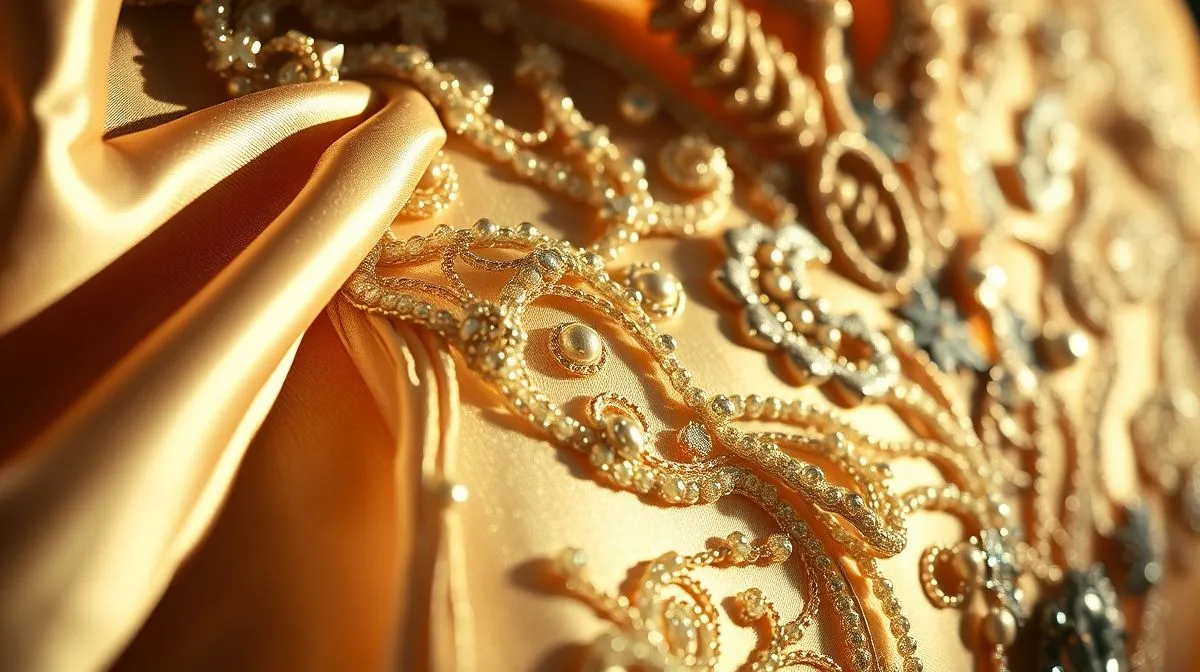
Imagine a single, almost imperceptible stitch. It’s tiny, yet perfectly formed, a testament to hours of meticulous work. Now, imagine thousands of such stitches, each one placed with precision and purpose, creating a garment that flows like liquid, fits like a second skin, and whispers tales of unparalleled artistry. This isn't just clothing; it's a living sculpture, a masterpiece of human ingenuity and dedication. But in an age of rapid production and disposable fashion, do we truly understand the profound significance of this painstaking process?
Many perceive haute couture as merely an exorbitant luxury, an inaccessible realm of fashion reserved for the elite. They see the astronomical price tags and wonder, 'Why?' They might appreciate the beauty, but the underlying 'problem' is often a lack of understanding about what truly justifies such value. It’s not just about the designer's name or the rare fabrics; it's fundamentally about the unseen, the intricate hand-sewn details that form the very soul of the garment.
This article will delve deep into the profound value of hand-sewn details in haute couture. You will learn about the unparalleled craftsmanship, the historical legacy, the superior quality, and even the surprising sustainability aspects that elevate these garments far beyond mere apparel. By the end, you’ll understand exactly why haute couture hand sewn details are valuable, not just as luxury items, but as enduring works of art and expressions of human excellence.
The Artistry of the Hand: Beyond Mere Stitching
At the heart of haute couture lies the human hand. While machines can replicate patterns with impressive speed, they lack the nuanced touch, the intuitive adjustment, and the artistic interpretation that only a skilled artisan can provide. Every stitch in a couture garment is a deliberate act, a conscious decision that contributes to the overall integrity and beauty.
The Human Touch vs. Machine Precision
Machine stitching is uniform and efficient, but it often creates a rigid, unyielding line. Hand stitching, by contrast, offers a subtle flexibility, allowing the fabric to drape and move naturally with the body. This organic quality is crucial for achieving the fluid silhouettes and perfect fit characteristic of haute couture.
Furthermore, the human eye can detect subtle imperfections and make real-time adjustments that a machine cannot. This ensures that seams are truly invisible, embellishments are perfectly aligned, and every element contributes to a harmonious whole. It’s about creating life in the fabric.
Techniques That Define Excellence
Haute couture relies on a repertoire of specialized hand-sewing techniques passed down through generations. These methods are labor-intensive but yield results unattainable by industrial means. Each technique serves a specific purpose, contributing to the garment's structure, durability, and aesthetic appeal.
- French Seams: These enclosed seams hide raw edges, creating a clean, professional finish on both the inside and outside of the garment. They are incredibly durable and prevent fraying.
- Hand-Rolled Hems: Delicate fabrics like silk chiffon are often finished with tiny, hand-rolled hems. This technique creates a soft, almost invisible edge that drapes beautifully.
- Intricate Embroidery and Embellishment: Beads, sequins, and threads are painstakingly applied by hand, often taking hundreds of hours. This allows for complex, three-dimensional designs that shimmer and catch the light in unique ways.
- Pad Stitching: Used in tailoring, particularly for collars and lapels, pad stitching involves tiny, almost invisible stitches that shape and give structure to the fabric, ensuring a perfect roll and drape.
- Felling and Blind Stitching: These techniques are used to secure linings and create invisible hems, ensuring that no stitching is visible from the exterior of the garment.
These techniques are not merely functional; they are an integral part of the garment's design, adding depth, texture, and a sense of unparalleled luxury. They are why haute couture hand-sewn details are valuable beyond simple construction.
A Legacy Woven in Every Thread: Historical and Cultural Significance
Haute couture is more than just fashion; it is a living history, a direct descendant of the artisanal traditions that predate industrialization. The hand-sewn details are a tangible link to centuries of craftsmanship, preserving skills and knowledge that might otherwise be lost.
Roots in Traditional Craftsmanship
Before the advent of sewing machines, all clothing was made by hand. Haute couture maintains this tradition, elevating it to an art form. It draws upon techniques developed by master tailors, embroiderers, and seamstresses over generations. This heritage imbues each piece with a narrative, a connection to a rich past of dedication and skill. As the Metropolitan Museum of Art notes, haute couture emerged from the Parisian fashion houses of the 19th century, building upon existing traditions of bespoke tailoring and elaborate dressmaking.
Preserving Vanishing Skills
In an increasingly automated world, the skills required for haute couture hand-sewing are rare and specialized. Each stitch is a testament to years of training, practice, and an innate understanding of fabric and form. By valuing and investing in haute couture, we contribute to the preservation of these crucial human crafts, ensuring that they are passed on to future generations. This aspect makes the details valuable not just for the garment itself, but for the continuation of a cultural legacy.
The Unparalleled Quality and Durability of Hand-Sewn Garments
One of the most compelling arguments for the value of hand-sewn details in haute couture is the superior quality and longevity they impart. Unlike mass-produced garments designed for obsolescence, couture pieces are built to last, often for decades or even centuries.
Superior Construction for Longevity
Hand-sewing allows for a level of precision and strength that machine-sewing often cannot match. Stitches can be individually knotted, reinforced, and adjusted to the specific tension and characteristics of the fabric. This meticulous construction means seams are less likely to fray, buttons are less likely to fall off, and embellishments are securely attached.
Consider a machine-stitched seam versus a hand-stitched one. If a single stitch breaks on a machine seam, the entire seam can unravel rapidly. In hand-sewing, individual stitches are often secured, meaning that if one breaks, the integrity of the rest of the seam remains intact. This translates directly into a garment that can withstand wear and tear far better.
The Resilience of Hand Finishing
Hand-finished details, such as hand-set zippers or hand-applied linings, allow for a greater degree of flexibility and give within the garment. This reduces stress points and prevents tearing or distortion over time. The fabric can move more freely, adapting to the wearer's body without strain.
This inherent durability is a key component of why haute couture hand sewn details are valuable. These are not throwaway items; they are investments, often becoming cherished heirlooms passed down through families, retaining their beauty and structural integrity for generations.
Bespoke Fit and Flawless Finish: Tailored to Perfection
The hallmark of haute couture is its unparalleled fit, tailored precisely to the individual wearer. This level of customization is only achievable through extensive hand-sewing and fittings, allowing for an intimate relationship between the garment and the body.
The Precision of Customization
A couture garment begins with a toile, a muslin prototype, which is meticulously fitted and adjusted on the client's body. Every curve, every nuance of their posture is accounted for. The hand-sewing process allows for these minute adjustments to be seamlessly incorporated into the final garment, ensuring a fit that is truly bespoke.
Machine production relies on standardized sizing, which can never truly accommodate the unique variations of the human form. Hand-sewing, however, allows for a fluid, adaptive construction, where seams can be subtly curved, panels shaped, and details placed to enhance the wearer's natural contours. This makes the garment feel like a second skin.
Invisible Stitches, Visible Perfection
The beauty of hand-sewn details often lies in their invisibility. Many stitches are designed to be hidden within the fabric layers or to blend seamlessly with the material, creating an illusion of effortless perfection. This includes techniques like blind hemming, where stitches are caught only on a single thread of the fabric, making them undetectable from the outside.
The result is a garment that appears to have no visible means of construction, as if it simply materialized onto the wearer. This flawless finish, achieved through hours of painstaking handwork, is a significant part of the allure and value of haute couture.
Sustainability and Ethical Imperatives in Haute Couture
In an era dominated by fast fashion's environmental and ethical crises, haute couture, with its emphasis on hand-sewn details, offers a powerful counter-narrative. It embodies principles of sustainability and responsible consumption in ways that mass production cannot.
Slow Fashion's Ultimate Expression
Haute couture is the epitome of slow fashion. Each garment takes hundreds, if not thousands, of hours to create, involving a small team of highly skilled artisans. This deliberate pace stands in stark contrast to the rapid cycles of fast fashion, which encourage constant consumption and discard. By investing in a couture piece, one is choosing quality over quantity, longevity over fleeting trends.
This slow production process inherently reduces waste and resource depletion associated with high-volume manufacturing. There is no excess inventory, no mass production of garments that may never be sold. Each piece is made to order, ensuring that resources are used efficiently and purposefully.
Reduced Waste and Resource Consumption
The precision of hand-sewing and bespoke tailoring minimizes fabric waste. Patterns are laid out with extreme care, and scraps are often repurposed for embellishments or smaller details. Furthermore, the durability of couture garments means they are worn for many years, reducing the need for frequent replacements and thus decreasing the overall environmental footprint.
According to the Ellen MacArthur Foundation, the fashion industry is a major polluter, with a linear 'take-make-dispose' model. Haute couture, with its circular approach to quality and longevity, offers a valuable alternative. The focus on enduring value, rather than fleeting trends, makes hand-sewn details not just luxurious, but also environmentally conscious.
The Investment Value: Why Haute Couture Appreciates
Unlike most fashion, which depreciates rapidly, haute couture garments can retain, and even increase, their value over time. This makes them not just clothing, but legitimate investments, much like fine art or antiques.
Rarity and Exclusivity
Haute couture pieces are inherently rare. Only a handful of houses are officially recognized to produce haute couture, and each collection features a limited number of unique designs. Furthermore, each garment is custom-made for a single client, ensuring its absolute exclusivity. This scarcity drives value, making these pieces highly sought after by collectors and enthusiasts.
The time and skill involved in creating hand-sewn details contribute directly to this rarity. It's impossible to mass-produce such intricate work, ensuring that each piece remains a unique creation.
Collectibility and Heritage
Certain haute couture pieces, especially those worn by prominent figures or from historically significant collections, can become museum-worthy artifacts. They are acquired by institutions and private collectors, their value appreciating over time due to their historical, artistic, and cultural significance. The provenance of a garment, its unique story and journey, adds immeasurably to its value.
The enduring quality and artistry of the hand-sewn details are what allow these garments to transcend their function as clothing and become objects of historical and artistic merit. They are not merely dresses; they are tangible pieces of fashion history, embodying the peak of human craftsmanship.
The Emotional and Experiential Value
Beyond the tangible aspects of quality and durability, there's a profound emotional and experiential value associated with haute couture and its hand-sewn details. This personal connection elevates the garment from a mere object to something imbued with meaning.
A Connection to the Artisan
Knowing that a garment was painstakingly created by human hands, with hours of dedication poured into every stitch, fosters a unique connection between the wearer and the artisan. It's a recognition of human effort, skill, and passion. This intrinsic human element is something that mass-produced items simply cannot replicate.
Wearing a hand-sewn couture piece is an experience. You can feel the quality of the fabric, the precision of the fit, and the artistry in every detail. It's a garment that has a story, a narrative woven into its very being, making the experience of wearing it deeply personal and unique.
The Narrative of Each Garment
Each haute couture piece, with its unique hand-sewn details, carries a narrative. It speaks of the creative vision of the designer, the skill of the artisans, and the specific needs and desires of the client. This narrative makes the garment a deeply personal possession, a reflection of individual taste and a celebration of human creativity. It's this profound narrative that truly makes why haute couture hand sewn details are valuable – they are pieces of art, not just clothing.
Frequently Asked Questions (FAQ)
Is all haute couture hand-sewn? While the vast majority of haute couture construction and finishing is done by hand, some initial machine stitching may be used for basic seams. However, the critical, visible, and structural elements – such as embellishments, linings, and specific finishing techniques – are always hand-sewn.
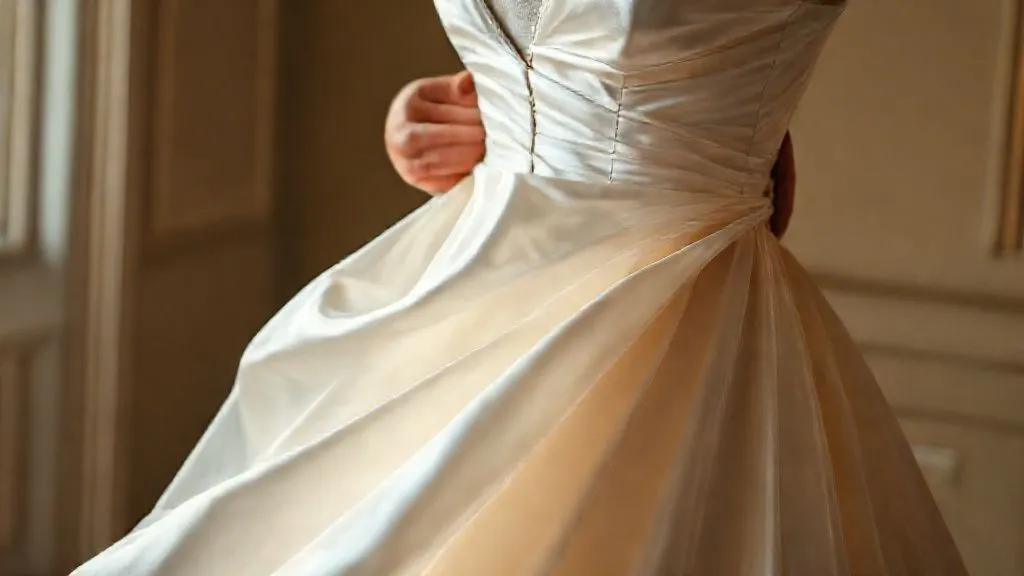
How long does it take to make a haute couture dress? The creation of a single haute couture garment can take anywhere from 100 to over 1,000 hours of handwork, depending on the complexity of the design, the fabric, and the amount of embellishment. Bridal gowns or highly embroidered pieces often take the longest.
Can hand-sewn details be repaired more easily? Yes, often. Because hand-sewn stitches are individual and often secured, a single broken stitch doesn't lead to the unraveling of an entire seam. This allows for more precise and localized repairs, making the garment easier to maintain and extend its lifespan.
What's the difference between haute couture and high fashion? 'Haute couture' refers to custom-fitted, hand-made garments created by specific design houses that meet strict criteria set by the Chambre Syndicale de la Haute Couture in Paris. 'High fashion' (or 'ready-to-wear') refers to designer collections produced in limited quantities for a broader, though still exclusive, market, often using machine production alongside some hand finishing. All haute couture is high fashion, but not all high fashion is haute couture.
Recommended Reading
- Fashion Blogging: Social Media Style Tips to Explode Your Brand
- Broadway Costume Design: The Ultimate Guide to Stage Magic!
- The Secret: How Phase Change Materials Regulate Clothing Temp?
- Unlock the Future: Can Robots Slash Waste in Fashion Manufacturing?
- Unlock the Secret: How to Make Unique Jewelry Designs Truly Stand Out
Conclusion
Ultimately, the profound value of hand-sewn details in haute couture transcends mere aesthetics or material cost. It encompasses an intricate blend of artistry, historical preservation, unparalleled quality, sustainable practices, and significant investment potential. Each tiny stitch is a testament to human skill, patience, and dedication, transforming fabric into a wearable masterpiece. Understanding why haute couture hand sewn details are valuable allows us to appreciate these garments not just as symbols of luxury, but as enduring works of art that celebrate the pinnacle of human craftsmanship and creativity. In a world increasingly driven by speed, haute couture reminds us of the enduring power and beauty found in the meticulous, the handmade, and the truly unique.


Your email address will not be published. Required fields are marked *