

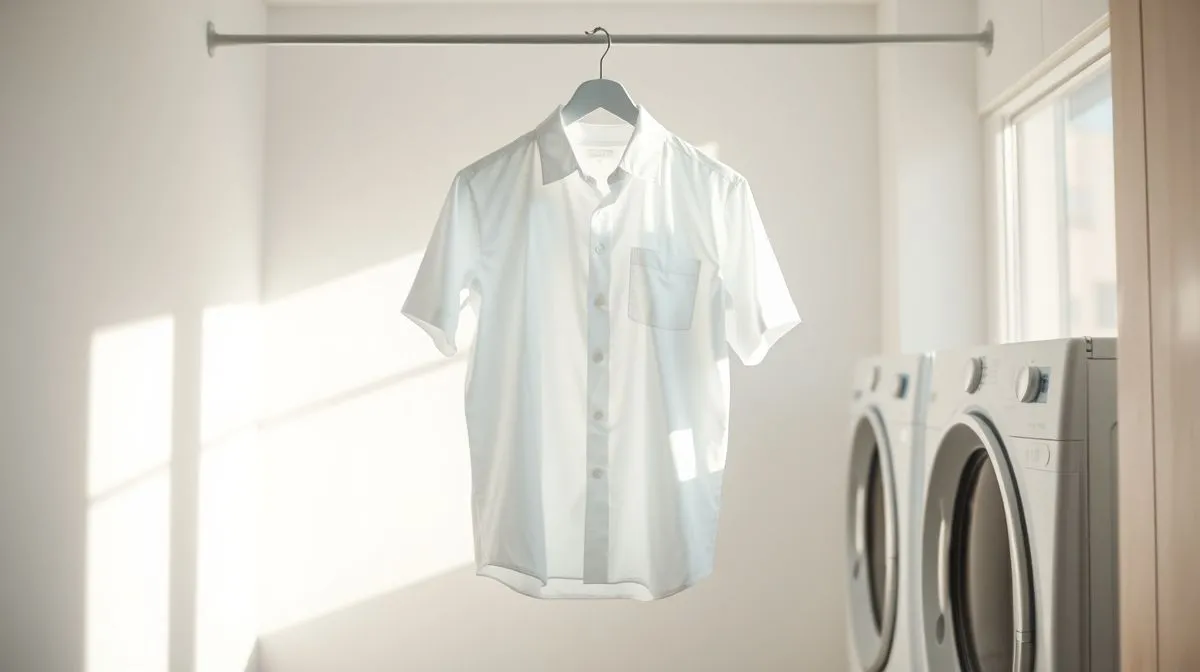
Do Self-Cleaning Clothes Really Eliminate Laundry? Unraveling the Future of Fabric
Imagine a world where the relentless cycle of washing, drying, and folding clothes becomes a distant memory. A world where your favorite shirt repels stains, neutralizes odors, and practically cleans itself. For many, the idea of self-cleaning clothes sounds like a utopian dream, a sci-fi fantasy that's too good to be true. But with rapid advancements in material science and nanotechnology, this dream is steadily inching closer to reality, prompting the pivotal question: do self-cleaning clothes really eliminate laundry?
The perpetual chore of laundry consumes countless hours, gallons of water, and significant energy, contributing to our environmental footprint and draining our precious time. From sorting colors to battling stubborn stains, the process is often tedious and resource-intensive. This universal 'problem' has driven innovators to seek revolutionary solutions, pushing the boundaries of traditional textiles.
This comprehensive guide will delve deep into the fascinating world of self-cleaning fabrics. We'll explore the cutting-edge science behind these revolutionary materials, examine their current capabilities and inherent limitations, and ultimately provide a clear, evidence-based answer to whether they can truly liberate us from the laundry room. Prepare to discover the intricate technologies that promise to redefine our relationship with clothing.
The Science Behind Self-Cleaning Fabrics: Hydrophobicity and Nanotechnology
At the heart of self-cleaning clothing lies an intricate dance of material science, primarily driven by principles of hydrophobicity and the marvels of nanotechnology. Understanding these concepts is key to grasping how these fabrics function.
The Lotus Effect: Nature's Blueprint for Cleanliness
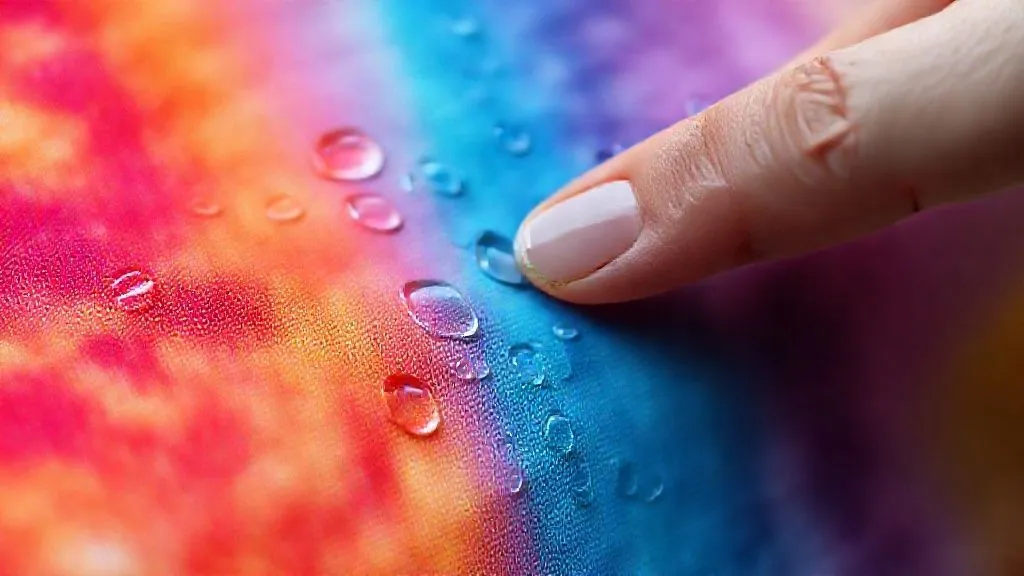
One of the primary inspirations for self-cleaning textiles comes from nature itself: the lotus leaf. Lotus leaves are renowned for their extraordinary ability to remain remarkably clean, even in muddy environments. This phenomenon, known as the Lotus Effect, is due to the leaf's superhydrophobic surface, characterized by a dual-level roughness. Microscopic bumps are covered with nanoscopic hairs, creating a highly textured surface that dramatically reduces the contact area for water droplets. Instead of spreading, water beads up into spherical droplets, picking up dirt particles as they roll off the surface. This self-cleaning mechanism has been meticulously mimicked in synthetic fabrics.
Nanotechnology: Engineering at the Atomic Scale
Nanotechnology involves manipulating matter on an atomic and molecular scale, typically between 1 to 100 nanometers. In textiles, this means embedding or coating fibers with nanoparticles that impart new properties. For self-cleaning clothes, nanoparticles of titanium dioxide (TiO2), silver, zinc oxide, and silica are commonly used. Titanium dioxide, for instance, is a photocatalyst. When exposed to UV light (from the sun or artificial sources), it generates reactive oxygen species that break down organic dirt and odors into harmless carbon dioxide and water. This process literally 'eats' away stains and contaminants.
Surface Modification and Coatings
Beyond nanoparticles, other surface modification techniques contribute to self-cleaning properties. These include applying durable water-repellent (DWR) finishes, which create a low surface energy that prevents liquids from soaking into the fabric. Some innovations also involve embedding specialized polymers or creating unique fiber structures that naturally resist dirt adhesion. The goal is always to reduce the surface area available for dirt and liquids to cling to, or to actively break them down.
Antimicrobial and Odor-Eliminating Technologies: More Than Just Stain Repellent
While stain resistance is a significant aspect of self-cleaning clothes, the battle against odors and microbial growth is equally crucial. Many self-cleaning garments go beyond simply repelling dirt to actively combat the sources of unpleasant smells.
The Role of Antimicrobial Agents
Odor in clothing is primarily caused by bacteria that thrive on sweat and skin cells, breaking them down and releasing volatile compounds. Self-cleaning fabrics often incorporate antimicrobial agents, such as silver nanoparticles, copper, or quaternary ammonium compounds, directly into the fibers. These agents inhibit the growth of bacteria, fungi, and other microorganisms, thereby preventing the development of odors. Silver, for example, releases ions that disrupt bacterial cell walls and metabolic processes, effectively neutralizing them.
Photocatalytic Odor Degradation
As mentioned, titanium dioxide nanoparticles can also play a vital role in odor elimination. Through photocatalysis, they break down organic odor molecules (like those from sweat or food) into simpler, odorless compounds. This means that merely exposing the garment to sunlight can significantly refresh it, reducing the need for traditional washing cycles solely for odor removal.
Beyond Bacteria: Viral and Fungal Resistance
The advanced antimicrobial properties of some smart textiles are not limited to bacteria. Research is ongoing into fabrics that can resist viruses and fungi, offering an enhanced level of hygiene. This is particularly relevant in specialized applications like medical textiles or sportswear, where preventing pathogen spread is paramount. The integration of these technologies elevates self-cleaning clothes beyond mere convenience to a realm of enhanced health and longevity for the garment.
Current Innovations and Pioneers in Self-Cleaning Apparel
The market for self-cleaning clothing is still nascent but growing, with several companies and research institutions leading the charge. These pioneers are bringing the science from the lab to our wardrobes.
Commercial Products and Brands
- HercFiber: This company develops fabrics that are highly stain-resistant and breathable, often incorporating advanced hydrophobic coatings. Their focus is on everyday wear that requires minimal washing.
- Silic: Known for their hydrophobic shirts, Silic was one of the early entrants to popularize the concept of liquid-repellent clothing. Their garments feature a nanoscopic layer that causes liquids to bead up and roll off.
- Odor-Eliminating Sportswear: Many athletic brands now offer lines of clothing treated with antimicrobial agents, often silver-based, to prevent odor buildup during intense workouts. While not 'self-cleaning' in the stain-repellent sense, they significantly reduce the need for washing after every wear.
- Ministry of Supply: This brand utilizes coffee-infused fibers in some of its garments to naturally absorb and neutralize odors, leveraging porous materials to trap scent molecules.
Research and Development Frontiers
Universities and research labs worldwide are pushing the boundaries further. Projects are exploring self-healing fabrics that can repair small tears, textiles that generate their own power, and even garments that can filter pollutants from the air. The integration of various smart functions into a single fabric is the ultimate goal, leading to truly multi-functional self-cleaning clothing.
For instance, research from institutions like the University of Cambridge has explored novel ways to embed photocatalytic materials more effectively and durably into textile fibers, ensuring the self-cleaning properties withstand multiple wears and gentle washes. Another area of focus is developing more environmentally friendly nanoparticle treatments that don't leach into water systems during washing, addressing potential ecological concerns.
The Practical Reality: What Self-Cleaning Clothes Can (and Can't) Do
While the promise of self-cleaning clothes is exciting, it's crucial to set realistic expectations. These garments are not magic wands that completely eliminate laundry; rather, they significantly reduce its frequency and intensity.
What They Can Do:
- Repel Liquids and Stains: Most effectively repel water-based liquids (coffee, juice, wine) and oil-based substances, preventing them from soaking in and staining.
- Neutralize Odors: Antimicrobial treatments and photocatalytic properties actively break down odor-causing bacteria and molecules, keeping clothes fresher for longer.
- Reduce Washing Frequency: By resisting stains and odors, these clothes can be worn multiple times between washes, saving water, energy, and time.
- Extend Garment Lifespan: Less frequent washing means less wear and tear on the fabric, potentially extending the life of the garment.
What They Can't Do (Yet):
- Self-Wash Heavy Dirt: Self-cleaning clothes won't remove caked-on mud, heavy grime, or deeply embedded dirt particles. They are designed for spills and everyday soiling, not a replacement for a full wash after strenuous activities.
- Eliminate All Laundry: You'll still need to wash them eventually. The technologies work to reduce the need for washing, not eliminate it entirely. They may still require a gentle machine wash or hand wash to remove accumulated dead skin cells, dust, or residual microscopic dirt that doesn't break down.
- Handle All Types of Stains: While effective against many common liquids, some highly pigmented or chemical stains may still pose a challenge.
- Be Indestructible: The coatings and treatments can wear off over time, especially with improper care or harsh washing.
According to a report by the American Cleaning Institute, the average household does 8-10 loads of laundry per week. Even a modest reduction in this frequency due to self-cleaning garments could lead to substantial savings in resources and effort.
Are Self-Cleaning Clothes Truly Sustainable? Environmental Impact and Benefits
The environmental implications of self-cleaning clothes are a significant part of the conversation. If they reduce laundry frequency, they could offer substantial ecological benefits.
Reduced Water and Energy Consumption
The most immediate and obvious environmental benefit is the reduction in water and energy usage. Washing machines consume significant amounts of water, and heating that water requires considerable energy. Less frequent washing directly translates to lower utility bills and a smaller carbon footprint. Drying clothes also consumes energy, so extending the wear time of garments reduces this impact as well.
Lower Detergent Use and Pollution
Fewer washes also mean less detergent is used. Traditional detergents often contain chemicals that can pollute waterways. While many eco-friendly options exist, reducing overall detergent consumption is inherently beneficial. Furthermore, the release of microplastics from synthetic fabrics during washing is a growing concern; less washing could mitigate this issue, though the long-term effects of nanoparticle release from these fabrics are still under study.
Extended Garment Lifespan and Waste Reduction
By protecting clothes from stains and wear-and-tear associated with frequent washing, self-cleaning technologies can extend the lifespan of garments. This is crucial for combating fast fashion and reducing textile waste, which is a major environmental problem globally. Longer-lasting clothes mean less frequent purchases and less material sent to landfills.
Potential Concerns and Trade-offs
While the benefits are clear, it's important to consider potential downsides. The manufacturing process for some of these advanced textiles can be energy-intensive. There are also ongoing discussions about the long-term environmental impact of nanoparticles, particularly silver and titanium dioxide, if they are released into water systems during the eventual washing process. Reputable manufacturers are increasingly focused on ensuring their treatments are durable and safely bound to the fibers, minimizing environmental release. The overall lifecycle assessment of these garments is complex but generally points towards a net positive environmental impact if they genuinely lead to less washing. For more on sustainable textiles, consider resources like the Textile Exchange.
Integrating Self-Cleaning Clothing into Your Lifestyle: Tips and Expectations
Embracing self-cleaning clothes means a shift in perspective on clothing care. Here's how to make the most of them and what to expect.
Understanding Care Instructions
Even though they are 'self-cleaning,' these garments still come with care instructions. Many require a gentle wash cycle, avoiding harsh detergents or fabric softeners that can degrade the special coatings. Always check the label. Some photocatalytic fabrics benefit from occasional exposure to sunlight to 'recharge' their cleaning properties.
Spot Cleaning and Maintenance
For minor spills, a quick dab with a damp cloth is often all that's needed. The hydrophobic nature of the fabric means liquids bead up, making them easy to wipe away before they can set. For odor control, simply airing out the garment or exposing it to natural light can work wonders.
Best Use Cases
- Travel: Pack fewer clothes and reduce laundry on trips.
- Everyday Wear: Ideal for casual shirts, pants, and outerwear that often pick up minor spills or odors.
- Sportswear: Excellent for gym clothes that need to resist odors and sweat.
- Uniforms/Workwear: For professions where maintaining a clean appearance is crucial but frequent washing is impractical.
The key is to view self-cleaning clothes as a tool for laundry reduction, not elimination. They are designed to make your life easier and more sustainable, but they still require some interaction and occasional traditional care.
The Future of Laundry: What's Next for Smart Textiles?
The journey of self-cleaning clothes is far from over. The field of smart textiles is evolving rapidly, promising even more revolutionary changes to how we interact with our garments.
Beyond Current Capabilities
Future innovations might include fabrics with even more advanced photocatalytic properties that work effectively under indoor lighting, or self-healing materials that automatically mend small rips and tears. Imagine clothes that can monitor your health, adjust to temperature changes, or even generate power from your movements. The integration of sensors and flexible electronics into textiles is an active area of research.
Personalized and Adaptive Clothing
The ultimate vision for smart textiles could involve highly personalized garments that adapt to individual needs and environments. This might mean clothes that automatically clean themselves based on detected soiling levels or fabrics that can change their texture or color. The potential for truly intelligent clothing is immense, moving beyond mere convenience to enhancing quality of life.
Addressing Environmental Concerns
As these technologies advance, there will be an even greater emphasis on sustainability. Researchers are actively working on biodegradable self-cleaning treatments, closed-loop manufacturing processes, and materials that are safe throughout their entire lifecycle. The goal is to maximize the benefits of reduced washing while minimizing any potential negative environmental impact from the production or disposal of these advanced materials. For instance, the European Union has several initiatives promoting sustainable textile innovation, reflecting a global commitment to greener fashion.
Frequently Asked Questions (FAQ)
Do self-cleaning clothes require any washing at all? Yes, while they significantly reduce the need for washing, they are not entirely wash-free. They will eventually need a gentle wash to remove accumulated dust, dead skin cells, or stubborn, non-degradable dirt.
How long do the self-cleaning properties last? The durability varies by technology and manufacturer. High-quality treatments can last for dozens of washes, sometimes the entire lifespan of the garment, but improper care can degrade them faster.
Are self-cleaning clothes safe to wear? Reputable manufacturers ensure their self-cleaning treatments are safe for skin contact and comply with health regulations. Nanoparticles are typically well-bound to the fabric, minimizing release.
Can I iron self-cleaning clothes? It depends on the specific treatment. Some coatings can be damaged by high heat. Always check the garment's care label for ironing instructions.
Are self-cleaning clothes expensive? Currently, self-cleaning clothes tend to be more expensive than traditional garments due to the advanced technology involved. However, as the technology matures and production scales, prices are expected to become more accessible.
Recommended Reading
- Unlock Fashion Event Networking: The Blogger's Ultimate Guide to Connections
- Craft Believable Characters: Costume Design Secrets Revealed!
- Unlock Ultimate Comfort: How Responsive Textiles Enhance Wearer Experience
- Haute Couture Consultations: Ask These Questions!
- Unlock the Secret: Why Bamboo Fabric is Your Ultimate Sustainable Clothing Choice
Conclusion
The question, do self-cleaning clothes really eliminate laundry?, can be answered with a nuanced 'not entirely, but they come remarkably close.' While they don't magically wash themselves clean of all dirt and grime, these innovative garments represent a significant leap forward in textile technology. By leveraging principles of hydrophobicity, photocatalysis, and antimicrobial science, they effectively repel stains, neutralize odors, and dramatically reduce the frequency of washing. This not only offers unparalleled convenience but also holds immense promise for environmental sustainability, saving water, energy, and reducing textile waste. As research continues to advance, we can anticipate even more sophisticated and integrated self-cleaning solutions, gradually transforming our laundry routines from a chore into a choice. Embrace the future of fabric, and experience a cleaner, greener, and more effortless way to dress.


Your email address will not be published. Required fields are marked *