

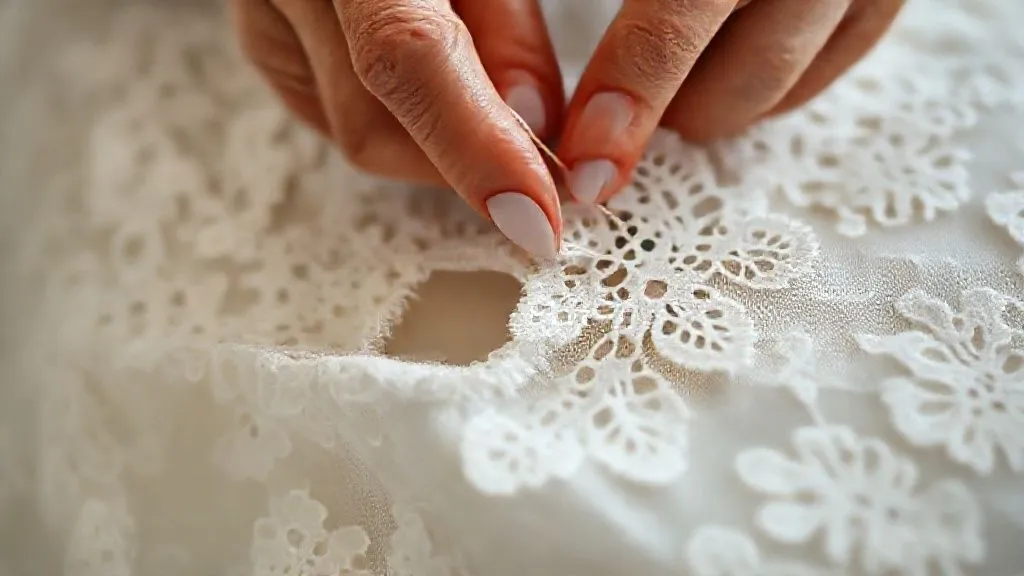
Fixing a Bridal Gown with Irreparable Lace Damage Before the Wedding?
For over two decades in the intricate world of bridal fashion, I've witnessed countless brides navigate the emotional rollercoaster of wedding planning. Among the myriad anxieties, few can rival the sheer panic that grips a bride when her dream gown, especially one adorned with delicate lace, suffers damage—and worse, when that damage is deemed 'irreparable' just weeks or even days before the big day. It's a moment when the joyous anticipation can turn to despair, threatening to overshadow everything.
I understand that gut-wrenching feeling. Your wedding gown isn't just a dress; it's a symbol of your love story, countless hours of dreaming, and a significant investment. When lace, with its intricate patterns and fragile beauty, is torn, snagged, or stained beyond what seems possible to mend, it feels like a piece of that dream is unraveling. The thought of walking down the aisle in anything less than perfect can be devastating, and the clock ticking down to the wedding day only amplifies the stress.
But here's my promise to you: 'irreparable' is often a challenge, not a dead end. In this definitive guide, I will draw upon my extensive experience to provide you with a comprehensive framework for fixing a bridal gown with irreparable lace damage before the wedding. We'll explore expert strategies, creative solutions, and practical steps to not only salvage your gown but perhaps even enhance its unique beauty, transforming a moment of crisis into a testament to ingenuity and resilience. Let's reclaim your peace of mind and ensure your walk down the aisle is as breathtaking as you've always imagined.
The Immediate Aftermath: Assessing the Damage & Your Emotional First Aid
The moment you discover damage to your gown's lace, it's natural for your heart to pound and your mind to race. My first piece of advice, honed over years of helping brides through these very moments, is to take a deep breath. Panic clouds judgment, and clear thinking is your most valuable asset right now. Remember, this is a solvable problem, even if it feels overwhelming.
Don't Panic: A Breath Before the Needle
Before you touch anything, step back. Resist the urge to 'fix it' yourself impulsively, especially if you're not an experienced seamstress. Often, well-intentioned but ill-executed attempts can exacerbate the problem. Instead, gently lay the gown flat in a clean, well-lit area. Take a moment to calm yourself. Acknowledge the frustration, but then consciously shift your focus towards finding a solution. This initial 'emotional first aid' is crucial for setting the right tone for the repair process.
Categorizing the 'Irreparable': What Does It Really Mean?
The term 'irreparable' can be misleading. In bridal fashion, it often signifies that a seamless, invisible repair using the exact original lace is either impossible or prohibitively difficult. However, it rarely means the gown is a lost cause. From my perspective, 'irreparable' typically falls into a few categories:
- Severe Tears/Holes: Large sections of lace are ripped, missing, or shredded, making re-stitching impossible.
- Irremovable Stains: Deep-set discoloration that cannot be cleaned without damaging the delicate lace fibers.
- Unique/Discontinued Lace: The specific lace pattern is no longer manufactured or available, making direct replacement impossible.
- Structural Damage: The lace is integral to the gown's structure in a way that its removal or alteration would compromise the overall design significantly.
Understanding the nature of the 'irreparable' damage is the first analytical step toward finding the right creative solution. It helps us determine if we need to camouflage, replace, or redesign.
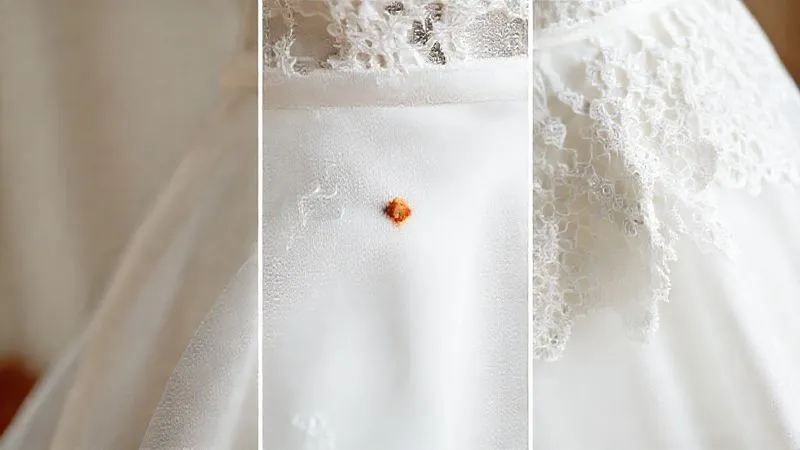
Expert Consultation: Your First Critical Step
Once you've taken a breath and assessed the damage, the very next action is to seek professional help. This is not the time for amateur experiments. A seasoned bridal seamstress or alteration specialist possesses the unique skills, tools, and creative vision required to tackle such a delicate challenge.
Finding the Right Bridal Seamstress/Specialist
Not all seamstresses are created equal, especially when it comes to intricate bridal lace. You need an expert who specializes in bridal alterations and has a proven track record with delicate fabrics. Here's how I recommend you find them:
- Ask for Referrals: Start with your bridal salon. They often have a list of trusted, experienced seamstresses they work with regularly. Friends or family who recently married can also be excellent sources.
- Check Portfolios & Reviews: Look for online portfolios that showcase their work, specifically focusing on complex alterations or repairs. Read client testimonials on platforms like The Knot or WeddingWire.
- Schedule a Consultation: Bring your gown and the damaged area to a few different specialists. Observe their reaction, their proposed solutions, and their confidence. A good expert won't sugarcoat the challenge but will offer clear, creative pathways.
- Discuss Experience with Lace: Directly ask about their experience with various types of lace (Chantilly, Alençon, Venice, Guipure) and their approach to repair or redesign.
- Get a Detailed Quote: Ensure you receive a written estimate outlining the proposed work, timeline, and cost.
The Honest Assessment: What's Truly Possible?
During your consultation, be prepared for an honest, sometimes blunt, assessment. A true expert will tell you what's genuinely achievable within your timeline and budget, rather than promising miracles they can't deliver. They will evaluate:
- The type and weave of the lace.
- The extent and location of the damage.
- The availability of matching or complementary materials.
- The structural integrity of the gown around the damaged area.
- The time remaining before your wedding.
"A skilled eye sees not just damage, but opportunity. What appears 'irreparable' to the untrained eye is often a canvas for a master artisan to create something unique and even more beautiful." – My personal mantra in these situations.
Trust their expertise. They've seen it all, and their insights are invaluable. They can guide you through the various options, from subtle camouflage to a more significant redesign, ensuring the final result is seamless and stunning.
Strategy 1: The Art of Camouflage & Strategic Appliqué
This is often the first line of defense when fixing a bridal gown with irreparable lace damage before the wedding. The goal here isn't always to perfectly replicate the original lace, but to artfully conceal the damage in a way that enhances the gown's overall aesthetic.
Sourcing Matching Lace: A Needle in a Haystack?
The ideal scenario is to find an exact match for your gown's lace. Your bridal salon might have remnants, or the designer might still stock the specific lace. If not, a skilled seamstress can often source similar patterns or textures from specialty fabric stores or online suppliers. Sometimes, sacrificing a piece of lace from a hidden area of the gown (e.g., under the hem, inside the train, or from an extra long sleeve seam allowance) can provide the perfect match for a more visible repair. This is a delicate decision, but often a necessary one.
| Lace Type | Characteristics | Sourcing Difficulty | Repair Approach |
|---|---|---|---|
| Chantilly Lace | Fine, delicate, often floral patterns, netted background | Moderate to High | Patching with delicate hand-stitching, overlay with similar fine lace |
| Alençon Lace | Outlined with cord (corded lace), often floral motifs, re-embroidered | High | Exact appliqué replacement, careful re-cording, embellishment to hide lines |
| Guipure Lace | Heavy, stiff, no net background, interconnected motifs | Moderate | Direct appliqué replacement, blending edges with embroidery or beads |
| Venice Lace | Heavy, needlepoint lace, often geometric or scroll patterns | Moderate | Matching appliqué, integrating into existing patterns |
Creative Placement: Turning Flaws into Features
If an exact match is elusive, or the damage is extensive, strategic appliqué comes into play. This involves using new lace motifs, often slightly different but complementary, to cover the damaged area. The trick is to integrate them so seamlessly that they appear to be an original part of the design, or even an intentional enhancement. Think of it as an artistic embellishment rather than a repair.
Case Study: The 'Rose Garden' Rescue
I recall a bride, let's call her Sarah, who had a stunning Alençon lace gown. Just a week before her wedding, a large, jagged tear appeared on the bodice, near the sweetheart neckline, after an unfortunate snag on a piece of furniture. The original lace was discontinued. Panic set in. After assessing the damage, my team and I sourced several delicate floral Alençon appliqués that were similar in style but not identical. Instead of trying to invisibly patch the tear, which would have been impossible, we strategically placed a cluster of these new floral appliqués over and around the damaged area, extending slightly onto the undamaged lace. We then carefully hand-stitched them, blending the edges with tiny beads and pearls that matched the gown’s existing embellishments. The result? The tear vanished, replaced by what looked like an intentional, beautiful 'rose garden' detail that enhanced the neckline, making her gown even more unique and personal. Sarah was thrilled, and no one ever suspected it was a repair.
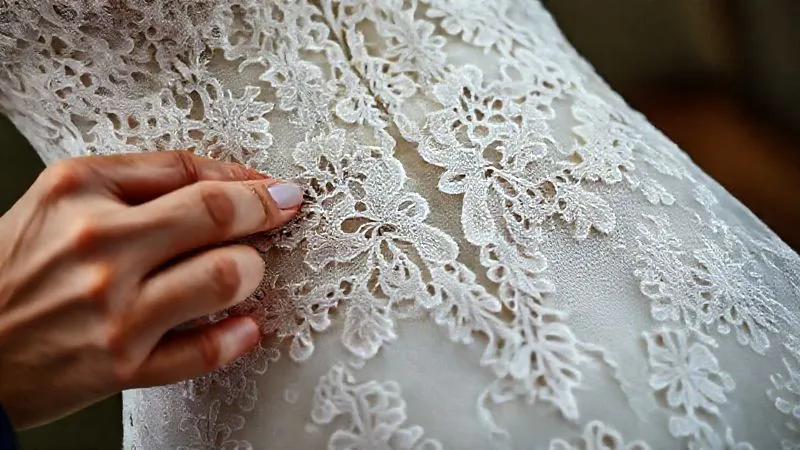
Strategy 2: Redesign & Reconstruction – A Bold New Vision
Sometimes, the damage is so significant, or the original lace so unique, that a simple patch or appliqué won't suffice. In these cases, we embrace a more transformative approach: redesigning and reconstructing elements of the gown. This is where a true bridal artisan shines, turning a potential disaster into an opportunity for a custom, one-of-a-kind creation.
Embracing Change: Shortening, Removing, or Adding Elements
If the damage is localized to a specific section, consider whether that section can be removed or altered without compromising the overall vision. For instance:
- Shortening the Hem/Train: If the damage is at the very bottom, a slight trim can eliminate the problem entirely.
- Removing Sleeves/Straps: Damage to lace sleeves or straps might lead to a beautiful strapless or sleeveless redesign.
- Adding a Bolero/Jacket: A custom lace bolero or jacket can elegantly cover extensive damage to the bodice or back.
- Creating New Necklines/Sleeves: If a section of lace is unusable, it might be possible to use the remaining lace to fashion a new neckline, cap sleeves, or a delicate lace trim elsewhere on the gown.
This approach requires courage and an open mind, but it can lead to stunning, unexpected results that feel uniquely yours.
Transforming the Silhouette: From Tear to Triumph
More extensive damage might necessitate a change in the gown's silhouette. For example:
- If a large section of lace on a fitted skirt is damaged, it might be possible to add a new, flowing overskirt made of a complementary fabric (like tulle or chiffon), effectively hiding the damage while adding a romantic, ethereal layer.
- Damage to a gown's back might inspire a redesign with a stunning illusion back, using a sheer fabric adorned with new lace appliqués to create a dramatic focal point.
- A torn train could be redesigned into a shorter, more modern chapel-length train, or even removed entirely for a chic, contemporary look.
"Sometimes, the biggest challenges lead to the most unique designs. What starts as a repair often evolves into a bespoke masterpiece, a testament to resilience and creative vision."
This path requires close collaboration with your seamstress, trusting their artistic judgment to guide the transformation while staying true to your personal style and wedding vision.
Strategy 3: The Illusion Overlay & Underlay
When the original lace is irreplaceable or the damage too widespread for simple appliqués, introducing a new layer of fabric can be an incredibly effective and elegant solution. This strategy leverages transparency and texture to conceal imperfections while adding depth and luxury.
Adding a Sheer Layer: Disguise with Elegance
An illusion overlay involves adding a layer of sheer fabric, such as tulle, organza, or a very fine chiffon, over the damaged lace area. This new layer can be embellished with new lace appliqués, beads, or embroidery, drawing the eye away from the original damage while adding a new dimension of beauty. For example:
- If bodice lace is extensively damaged, a sheer illusion neckline or décolletage, adorned with fresh lace motifs, can be added over the original, creating a romantic and modest cover.
- A damaged lace skirt could have a sheer, flowing tulle overlay added, perhaps with scattered lace appliqués, creating a soft, ethereal effect that completely disguises the underlying issues.
The key here is to ensure the new sheer fabric complements the existing gown in color and texture, creating a harmonious and intentional design.
Using a Solid Underlay: Reinforcing and Hiding
Conversely, a solid underlay can be used when the lace itself is intact but perhaps discolored, or when there are small tears that need structural support and concealment from beneath. A new layer of silk, satin, or crepe in a matching or complementary shade can be carefully sewn beneath the damaged lace. This provides a clean, solid background that:
- Hides stains or minor imperfections by providing an opaque layer.
- Offers structural support to fragile lace, preventing further tearing.
- Can subtly change the gown's overall look, for example, making a very sheer lace more modest.
This method works particularly well for areas where the lace is meant to be seen against skin, but damage necessitates a solid backing. It’s a sophisticated way to reinforce and refresh the gown’s appearance without changing its fundamental design.
Strategy 4: The 'Something New' Integration
This strategy is about embracing the opportunity to personalize your gown and infuse it with new life, effectively turning a problem into a unique design element. It’s about adding 'something new' that wasn't originally there, but now feels perfectly integrated.
Incorporating Embellishments: Beads, Pearls, and Crystals
One of the most effective ways to camouflage small but stubborn lace damage, or to draw attention away from a repaired area, is through strategic embellishment. Hand-sewn beads, pearls, sequins, or crystals can be meticulously applied over or around the damaged spot. This not only hides the flaw but also adds sparkle and dimension to the gown. Imagine:
- A small tear on a lace sleeve disappearing beneath a cluster of iridescent pearls.
- A slightly discolored area on the bodice being transformed into a shimmering focal point with intricate crystal beading.
- A repaired seam on a lace overlay becoming part of a newly designed, sparkling motif.
The key is to choose embellishments that match or complement the gown's existing style and color palette, making them appear as an intentional part of the design. A skilled artisan can seamlessly blend these new elements, making them look as if they were always meant to be there.
Personalizing with Fabric: A Sentimental Touch
Beyond standard embellishments, consider integrating a piece of fabric that holds sentimental value. This could be:
- A piece of lace from your mother’s or grandmother’s wedding dress, carefully cut into an appliqué and sewn over the damaged area.
- A swatch of fabric from a meaningful garment, perhaps a handkerchief, integrated into a hidden part of the gown (like the lining) with a small, visible lace detail over the damage.
- A custom embroidered patch, perhaps with your wedding date or initials, subtly placed over a repair, adding a personal touch that also serves a functional purpose.
This approach not only resolves the damage but also imbues your gown with a deeper, more personal story, transforming a moment of stress into a cherished memory. It’s about weaving your history into the fabric of your future.
The Emergency Kit & Last-Minute Saviors
While the focus has been on professional, long-term solutions, it's vital to be prepared for those absolute last-minute emergencies or minor touch-ups. Every bride, or at least her most trusted attendant, should have a well-stocked emergency kit.
Beyond the Seamstress: Your Personal Toolkit
Even with expert repairs for fixing a bridal gown with irreparable lace damage before the wedding, small snags or loose threads can appear. Your emergency kit should include:
- Small Sewing Kit: White thread, needles, small scissors.
- Safety Pins: Various sizes for quick fixes.
- Fabric Glue/Hem Tape: For very temporary, non-sew fixes on lace edges (use sparingly and cautiously).
- Stain Remover Pen: For minor, fresh spills (test on an inconspicuous area first!).
- Double-Sided Fashion Tape: For keeping straps or necklines in place.
- White Eyeliner Pencil: Can temporarily mask small, dark scuffs on white lace.
- Small Piece of Matching Lace/Fabric: If your seamstress provides a small remnant, keep it safe.
Temporary Fixes for Photo Ops: When Time is Not on Your Side
In the rare, terrifying scenario where significant damage occurs hours before the ceremony, and professional help isn't available, these are extreme last-ditch efforts, primarily for photographs:
- Strategic Pinning: Carefully pin torn lace edges together from the inside. Use very small, fine pins. This is a visual fix, not structural.
- Fabric Glue (Extreme Caution): For small, fraying edges, a tiny dab of clear fabric glue can prevent further unraveling. Apply with a toothpick, press gently, and let dry completely. This is a difficult fix and can be irreversible if not done perfectly.
- Hair Spray (Limited Use): A light mist of hair spray can sometimes stiffen a fraying edge of lace, but use extremely sparingly and from a distance to avoid discoloration or stiffness.
- Jewelry/Accessories: If the damage is on the bodice or near the neck, a statement necklace, brooch, or even a strategically placed floral arrangement can draw attention away.
- Photography Angles: Brief your photographer discreetly. They are masters of angles and can often avoid capturing a specific flaw.
These are truly for emergencies when all else fails. The best solution always involves a professional, but preparedness can offer a sliver of peace.
Navigating the Emotional Rollercoaster: Trusting the Process
Beyond the technical aspects of repair, managing your emotions during this stressful time is paramount. A damaged gown can bring on feelings of sadness, anger, and anxiety, but focusing on solutions and maintaining a positive outlook can make all the difference.
Communication is Key: Your Relationship with the Seamstress
Your seamstress is your most important ally. Maintain open, honest, and respectful communication. Clearly articulate your concerns, your vision for the gown, and any limitations (time, budget). Listen attentively to their professional advice and trust their expertise. They are working to make your dream a reality. Regular check-ins, if appropriate, can also alleviate anxiety and keep you informed of progress.
Mindset Matters: Focusing on the Bigger Picture
It's easy to get caught up in the minutiae of the damage, but try to zoom out. Your wedding day is about celebrating love, commitment, and the beginning of a new chapter. The gown is a beautiful part of that, but it is not the entirety. Remind yourself that imperfections, whether visible or cleverly hidden, do not diminish the sanctity or joy of your vows. Your partner, your family, and your friends are there to celebrate *you* and your love story, not to scrutinize every stitch of your dress. Embrace the journey, trust the process, and focus on the profound meaning of the day. A beautiful repair can even become a story of resilience and love, a unique detail that makes your gown even more special.
Frequently Asked Questions (FAQ)
Q: How much time is realistically needed for complex lace repair before the wedding? A: For 'irreparable' lace damage, a complex repair or redesign typically requires a minimum of 2-4 weeks. This allows for sourcing materials, intricate hand-stitching, and multiple fittings. However, highly skilled specialists can sometimes perform miracles in less time for an urgent fee, but it's always best to allow as much lead time as possible once the damage is discovered.
Q: What if my original lace is truly unique and irreplaceable, and no matching alternatives exist? A: This is where creative strategies like strategic appliqué with complementary lace, a redesign incorporating new fabric elements (e.g., an overlay), or even a 'something new' integration with sentimental fabric become essential. The goal shifts from invisible repair to artistic enhancement or transformation, making the gown uniquely yours.
Q: Will the repair be noticeable? A: A truly expert repair or redesign should be virtually undetectable as a 'fix' to an untrained eye. The aim is for the repaired or redesigned section to look like an original, intentional part of the gown's design. In some cases, it might even enhance the gown's overall beauty, as seen in our 'Rose Garden' case study.
Q: What's the typical cost range for such emergency repairs? A: The cost can vary dramatically based on the extent of the damage, the complexity of the repair, the type of lace, the materials needed, and the urgency. Expect costs to range from a few hundred to over a thousand dollars for extensive 'irreparable' damage. Always get a detailed written quote from your seamstress.
Q: Should I inform my bridal party/photographer about the damage? A: It's generally best to keep the initial panic to yourself and your trusted seamstress. Once a solution is in place and the gown is being repaired, you can choose to inform your maid of honor or a very close family member for support. Regarding your photographer, a discreet, brief heads-up about a specific area to potentially avoid in extreme close-ups can be helpful, but avoid oversharing or creating unnecessary drama. Focus on enjoying your day!
Key Takeaways and Final Thoughts
Discovering 'irreparable' lace damage on your bridal gown before your wedding day is undoubtedly a distressing experience. However, as an industry veteran, I can assure you that it is rarely the end of the world. With the right expertise, a calm approach, and a touch of creativity, your dream gown can not only be salvaged but often transformed into something even more special and unique.
- Act Fast, But Wisely: Breathe, assess, and immediately seek a highly experienced bridal seamstress.
- Explore All Avenues: From strategic appliqué and embellishment to bold redesigns and illusion overlays, there's a solution for almost every type of damage.
- Trust Your Expert: Collaborate closely with your seamstress, relying on their seasoned judgment and creative vision.
- Embrace the Opportunity: View this challenge as a chance to personalize your gown and infuse it with a unique story and character.
- Prioritize Your Peace: Remember the true meaning of your wedding day and let go of the pursuit of unattainable perfection.
Your wedding day is a celebration of love, and your gown is a beautiful part of that narrative. By following these strategies for fixing a bridal gown with irreparable lace damage before the wedding, you're not just repairing fabric; you're preserving a dream. Trust in the process, celebrate the resilience of your spirit, and walk down that aisle radiating confidence and joy. Your gown, imbued with a story of its own, will shine just as brightly as you do.
Recommended Reading
- 5 Sweat-Wicking Activewear Picks for Discreet Professional Men
- 7 Style Pillars: Elevate Women's Office Wear for Modern Authority
- 5 Agile Strategies: Rapid Trend Integration for Activewear Brands
- 6 Strategic Moves When Your Streetwear Drop Flops: A Veteran's Guide
- 7 Steps: Building Your Pro Blogger Wardrobe for Diverse Content




Your email address will not be published. Required fields are marked *