

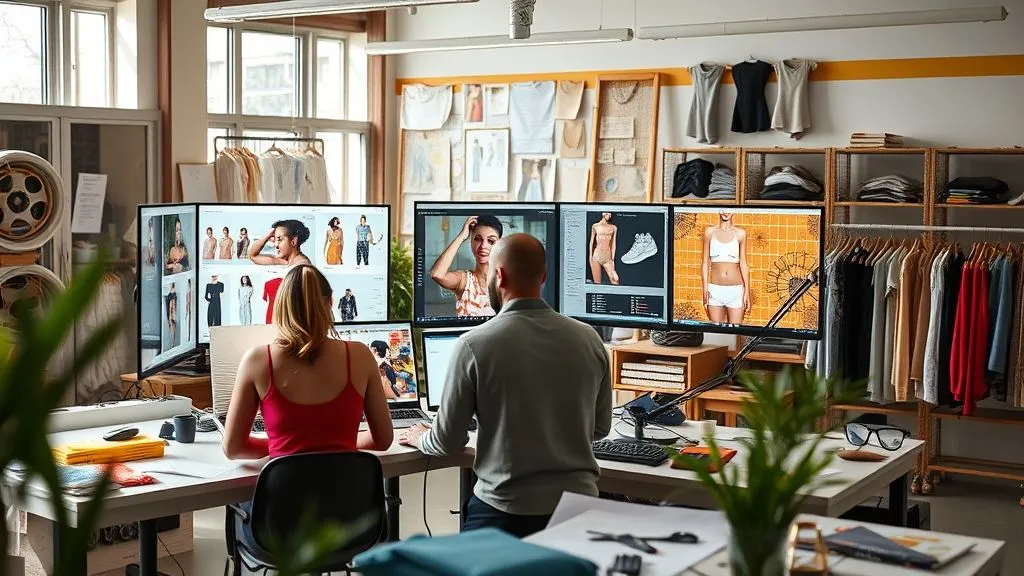
How can activewear brands quickly integrate urgent trend shifts?
For over 15 years in the activewear industry, I've witnessed firsthand the exhilaration of a brand catching a wave perfectly and the devastating impact of one missing a critical trend. It's a high-stakes game where consumer desires shift at warp speed, propelled by social media, cultural movements, and global events. The brands that thrive aren't just creating great products; they're masters of agility, capable of sensing, interpreting, and integrating urgent trend shifts with unprecedented speed.
The core problem isn't a lack of trends, but the rigidity of traditional product development and supply chain models. Many brands find themselves caught in a cycle of long lead times, outdated inventory, and missed opportunities, struggling to pivot when a new aesthetic, functionality, or sustainability imperative emerges almost overnight. This inertia can lead to significant financial losses, erosion of market share, and a perception of being out of touch with their core demographic.
In this definitive guide, I'll share actionable frameworks and hard-won insights to transform your activewear brand into a responsive powerhouse. We'll explore how to build a real-time trend intelligence system, revolutionize your product development, fortify your supply chain, and cultivate a culture of relentless innovation. Prepare to learn not just *what* to do, but *how* to do it, with practical steps, a fictional case study, and expert perspectives that will empower you to integrate urgent trend shifts faster than ever before.
The Shifting Sands of Activewear: Why Agility is Non-Negotiable
The activewear landscape is a vibrant, ever-changing tapestry. What was cutting-edge last season can feel passé today. We're not just talking about seasonal color palettes anymore; we're seeing profound shifts in fabric technology, silhouette preferences, sustainability demands, and even the very definition of 'active' itself. From the rise of 'athleisure' to the explosion of niche sports like pickleball or bouldering, each movement brings new aesthetic and performance requirements.
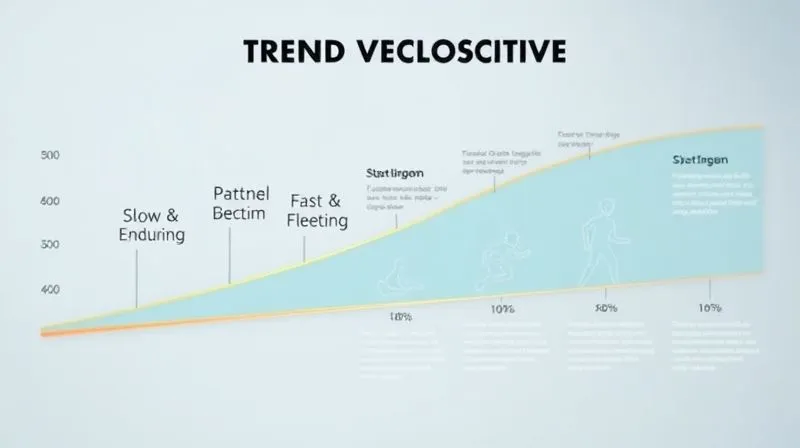
Understanding the velocity and lifecycle of these trends is crucial. Some, like the enduring appeal of seamless construction, are macro trends that evolve slowly. Others, like a specific celebrity-endorsed color or a viral TikTok fitness challenge, are micro trends that can peak and fade within a single quarter. The challenge for activewear brands lies in distinguishing between fleeting fads and enduring shifts, and then responding appropriately.
Understanding Trend Velocity and Lifecycle
I often advise clients to visualize trends on a spectrum. On one end, you have the foundational elements – core performance fabrics, ergonomic designs – which are evergreen. In the middle are evolving trends – sustainable materials, modular designs – that require continuous adaptation. At the far end are the rapid-fire micro trends – specific prints, colorways, or styling cues – that demand immediate, often limited, responses. Your strategy for integration must vary for each.
Building a Real-Time Trend Intelligence System
The first step to quick integration is superior foresight. You can't react quickly if you don't see the shift coming. This requires moving beyond traditional seasonal forecasting and investing in a robust, real-time trend intelligence system. Think of it as your brand's early warning system, constantly scanning the horizon.
According to a report by Deloitte, 'The State of Fashion', consumer behavior is increasingly fragmented, making data analytics and AI-driven insights indispensable for staying ahead. This isn't just about looking at runway shows; it's about deep dives into social media conversations, search query data, competitor movements, and direct consumer feedback.
- Deep Social Listening & AI Analytics: Utilize advanced AI-powered social listening tools to monitor conversations on platforms like Instagram, TikTok, Pinterest, and even niche fitness forums. Track keywords related to activewear, fitness activities, lifestyle, and aesthetic preferences. Identify emerging influencers, viral challenges, and recurring visual cues.
- Competitor & Adjacent Market Analysis: Regularly audit what successful direct competitors and brands in adjacent markets (e.g., outdoor gear, streetwear) are launching. Look for patterns in their messaging, product features, and visual merchandising. Don't just copy; understand the underlying consumer need they're addressing.
- Search & E-commerce Data Scrutiny: Analyze Google Trends data for rising search queries related to activewear. Dive into your own e-commerce analytics to identify sudden spikes in interest for specific product categories, colors, or features. Pay attention to product reviews and customer service inquiries for qualitative insights.
- Direct Consumer Panels & Micro-Communities: Establish small, agile consumer panels or invite loyal customers to private online communities. Use these groups for rapid feedback on design concepts, material preferences, and potential new trends. Their unfiltered insights are invaluable.
- Trend Aggregators & Forecasting Services: While not real-time, services like WGSN or Stylesight still provide a foundational layer of macro trend understanding. Use them to validate your real-time findings and understand the broader cultural context.
Agile Product Development: From Concept to Collection in Weeks
Once you've identified an urgent trend, the clock starts ticking. Traditional product development cycles, which can stretch over 12-18 months, are a death sentence for rapid trend integration. You need an agile, iterative approach that prioritizes speed, flexibility, and minimal viable products (MVPs).
Leveraging 3D Design and Virtual Prototyping
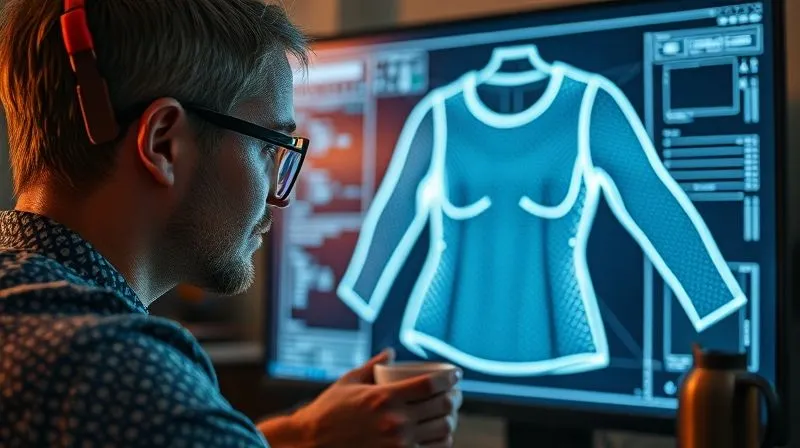
This is where technology becomes your greatest ally. 3D design software for apparel (like CLO3D or Browzwear) has revolutionized the sampling process. Instead of waiting weeks for physical samples, designers can create hyper-realistic virtual prototypes in days, complete with accurate drape, fit, and texture. This allows for immediate iteration, faster feedback loops, and significant reductions in time and material waste.
"In the fast-paced world of activewear, speed isn't just a competitive advantage; it's a fundamental requirement for survival. Brands that can iterate and launch new concepts in weeks, not months, will dominate." – My personal observation from countless product launches.
Beyond 3D, consider: micro-collections. Instead of launching vast seasonal collections, focus on smaller, targeted drops that specifically address emerging trends. This reduces inventory risk and allows for quicker market entry. Think 'capsule collections' built around a single trend, color story, or functional innovation.
- Rapid Ideation Sprints: Form small, cross-functional teams (design, product, marketing) to conduct short, intense ideation sprints (2-3 days) focused on a specific identified trend. Generate numerous concepts quickly.
- Digital First Prototyping: Prioritize 3D digital samples. This allows for immediate visualization, fit adjustments, and material application without the environmental and time cost of physical samples.
- Test & Learn Philosophy: Launch MVPs (Minimum Viable Products) to gauge market reaction. This could be a limited-edition run of a new style or a specific colorway. Use sales data and customer feedback to inform subsequent, larger-scale production.
- Modular Design: Design garments with modularity in mind. Can a base silhouette be easily adapted with different prints, trims, or color blocks to reflect a new trend? This streamlines the design process significantly.
Supply Chain Resilience: The Backbone of Rapid Response
Even the fastest design process is bottlenecked by an inflexible supply chain. To truly integrate urgent trend shifts, your supply chain must be as agile as your design team. This means moving away from solely relying on distant, low-cost manufacturing and embracing strategies that prioritize speed and adaptability.
Case Study: How 'FlexiFit' Embraced Nearshoring for Speed
FlexiFit, a mid-sized activewear brand, traditionally relied on a single offshore manufacturer with 120-day lead times. When a sudden surge in demand for 'earth-toned, ribbed activewear' hit, they were caught flat-footed, missing the entire trend cycle. Learning from this, I advised them to diversify their supply chain. They invested in a nearshoring partnership with a factory in Central America, capable of 30-day lead times for smaller runs, and simultaneously developed relationships with local fabric suppliers for quick access to trending materials. While the per-unit cost was slightly higher, their ability to launch micro-collections aligned with urgent trends within 6-8 weeks, rather than 4-5 months, allowed them to capture significant market share and increase overall revenue by 15% in the subsequent year. This proved that the cost of missed opportunity far outweighed the marginal increase in production costs.
As Harvard Business Review emphasizes, supply chain resilience is paramount for navigating unexpected disruptions and shifts. This concept extends directly to trend integration.
| Aspect | Traditional Supply Chain | Agile Supply Chain |
|---|---|---|
| Lead Time | 90-180 Days | 15-60 Days |
| Minimum Order Quantity (MOQ) | High (1000+ units) | Low (100-500 units) |
| Geographic Focus | Single Offshore | Diversified (Nearshore/Local) |
| Flexibility for Changes | Very Low | High |
| Inventory Risk | High (large stock) | Low (on-demand/small batches) |
- Diversify Manufacturing Footprint: Don't put all your eggs in one basket. Cultivate relationships with multiple manufacturers, including nearshore or even domestic partners for rapid, smaller-batch production.
- Flexible Material Sourcing: Identify core fabric suppliers who can quickly provide trending materials or colors with short lead times. Consider 'greige' goods (undyed fabric) that can be dyed on demand to match urgent color trends.
- Strategic Inventory Management: Instead of holding large quantities of finished goods, focus on holding raw materials or semi-finished components that can be quickly assembled or processed into trending products.
- Invest in Automation & Data Sharing: Streamline communication and data exchange between design, production, and logistics partners. Technologies like PLM (Product Lifecycle Management) systems can significantly reduce miscommunication and accelerate processes.
Consumer Co-Creation and Feedback Loops
Why guess what your consumers want when you can ask them, or even better, involve them in the creation process? Integrating urgent trend shifts isn't just about internal speed; it's about external validation. Your customers are your best trend scouts and product testers.
Embracing consumer co-creation builds a deeper connection with your audience and drastically reduces the risk of launching products that miss the mark. It also provides invaluable real-time feedback that can inform rapid design iterations.
- Micro-Community Testing: Create exclusive online groups for your most loyal customers or a select panel of activewear enthusiasts. Share early design sketches, fabric swatches, or 3D renders and solicit honest feedback.
- Social Media Polls & Engagement: Use Instagram Stories polls, TikTok Q&As, or Facebook group discussions to gather opinions on colorways, features, or even potential product names for new trend-driven items.
- Wear-Testing Programs: For performance-critical items, recruit a diverse group of wear-testers. Provide them with early prototypes and structured feedback forms. This isn't just for functionality; gather aesthetic feedback too.
- User-Generated Content (UGC) Analysis: Actively monitor UGC related to your brand and broader activewear trends. What are people wearing? How are they styling it? What are they complaining about? This is raw, unfiltered trend data.
Marketing and Communication: Announcing Your Agility
Once you've rapidly integrated a trend, how do you ensure your audience knows about it? Your marketing strategy needs to be as agile as your product development and supply chain. Traditional campaign launches with long lead times won't cut it for urgent trend shifts.
Focus on digital-first, short-burst campaigns that can be executed quickly and target specific segments of your audience who are most likely to embrace the new trend. Authenticity and speed are key here.
Micro-influencers and Targeted Campaigns
Leverage micro-influencers who have highly engaged, niche followings relevant to the trend. Their ability to create and disseminate content quickly, often with a more authentic feel, can be far more effective than a traditional campaign with a macro-influencer for rapid trend integration.
- "Drop" Culture: Adopt a "drop" model for new trend-driven collections. Announce limited-edition releases with a sense of urgency and exclusivity. This creates excitement and encourages quick purchases.
- Digital-First Content Creation: Produce high-quality, trend-relevant content (photos, short videos, Reels, TikToks) rapidly. Focus on showcasing the new trend in action, highlighting its benefits and style.
- Hyper-Targeted Ads: Use social media advertising to target specific demographics or interest groups who are already engaging with the trend online. Utilize lookalike audiences based on your early adopters.
- Email & SMS Marketing: Alert your most engaged customers via email and SMS about new trend-aligned products. Offer early access or exclusive discounts to reward their loyalty and drive immediate sales.
Cultivating an Innovation-Driven Organizational Culture
Ultimately, technology and processes are only as good as the people driving them. To truly integrate urgent trend shifts quickly, an activewear brand needs an organizational culture that embraces agility, innovation, and continuous learning. This means empowering employees, fostering cross-functional collaboration, and being comfortable with calculated risks and occasional failures.
"Culture eats strategy for breakfast." – Peter Drucker. This holds profoundly true for rapid trend integration. Without a culture that champions speed and experimentation, even the best strategies will falter.
I've seen brands with all the right tools fail because their internal structures were too bureaucratic or resistant to change. Conversely, brands with fewer resources but a highly adaptive team can often outperform their larger, more rigid competitors.
- Empower Cross-Functional Teams: Break down silos between design, product development, marketing, and supply chain. Create small, autonomous teams empowered to make quick decisions and drive trend integration initiatives from start to finish.
- Foster a Test & Learn Mindset: Encourage experimentation and view failures as learning opportunities. Provide psychological safety for employees to try new approaches without fear of severe repercussions.
- Invest in Continuous Learning: Provide training on new technologies (e.g., 3D design software), agile methodologies, and trend analysis tools. Encourage employees to attend industry conferences and workshops.
- Leadership by Example: Leaders must visibly champion agility and innovation. They should actively participate in trend discussions, support rapid prototyping efforts, and celebrate quick wins.
- Performance Metrics for Agility: Incorporate metrics related to speed-to-market, successful trend integration, and innovation into performance reviews, not just traditional sales targets.
Frequently Asked Questions (FAQ)
What's the biggest barrier to rapid trend integration for most activewear brands? In my experience, the biggest barrier isn't a lack of awareness of trends, but rather the inertia of traditional supply chains and internal organizational silos. Long lead times for manufacturing and a lack of fluid communication between design, product development, and production teams often prevent brands from capitalizing on urgent shifts. Overcoming this requires both technological investment in areas like 3D design and a fundamental cultural shift towards cross-functional collaboration and risk-taking.
How small do production runs need to be to be truly agile? The ideal size for agile production runs varies, but generally, activewear brands aiming for rapid trend integration should target MOQs (Minimum Order Quantities) in the low hundreds, perhaps 100-500 units. This allows for quick testing of a trend without committing significant capital or risking large quantities of unsold inventory if the trend proves fleeting. The goal is to move from large, infrequent batches to smaller, more frequent 'drops' that can be scaled up quickly if demand warrants.
Is sustainability compromised by rapid trend shifts and faster production cycles? This is a critical concern. While fast fashion has a poor sustainability reputation, rapid trend integration in activewear doesn't inherently mean being unsustainable. In fact, by using 3D prototyping, brands can significantly reduce sample waste. By focusing on smaller, demand-driven production runs, they can minimize overproduction. The key is to integrate sustainability into the core of your agile strategy: sourcing eco-friendly materials with shorter lead times, partnering with ethical nearshore manufacturers, and designing for durability and circularity, even for trend-driven pieces. It's about 'smart speed,' not 'reckless speed.'
What specific tech tools are essential for activewear brands looking to be more agile? Beyond general e-commerce platforms, key tools include advanced AI-powered social listening platforms (e.g., Brandwatch, Sprout Social), 3D apparel design software (e.g., CLO3D, Browzwear) for virtual prototyping, Product Lifecycle Management (PLM) systems for seamless data flow across teams, and robust analytics platforms (e.g., Google Analytics, custom BI tools) for real-time sales and customer behavior insights. Investing in these digital capabilities is non-negotiable for modern agility.
How can smaller activewear brands compete with larger players when it comes to rapid trend integration? Smaller brands actually have an inherent advantage in agility due to fewer bureaucratic layers and often more direct communication channels. Their key is to leverage their nimbleness. Focus on building strong, direct relationships with a few flexible manufacturers, embrace digital-only prototyping to save costs and time, and cultivate a highly engaged online community for rapid feedback. While they may not have the budget for massive AI systems, focused social listening and direct consumer engagement can provide incredibly valuable, actionable insights quickly. Their ability to pivot fast, without the baggage of large inventory or complex supply chains, is their superpower.
Key Takeaways and Final Thoughts
The activewear industry is a dynamic arena where only the agile survive and thrive. Integrating urgent trend shifts isn't a luxury; it's a strategic imperative. By transforming your approach to intelligence, product development, supply chain, consumer engagement, and culture, your brand can not only keep pace but also lead the charge.
- Build a Real-Time Intelligence System: Leverage AI, social listening, and direct consumer insights to spot trends early.
- Embrace Agile Product Development: Prioritize 3D design, virtual prototyping, and micro-collections for rapid iteration.
- Fortify Your Supply Chain: Diversify manufacturers, embrace nearshoring, and opt for flexible material sourcing.
- Co-Create with Consumers: Involve your audience in the design process to validate ideas and build loyalty.
- Cultivate an Agile Culture: Empower teams, encourage experimentation, and break down organizational silos.
This isn't an easy journey, but the rewards are immense: increased relevance, reduced waste, and a loyal customer base that sees your brand as a true innovator. As an industry veteran, I've seen the power of these strategies to transform brands. It's time to stop chasing trends and start creating the future of activewear, one agile shift at a time. The future belongs to the fast and the flexible.
Recommended Reading
- 7 Proven Strategies to Boost Handmade Hair Accessory Profit Margins
- 7 Ways New Streetwear Brands Differentiate in an Oversaturated Market
- The Secret to Timeless Bridal Style: How to Pick Trends Without Looking Dated Later
- 7 Steps to Conquer Natural Fiber Supply Chain Hurdles for Innovation
- 7 Proven Strategies: Attracting Luxury Buyers for Bespoke Footwear?


Your email address will not be published. Required fields are marked *