


What to do when your streetwear brand's latest drop flops?
For over 15 years in the cutthroat world of streetwear, I've seen it all: meteoric rises, crushing falls, and everything in between. The launch of a new collection, a 'drop,' is often the culmination of months of creative passion, strategic planning, and significant investment. When that highly anticipated moment arrives, and the sales figures don't match the hype, the feeling can be gut-wrenching – a mix of disappointment, frustration, and perhaps even a touch of panic.
You’ve poured your heart and soul into this. You’ve envisioned your pieces flying off the virtual shelves, becoming instant classics. But instead, you’re staring at stagnant inventory, low conversion rates, and a silence that speaks volumes louder than any negative review. This isn't just about lost sales; it's about the perceived value of your brand, your team's morale, and your financial runway.
But here’s the crucial insight I’ve gained: a 'failed' drop isn't the end; it's a profound learning opportunity disguised as a setback. This guide isn't about sugarcoating the pain. Instead, it’s a veteran's playbook, offering actionable frameworks, expert insights, and real-world strategies to not only recover from a flopped streetwear drop but to emerge stronger, wiser, and more resilient. We’ll dissect the problem, strategize your recovery, and future-proof your brand against similar missteps.
The Immediate Aftermath: Don't Panic, Analyze
When a drop underperforms, the first instinct might be to pull the plug, blame external factors, or even worse, blame yourself. Resist that urge. The most critical step in figuring out what to do when your streetwear brand's latest drop flops is to pause, breathe, and commit to a rigorous, objective analysis. Data, not emotion, will be your compass.
Step 1: Deep Dive into Sales Data
Your e-commerce platform holds a treasure trove of information. Go beyond the top-line numbers and really get into the weeds. Understand the journey your customers (or lack thereof) took.
- Units Sold vs. Inventory: How many pieces of each SKU were actually sold? Compare this against your total inventory for each item. This gives you your sell-through rate.
- Conversion Rate: Of all the visitors who landed on your product pages, what percentage actually completed a purchase? A low conversion rate points to issues with pricing, product appeal, or the user experience itself.
- Traffic Sources: Where did your visitors come from? Was it organic search, paid ads, social media, email marketing, or direct traffic? A drop in traffic from a usually reliable source could indicate a problem with your pre-launch marketing.
- Average Order Value (AOV): Did customers who did purchase buy multiple items, or just one? A low AOV might suggest your bundling or upsell strategies weren't effective.
- Cart Abandonment Rate: How many people added items to their cart but didn't complete the purchase? This is a huge indicator of friction in your checkout process, unexpected shipping costs, or last-minute doubts about the product.
- Geographic Data: Were there regional differences in sales? Perhaps your drop resonated more strongly in one area than another, which can inform future targeting.
By meticulously examining these metrics, you begin to form a clearer picture of where the drop truly faltered. It's rarely one single factor.
| Metric | Actual Sales (Units) | Difference | Status | |
|---|---|---|---|---|
| Expected Sales (Units) | 300 | -700 | Significant Miss | |
| Conversion Rate | 2.5% | 0.8% | -1.7% | Underperformed |
| Website Traffic (Unique Visitors) | 50,000 | 35,000 | -15,000 | Lower Than Anticipated |
| Average Order Value | $120 | $95 | -$25 | Below Target |
| Cart Abandonment Rate | 65% | 82% | +17% | Higher Than Expected |
Step 2: Scrutinize Marketing Performance
Your sales data tells you what happened; your marketing data helps explain why. Every touchpoint, from your initial teaser to the launch announcement, needs examination.
- Ad Spend & ROI: How much did you spend on paid ads? What was the return? High spend with low sales is a red flag for targeting or creative issues.
- Click-Through Rate (CTR) & Engagement: Were your ads and social posts actually capturing attention? Low CTR means your visuals or copy weren't compelling enough. Low engagement (likes, comments, shares) indicates a lack of resonance with your audience.
- Email Marketing Metrics: Check open rates, click rates, and conversion rates for your launch emails. Were your subject lines enticing? Was the call-to-action clear?
- Influencer Marketing Effectiveness: If you worked with influencers, what was their specific reach and engagement like for your drop? Did they genuinely connect with their audience about your product, or was it just a transactional post?
"In my experience, a flopped drop often has roots in a disconnect between the brand's perceived value and the audience's expectation, amplified by misaligned marketing. It's a signal, not a sentence."

Unearthing the 'Why': The Root Cause Analysis
Once you have the data, it's time to play detective. The 'why' behind a flopped drop is multifaceted, often a combination of factors rather than a single culprit. This requires honesty and a willingness to critically evaluate every aspect of your brand's operation.
Audience Mismatch?
Sometimes, we fall in love with a concept, only to realize our core audience isn't as enamored. This is a common pitfall in streetwear, where trends are fickle and loyalty is hard-won.
- Has your target audience shifted? The streetwear demographic is dynamic. Are you still speaking to the right people? Have their tastes or priorities evolved?
- Did your drop align with current trends? Were you ahead of the curve, behind it, or completely off-kilter? Sometimes, a design is great, but its timing is off.
- Was the price point appropriate for the perceived value? Streetwear consumers are savvy. They understand quality and exclusivity, but they also know when something is overpriced for what it is.
Product Misstep?
The product itself is the heart of your brand. If it's not compelling, no amount of marketing can save it.
- Quality Concerns: Were there any issues with the materials, stitching, or fit? Even minor quality control issues can severely damage brand reputation.
- Design Relevance & Appeal: Was the design truly unique and desirable? Did it capture the essence of your brand while still offering something fresh? Or was it too similar to existing offerings, or simply not aesthetically pleasing to your audience?
- Limited Edition Fatigue: Are you over-releasing 'limited edition' items? The scarcity model loses its power if everything is scarce.
Case Study: How 'Apex Apparel' Misjudged the Market
Apex Apparel, a burgeoning streetwear brand known for its bold graphics, decided to pivot into minimalist, luxury-inspired basics for their summer drop. Their internal team loved the sophisticated aesthetic. However, their existing audience, built on vibrant, statement-making pieces, didn't connect with the understated new direction. Sales were abysmal, and their social media engagement plummeted. They learned that while evolution is good, it must be carefully communicated and often phased in, or risk alienating your core following. They eventually returned to their roots, incorporating subtle nods to their original style, and slowly re-introduced more refined pieces over several seasons, regaining trust and sales.
Marketing & Hype Generation Flaws?
Even the best product can flop if nobody knows about it, or if the message is muddled.
- Insufficient Hype Building: Did you start building anticipation early enough? Was the teaser campaign compelling?
- Wrong Channels: Were you marketing on platforms where your target audience actually spends their time? A TikTok-native audience won't be reached effectively through traditional print ads.
- Confused Messaging: Was your brand story clear? Did the drop's narrative resonate? Ambiguity breeds disinterest.
- Influencer Selection: Were your chosen influencers genuinely aligned with your brand and their audience? Inauthentic endorsements are easily spotted. According to a Harvard Business Review article on the influencer economy, authenticity and relevance are paramount for effective campaigns.
Operational Hiccups?
Sometimes, the problem isn't the product or the marketing, but the delivery.
- Website Performance: Did your site crash under traffic? Was it slow? Was the mobile experience seamless? A clunky user experience is a major conversion killer.
- Shipping & Fulfillment Issues: Were shipping costs unexpectedly high? Were delivery times unrealistic? Hidden fees or slow delivery can lead to abandoned carts and negative reviews.
- Customer Service: Was your support team prepared for pre- and post-launch inquiries? Poor customer service can quickly sour a customer's experience.
Engaging Your Community: The Power of Honest Feedback
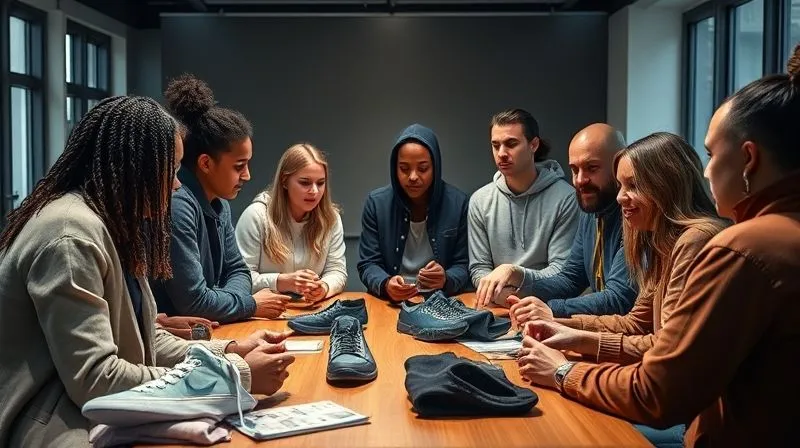
Once you have your internal data, it’s time to turn to your most valuable asset: your community. They are the ones who ultimately decide the success of your brand. Open, honest communication, even after a setback, can be a powerful tool for recovery and rebuilding trust.
Direct Customer Surveys & Interviews
Don't be afraid to ask directly. Frame it as a learning opportunity, not an admission of defeat. Your loyal customers want to see you succeed.
- Craft Targeted Surveys: Use tools like SurveyMonkey or Typeform. Ask specific questions about the drop: What did they like? What didn't they like? What were their expectations? What would make them buy next time?
- Offer Incentives: A small discount on a future purchase or entry into a giveaway can significantly boost participation rates.
- Conduct Exit Interviews for Cart Abandoners: If possible, use automated emails to ask those who abandoned their carts why they didn't complete the purchase. You might uncover issues with shipping costs, payment options, or last-minute product doubts.
- Host Small Focus Groups: Gather a handful of your most dedicated customers (virtually or in person) for a deeper conversation. Their qualitative insights can reveal nuances that quantitative data might miss. As Qualtrics emphasizes, genuine customer feedback is the bedrock of improvement.
Social Media Listening & Engagement
Your community is already talking. Are you listening?
- Monitor Mentions & Comments: Use social listening tools to track what people are saying about your brand and the recent drop. Look for recurring themes, both positive and negative.
- Engage Directly (and Respectfully): If someone voices a concern, respond thoughtfully. Acknowledge their feedback without becoming defensive. Show that you hear them.
- Run Polls & Q&A Sessions: Use Instagram Stories or Twitter polls to ask direct questions about preferences, styles, and pricing for future drops. This makes your audience feel involved in the brand's direction.
"Transparency isn't just a buzzword; it's a strategic imperative. Admitting a misstep and actively seeking feedback transforms a negative into an opportunity for deeper connection with your community."
Strategic Inventory Management: Salvage & Repurpose
A flopped drop often leaves you with a significant amount of unsold inventory. This isn't just physical clutter; it's capital tied up. Smart inventory management is crucial to minimize losses and free up resources for your next move.
Markdown & Discounting Strategies
While discounting can devalue a brand if overused, it's a necessary tool for moving stagnant stock. The key is strategic implementation.
- Flash Sales: Create a sense of urgency with short, sharp sales events. Promote them heavily to your email list and social media followers.
- Bundles & Packages: Pair underperforming items with popular ones, or offer a discount when customers buy multiple pieces from the flopped collection.
- Tiered Discounts: Offer increasing discounts for higher spending thresholds (e.g., 10% off for $100, 20% off for $200).
- Seasonal Sales: Integrate the items into broader seasonal sales events (e.g., end-of-season, Black Friday).
- Loyalty Program Exclusives: Offer early access or deeper discounts to your most loyal customers as a thank you.
Repurposing & Rebranding Excess Stock
Sometimes, a simple markdown isn't enough. Get creative to give old stock new life.
- Upcycling & Customization: Can you modify the garments? Add new embroidery, screen prints, or embellishments to create a truly 'new' limited edition from existing stock.
- Charity & Donations: While not directly recouping costs, donating excess stock to a relevant charity can generate positive PR and provide a tax write-off.
- Mystery Boxes: Create 'mystery boxes' with a mix of items, including some from the flopped drop, at an attractive price point. This adds an element of fun and surprise.
- Re-release with a New Narrative: If the product itself wasn't the issue, but the marketing was, consider re-releasing a small batch with a completely new story or as part of a different collection. This requires careful positioning. For instance, Forbes often discusses the art of the pivot in business, which can apply here.
Rebuilding Trust & Hype: The Comeback Plan
A flopped drop can dent your brand's reputation and dampen consumer enthusiasm. The path to recovery isn't just about moving inventory; it's about systematically rebuilding trust and rekindling excitement for what's next. This is where your long-term vision and resilience truly shine.
Transparent Communication
Authenticity is currency in streetwear. Don't hide from past missteps; learn from them publicly (if appropriate).
- Acknowledge, Don't Over-Apologize: If there were clear product flaws or operational issues, a concise, honest statement acknowledging the problem and outlining steps for improvement can go a long way. Avoid lengthy, overly apologetic messages that can sound insincere.
- Share Lessons Learned: Consider a blog post or social media series where you discuss your brand's journey, including challenges and how you're using feedback to improve. This shows vulnerability and a commitment to growth.
- Focus on the Future: Shift the narrative towards upcoming projects, new inspirations, and how you're evolving based on community input.
Strategic Collaborations & Partnerships
A well-chosen collaboration can inject fresh energy and reach new audiences, effectively resetting perceptions.
- Partner with Complementary Brands: Look for brands that share your values but offer different products (e.g., a streetwear brand collaborating with a sneaker customizer, a music artist, or a local artisan).
- Engage Micro-Influencers & Community Leaders: Sometimes, smaller, highly engaged influencers can offer more authentic reach than mega-celebrities. Look for individuals whose style truly aligns with your brand.
- Community Events & Pop-ups: Host local events, art shows, or pop-up shops. This creates direct interaction, builds buzz, and allows people to experience your brand firsthand in a low-pressure environment.
Innovative Marketing Campaigns
It's time to rethink your marketing. Don't just repeat what didn't work. Innovate.
- Storytelling & Behind-the-Scenes: Bring your audience into your creative process. Show the passion, the craftsmanship, the inspiration behind your next collection. People buy into stories and authenticity.
- User-Generated Content (UGC): Encourage customers to share how they style your existing pieces. Feature their content prominently. This builds social proof and community.
- Tease, Don't Overshare: For future drops, master the art of the tease. Build anticipation gradually with cryptic visuals or hints, rather than revealing everything at once.
Future-Proofing Your Drops: Lessons Learned
The true measure of a brand isn't how it avoids failure, but how it recovers and learns from it. A flopped drop, while painful, can be an invaluable crucible for refining your processes and building a more robust, resilient brand. This is about transforming a setback into a blueprint for sustainable success.
Enhanced Market Research & Trend Forecasting
Never assume you know your audience. Continuous learning is key.
- Invest in Trend Analysis Tools: Utilize platforms that track fashion trends, consumer sentiment, and emerging cultural movements. This helps you stay ahead of the curve, not behind it.
- Regular Audience Segmentation: Periodically review and update your buyer personas. Are your ideal customers still the same? Have their preferences, spending habits, or preferred communication channels changed?
- Competitor Analysis: Keep a close eye on what your competitors are doing, both their successes and their failures. Learn from their strategies, but always strive for your unique brand voice.
Refined Product Development Process
The journey from concept to consumer needs rigorous checkpoints.
- Prototyping & Wear Testing: Don't skip these steps. Get actual samples made and have a diverse group of people wear-test them. Gather feedback on fit, comfort, durability, and overall appeal.
- Pre-Production Feedback Loops: Before committing to large production runs, share early designs or mock-ups with a small, trusted group of loyal customers or industry insiders for their candid opinions.
- Supplier Vetting & Quality Control: Strengthen your relationships with manufacturers and implement stricter quality control checks at every stage of production. A single batch of poor-quality goods can undo years of brand building.
Agile Marketing & Launch Strategies
Flexibility is paramount in the fast-paced streetwear market.
- Phased Rollouts: Instead of one massive drop, consider smaller, more frequent mini-drops or phased releases. This allows you to test the waters, gather feedback, and adjust your strategy in real-time.
- A/B Testing Campaigns: Continuously test different ad creatives, messaging, and calls-to-action. Optimize based on performance data before committing to large-scale campaigns.
- Contingency Planning: Always have a Plan B. What if the website crashes? What if a key influencer pulls out? What if sales are slow? Having pre-planned responses can mitigate panic.
| Pre-Launch Process | Post-Flop Strategy |
|---|---|
| Minimal market research, relying on intuition | Data-driven trend analysis, continuous audience segmentation |
| Limited prototyping, fast-tracking production | Extensive wear testing, pre-production feedback loops |
| One-size-fits-all marketing campaign | Phased rollouts, A/B testing, agile campaign adjustments |
| No contingency plan for low sales | Pre-defined markdown strategies, repurposing plans, PR recovery protocols |
| Reactive customer service | Proactive community engagement, feedback collection, transparent communication |
Frequently Asked Questions (FAQ)
What's the absolute first thing I should do if my drop flops? The very first step is to stop, breathe, and immediately begin a deep, objective data analysis. Don't react emotionally. Dive into sales figures, website analytics, and marketing performance metrics to understand what actually happened before making any decisions.
Should I discount the flopped items immediately? Not necessarily. While discounting is often needed, it should be a strategic decision. Immediate, deep discounts can devalue your brand. First, understand *why* the drop flopped. Then, consider tiered discounts, bundles, or even repurposing the items before resorting to heavy markdowns. Timing and messaging are crucial.
How can I get honest feedback from my customers without sounding desperate? Frame your request for feedback as a desire to improve and evolve, rather than an admission of failure. Be transparent about your commitment to your community. Use surveys with incentives, engage respectfully on social media, and consider small, exclusive focus groups with your most loyal supporters. Emphasize that their input shapes the brand's future.
Is it possible to completely recover from a major flop and regain brand hype? Absolutely. Many successful streetwear brands have experienced setbacks. Recovery is entirely possible, but it requires humility, strategic action, consistent effort, and genuine engagement with your community. Focus on learning, adapting, and delivering exceptional value in your next move. Transparency and authenticity are your greatest assets in rebuilding trust and hype.
How do I prevent future drops from flopping? Prevention involves a multi-faceted approach: rigorous market research and trend forecasting, a refined product development process including prototyping and feedback, agile marketing strategies with A/B testing, and robust contingency plans. Continuously listen to your audience and adapt your strategy based on data and insights.
Recommended Reading
- Scale Your Fashion Brand's Repair Program Profitably: 7 Proven Steps
- 7 Proven Steps: Mitigate Infant Clothing Recall Risks in Manufacturing
- 7 Ethical Scaling Strategies: Grow Your Fair Trade Apparel Brand Sustainably
- 7 Steps: Avoid Greenwashing as Your Organic Beauty Brand Grows
- Dazzle on Your Day: Choosing the Best Jewelry for Strapless Dresses
Main Points and Final Considerations
Navigating a flopped streetwear drop is undoubtedly challenging, but it's also a defining moment for any brand. It tests your resilience, your strategic acumen, and your commitment to your vision. Here are the critical takeaways:
- Analyze, Don't Panic: Ground your recovery in data-driven insights, not emotional reactions.
- Uncover the 'Why': Systematically investigate all potential root causes, from audience mismatch to operational issues.
- Engage Your Community: Leverage honest feedback as a powerful tool for improvement and rebuilding trust.
- Strategize Inventory: Implement smart markdown or repurposing tactics to free up capital and minimize losses.
- Rebuild with Authenticity: Focus on transparent communication, strategic collaborations, and innovative marketing to regain hype.
- Future-Proof Your Brand: Implement continuous learning, refined processes, and agile strategies to prevent future missteps.
Remember, the streetwear landscape is ever-evolving, and even the most seasoned brands face challenges. What truly differentiates lasting success from fleeting trends is the ability to adapt, learn, and grow from every experience – good or bad. Take these lessons, refine your craft, and come back stronger. Your community is watching, and they're ready to support a brand that shows grit, honesty, and an unwavering commitment to its vision.




Your email address will not be published. Required fields are marked *