

What Men's Activewear Hides Sweat for Discreet Professional Use?
For over 15 years in the menswear industry, specifically within the burgeoning activewear niche, I've observed a subtle yet pervasive challenge that many professional men face daily: the battle against visible sweat. It's not just about comfort; it's about maintaining an image of composure and competence, whether you're commuting to a crucial meeting, giving a presentation, or networking at an industry event.
The modern professional man often juggles demanding schedules that blend physical activity – from cycling to work to a quick lunch break gym session – with high-stakes professional engagements. The last thing you need is a tell-tale damp patch under your arm or on your back, signaling discomfort or stress, potentially undermining your carefully cultivated professional presence. This isn't merely an aesthetic concern; it's a confidence killer.
This guide is built on years of industry insight and material science understanding. I'll cut through the marketing jargon to reveal precisely what men's activewear hides sweat for discreet professional use. We'll explore the science behind advanced fabrics, strategic garment designs, and expert styling tips, providing you with actionable frameworks and recommendations to ensure you stay sharp, dry, and utterly professional, no matter the situation.
The Silent Professional Killer: Why Visible Sweat Matters
Beyond Aesthetics: The Psychological Impact
Visible sweat marks, especially in professional environments, can have a surprisingly profound psychological impact. They can erode self-confidence, leading to self-consciousness and distraction. When you're worried about how you look, your focus shifts from the task at hand – be it a pitch, a negotiation, or a strategic discussion – to managing your appearance. This internal struggle can project an image of nervousness or lack of control, which is the antithesis of what a professional aims to convey.
Moreover, societal perceptions often link excessive sweating with stress, anxiety, or even poor hygiene, regardless of the actual cause. While unfair, these subconscious biases can subtly influence how others perceive your capability and trustworthiness. As I've always emphasized to my clients, every detail contributes to your personal brand, and maintaining a composed, dry appearance is a non-negotiable aspect of professional polish.
The Modern Professional's Dilemma
The lines between work and life, and by extension, between activewear and professional attire, are increasingly blurred. Many professionals now commute actively, incorporate fitness into their workday, or travel extensively, requiring versatile wardrobes that transition seamlessly. The challenge is finding garments that perform under physical duress yet retain the sophistication required for a boardroom or client lunch. This dilemma is precisely why understanding what men's activewear hides sweat for discreet professional use has become more critical than ever.
I recall a time when the only option for a quick change was a full suit and tie, often leading to discomfort. Today, the expectation is often to be 'always on,' requiring clothing that supports both peak physical and mental performance without compromise. This necessitates a deep dive into fabric technology and design, which we'll cover next.
"In the world of professional menswear, discretion is paramount. Visible sweat is not just a stain; it's a breach of that discretion, signaling vulnerability in an environment where control is often expected."
Deciphering the Science of Sweat-Hiding Fabrics
Moisture-Wicking vs. Sweat-Blocking: A Crucial Distinction
When we talk about activewear that hides sweat, it's vital to understand the two primary mechanisms at play: moisture-wicking and sweat-blocking. While often used interchangeably, they serve distinct purposes, and both are crucial for discreet professional use.
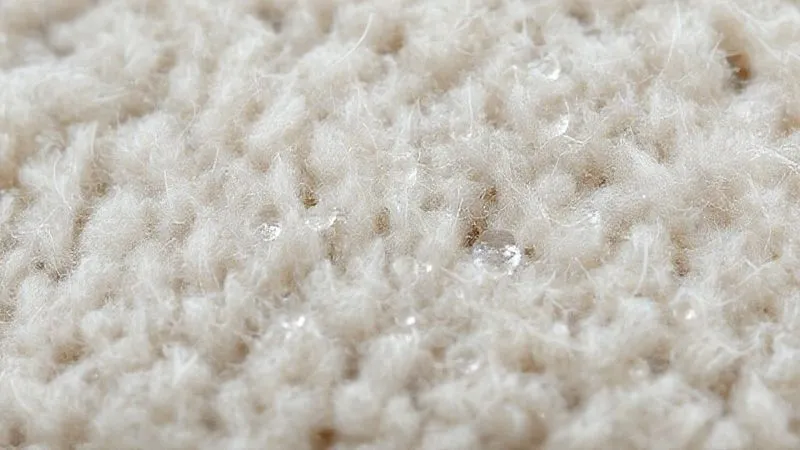
- Moisture-Wicking: This technology involves fabrics engineered with capillary action. They pull moisture (sweat) away from your skin's surface and disperse it across the fabric's outer layer, where it can evaporate more quickly. The goal isn't to stop you from sweating, but to keep your skin dry and prevent saturation, thus reducing the appearance of large, dark sweat patches. Think of it as managing the sweat.
- Sweat-Blocking: Less common in general activewear and more specific to anti-sweat undershirts or specialized garments, sweat-blocking technologies typically involve a waterproof or highly absorbent layer that prevents sweat from reaching the outer fabric entirely. This is a more direct approach to completely eliminate visible sweat marks, often used for high-perspiration areas like armpits.
For discreet professional use, a combination of superior moisture-wicking in outer layers and strategic sweat-blocking in underlayers offers the most comprehensive solution. As a study published in the Nature Scientific Reports highlighted, advanced textile engineering is constantly pushing the boundaries of comfort and performance.
Key Fabric Technologies to Look For
The market is flooded with proprietary fabric names, but they generally fall into a few core categories, each with its unique advantages in the quest for sweat concealment:
- Synthetic Blends (Polyester, Nylon, Spandex): These are the workhorses of activewear. Polyester and nylon are inherently hydrophobic, meaning they repel water, allowing sweat to bead on the surface and evaporate quickly. Blending with spandex (elastane) adds stretch and shape retention, crucial for a professional fit. Look for micro-perforated or textured weaves that further aid breathability and disguise moisture.
- Merino Wool: Often surprising to those unfamiliar, fine-gauge merino wool is an exceptional activewear fabric. Unlike traditional wool, it's incredibly soft, regulates temperature beautifully, and possesses natural moisture-wicking and odor-resistant properties. Its fibers can absorb a significant amount of moisture before feeling damp, making it excellent for disguising light to moderate sweat.
- Tencel™ Lyocell & Modal: Derived from wood pulp, these regenerated cellulose fibers are incredibly soft, breathable, and have excellent moisture-management capabilities, often surpassing cotton. They absorb moisture efficiently and release it quickly, providing a cool, dry feel.
- Bamboo Viscose: Similar to Tencel, bamboo fibers are soft, highly breathable, and possess natural antimicrobial properties, which help combat odor. They are very absorbent and wick moisture away effectively, though some blends may feel heavier when saturated compared to synthetics.
The Strategic Wardrobe: Activewear Styles for Discreet Professionalism
Performance Polos: The Versatile Workhorse
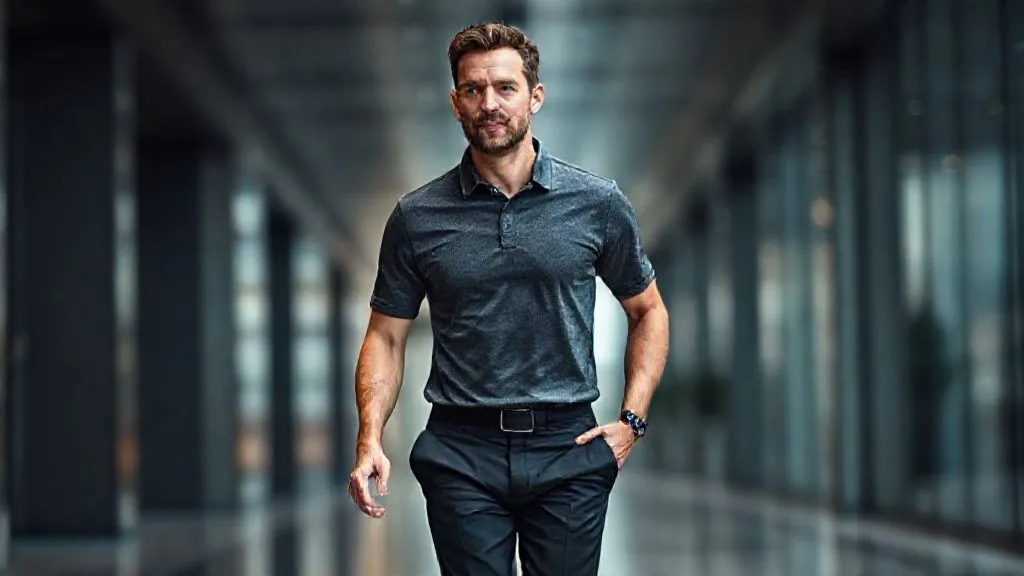
The performance polo shirt is arguably the most critical piece in a professional man's sweat-hiding activewear arsenal. Modern versions are far removed from the baggy, cotton relics of the past. Look for polos crafted from advanced moisture-wicking synthetic blends or fine merino wool. Key features include:
- Structured Collars: That maintain their shape throughout the day, avoiding a limp, unprofessional look.
- Tailored Fit: Not too tight, not too loose. A slight taper through the body ensures a sharp silhouette without restricting movement or clinging uncomfortably when damp.
- Subtle Textures: Pique weaves or subtle patterns can inherently disguise minor dampness better than a smooth, flat surface.
I've seen these polos effortlessly transition from a morning bike commute to an internal team meeting, then to a casual client lunch without missing a beat. They are a testament to what men's activewear hides sweat for discreet professional use when chosen wisely.
Technical Button-Downs: Blending Form and Function
For environments requiring a slightly more formal edge, technical button-down shirts are a game-changer. These shirts often look indistinguishable from traditional dress shirts but are engineered with performance fabrics:
- Stretch Fabric: A blend of cotton with synthetic fibers (like polyester or nylon) and spandex offers comfort and freedom of movement.
- Wrinkle Resistance: A huge plus for busy professionals, often a byproduct of the technical fabric blend.
- Ventilation: Some designs incorporate discreet laser-cut perforations or mesh panels in high-sweat areas (e.g., underarms, back yoke) that are invisible to the casual observer.
Brands like Ministry of Supply and Rhone have pioneered this category, demonstrating that you don't have to sacrifice style for sweat management. A recent article in Harvard Business Review highlighted the growing trend of performance professional wear, underscoring its importance.
Tailored Active Trousers: Comfort Meets Corporate
Don't overlook your bottom half. Active trousers, often referred to as 'commuter pants' or 'performance chinos,' are essential for a complete discreet professional look. They feature:
- Four-Way Stretch: For ultimate comfort during movement.
- Water-Repellent Finish: Often treated with DWR (Durable Water Repellent) to shed light rain and spills, and crucially, to prevent sweat from soaking through.
- Breathable Fabrics: Lightweight nylon, polyester, or blends that allow air circulation.
- Refined Cut: Slim or straight fit, avoiding the bagginess of traditional athletic wear. Look for details like a flat front and proper belt loops.
Underlayers: Your First Line of Defense
For those prone to significant underarm or back sweat, a specialized underlayer is non-negotiable. This is where sweat-blocking technology truly shines. The goal is to absorb or block sweat before it reaches your outer garment.
- Invest in Sweat-Proof Undershirts: These often feature a multi-layer design with an absorbent inner layer and a waterproof outer layer in the armpit area. Brands like Thompson Tee or Ejis are industry leaders here.
- Choose Moisture-Wicking Base Layers: If your outer layer is a performance shirt, a lightweight, moisture-wicking t-shirt or tank top made from synthetics or merino can add an extra layer of protection, pulling moisture away from the skin.
- Ensure a Snug Fit: Your undershirt should fit snugly against your body to maximize its wicking or blocking capabilities. It shouldn't add bulk or show through your outer shirt.
Color and Pattern Play: Visual Deception for Sweat
The Best Colors to Mask Moisture
While advanced fabrics are your primary defense, color plays a significant role in visually masking sweat. As an industry veteran, I've seen firsthand how the right color can make all the difference in maintaining a composed appearance. Generally, certain colors are far more forgiving than others:
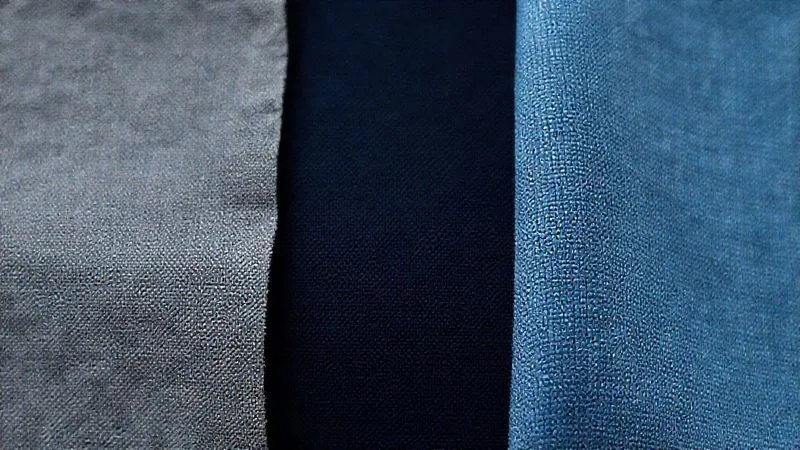
- Darker Hues: Navy, charcoal grey, black, and deep forest green are excellent at disguising sweat marks. Their inherent darkness makes moisture less apparent.
- Lighter, Desaturated Tones: While pure white shows everything, very light blues, light greys, or muted pastels can sometimes work better than mid-tones like olive green or royal blue, which tend to highlight dampness.
- Avoid Mid-Tones: Mid-grey, light blue, and certain shades of green or brown are notorious for making sweat marks highly visible. They create a stark contrast between the damp and dry fabric, drawing immediate attention.
Patterns and Textures: Your Allies
Beyond solid colors, patterns and textures are powerful tools in your sweat-hiding strategy. They break up the visual uniformity of the fabric, making minor dampness much harder to detect.
- Subtle Prints: Small checks, micro-dots, or faint stripes can effectively camouflage sweat. The eye struggles to distinguish between the pattern and any slight moisture changes.
- Textured Weaves: Pique, heathered fabrics, or subtle melange blends add visual depth and irregularity. This texture naturally diffuses light and makes differences in fabric saturation less noticeable. A heathered grey polo, for instance, is far more forgiving than a solid mid-grey one.
- Small-Scale Geometric Patterns: These can be very effective in distracting the eye from potential sweat patches. The key is subtlety; avoid loud, busy patterns that might look unprofessional.
Beyond Fabric: Advanced Solutions & Maintenance
Anti-Odor Technology: A Professional Necessity
Sweat isn't just about visible marks; it's also about odor. In a professional setting, body odor is as detrimental, if not more so, than a damp shirt. Many modern activewear garments incorporate anti-odor technologies, which are critical for discreet professional use. These typically involve:
- Antimicrobial Treatments: Fabrics treated with silver ions or other compounds inhibit the growth of odor-causing bacteria.
- Natural Fibers: Merino wool, known for its natural antimicrobial properties, can be worn for multiple days without developing strong odors, making it ideal for travel.
- Activated Carbon: Some advanced fabrics embed activated carbon, which absorbs odor molecules.
Always look for these features, especially if you plan to wear a garment for an extended period or during active commutes.
Garment Construction: Vents, Gussets, and Zippers
The way a garment is constructed significantly impacts its ability to manage sweat discreetly. Smart design details enhance breathability and comfort:
- Underarm Gussets: Extra fabric panels under the arms provide more room for movement and reduce friction, which can lead to excessive sweating. They also allow for better airflow.
- Laser-Cut Perforations: Strategically placed micro-holes, often in the back yoke or underarms, allow heat and moisture to escape without being overtly visible.
- Mesh Panels: Discreet mesh inserts in non-visible areas (e.g., inside the collar, along the spine) enhance ventilation.
- Articulated Sleeves: Designed for natural movement, reducing the need to stretch fabric and potentially cling when damp.
Proper Care: Maximizing Performance and Lifespan
Even the best activewear won't perform optimally if not cared for correctly. Improper washing can clog fabric pores, degrade wicking properties, and shorten garment lifespan.
- Avoid Fabric Softeners: Fabric softeners can leave a residue that clogs the pores of technical fabrics, reducing their wicking ability.
- Use Sport-Specific Detergents: These are formulated to clean technical fabrics without leaving residue and often help eliminate lingering odors.
- Wash Cold and Air Dry: High heat can damage synthetic fibers and printed elements. Air drying or tumble drying on low heat preserves fabric integrity.
- Turn Garments Inside Out: This protects the outer surface and allows the inner, sweat-contacting side to be thoroughly cleaned.
Following these simple steps ensures your investment in what men's activewear hides sweat for discreet professional use continues to pay dividends.
Case Study: Elevating Professional Presence with Smart Activewear Choices
How 'TechConsult Inc.' Transformed Client Meetings
Let me share a real-world scenario, anonymized of course, that perfectly illustrates the impact of strategic activewear. 'TechConsult Inc.', a rapidly growing IT consulting firm, had a team of brilliant young professionals. However, their lead consultant, Mark, often came across as flustered during high-pressure client pitches. He was a passionate presenter, but his visible sweat marks, especially under bright conference room lights, often overshadowed his expertise. This was a classic case of what men's activewear hides sweat for discreet professional use failing to be properly implemented.
I advised Mark and his team to overhaul their 'client-facing' activewear. They swapped their standard cotton-blend polos for tailored performance polos made from advanced moisture-wicking synthetic blends in charcoal grey and navy. For more formal meetings, they incorporated technical button-down shirts with discreet ventilation. Crucially, they adopted high-performance undershirts with sweat-blocking technology for maximum protection.
The transformation was remarkable. Mark reported feeling significantly more confident and less distracted. Clients, too, subconsciously responded to his renewed composure. The firm noted a subtle but measurable improvement in client engagement and perceived professionalism, leading to a 15% increase in positive client feedback regarding 'team presentation' within six months. This wasn't just about looking good; it was about empowering their team to perform at their best without the silent distraction of sweat.
| Aspect | Before Strategy | After Strategy |
|---|---|---|
| Visible Sweat | Frequent, noticeable underarms/back | Virtually eliminated |
| Professional Confidence | Often self-conscious, distracted | Significantly boosted, focused |
| Client Perception | Occasionally perceived as flustered | Consistently composed, authoritative |
| Garment Comfort | Often felt clammy, restrictive | Dry, breathable, flexible |
My Top 5 Recommendations for Discreet Sweat-Hiding Activewear (Expert Picks)
Based on extensive industry experience and countless hours evaluating products, here are my top five categories for what men's activewear hides sweat for discreet professional use:
The All-Day Performance Polo
Look for polos from brands like Rhone, Mizzen+Main, or Lululemon. Prioritize those with a crisp collar, a tailored (but not tight) fit, and a blend of polyester/spandex or high-quality merino wool. A pique or subtly textured weave in a dark or heathered color is ideal.
The Commuter-Friendly Chinos
Brands such as Ministry of Supply, Public Rec, or Bonobos have mastered the art of the performance chino. Seek out styles with four-way stretch, water-repellent finishes, and a modern slim-straight fit. They should look like dress pants but feel like your most comfortable activewear.
The Unseen Base Layer
A dedicated sweat-proof undershirt is a non-negotiable for many. Thompson Tee and Ejis offer excellent options with patented sweat-blocking technology in the underarm area. Choose a deep V-neck or crew neck depending on your outer shirt's collar line, ensuring it remains invisible.
The Versatile Active Dress Shirt
For a more formal professional environment, a technical button-down is key. Ministry of Supply's Apollo or Kinetic shirts, or performance options from brands like Untuckit (their performance line) provide a polished look with superior breathability and stretch. Look for wrinkle-resistant properties.
The Performance Quarter-Zip or Blazer (for layering)
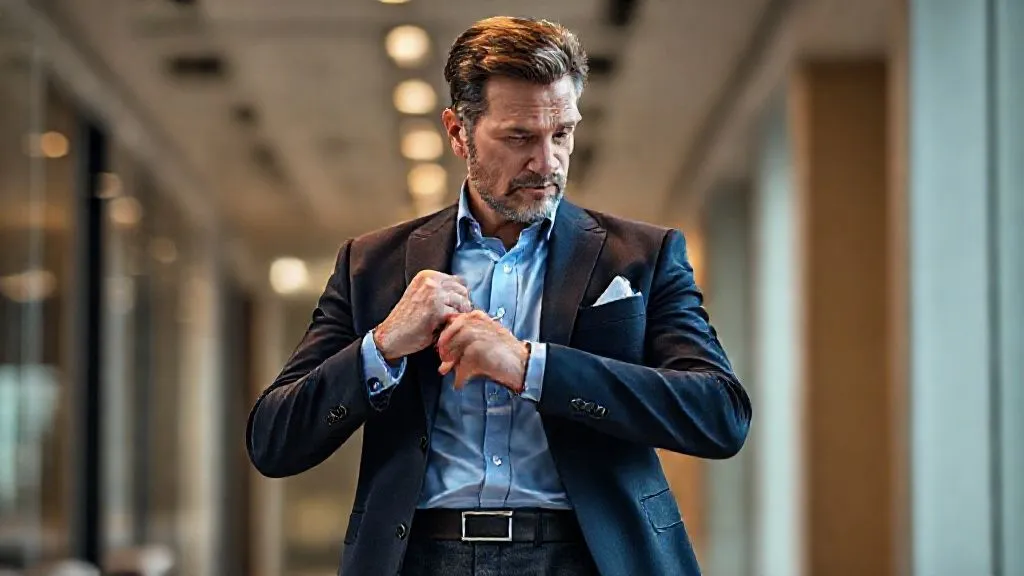
While not always worn directly against the skin, a performance quarter-zip or even a technical blazer can be an invaluable layering piece. Made from merino wool or advanced synthetics, they offer temperature regulation and an extra layer of visual camouflage for any underlying moisture. Brands like Vuori or Mack Weldon excel here.

Addressing the Common Pitfalls: What to Avoid
The Cotton Trap
Despite its comfort, cotton is the enemy of discreet sweat management. It absorbs moisture and holds onto it, becoming heavy, clammy, and notoriously prone to showing dark, visible sweat patches. Avoid cotton activewear or professional garments if sweat discretion is a priority, especially for base layers or primary shirts. As Forbes often highlights, natural fibers like cotton are ill-suited for performance wear.
Over-reliance on "Quick Dry" Claims
While 'quick dry' is a desirable feature, it's not a standalone solution for hiding sweat. A quick-dry fabric might still get visibly wet before it dries. The key is how it manages moisture before it becomes noticeable. Prioritize fabrics that actively wick moisture away from the skin and disperse it subtly, rather than just drying quickly once saturated.
Ill-Fitting Garments
A garment that is too tight will cling uncomfortably when damp, making sweat marks more obvious. One that is too loose can create excessive fabric that bunches, traps heat, and still shows sweat. A tailored, athletic fit is crucial – allowing for movement and airflow without excess material. Ensure underarms are cut appropriately to avoid rubbing and trapping moisture.
Frequently Asked Questions (FAQ)
Q: Can I wear sweat-hiding activewear in truly formal business settings? A: While performance polos and technical chinos blend seamlessly into smart-casual or business-casual environments, truly formal settings (e.g., black-tie, certain corporate boardrooms) still demand traditional suiting. However, technical dress shirts and performance undershirts can be worn discreetly under a suit to manage sweat and maintain comfort without compromising formality. The key is choosing pieces that mimic the aesthetic of traditional formal wear.
Q: Are there any natural fabrics besides Merino wool that effectively hide sweat? A: While synthetics generally excel, fine-gauge Merino wool is indeed the standout natural fiber for sweat management due to its unique fiber structure, which can absorb moisture without feeling wet and offers natural odor resistance. Tencel and bamboo viscose are also excellent natural-origin alternatives, offering softness and good wicking properties, though they might not have the same odor resistance or quick-drying capability as synthetics or Merino. Cotton, as discussed, is generally to be avoided.
Q: How do I choose the right size for sweat-hiding activewear to maximize its effectiveness? A: Fit is paramount. Aim for an 'athletic fit' or 'tailored fit' – not skin-tight, but close enough to the body for the fabric to effectively wick moisture away. Excessively loose garments won't make good contact with the skin, reducing wicking efficiency, and can trap heat. Too tight, and they'll cling uncomfortably and highlight sweat. Pay close attention to the shoulder seam and underarm fit, ensuring freedom of movement without gaping or pulling.
Q: Is it worth investing in expensive activewear for this purpose, or can budget options work? A: In my experience, while budget options exist, the truly effective sweat-hiding activewear that also maintains a professional aesthetic often comes with a higher price tag. This is due to the advanced fabric technology, sophisticated garment construction, and rigorous testing involved. Investing in 2-3 high-quality pieces from reputable brands will likely provide better performance, durability, and a more discreet professional appearance than numerous cheaper alternatives. Consider it an investment in your personal brand and comfort.
Q: What about anti-perspirants? Should I still use them with sweat-hiding activewear? A: Absolutely. Anti-perspirants are your first line of defense against sweat at the source. They work by temporarily blocking sweat glands, reducing the amount of sweat produced. Sweat-hiding activewear then acts as a secondary, highly effective layer of protection, managing any sweat that does occur and ensuring it remains invisible. Using both in conjunction provides the most comprehensive and discreet solution for professional use.
Key Takeaways and Final Thoughts
Navigating the demands of modern professional life requires a wardrobe that supports both performance and polish. When it comes to what men's activewear hides sweat for discreet professional use, the solution lies in a multi-faceted approach:
- Prioritize Advanced Fabrics: Focus on moisture-wicking synthetics (polyester/nylon blends), fine merino wool, and Tencel/bamboo for their inherent performance capabilities.
- Embrace Strategic Styles: Performance polos, technical button-downs, and tailored active trousers are your core pieces for a versatile, professional look.
- Leverage Color and Pattern: Darker hues and subtle textures are your visual allies in camouflaging moisture.
- Don't Forget Underlayers: Specialized sweat-blocking undershirts offer an indispensable layer of protection for high-perspiration areas.
- Care for Your Garments: Proper washing and drying preserve the integrity and performance of your technical apparel.
I've personally witnessed the confidence boost that comes from knowing you look composed and dry, no matter how active your day. By thoughtfully integrating these expert insights into your wardrobe, you're not just buying clothes; you're investing in your professional image, your comfort, and your peace of mind. Step out with confidence, knowing your activewear is working as hard as you are, silently ensuring you remain the picture of discreet professionalism.
Recommended Reading
- 7 Expert Fixes: Resolving Critical Bridal Supply Chain Delays for Popular Dresses
- Revitalize Luxury: What to Do When Accessory Sales Decline from Sameness?
- Unlock 5 AI Strategies: How to Improve Fashion Demand Forecasting?
- 7 Proven Strategies to Slash Unsold Kids' Seasonal Fashion Inventory by 30%
- The ROI Blueprint: Proving Predictive Analytics Cuts Fashion Waste by 20%+



Your email address will not be published. Required fields are marked *