

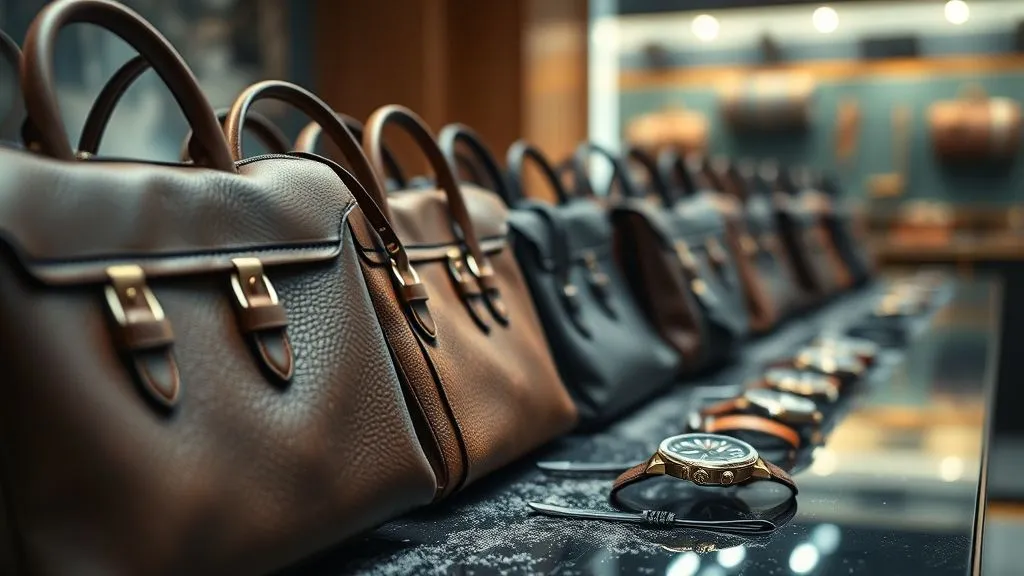
What to do when luxury accessory sales decline from sameness?
For over two decades in the luxury accessories market, I've witnessed a recurring, insidious challenge that can cripple even the most established brands: the slow, silent erosion of sales due to sameness. It's not a sudden collapse, but a gradual decline, like a tide receding, leaving once-vibrant brands stranded on a sandbank of indistinguishable offerings. I've seen countless innovative startups fizzle and venerable houses struggle when they lose sight of what truly makes luxury, luxury.
The problem isn't always a lack of quality or craftsmanship; often, it's a failure to differentiate, to evolve, and to connect on an emotional level with a discerning clientele. When every high-end handbag begins to look like a slight variation of another, when every watch offers similar features, consumers lose their reason to choose one brand over another. This commoditization, this 'sameness,' strips away the allure, the aspiration, and ultimately, the perceived value that defines luxury.
But there is a clear path forward, a strategic blueprint to reclaim your brand's unique position and reignite demand. In this definitive guide, I'll share the frameworks, actionable strategies, and real-world insights I've gathered from years at the forefront of the luxury accessories industry. You'll learn exactly what to do when luxury accessory sales decline from sameness, transforming stagnation into a powerful resurgence.
Reigniting the Spark: Understanding the 'Sameness' Trap
Before we can solve the problem, we must truly understand its roots. The 'sameness' trap isn't just about competitors copying your designs; it's often an internal struggle, a comfortable adherence to past successes that blinds brands to shifting consumer desires. The luxury landscape is dynamic, and what felt exclusive five years ago might now feel ubiquitous.
The Illusion of Exclusivity
Many luxury brands operate under the illusion that their inherent prestige is enough. They believe their heritage or price point automatically confers exclusivity. However, in an increasingly transparent and interconnected world, true exclusivity comes from unique value propositions, not just high barriers to entry. When every brand offers a 'classic,' 'timeless' piece, none of them stand out.
The Commoditization Creep
The digital age has accelerated the commoditization creep. Consumers are savvier, more informed, and have unprecedented access to information and alternatives. They can quickly compare products, prices, and brand stories. If your brand's narrative and product offerings aren't compellingly unique, you risk being lumped in with a growing sea of 'luxury' options.
"In the luxury market, your greatest enemy isn't a competitor with a better product; it's the erosion of desire when your brand becomes indistinguishable. Uniqueness is not a feature; it is the foundation of aspiration."
Deep Dive into Differentiation: Beyond Product Features
Differentiation in luxury goes far beyond a unique clasp or a novel material. It's about crafting an entire ecosystem of distinctiveness that resonates deeply with your target audience. This is where your brand's soul truly shines, providing a compelling answer to the question: 'Why this luxury accessory, and why now?'
Crafting a Unique Brand Narrative
Your brand's story is its most potent weapon against sameness. It's not just a marketing tagline; it's the authentic history, values, and vision that underpin every product. This narrative must be consistent, compelling, and emotionally resonant, allowing consumers to buy into something larger than just an object.
The Power of Heritage and Provenance
For many luxury brands, heritage is a cornerstone. But merely having a long history isn't enough; you must actively tell the story of that heritage in a way that feels relevant and inspiring today. Highlight the artisanal techniques, the generational knowledge, the specific geographical origins that imbue your accessories with unparalleled character.
- Authenticity: Ensure your story is genuine and verifiable.
- Emotion: Tap into aspirations, desires, and personal values.
- Exclusivity: Frame the narrative around what makes your brand uniquely special.
- Consistency: Weave the story through every touchpoint, from product design to customer service.
- Evolution: Show how your heritage informs innovation, rather than hinders it.
Innovation That Matters: Disrupting the Status Quo
Innovation isn't about novelty for novelty's sake; it's about thoughtful evolution that enhances value, sustainability, or user experience. When luxury accessory sales decline from sameness, genuine innovation provides a powerful antidote, creating new reasons for engagement and purchase.
Material Innovation and Sustainable Luxury
The modern luxury consumer is increasingly conscious of environmental and ethical impacts. Pioneering new, sustainable materials—vegan leathers, recycled metals, lab-grown diamonds—or developing ethical sourcing practices can be a significant differentiator. This isn't just good for the planet; it's a compelling brand story that appeals to a growing demographic.
Technological Integration and Smart Accessories
While tradition is valued, discreet integration of technology can elevate functionality and experience. Think smart clasps, NFC-enabled authentication, or subtle health monitoring in a timepiece. The key is seamless integration that enhances, rather than detracts from, the accessory's aesthetic and luxury appeal.
Limited Editions and Bespoke Creations
True exclusivity is often found in scarcity. Implementing carefully curated limited editions or offering bespoke, made-to-order services directly counters the feeling of mass production. This approach allows consumers to acquire something truly unique, fostering a deeper connection and sense of ownership.
"Innovation in luxury isn't about abandoning tradition; it's about respectfully reinterpreting it through a contemporary lens, offering new value without compromising timeless appeal."
Steps for a Successful Bespoke Program:
- Define the Scope: Clearly outline what aspects of the accessory can be customized.
- Showcase Artisanship: Emphasize the skill and time involved in creating a bespoke piece.
- Personalized Consultation: Offer a one-on-one experience with a designer or artisan.
- Transparent Process: Keep the client informed throughout the creation journey.
- Exclusive Presentation: Make the final handover a memorable, luxurious event.
Elevating the Customer Journey: Experience as the New Luxury
In a world overflowing with products, the experience surrounding a luxury purchase has become as critical as the item itself. When luxury accessory sales decline from sameness, it's often because the journey feels as generic as the product. A memorable, personalized customer journey is a powerful differentiator.
Personalization at Scale
Beyond bespoke products, think about personalized service throughout the entire customer lifecycle. From tailored recommendations based on purchase history to personalized care instructions and anniversary messages, these small touches build loyalty. According to a Deloitte study, 80% of consumers are more likely to make a purchase from a brand that provides personalized experiences. Deloitte's insights on customer experience underscore this trend.
Curated Retail Experiences
Your physical and digital retail spaces should be extensions of your brand's unique narrative. This means moving beyond mere transactions to create immersive environments. Consider private shopping appointments, exclusive in-store events, or interactive digital showrooms that tell your story in a compelling way.
Case Study: 'The Bespoke Bauble Experience'
The fictional luxury jewelry brand, "Éclat Atelier," faced stagnating sales despite exceptional craftsmanship. Their collections, while beautiful, were perceived as similar to other high-end jewelers. To combat this, Éclat Atelier launched "The Bespoke Bauble Experience," a unique program where clients could collaborate directly with a master artisan to design a one-of-a-kind pendant or ring. This wasn't just customization; it was a co-creation process, involving sketches, material selection, and even virtual reality previews. By focusing on the journey and the emotional investment, Éclat Atelier saw a 35% increase in engagement with their high-value clientele and a 20% uplift in bespoke sales within the first year. This resulted in a renewed sense of exclusivity and a powerful word-of-mouth marketing ripple effect, demonstrating what to do when luxury accessory sales decline from sameness by shifting focus to unique experiences.
Community and Connection: Building Brand Loyalty
In the luxury sphere, consumers don't just buy products; they buy into a lifestyle and a community. Building genuine connections and fostering a sense of belonging can transform customers into passionate advocates, creating an invaluable defense against the pressures of 'sameness.'
Exclusive Brand Events and VIP Programs
Host intimate events that offer unique access or experiences – a private viewing of a new collection, a masterclass with an artisan, or a gala dinner. VIP programs should extend beyond discounts, offering early access, personalized services, and invitations to these exclusive gatherings. This fosters a sense of being 'in the know' and truly valued.
Collaborations That Create Buzz
Strategic collaborations with artists, designers from other luxury sectors, or even non-luxury brands that share your values can inject fresh energy and reach new audiences. These partnerships must be authentic and align with your brand's ethos, creating limited-edition pieces that are truly distinctive and highly sought after.
"Luxury isn't just about owning; it's about belonging. Foster a community, and you create advocates who will champion your brand against any tide of sameness."
Data-Driven Decisions: Understanding the Modern Luxury Consumer
Guesswork has no place in strategic luxury brand management. To effectively combat sameness and understand what to do when luxury accessory sales decline from sameness, brands must leverage data to gain deep insights into consumer behavior, preferences, and emerging trends.
Leveraging AI and Analytics for Insights
Utilize advanced analytics and AI tools to track purchasing patterns, browsing behavior, social media sentiment, and demographic shifts. This data can reveal subtle changes in consumer taste, identify unmet needs, and inform product development, marketing strategies, and personalized outreach efforts. It moves you from reactive to proactive.
Predicting Trends and Adapting Rapidly
The luxury market moves fast. By analyzing data, brands can predict upcoming trends in color, material, style, and even socio-cultural shifts that impact consumer values. This foresight allows for agile adaptation, ensuring your brand remains relevant and innovative, always a step ahead of the 'sameness' curve.
Understanding key metrics helps in identifying areas for improvement and anticipating market shifts. Here's a look at crucial data points:
| Metric | Description | Actionable Insight |
|---|---|---|
| Customer Lifetime Value (CLV) | Total revenue expected from a customer | Identify high-value segments for tailored retention strategies. |
| Average Order Value (AOV) | Average spend per transaction | Optimize cross-selling/up-selling, bundle unique accessories. |
| Brand Sentiment Score | Public perception via social listening | Address negative feedback, amplify positive narratives, identify emerging preferences. |
| Website Conversion Rate | Percentage of visitors making a purchase | Improve UX, optimize product pages, streamline checkout process. |
| Repeat Purchase Rate | Percentage of customers making multiple purchases | Enhance post-purchase experience, loyalty programs, personalized offers. |
For a deeper dive into how data transforms business strategy, I highly recommend exploring resources from thought leaders in the field, such as this article on data-driven enterprise strategies from Harvard Business Review.
Marketing Mastery: Communicating Uniqueness
Even the most innovative product or exceptional experience will fail if its uniqueness isn't effectively communicated. When luxury accessory sales decline from sameness, it's often a marketing breakdown – a failure to tell a compelling story that cuts through the noise. Your marketing must be as distinctive as your products.
Authentic Influencer Partnerships
Move beyond transactional relationships. Partner with influencers whose personal brand genuinely aligns with your luxury ethos and who have an authentic connection with your target audience. Their endorsement should feel like a personal recommendation, not a paid advertisement. Focus on micro and nano-influencers for deeper engagement and niche credibility.
Experiential Marketing Campaigns
Create campaigns that invite consumers to experience your brand, not just see it. Pop-up installations, interactive digital experiences, or brand immersion events can leave a lasting impression. These are opportunities to showcase your unique narrative, craftsmanship, and values in a tangible, memorable way.
Digital Storytelling Across Channels
Your digital presence is often the first, and sometimes only, interaction a potential customer has with your brand. Invest in high-quality visual content, compelling video narratives, and engaging social media strategies that consistently reinforce your unique identity. Each platform should tell a piece of your overall brand story.
The Future of Luxury: Embracing Sustainability and Ethics
The definition of luxury is evolving. Today's discerning consumers increasingly value brands that demonstrate a commitment to sustainability, ethical practices, and social responsibility. Ignoring these shifts is a surefire way to fall into the 'sameness' trap, as ethical leadership becomes a powerful differentiator.
Transparency and Traceability
Provide clear, verifiable information about your supply chain, from sourcing raw materials to manufacturing processes. This transparency builds trust and allows consumers to feel good about their purchases. Brands that can confidently showcase their ethical footprint will stand out.
Circular Economy Models
Explore initiatives like repair services, resale programs for pre-owned luxury items, or even rental models. These not only extend the lifecycle of your products but also demonstrate a forward-thinking approach to consumption, appealing to a generation that values access over ownership and sustainability over disposability. For more on the growing importance of ethical fashion, consider resources like Fashion Revolution's transparency index.
Integrating sustainability into your core strategy can provide a significant competitive edge:
| Aspect | Traditional Approach | Sustainable Approach |
|---|---|---|
| Material Sourcing | Cost-driven, opaque supply chains | Ethical, traceable, recycled/upcycled materials, certified suppliers. |
| Production Process | High waste, energy-intensive | Low-impact manufacturing, renewable energy, waste reduction, fair labor practices. |
| Product Lifecycle | Linear (buy, use, dispose) | Circular (repair, resell, recycle, rent), designed for longevity. |
| Consumer Perception | Focus on status, exclusivity | Focus on conscious consumption, shared values, responsible luxury. |
Re-evaluating Pricing and Value Perception
Pricing in luxury is a delicate art. It's not just about cost-plus; it's about perceived value, brand positioning, and the psychology of desire. When luxury accessory sales decline from sameness, it might be a signal that your pricing no longer aligns with the unique value you're offering – or failing to offer.
Beyond Cost-Plus: Value-Based Pricing
Instead of simply marking up production costs, consider pricing based on the perceived value to the consumer. This includes the brand story, the emotional connection, the exclusivity, the craftsmanship, and the overall experience. A higher price can be justified if the value proposition is truly unique and compelling.
Strategic Scarcity and Perceived Value
Carefully managed scarcity, whether through limited editions or controlled distribution, can significantly enhance perceived value. When something is genuinely rare and difficult to acquire, its desirability naturally increases. This isn't about artificial inflation but about reinforcing genuine exclusivity. As Forbes highlights in their analysis of luxury pricing, effective luxury pricing is deeply psychological.
Frequently Asked Questions (FAQ)
Q: How quickly can a luxury brand expect to see results from implementing these strategies? A: While some immediate boosts in engagement can occur, truly overcoming 'sameness' and seeing significant sales recovery is a strategic, long-term endeavor. I've found that brands typically start seeing measurable improvements in brand perception and sales within 12-18 months of consistent, integrated strategy execution, with full revitalization taking 2-3 years. It's about sustained effort and authentic change, not quick fixes.
Q: Is it possible for an established luxury brand with a long heritage to truly innovate without alienating its traditional customer base? A: Absolutely, and it's essential. The key is 'respectful innovation.' This means understanding your core brand DNA and evolving within that framework. Introduce newness through limited editions, collaborations, or sub-collections first. Communicate how innovation enhances, rather than replaces, your heritage. Often, traditional customers appreciate seeing the brand stay relevant, provided the core values remain intact.
Q: How do smaller luxury accessory brands compete with larger, more established players when facing 'sameness'? A: Smaller brands have an inherent advantage: agility and authenticity. They can pivot faster, offer highly personalized services, and tell more intimate, compelling stories. Focus on niche markets, hyper-personalization, exceptional craftsmanship, and building a strong, engaged community. Your size allows for a level of exclusivity and direct connection that larger brands struggle to replicate.
Q: What's the most common mistake brands make when trying to differentiate themselves? A: The most common mistake I've observed is superficial differentiation – simply changing a color or adding a minor feature and calling it 'innovation.' True differentiation requires a deep understanding of your brand's unique value proposition and communicating it consistently across *all* touchpoints, from product design to customer service. It's an inside-out transformation, not just an external facelift.
Q: How important is sustainability in the luxury accessories market right now? A: Sustainability is no longer a 'nice-to-have'; it's becoming a 'must-have' and a powerful differentiator. Younger generations of luxury consumers are highly conscious of a brand's ethical footprint. Brands that genuinely embed sustainability into their operations, from sourcing to packaging, and communicate it transparently, will gain significant trust and market share. It's a critical component of defining modern luxury.
Key Takeaways and Final Thoughts
Navigating the challenge of declining luxury accessory sales due to 'sameness' requires a multifaceted, strategic approach. It's a journey of rediscovery, innovation, and authentic connection. From my extensive experience, the brands that thrive are those willing to look inward, redefine their unique value, and bravely communicate it to a world hungry for genuine distinction.
- Embrace Authentic Differentiation: Go beyond product features to craft a unique brand narrative and heritage story.
- Innovate Thoughtfully: Focus on material advancements, technological integration, and exclusive bespoke offerings.
- Prioritize Experience: Elevate every customer touchpoint with personalization and curated retail journeys.
- Build Community: Foster deep connections through exclusive events and strategic collaborations.
- Leverage Data: Use analytics to understand consumer desires and predict market shifts.
- Master Your Message: Communicate your uniqueness through authentic marketing, influencer partnerships, and digital storytelling.
- Lead with Ethics: Embed sustainability and transparency as core brand values to resonate with modern consumers.
- Strategize Pricing: Align pricing with perceived value, not just cost, reinforcing exclusivity.
The luxury accessory market is dynamic, demanding constant vigilance and a willingness to evolve. By implementing these strategies, you're not just reacting to declining sales; you're proactively shaping a future where your brand stands out, truly captivating the hearts and minds of discerning clientele. The time to act, to innovate, and to differentiate is now. Your brand's unique spark is waiting to be reignited.
Recommended Reading
- Eco-Friendly Athletic Wear: Sustainable Synthetics Unveiled!
- Bio-Based Fashion: 7 Strategies to Mitigate Greenwashing Accusations
- Unlock Effortless Style: Your Guide to Contemporary Men's Relaxed Fit Tailoring
- Price Bespoke Jewelry: 5 Strategies for Profit & Design Commissions
- 7 Steps: Select Truly Eco-Friendly Dyes for Production (No Greenwashing!)



Your email address will not be published. Required fields are marked *