

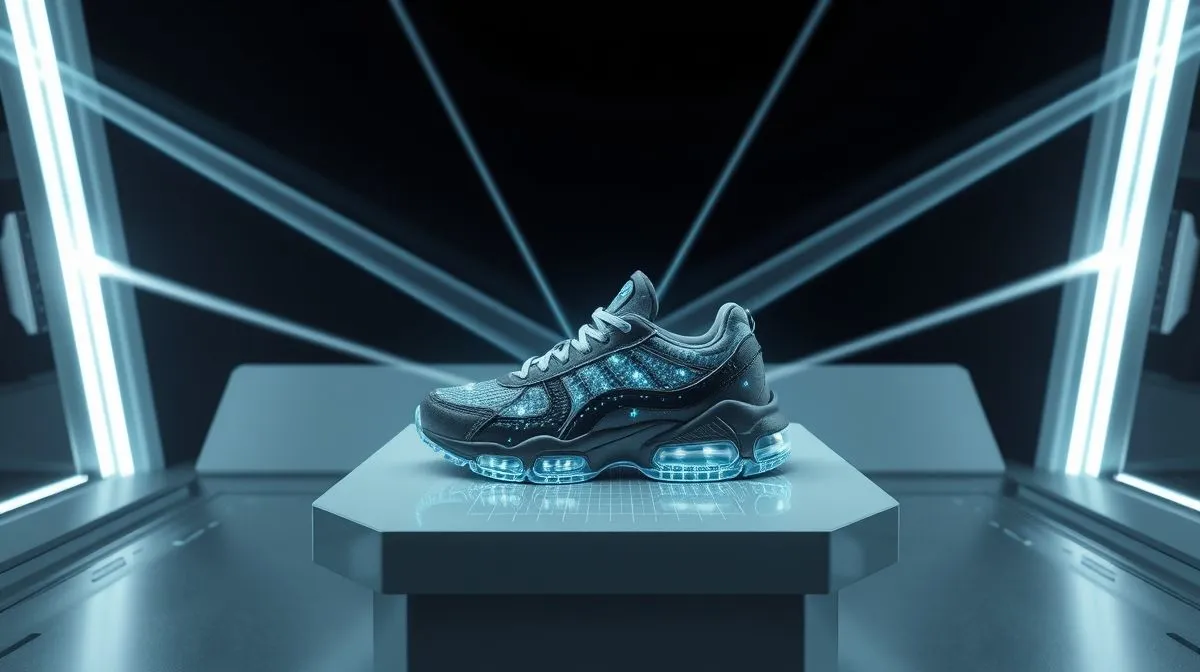
Understanding the Root of the Problem: Why Counterfeit Luxury Streetwear is a Growing Threat
In the vibrant, fast-paced world of luxury streetwear, where hype, exclusivity, and cultural cachet are currency, the demand for coveted pieces often far outstrips supply. Brands like Supreme, Off-White, BAPE, and high-profile collaborations such as Louis Vuitton x Supreme, create instant classics that command astronomical resale values.
This unique market dynamic, built on scarcity and aspiration, unfortunately, creates a fertile ground for one of the industry's most persistent and damaging threats: counterfeit luxury streetwear. It's a problem that has evolved dramatically over my 15 years in this space, becoming far more sophisticated and pervasive.
Gone are the days when a fake was easily spotted by shoddy stitching or a misspelled logo. Today's top-tier replicas, often dubbed "UA" (Unauthorized Authentic) or "1:1 copies," are alarmingly convincing. In my experience, distinguishing these from genuine articles now requires an incredibly trained eye and an almost encyclopedic knowledge of product specifics.
The root of this escalating threat lies in several interconnected factors:
-
Technological Advancement: Counterfeiters now employ sophisticated manufacturing techniques, often using similar (or highly convincing alternative) materials and advanced printing methods. They meticulously replicate everything from garment tags and wash labels to specific fabric weaves and complex embroidery patterns.
-
Globalized Supply Chains: The same globalized production networks that legitimate brands utilize are, unfortunately, accessible to illicit operations. This enables them to source materials and production capabilities that mirror authentic processes more closely than ever before.
-
Digital Accessibility: The internet, social media, and encrypted messaging apps serve as powerful distribution channels. They allow counterfeiters to market their goods directly to consumers worldwide, bypassing traditional retail barriers and making it incredibly difficult for authorities to track and shut down operations.
-
Economic Incentive: The profit margins for counterfeiters are staggering. With minimal R&D costs and high demand for perceived luxury at a fraction of the price, the financial reward far outweighs the perceived risk for many illicit operators. This fuels a relentless cycle of production and distribution.
A common mistake I see is consumers, lured by seemingly incredible deals on secondary markets, unknowingly purchasing these high-grade replicas. They believe they're getting a steal on an authentic piece, only to be left with a worthless imitation that erodes their trust in the entire marketplace.
The impact of this burgeoning counterfeit market is multifaceted and severe. For brands, it dilutes their exclusivity, erodes their brand value, and can severely damage their reputation for quality and authenticity. It forces them to divert significant resources towards anti-counterfeiting measures, rather than innovation.
For the legitimate secondary market – platforms, resellers, and collectors – the proliferation of high-quality fakes introduces immense risk and skepticism. It makes authentication an increasingly complex and resource-intensive process, potentially depressing prices for genuine articles and slowing down legitimate transactions due to a pervasive lack of trust.
Ultimately, understanding the sophistication and drivers behind the counterfeit luxury streetwear problem is the first critical step. It highlights why robust, expert-led authentication methods are not just a luxury, but an absolute necessity for anyone navigating this dynamic market.
Step 2: Multi-Point Physical and Digital Inspection
Once an item clears the initial vetting, we move into the trenches: the multi-point physical and digital inspection. This isn't just a quick glance; it's a forensic deep dive, a process refined over years of handling countless pieces of luxury streetwear.
First, the physical. In my experience, the genuine article often speaks volumes through its tangible qualities. You're feeling for the fabric hand – does it have the expected weight, drape, and texture for a particular brand's cotton, silk, or technical blend?
Then comes the scrutiny of stitching and construction. Authentic luxury streetwear boasts impeccable, consistent stitching, often with specific thread counts, bar-tacking patterns, and perfectly aligned seams that fakes simply can't replicate at scale. A common mistake I see is buyers overlooking the subtle perfection in these details.
Next, we meticulously examine every element: hardware, tags, and prints. Are the zippers the correct brand (YKK, Riri, Lampo) and model, with precise engravings and a satisfying weight? Are the brand labels, wash tags, and size tags printed with the exact font, spacing, and micro-details, and are they sewn in with the correct method?
- Hardware: Look for specific finishes, weight, and the crispness of any embossed logos. Fakes often use cheaper, lighter alloys.
- Labels/Tags: Authentics frequently feature UV ink, specific holographic elements, or even micro-text that requires magnification to see.
- Prints/Embroidery: The sharpness, color saturation, and texture of screen prints or the density and precision of embroidery are critical indicators.
"The true art of authentication lies in recognizing the absence of perfection in a fake, rather than just the presence of expected details. Fakes try to replicate; originals simply *are*."
While the physical examination is paramount, the modern counterfeiting landscape demands a robust digital counter-attack. Fakes are getting incredibly good, necessitating a layered approach that extends beyond what the naked eye can discern.
This is where digital verification tools come into play. Many high-end brands now embed QR codes, NFC chips, or unique serial numbers directly into their products or packaging. We scan these codes and cross-reference them against secure, proprietary brand databases.
A legitimate scan should link directly to the brand's official authenticity portal, displaying the item's unique product information and provenance. Any discrepancies, broken links, or generic landing pages are immediate red flags.
Advanced retailers are also leveraging cutting-edge technology, including AI-powered authentication platforms and, increasingly, blockchain-based digital passports. AI can analyze high-resolution images of an item, comparing minute details like stitching patterns, fabric weave, and print anomalies against vast datasets of authentic and counterfeit items.
Blockchain offers an immutable, transparent record of an item's journey from manufacturing to sale, providing a verifiable digital twin that's virtually impossible to tamper with. This emerging tech is a game-changer for proving an item's uncompromised lineage.
The real power, however, lies in the synergy of these methods. A physical inspection might raise a subtle doubt about a print's texture, which is then confirmed or debunked by an AI analysis. Or a digital scan might pass, but a close physical look at the hardware reveals an inconsistency.
It's a constant dance between the tangible and the digital, each method reinforcing or challenging the findings of the other, building an irrefutable case for authenticity or exposing a clever deception.
Ultimately, this multi-point inspection is about leaving no stone unturned. As an expert, I've learned that overlooking even one small detail, whether physical or digital, can be the difference between a genuine grail and a costly, convincing fake. It demands patience, an encyclopedic knowledge of brand specifics, and a healthy dose of skepticism.
Step 3: Leveraging Advanced Authentication Technologies
After more than 15 years navigating the cutthroat world of luxury streetwear, I've seen the cat-and-mouse game between authenticators and counterfeiters evolve dramatically. While human expertise remains irreplaceable, the real battleground today is increasingly fought with cutting-edge technology. Authenticity isn't just about knowing what to look for; it's about having the tools to peer beyond the surface, to data points and microscopic details that even the most skilled human eye might miss. This is where advanced authentication technologies become indispensable. One of the most powerful advancements we've seen is the integration of Near Field Communication (NFC) and Radio-Frequency Identification (RFID) tags directly into products. These tiny, discreet chips, often embedded in a hang tag, a sole, or even woven into fabric, create a digital fingerprint for each item. A quick scan with a smartphone or dedicated reader instantly pulls up manufacturing data, batch numbers, and a complete chain of custody. For a limited-edition sneaker drop, an NFC tag can confirm not only its authenticity but also its specific production run and even its original point of sale, making it incredibly difficult for fakes to slip through. Beyond simple chip identification, some forward-thinking brands and retailers are now marrying these technologies with blockchain ledgers, often accessed via unique, secure QR codes. This creates an immutable, transparent record of an item's journey from factory to consumer. Each transaction, each change of ownership, is logged on a decentralized network, making it virtually impossible to tamper with. Think of it as a digital passport for your grail piece, where every stamp is verified and unforgeable, providing unparalleled confidence for high-value collectibles. Another game-changer is the application of Artificial Intelligence (AI) and Machine Learning (ML) algorithms. These sophisticated systems are trained on vast datasets of authentic and counterfeit items, learning to identify subtle deviations that are often imperceptible to humans. AI can analyze everything from stitching patterns and font inconsistencies to material textures and even the precise hue of a particular dye. It's about statistical probability and recognizing anomalies at a scale and speed no human ever could. Services like Entrupy, for instance, capture microscopic images of items and instantly compare them against their extensive database to provide an authenticity verdict with remarkable accuracy. For the truly advanced operations, verifying authenticity can delve into the realm of material science and microscopic analysis. This isn't just about looking at a logo; it's about examining the very fibers, threads, and chemical compositions that make up a product. In my early days, we'd use a jeweler's loupe. Now, specialized microscopes can reveal weave density, thread count, and even the subtle imperfections unique to genuine manufacturing processes. Counterfeiters often use cheaper, readily available materials that, under high magnification, tell a completely different story. What's crucial to understand is that these technologies aren't used in isolation. The most robust verification processes involve a multi-layered approach, often integrating several of these methods to create a comprehensive defense. Many luxury streetwear retailers collaborate directly with specialized third-party authentication services. These partnerships provide access to proprietary databases, advanced imaging, and AI algorithms that would be cost-prohibitive for individual retailers to develop in-house. Ultimately, leveraging advanced authentication technologies is about staying one step ahead. It's an ongoing investment, but for any luxury streetwear retailer serious about their reputation and protecting their customers, it's an absolutely non-negotiable part of the business.A common mistake I see is retailers relying too heavily on one tech solution. The savvy ones understand that the best defense is a dynamic, integrated system, constantly updated to combat the ever-evolving tactics of counterfeiters.In this industry, trust is the ultimate currency. Advanced authentication isn't just a cost; it's an investment in your brand's integrity and a shield against the erosion of customer confidence that even a single fake can cause.
Step 4: Expert Human Verification and Brand Collaboration
Even with the most advanced technological solutions, the human element remains absolutely indispensable in verifying the authenticity of luxury streetwear. In my 15+ years in this game, I've seen countless fakes that could fool a machine, but rarely an experienced human eye and hand. This step is where years of accumulated knowledge, tactile memory, and an almost intuitive understanding of a brand's DNA come into play. It's about a deep dive into the physical attributes that often escape digital detection or even basic visual checks.A true expert examines every minute detail, not just what's visible, but what's felt and even smelled. They understand the subtle nuances of a brand's manufacturing process, which can vary across seasons or collections.
Here’s what goes under the microscope during expert human verification:
- Material Quality and Hand-Feel: Authentic luxury streetwear often uses specific blends, weights, and finishes. An expert can discern the difference in the drape of a fabric, the stretch of a rib, or the specific texture of a woven label.
- Stitching and Construction: This is a huge tell. We look for uniformity, thread type, stitch count per inch, and the specific stitching patterns unique to a brand. Fakes often have sloppy, inconsistent, or incorrect stitching.
- Hardware: Zippers, buttons, rivets, and toggles are critical. Experts know the exact weight, finish, branding, and even the specific sound a high-quality zipper makes when operated.
- Printing and Embroidery: The precision, color saturation, and texture of screen prints or the density and cleanliness of embroidery are meticulously checked. A common mistake I see is fakes having slightly off-color prints or frayed embroidery.
- Labels and Tags: Beyond just checking for typos, experts verify the font, size, placement, material, and even the specific way care tags are attached. Holograms or security threads are also examined for authenticity.
- Scent: Believe it or not, the 'new item' smell of a genuine luxury garment is often distinct from the chemical odor of a counterfeit. This is a subtle cue, but a powerful one for an experienced authenticator.
This level of scrutiny is only possible through extensive training and a vast internal database of authentic items and known counterfeits. Retailers invest heavily in training their authentication teams, often sending them to workshops or providing access to archives of genuine products.
"In the world of luxury streetwear, the fakes aren't just getting better; they're getting smarter. The only reliable counter is a human expert whose intuition has been honed by thousands of authentic pieces and hundreds of meticulously studied fakes. It's about recognizing the absence of perfection, not just the presence of a flaw."
Beyond internal expertise, the most reputable luxury streetwear retailers actively engage in brand collaboration. This partnership is a game-changer, providing an invaluable layer of verification that no independent authenticator can fully replicate.
Working directly with the brands themselves offers several key advantages:
- Direct Access to Brand Intelligence: Brands share confidential details about new security features, material changes, or even specific 'tells' they've identified in current counterfeit waves.
- Official Training Programs: Retailer staff can participate in exclusive brand-led authentication training, learning directly from the creators about the intricate details of their products.
- Authentication Support: For particularly rare or suspicious items, retailers can sometimes submit pieces directly to the brand for an official verification, leveraging their ultimate authority.
- Shared Counterfeit Data: Brands and retailers can collaborate to identify and track emerging counterfeit trends, creating a united front against the illicit market. This proactive sharing of information is crucial for staying ahead.
This symbiotic relationship ensures that retailers have the most up-to-date and accurate information, directly from the source. It’s a powerful combination of seasoned human expertise and proprietary brand knowledge, making it exceedingly difficult for even the most sophisticated fakes to slip through the net.
Frequently Asked Questions (FAQ)
In my fifteen years navigating the intricate world of luxury streetwear, I've encountered countless questions from both aspiring collectors and seasoned enthusiasts. Authenticity is, without a doubt, the most pressing concern. Let's tackle some of the most frequently asked questions I hear.How reliable are third-party authentication services, and should I solely depend on them?
This is a critical question. While third-party authentication services have become an indispensable layer of security, they are not infallible. In my experience, their reliability varies significantly based on the service, the specific item, and the expertise of the individual authenticators.
Think of it like getting a second opinion from a specialist doctor; you’re seeking expert validation, but you still need to understand the nuances. The best services combine advanced technology, like AI-driven analysis of stitching patterns and material composition, with the irreplaceable eye of a human expert who understands the subtle tells of specific brands.
"A common mistake I see is consumers blindly trusting a single authentication certificate without understanding the process or the service's track record. Due diligence extends to vetting your authenticators too."
For high-value items, I always recommend seeking authentication from at least two reputable services if possible, especially if your gut feeling raises any red flags. Look for services that offer transparent methodologies and have a strong reputation within the specific brand's collector community.
What's the single biggest challenge luxury streetwear retailers face in verifying authenticity today?
From my vantage point, the biggest challenge is the sheer sophistication and speed of "super fakes." These aren't your typical backyard knock-offs anymore. We're talking about replicas produced in factories with access to similar supply chains, materials, and even manufacturing techniques as the genuine articles.
The counterfeiters have become incredibly adept at replicating minor details that were once foolproof tells, such as specific stitching counts, wash tags, or even the feel of a fabric. They often leverage stolen CAD files or reverse-engineer products with alarming precision.
This escalating sophistication means that authenticators must constantly update their knowledge base and tools. It's an ongoing arms race, where new verification methods are quickly met with new counterfeiting techniques. This requires significant investment in training, technology, and constant market surveillance from retailers.
Beyond the authentication methods discussed, what's a crucial, often overlooked piece of advice for consumers to protect themselves?
The most crucial, yet frequently overlooked, piece of advice I can offer is to educate yourself relentlessly. While retailers and authenticators do their part, the ultimate shield is your own informed judgment. Become an expert in the brands and specific items you collect.
Here’s how you can cultivate that expertise:
- Study Product Details: Memorize the exact fonts, stitching patterns, fabric textures, tag placements, and hardware finishes of authentic pieces. Look at high-resolution images of genuine items from official sources.
- Understand Release Cycles: Fakes often appear before official releases or in quantities that don't match the limited nature of a drop. Knowing release dates and quantities can be a powerful indicator.
- Engage with Communities: Join reputable online forums, Discord servers, and social media groups dedicated to specific brands. These communities are often the first to spot new fakes or share authentication tips.
- Handle Genuine Items: Whenever possible, physically inspect and handle authentic versions of the items you're interested in. There's no substitute for feeling the weight, texture, and quality of a real piece.
In essence, investing your time in becoming knowledgeable is the most powerful personal authentication tool you possess. It allows you to critically evaluate not just the item, but also the seller and any authentication claims made.
What are the most common signs of a fake luxury streetwear item?
In my fifteen years navigating the intricate world of luxury streetwear, discerning authenticity has become second nature – a finely tuned instinct honed by countless encounters with both genuine masterpieces and deceptive counterfeits. The truth is, while fakes get increasingly sophisticated, they almost always betray themselves through a combination of subtle, yet critical, tells.A common mistake I see budding collectors make is focusing solely on the brand logo. While logos are important, counterfeiters have mastered replicating them. The real indicators lie in the **fabric, construction, and often, the minute details** that only true luxury production can consistently achieve.
When I'm evaluating an item, my first point of inspection is always the **material quality and hand-feel**. Luxury streetwear brands invest heavily in proprietary fabrics, high-grade cottons, premium silks, or advanced technical textiles. Fakes, almost without exception, use cheaper alternatives.
- Texture and Weight: Does the fabric feel substantial, soft, or have a specific texture unique to the brand? A genuine Fear of God hoodie, for instance, has a distinct heavy, soft, and dense fleece that fakes rarely replicate accurately. Counterfeit versions often feel thinner, rougher, or have an unnatural sheen.
- Drape and Flow: Observe how the garment hangs. Premium fabrics have a natural drape. Cheap materials tend to be stiff, hold wrinkles poorly, or lack the fluid movement seen in authentic pieces.
- Yarn Quality: For knitwear, examine the individual yarns. Are they uniform, tightly spun, and free from slubs or inconsistencies? Luxury knits boast superior yarn quality that contributes to their durability and aesthetic.
"Think of it like comparing a high-resolution photograph to a pixelated photocopy. The overall image might be similar, but the clarity, depth, and fidelity of the original are undeniably superior upon closer inspection."
Next, I zero in on **stitching and construction**. This is where the true craftsmanship, or lack thereof, becomes glaringly obvious. Luxury brands employ skilled artisans who ensure every stitch is precise and consistent.
- Stitch Uniformity: Examine the stitching lines. Are they straight, evenly spaced, and consistent in tension? Fakes often have wobbly lines, skipped stitches, loose threads, or varying stitch lengths.
- Seam Quality: Check the internal seams. Are they neatly finished, often reinforced, or perhaps taped? Raw, frayed, or poorly overlocked seams are a major red flag. Brands like Stone Island are known for their impeccable internal finishing.
- Thread Type: Pay attention to the thread itself. Is it a strong, fine thread that matches the garment's quality? Counterfeits frequently use weaker, shinier, or incorrect thread types.
Hardware is another critical differentiator. Luxury streetwear brands often commission custom zippers, buttons, rivets, and drawstrings. These aren't generic off-the-shelf components.
- Weight and Finish: Authentic hardware feels substantial and heavy, not flimsy. The finish (e.g., matte, polished, antique brass) should be consistent and flawless, free from chipping or discoloration.
- Engravings and Branding: Many brands engrave their logos or names on zippers and buttons. These engravings should be sharp, clean, and perfectly aligned. Blurry, shallow, or misaligned engravings are a clear sign of a fake. For example, a genuine Riri or Lampo zipper will operate smoothly and feel robust.
- Drawstring Tips and Eyelets: Examine the metal tips on drawstrings and the quality of the eyelets. Are they securely fastened, well-finished, and consistent with the brand's aesthetic?
Finally, the **tags and labels**—both internal and external—are an absolute treasure trove of authentication clues. This includes neck tags, wash tags, and hang tags.
- Font and Spacing: Every brand has specific fonts, sizes, and spacing for their labels. Counterfeiters frequently get this wrong, even if subtly. Look for incorrect kerning, blurred text, or slightly off-kilter alignment.
- Grammar and Spelling: This is a classic tell. Even sophisticated fakes sometimes contain grammatical errors or misspellings on wash tags, which would never pass quality control for a luxury brand.
- Material of the Tag: Is the tag itself made from a quality material, perhaps woven or printed on a specific fabric? Cheap paper or flimsy plastic tags are immediate red flags.
- Security Features: Some brands incorporate holograms, microtext, or unique serial numbers. Always verify these features against known authentic examples. In my experience, these are often the hardest elements for fakes to replicate perfectly.
Ultimately, a fake item will almost always cut corners somewhere. It's about developing an eye for those inconsistencies. The more you handle genuine pieces, the more attuned you become to the subtle nuances that separate authentic luxury from an imitation.
Can I trust third-party authentication services for luxury streetwear?
In my 15 years navigating the often-murky waters of luxury streetwear, the question of trusting third-party authentication services is perhaps one of the most frequently asked, and rightly so. The short answer is nuanced: yes, you absolutely can, but only if you approach them with informed caution and a discerning eye.
These services emerged as a vital response to the burgeoning counterfeit market, providing a crucial layer of security for both buyers and sellers in an increasingly complex resale landscape. They fill a gap where brand-direct authentication often isn't available for secondary market transactions.
However, it’s critical to understand that not all third-party authenticators are created equal. The industry is a wild west in some respects, with varying levels of expertise, technology, and accountability. A common mistake I see is buyers blindly trusting a "certificate" without understanding the provider's actual capabilities.
When evaluating a third-party authenticator, I advise looking for several key indicators of reliability and depth:
- Specialized Expertise: Do they genuinely understand luxury streetwear, or are they a generalist? The intricacies of a Supreme box logo tee or a rare Off-White piece demand specific knowledge beyond just designer handbags.
- Methodology & Technology: The best services combine advanced AI and machine learning with extensive human expert review. They build proprietary databases of genuine items, often down to stitching patterns, font kerning, and material composition.
- Reputation & Track Record: Look for established players with a proven history. Scrutinize their success rates, read independent reviews, and check their standing within the broader resale community.
- Guarantees & Insurance: A truly confident authenticator will stand behind their work. Do they offer a money-back guarantee if an item they pass is later proven fake, or even insurance against misauthentication?
- Transparency: Are they open about their process? While some proprietary methods are secret, a reputable service should be able to articulate *how* they authenticate, rather than just saying "we know."
Think of it like choosing a surgeon: you wouldn't pick the cheapest or the one with the least experience for a critical operation. Authenticating a high-value streetwear piece is a precision job, requiring specialized tools and a steady hand.
Take the case of a highly counterfeited item like the Nike SB Dunk Low 'Paris'. A general authenticator might miss subtle details in the print or stitching. An expert service, however, would cross-reference dye sublimation patterns, the specific texture of the canvas, and even the unique inner tongue tags that vary by factory run. This level of granular detail is what separates the wheat from the chaff.
In my experience, the smartest approach is to use these services as a powerful tool within a broader due diligence strategy, not as a sole definitive answer. Layering authentication methods often yields the best results. This might involve getting a digital check first, followed by a physical inspection, or even cross-referencing with another reputable service for high-stakes items.
Ultimately, a reliable third-party authenticator can be an invaluable ally in safeguarding your investments and preventing costly mistakes in the luxury streetwear market. Just remember to do your homework on the authenticator itself, treating them with the same scrutiny you'd apply to the item you're verifying.
How does blockchain technology help verify authenticity in streetwear?
In my fifteen years navigating the intricate world of luxury streetwear, I've witnessed countless innovations, but few hold as much promise for authenticity as blockchain technology. At its core, blockchain offers an immutable, decentralized ledger that records every transaction and interaction with a product, creating a transparent, verifiable history that's virtually impossible to tamper with.
The process typically begins at the point of manufacture. Each high-value streetwear item, be it a limited-edition sneaker or a rare designer hoodie, is assigned a unique digital identity. This usually involves embedding a Near Field Communication (NFC) tag, a QR code, or an RFID chip directly into the product or its packaging.
Once scanned, this unique ID is linked to a corresponding token on the blockchain. This digital 'fingerprint' then records crucial data: the item's origin, materials used, manufacturing date, and even the specific artisan. Every subsequent transfer of ownership, from distributor to retailer to consumer, is logged as a new, encrypted block in the chain.
The integration of blockchain technology brings several transformative benefits to the luxury streetwear market:
- Irrefutable Provenance: Each item's journey, from raw material to final sale, is logged on an immutable ledger, providing an unbroken, transparent chain of custody that's impossible to falsify.
- Enhanced Anti-Counterfeiting: By linking a physical product to a unique digital token, it becomes significantly harder for counterfeiters to replicate authenticity, as the digital record cannot be duplicated.
- Boosted Resale Market Trust: Consumers on secondary markets can independently verify an item's authenticity with a simple scan, eliminating doubts and fostering confidence in high-value transactions.
- Stronger Brand Protection: Brands can actively monitor their products' lifecycle, protecting their intellectual property and ensuring that only genuine items represent their name.
A common mistake I see brands make is not integrating these systems early enough in their supply chain, leaving gaps for fakes to enter. For the booming streetwear resale market, this means consumers can verify an item's authenticity with a simple scan, instilling crucial trust and confidence in every transaction.
"Imagine a highly sought-after collaboration sneaker. With blockchain, a buyer on a secondary market platform can scan its NFC tag and instantly see its entire journey – from the factory floor, through authorized distributors, to its initial retail purchase. This is the ultimate digital passport for authenticity."
Luxury conglomerates like LVMH have already invested heavily in this, with their Aura Blockchain Consortium, working with brands like Bulgari and Cartier. While not exclusively streetwear, the underlying technology's application is perfectly transferable, offering a robust framework for tracking high-value goods.
For the consumer, verifying authenticity becomes a seamless, direct process. They don't need to rely solely on a reseller's word or a third-party authenticator. Instead, they gain direct access to the immutable digital history, empowering them to make informed purchasing decisions, especially on high-stakes drops and vintage pieces.
In my professional opinion, integrating blockchain isn't just a trend; it's becoming a fundamental pillar for safeguarding brand integrity and consumer trust in the luxury streetwear space. Brands that fail to adopt such robust solutions risk losing significant market share to those who prioritize verifiable authenticity.
What should consumers do if they suspect a product is counterfeit?
The moment you suspect a product isn't authentic, the clock starts ticking. In my fifteen years navigating the streetwear landscape, I’ve seen countless consumers get burned, often because they hesitated or didn't know the correct protocol. Your immediate action can significantly impact your ability to resolve the issue.First and foremost, **document everything meticulously**. This is your primary defense. Take high-resolution photographs and videos of the item from every conceivable angle: the product itself, its packaging, tags, labels, stitching, hardware, and any included accessories.
Capture screenshots of the product listing, seller's profile, purchase confirmation, and any communication you've had with the seller. A common mistake I see is buyers deleting messages after a transaction, only to regret it later when a dispute arises.
Next, **contact the seller or platform immediately and professionally**. Present your evidence clearly and concisely, stating your suspicion and requesting a resolution. Understand their return, refund, or dispute policy thoroughly, as this will guide your next steps.
Think of it like building a legal case: you're presenting facts, not just feelings. If you bought from a reputable platform like StockX or GOAT, initiate their specific dispute process. They have established protocols for such issues.
Simultaneously, **seek independent authentication from a trusted third-party service**. Services like Legit Check By Ch, CheckCheck, or even a local, highly reputable consignment shop specializing in the brand, can provide an impartial expert opinion. This step is crucial because it transforms your suspicion into verified proof.
In my experience, having a third-party authentication report confirming a counterfeit is almost undeniable evidence. It shifts the burden of proof significantly in your favor, especially when dealing with reluctant sellers or payment processors.
"The true cost of a counterfeit isn't just the money lost; it's the erosion of trust in the market and the perpetuation of a harmful, unethical industry. Your actions help protect the entire community."
If the seller or platform is uncooperative, **initiate a dispute with your payment provider or bank**. Whether you paid with a credit card, PayPal, or another service, they often have robust buyer protection policies. Be prepared to submit all your collected evidence, including your third-party authentication report.
This process, often called a chargeback, can take time, but with strong evidence, you have a solid chance of recovering your funds. Always adhere to their specific timelines and requirements.
Finally, **report the counterfeit to the brand itself and relevant consumer protection agencies**. While this may not directly resolve your personal issue, it contributes to the larger fight against counterfeiting. Brands actively track these reports to identify and shut down illicit operations.
Learning from the experience is paramount. From this point forward, always be vigilant. Question prices that seem too good to be true, scrutinize product photos, and always prioritize purchasing from verified, reputable sources or secondary markets with stringent authentication processes. It's an investment in your peace of mind and the integrity of your collection.
Key Points and Final Thoughts: Shopping with Confidence
In my fifteen years navigating the intricate landscape of luxury streetwear, I've witnessed the evolution of both authentic product and its deceptive counterparts. The core truth remains: **authenticity is the bedrock of this culture**, and while retailers bear a significant responsibility, the informed consumer is the ultimate gatekeeper of their own collection.The methods luxury retailers employ, from advanced material analysis to leveraging blockchain, are formidable. They represent a significant investment in **safeguarding their reputation and your trust**. However, it's crucial to understand that even the most sophisticated systems face an ever-evolving challenge from counterfeiters who are constantly refining their craft.
A common mistake I see is consumers solely relying on the retailer's word without any personal due diligence. While top-tier retailers are incredibly diligent, in a market teeming with high-value goods and even higher demand, **vigilance must be a two-way street**. Your confidence isn't just handed to you; it's built on a foundation of shared knowledge and smart shopping habits.
From my vantage point, the most powerful tool in your arsenal is **informed skepticism**. That isn't to say you should mistrust every transaction, but rather approach every potential purchase with a critical eye, especially when dealing with high-value or highly sought-after items. If a deal seems too good to be true, it almost invariably is.
"The cost of a fake isn't just the money you lose; it's the erosion of trust in a community built on passion for genuine artistry and design. Invest in knowledge as much as you invest in the garment itself."
To truly shop with confidence, beyond understanding the retailer's verification process, empower yourself with these actionable insights:
-
Research the Retailer's Reputation: Look beyond their own marketing. What do independent reviews, industry forums, and the streetwear community say about their track record with authenticity? A long-standing history of positive feedback, particularly concerning high-ticket items, is a strong indicator.
-
Understand the Product: Familiarize yourself with the specific item you're buying. Know its typical retail price, common variations, and even subtle details like stitching patterns, font on care tags, and hardware. Counterfeiters often miss these minute, yet crucial, details.
-
Question "Too Good to Be True" Deals: This cannot be stressed enough. Luxury streetwear holds its value. Significant discounts on highly coveted, recent releases from reputable sources are rare. If an offer deviates drastically from the market rate, proceed with extreme caution.
-
Utilize Secure Payment Methods: Always use payment options that offer buyer protection. In the unlikely event of an issue, having recourse through your bank or payment processor can be a lifesaver. Avoid direct bank transfers or unsecured cash apps for high-value transactions from unverified sellers.
-
Retain All Documentation: Keep receipts, order confirmations, and any communication with the retailer. This paper trail is invaluable if you ever need to dispute a purchase or verify authenticity down the line, especially for resale.
Ultimately, shopping for luxury streetwear should be an exciting and rewarding experience, not a source of anxiety. By combining the rigorous verification methods employed by reputable retailers with your own educated approach, you cultivate an environment where genuine pieces thrive and the integrity of the culture is preserved. Your journey into the world of authentic luxury streetwear truly begins when you arm yourself with knowledge.
Reading Recommendations:
- Authenticate Vintage Designer Handbags: The Expert's Secret Guide
- The Ultimate Guide: How to Properly Clean White Mesh Athletic Shoes
- 7 Steps to Curate Executive Eyewear for Authority & Impact
- Beyond Sales: 7 Key Metrics to Measure Digital Fashion ROI Accurately
- Unlock Fair Pay: 7 Steps to Calculate & Implement Apparel Living Wages

Your email address will not be published. Required fields are marked *