


How to Curate Eyewear Styles for Executive Clients Needing Authority?
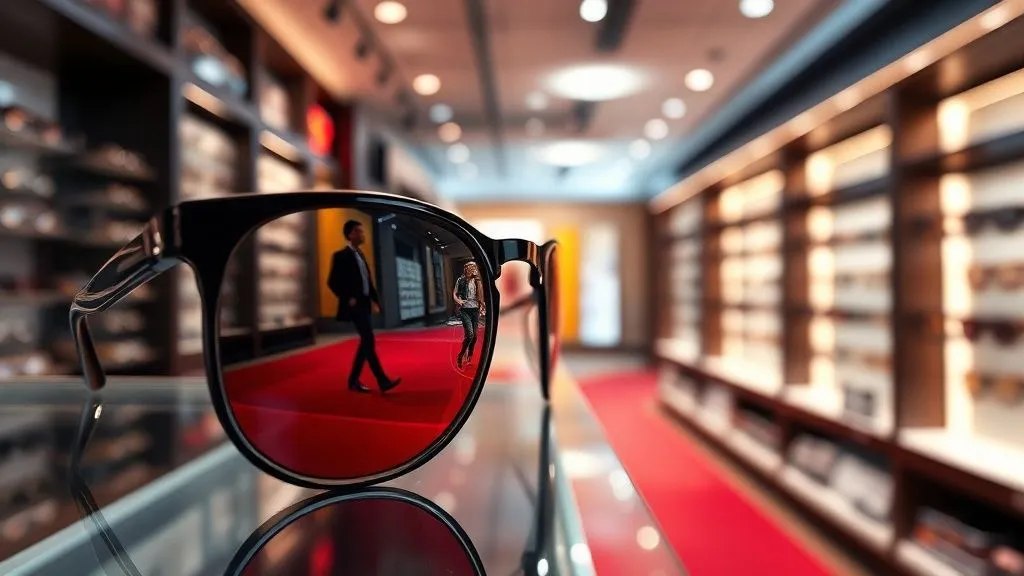
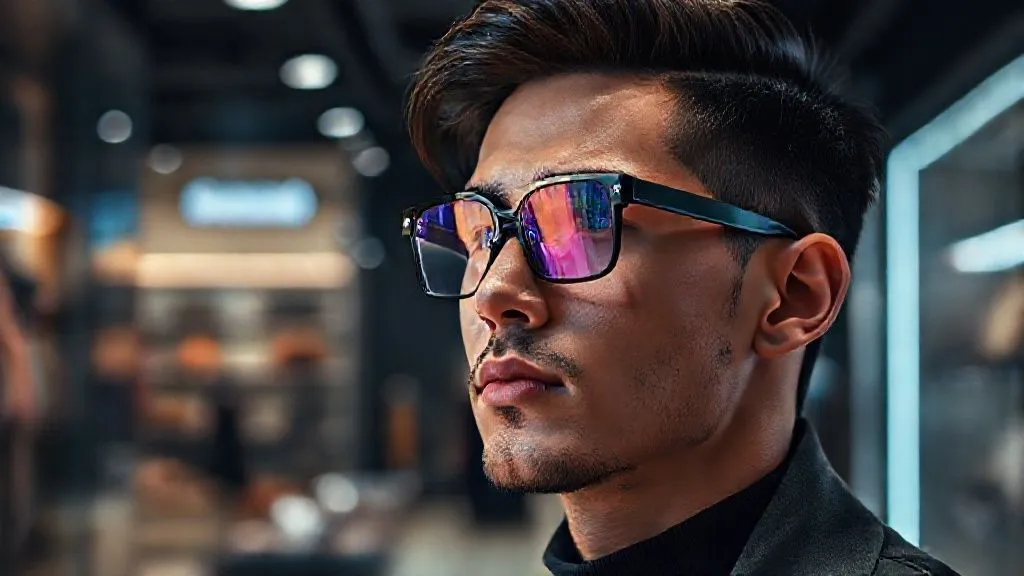
In my experience, curating eyewear for executive clients isn't merely about aesthetics; it's a profound exercise in strategic personal branding. Eyewear, often the first detail noticed on the face, functions as a powerful non-verbal cue, signaling intellect, precision, and, crucially, authority. A common mistake I see is treating eyewear as a mere accessory rather than a foundational element of an executive's visual identity. For those needing to project authority, the goal is to select frames that reinforce their presence, gravitas, and leadership capabilities without distraction."The right frame doesn't just hold lenses; it frames a leader's vision, literally and metaphorically."To truly curate for authority, we delve into the psychology of design: * **Geometric Shapes for Decisiveness:** * For the executive who needs to project unwavering resolve and sharp intellect, **rectangular, square, or strong D-shape frames** are paramount. These shapes mirror a structured, logical mind. * In my work with C-suite executives in finance and law, these angular styles consistently communicate seriousness and a no-nonsense approach. Think of a well-defined jawline mirrored in a confident frame. * **Avoid overly rounded or delicate shapes**, which can inadvertently soften the overall impression, potentially undermining the desired authoritative stance. * **Browline Frames for Thought Leadership:** * The **browline or Clubmaster style** offers a unique blend of intellectual gravitas and approachability. By emphasizing the upper rim, it draws attention to the brow, a region associated with focus and thought. * This style is particularly effective for thought leaders, academics, or creative executives who need to convey both wisdom and a certain distinguished flair. It says, "I am an expert, and I am approachable." * **Material and Finish: The Unspoken Language of Quality:** * **Thicker Acetate Frames:** Opt for substantial, rich acetates in deep, solid colors like **black, dark tortoise, deep navy, or charcoal**. These materials convey solidity, strength, and a grounded presence. A matte finish can further enhance sophistication by reducing glare and adding an understated luxury. * **Sleek Metal Frames:** For a modern, high-tech authority, **titanium or high-quality stainless steel frames** in brushed finishes are ideal. They speak of precision, efficiency, and a forward-thinking mindset. The sleekness of metal can project an image of being sharp and cutting-edge, particularly in tech or innovation sectors. * **Combination Frames:** A strategic choice can be frames that combine a strong acetate front with slender metal temples. This offers the best of both worlds: the presence of acetate with the refined detail of metal. * **Color Palette: Mastering Understated Power:** * **The Foundation:** Stick to classic, authoritative colors: **black, dark brown, deep charcoal, and deep navy**. These colors are inherently formal and command respect without being flashy. * **Strategic Nuance:** For a touch of personality without compromising authority, consider a subtle deep burgundy, forest green, or a refined, muted pattern within a dark tortoise. These are not bright statements but rather sophisticated whispers of individuality. * **Crucial Rule:** Steer clear of bright, neon, or overly translucent colors, which can detract from the gravitas and professional image. * **Fit and Proportion: The Non-Negotiable Pillar of Authority:** * An ill-fitting frame instantly undermines an executive's authority. It communicates a lack of attention to detail, which is antithetical to leadership. * **Key Fit Checks:** * The top of the frame should align with or slightly below the brow line, never above. * The frame should not extend beyond the widest part of the face. * The eyes should be centered both horizontally and vertically within the lenses. * The bridge must fit perfectly, ensuring the frame sits comfortably and securely without slipping or leaving red marks. * In my experience, even the most expensive, well-designed frame loses its impact if it doesn't fit perfectly. It's like wearing a bespoke suit that's two sizes too big. By meticulously curating these elements, we transform eyewear from a functional necessity into a powerful statement, enabling executive clients to project the unwavering authority and impact they command.
Understanding the Root of the Problem: Why Does Misaligned Eyewear & Executive Image Happen?
In my experience spanning over fifteen years in the eyewear fashion niche, a significant disconnect often emerges between an executive's professional image and their choice of eyewear. It's not typically a deliberate oversight, but rather a subtle, insidious problem rooted in several misunderstandings and systemic issues. Many high-achievers, meticulous in their sartorial choices, inexplicably falter when it comes to their frames.The primary culprit is often a fundamental misclassification: executives tend to view eyewear purely as a functional medical device rather than a strategic fashion accessory. This perspective, while understandable given its primary purpose, blinds them to its profound impact on their overall presentation. It's akin to meticulously selecting a bespoke suit but then pairing it with worn-out athletic shoes – the incongruity undermines the entire effort.
A common mistake I see is the reliance on the typical optical retail experience, which is fundamentally geared towards vision correction. The average optical salesperson, while proficient in lens technology and frame fitting for comfort, rarely possesses the expertise in image consulting or personal branding. Their focus is often on the prescription and immediate comfort, not how the frames align with an executive's leadership persona or career trajectory.
"Your eyewear is the most prominent accessory on your face, the first detail people notice after your eyes. To treat it as an afterthought is to miss a powerful opportunity to communicate authority, intelligence, and meticulous attention to detail."
Another significant factor is the underestimation of eyewear's non-verbal communication power. In high-stakes environments, every visual cue contributes to perception. A pair of ill-fitting, outdated, or inappropriately styled glasses can subtly convey a lack of attention to detail, a disregard for personal branding, or even a perceived lack of modernity, irrespective of the wearer's actual competence. It creates a subconscious dissonance that can erode trust or diminish perceived authority.
Furthermore, many executives fall prey to the false dichotomy between comfort and style. They believe that a truly comfortable pair of glasses must sacrifice aesthetic appeal, or vice-versa. Modern eyewear design, however, has advanced significantly, offering an abundance of frames that are both ergonomically superior and meticulously designed for high fashion. The issue often stems from a lack of exploration and informed guidance rather than an actual limitation in the market.
The "one pair fits all" mentality also plays a role. Just as one wouldn't wear the same tie to a casual Friday, a board meeting, and a black-tie gala, a single pair of glasses rarely serves all professional contexts optimally. Different scenarios – from virtual presentations to client meetings or public speaking engagements – call for subtly different eyewear choices that enhance, rather than detract from, the intended message.
Finally, a lack of understanding regarding facial architecture and personal color analysis contributes significantly to misalignment. Choosing frames that clash with one's face shape, skin tone, hair color, or even the dominant lines of their features can create an imbalance. This isn't merely about aesthetics; it's about harmony and visual communication. When eyewear is perfectly integrated, it enhances the face, drawing attention to the eyes and reinforcing a confident, composed demeanor.
What frame shapes convey the most authority?
In my fifteen years observing and styling executives, I've seen firsthand how a frame's silhouette can be the most potent non-verbal cue, signaling everything from intellectual rigor to decisive leadership. The right shape doesn't just complement your features; it actively projects competence and gravitas.
When we talk about conveying authority, the rectangular and square frame shapes immediately come to mind. These silhouettes inherently communicate structure, order, and a no-nonsense approach, mirroring the qualities often sought in powerful leaders.
The sharp angles and clean lines of these frames create a visual anchor, suggesting stability and a grounded presence. They are particularly effective for softening rounder face shapes, adding definition and a perception of intellectual acuity.
Another undeniably authoritative shape is the browline frame, often recognized by its bolder upper rim, reminiscent of a strong eyebrow. This design strategically draws attention upwards, emphasizing the brow—a natural focal point associated with thought and intensity.
I've observed that browline frames lend an air of classic intellectualism and seasoned experience. They subtly suggest a discerning eye and a command of one's field, making them a perennial favorite among legal professionals and academics alike.
For those seeking a more contemporary yet equally commanding presence, geometric or subtly angular frames can be incredibly impactful. These shapes, featuring precise cuts and defined edges, project a modern, forward-thinking authority.
They speak to a mind that values precision and innovation, moving beyond traditional expectations while still maintaining a sharp, professional demeanor. Think of a well-crafted octagonal or a subtly angular D-frame as an executive power statement.
It's not just the basic outline; the thickness of the frame plays a critical role in amplifying authority. Thicker, more substantial frames convey greater gravitas and a stronger presence, solidifying the visual impact of the chosen shape.
Consider it like the weight of a handshake; a firm, substantial grip leaves a more memorable impression. Similarly, a robust frame communicates confidence and an unwillingness to be overlooked, reinforcing your executive stature.
However, the most authoritative shape loses its power if the fit and proportion are incorrect. A frame that is too wide, too narrow, or disproportionate to your facial features will undermine any intended message of command and control.
A common mistake I see is executives choosing frames that are either too small, making them appear timid, or too large, which can look sloppy and distract from their message. The frame should align precisely with your temples and browline, creating a harmonious extension of your face.
The frame shape is your visual signature; it's the architectural blueprint of how others perceive your intellectual and leadership prowess before you even utter a word. Get it right, and you've already won half the battle.
To practically apply this, I advise executives to consider their face shape as the canvas. A strong, angular frame on an already angular face might be too harsh, whereas the same frame on a rounder face provides crucial definition.
Conversely, overly rounded or delicate frames, while perhaps fashionable in other contexts, rarely project the unyielding authority required in executive settings. Always prioritize shapes that add structure and a sense of purpose.
Should executive eyewear always be expensive?
In my extensive experience spanning over fifteen years in the eyewear fashion industry, the notion that executive eyewear *must* always be expensive is a common misconception I frequently encounter. While there's a clear correlation between price and certain levels of craftsmanship or material luxury, the true measure of executive eyewear lies in its **perceived value** and the **strategic impact** it delivers.To put it plainly, investing in quality is paramount, but quality doesn't always equate to the highest price tag on the market. A common mistake I see is equating a high price with guaranteed suitability for an executive image, when often, it's the **thoughtful selection** and **impeccable fit** that truly elevate a frame.
Consider this analogy: a well-tailored suit from a reputable, mid-range designer can exude far more authority and polish than an ill-fitting, off-the-rack luxury brand suit. The same principle applies to eyewear. It's about how the frame complements your facial structure, your personal brand, and the message you wish to convey.
However, it would be disingenuous to suggest that price has no bearing. Higher-priced frames often utilize superior materials like **titanium**, **high-grade acetate**, or even **natural horn**, which offer benefits beyond mere aesthetics. These materials contribute to a frame's durability, lightweight comfort, and a subtle yet undeniable sense of quality that is palpable to both the wearer and observer.
The investment in these materials often translates into a longer lifespan for your eyewear, reducing the need for frequent replacements and ultimately offering better long-term value. Furthermore, the meticulous design and hand-finishing found in premium frames contribute to a level of **sophistication and precision** that mass-produced alternatives often lack.
So, how does one navigate this without breaking the bank? My advice centers on **strategic investment** rather than blind spending. Focus on attributes that directly contribute to an executive presence:
- Material Integrity: Look for frames made from quality acetates with deep, rich colors, or lightweight metals that hold their shape. The finish should be flawless.
- Design Cohesion: Opt for classic, timeless designs that aren't overly trendy. Clean lines, subtle detailing, and balanced proportions are key.
- Impeccable Fit: This is non-negotiable. A perfectly fitted frame enhances comfort, prevents slippage, and instantly elevates your look, regardless of its cost.
- Brand Story (Optional but beneficial): While not essential, a brand with a strong heritage or commitment to craftsmanship can add another layer of perceived value.
In my practice, I've guided countless executives to discover exceptional frames that project authority without demanding a top-tier luxury budget. This often involves exploring independent eyewear brands that prioritize craftsmanship and unique design over mass-market branding, or seeking out past-season collections from high-end designers at more accessible price points.
"True executive eyewear isn't about the label's price tag; it's about the deliberate choice that communicates confidence, attention to detail, and a profound understanding of one's personal brand."
Ultimately, the question isn't "how much should I spend?" but rather, "how effectively can this eyewear elevate my professional image and support my authority?" By focusing on quality, fit, and timeless design, you can curate an executive eyewear collection that delivers significant impact, regardless of whether it carries the highest price tag.
How do I match eyewear to different executive dress codes?
Matching eyewear to executive dress codes isn't merely about aesthetics; it's a strategic alignment of your visual presentation with the expectations and gravitas of the environment. In my experience, many executives underestimate how profoundly their frames communicate their understanding of professional decorum, often before they even utter a word. It’s about leveraging your eyewear as a non-verbal cue that reinforces your authority and impact, rather than detracting from it.
The key lies in understanding the subtle nuances of each dress code and selecting frames that resonate with its underlying message. Here's a breakdown of how to approach this critical aspect of executive style:
Formal Business: Boardroom & High-Stakes Environments
When the stakes are highest – think board meetings, investor presentations, or formal industry galas – your eyewear must exude uncompromising professionalism and gravitas. This isn't the place for personal whims; it's about projecting unwavering competence and respect for tradition.
- Frame Shapes: Opt for classic, understated designs. Rectangular, subtle almond, or a very refined P3 (round) shape are ideal. For women, a discreet cat-eye that lifts the face without being overtly dramatic can also work beautifully. The goal is structure and clarity, not fashion-forward experimentation.
- Materials & Finishes: High-quality, thin acetate or sleek metals like titanium or stainless steel are paramount. Rimless or semi-rimless frames are excellent choices for a minimalist, serious aesthetic, provided they are robust and well-constructed. Avoid anything bulky or overly decorative.
- Colors: Stick to deep, solid hues. Black, dark navy, gunmetal, silver, and classic dark tortoise are your best friends. These colors blend seamlessly with formal attire, ensuring your face, not your frames, remains the focal point of communication.
- What to Avoid: Oversized frames, trendy geometric shapes, bright or patterned colors, and visible brand logos. These elements can be perceived as distracting or even frivolous in such a serious setting.
Business Professional: Everyday Corporate & Client Meetings
This is the most common executive dress code, demanding a polished, credible, and approachable look. Here, you have a little more room for personal expression than in a formal business setting, but the emphasis remains on professionalism.
- Frame Shapes: While still classic, you can explore slightly softer rectangles, almond shapes, or a refined browline frame that adds definition. A subtle upswept shape for women can introduce a touch of elegance without being distracting.
- Materials & Finishes: Quality acetate, metal alloys, or sophisticated combination frames work well. A matte finish on acetate can add a contemporary touch, while brushed metal offers a refined, understated appeal.
- Colors: Expand beyond the absolute darkest shades. Charcoal, espresso, deep burgundy, forest green, or muted navy can add depth and personality without sacrificing professionalism. A classic tortoise with warmer undertones can also be very effective.
- A Common Mistake: I often see executives trying to force their 'weekend' personality into this space with overly bold or brightly colored frames. While personal expression is valued, it must be within the bounds of corporate credibility. Your frames should enhance, not overshadow, your professional image.
Business Casual: Internal Meetings & Industry Conferences
Business casual offers a bridge between strict formality and relaxed comfort, allowing for more personality while maintaining an executive presence. Think of it as the difference between a tailored suit and a bespoke sport coat – both are professional, but one offers more individual flair.
- Frame Shapes: This is where you can start experimenting with slightly bolder interpretations of classic shapes. Softer squares, more prominent P3 styles, or even a refined aviator-inspired shape can be appropriate if it complements your facial features.
- Materials & Finishes: Thicker acetate frames, interesting textures, or even subtle wood or horn accents can be introduced. Transparent or translucent acetates in sophisticated shades can also project a modern, approachable vibe.
- Colors: Richer tortoises, deep blues, greens, or even a sophisticated plum or amber can add character. Subtle two-tone frames where the color subtly shifts can also work, provided the overall effect is harmonious and not jarring.
- The Goal: To project an image that is both competent and approachable, signaling that you are at ease in a professional, yet less rigid, environment. Your eyewear here can subtly reinforce your personal brand.
Smart Casual / Creative Professional: Tech, Marketing & Design Industries
In industries that value innovation, creativity, and a forward-thinking approach, your eyewear can become a powerful tool for personal branding. The key here is *intentionality* and *quality* – even bold choices must be impeccably made and suit you perfectly.
- Frame Shapes: Significant freedom exists. Round, oversized geometric, unique browlines, or even more angular designs can be embraced. The choice should reflect your personal aesthetic while still conveying a polished, curated look. A tech CEO, for instance, might opt for a distinctive, modern frame to signal innovation and vision.
- Materials & Finishes: Experiment with textured acetates, unique metal finishes, mixed materials, or even a striking transparent or frosted option. Sustainable materials like recycled acetate or responsibly sourced wood can also align with a progressive brand image.
- Colors: This is your opportunity for vibrant yet sophisticated hues. Jewel tones, interesting patterns, or bolder gradient colors can make a statement. The focus should be on a curated, distinctive look that enhances your unique professional identity.
- Crucial Caveat: While creative, your eyewear should never look cheap or flimsy. The quality of materials and craftsmanship must remain paramount to maintain an executive air.
Ultimately, your eyewear is a powerful extension of your executive persona. By carefully aligning your frames with the nuances of each dress code, you don't just dress the part – you embody it, signaling a profound understanding of the environments you navigate and the authority you command.
Reading Recommendations:
- Unlock the Secrets: How to Properly Care for Your Luxury Designer Glasses
- 7 Power Dress Strategies: How to Dress for Critical Presentations
- Best Comfort Shoes for Plantar Fasciitis Relief: Your Ultimate Guide
- Unlock the Secret: How to Care for Contemporary Jewelry Materials?
- Find Your Perfect Fit: Best Luxury Eyewear Brands for Oval Faces
Key Points and Final Thoughts
After more than fifteen years immersed in the world of executive styling, I can unequivocally state that your eyewear is far more than a mere accessory; it is a **strategic asset**. It acts as a powerful non-verbal cue, signaling your attention to detail, your personal brand, and ultimately, your authority and impact before you even utter a word. A common mistake I observe is treating eyewear as a purely functional item, an afterthought in the broader wardrobe strategy. This oversight can subtly, yet significantly, undermine the meticulously crafted image you present. It’s about the *intentionality* behind every choice, ensuring that your frames enhance, rather than detract from, your professional narrative. The process of curating executive eyewear is an investment in your personal brand, demanding careful consideration of fit, material, and design. Think of it as tailoring – an off-the-rack suit might cover you, but a bespoke piece transforms your presence. Similarly, the right frames, perfectly aligned with your facial architecture and professional context, can elevate your gravitas. In my experience, the subtle shifts often yield the most profound results. I recall a CEO who, despite her formidable intellect, struggled with being perceived as approachable yet decisive. A transition from minimalist, almost invisible frames to a more structured, dark acetate design immediately garnered feedback from her board about her increased presence and gravitas in high-stakes meetings. It was a minor adjustment with a major impact on perception. Ultimately, your eyewear should not just complement your face; it should amplify your leadership qualities. It’s about projecting confidence, competence, and a keen understanding of your own brand. This isn't a one-time selection but an evolving aspect of your professional identity, requiring periodic review to ensure it continues to align with your career trajectory and personal growth.Your eyewear is the punctuation mark on your professional statement. Ensure it's bold, clear, and perfectly placed to leave an indelible mark.



Your email address will not be published. Required fields are marked *