

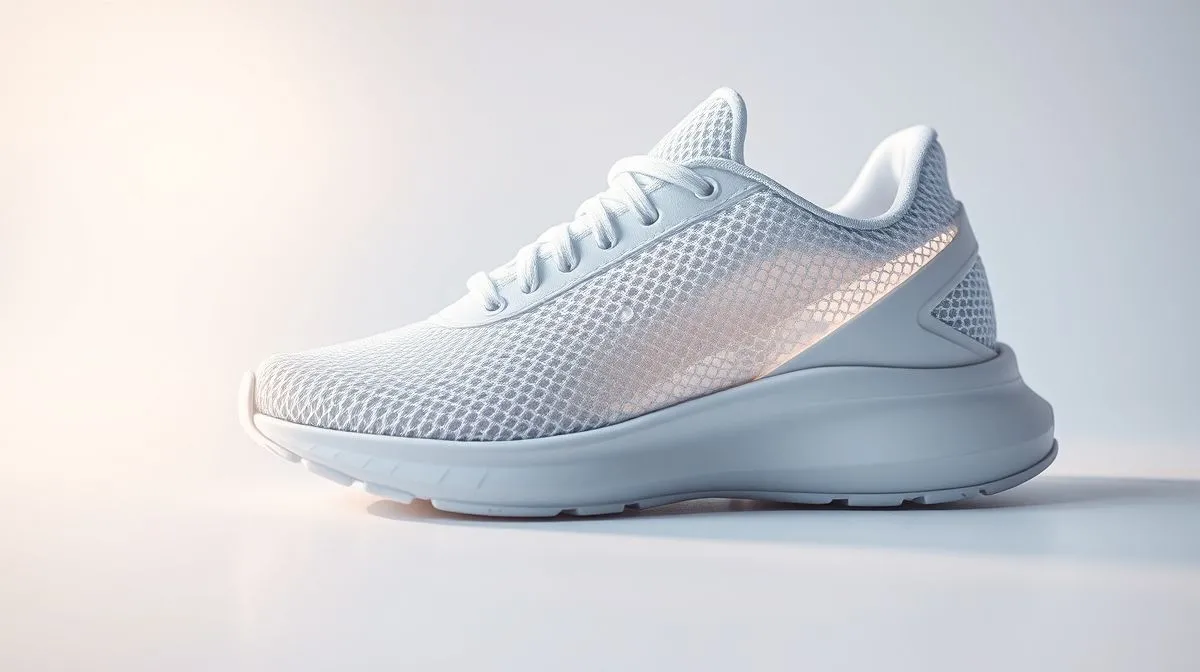
How to Properly Clean White Mesh Athletic Shoes: Your Ultimate Guide
Have you ever experienced that fleeting joy of unboxing a pair of pristine white mesh athletic shoes, only to watch them succumb to the inevitable onslaught of dirt, grime, and the dreaded yellowing? It's a common dilemma for sneaker enthusiasts and casual wearers alike. White mesh, while incredibly breathable and stylish, seems to possess an uncanny ability to attract every speck of dust and stain in its path, transforming your crisp footwear into a canvas of smudges and discoloration.
The problem isn't just aesthetic; neglected shoes can harbor bacteria, develop unpleasant odors, and even degrade faster. Many attempts at cleaning often lead to more frustration than success, with harsh chemicals damaging the delicate mesh or improper drying techniques leaving unsightly watermarks. The fear of ruining your favorite pair often leads to them being relegated to the back of the closet, a sad testament to their once brilliant glory.
But what if there was a definitive, expert-backed method to restore your white mesh athletic shoes to their former glory, safely and effectively? This comprehensive guide will equip you with the knowledge, tools, and step-by-step instructions to not only clean but also maintain your white mesh sneakers, ensuring they stay fresh, vibrant, and ready for your next adventure. You’re about to unlock the secrets to pristine footwear.
Understanding Your White Mesh Shoes: A Foundation for Care
What is Mesh and Why Does it Get Dirty So Easily?
Mesh is a fabric characterized by its net-like structure, featuring open spaces between the threads. In athletic shoes, it's typically made from synthetic materials like polyester or nylon, chosen for its lightweight, breathable, and flexible properties. This construction allows for excellent airflow, keeping your feet cool during workouts. However, this very open structure is also its Achilles' heel when it comes to cleanliness.
The tiny pores and woven patterns of mesh act like microscopic traps, readily collecting dirt, dust, mud, and even tiny particles of grit. Liquids, especially those containing dyes or pigments, can quickly seep into the fibers. Unlike smooth leather or synthetic uppers that can be wiped clean, mesh absorbs and holds onto contaminants, making it particularly challenging to restore its original white luster. Understanding this inherent characteristic is the first step towards effective cleaning.
Common Enemies of White Mesh: Dirt, Stains, and Odor
Your white mesh athletic shoes face a daily battle against various adversaries. Dirt and mud are the most obvious culprits, clinging to the fabric and dulling its brilliance. Then there are the more insidious stains: grass stains, oil and grease splatters, coffee spills, and the dreaded yellowing that often occurs from oxidation or improper cleaning agents.
Beyond visible grime, odor is another significant issue. Athletic shoes are a breeding ground for bacteria due to sweat and moisture. These microorganisms feed on organic matter, producing the unpleasant smells associated with well-worn sneakers. A truly clean shoe isn't just visually appealing; it's also fresh-smelling and hygienic. Addressing all three of these 'enemies' is crucial for comprehensive shoe care.
Essential Tools and Cleaning Solutions
Must-Have Cleaning Supplies
Before you embark on your cleaning mission, gather your arsenal. You'll need a few key items to ensure a thorough and safe clean. These include a soft-bristled brush (an old toothbrush works wonders for intricate areas), a microfiber cloth, a few small bowls, and paper towels. For drying, a clean, dry towel and some crumpled paper are indispensable.
Consider investing in a dedicated shoe cleaning brush kit, as these often come with brushes of varying stiffness suitable for different parts of the shoe. Having the right tools prevents damage and ensures every nook and cranny is addressed, making the process more efficient and effective.
DIY vs. Commercial Cleaners
When it comes to cleaning solutions, you have options. For a DIY approach, a simple mixture of mild dish soap (like Dawn) and warm water is often highly effective. For tougher stains, a paste made from baking soda and a small amount of hydrogen peroxide or white vinegar can work wonders. This combination creates a gentle abrasive that helps lift embedded dirt without damaging the mesh.
Alternatively, many excellent commercial shoe cleaning kits are available. Brands like Jason Markk, Reshoevn8r, or Sneaker LAB offer specialized solutions designed specifically for various shoe materials, including mesh. These often contain unique formulations that are tough on stains but gentle on fabric. While DIY solutions are cost-effective, commercial cleaners can offer convenience and sometimes superior results for very stubborn issues. According to expert sneaker restorers, consistency in cleaning is more important than the specific brand, though quality products certainly help.
The Magic of Microfiber
A good quality microfiber cloth is a non-negotiable item in your cleaning kit. Its ultra-fine fibers are excellent at trapping dirt and moisture, making it ideal for gently wiping down mesh surfaces without leaving lint or streaks. Unlike regular cotton towels, microfiber is highly absorbent and non-abrasive, which is crucial for the delicate weave of mesh. Use it for initial wiping, applying solutions, and especially for blotting dry after rinsing. Its gentle touch ensures your white mesh remains intact and undamaged.
The Step-by-Step Cleaning Process for Pristine White Mesh
Pre-Cleaning Prep: Removing Laces and Loose Dirt
The first rule of cleaning white mesh athletic shoes is preparation. Begin by removing the laces and insoles from your shoes. Wash the laces separately by hand with a little dish soap and warm water, or place them in a mesh laundry bag and toss them in the washing machine with a load of whites. For insoles, a gentle scrub with soap and water, followed by air drying, is usually sufficient.
Next, take your shoes outside or over a trash can and gently clap the soles together to dislodge any loose dirt, mud, or debris. Use a dry, soft-bristled brush or an old toothbrush to carefully brush off any remaining dry dirt from the mesh upper and soles. This initial removal of loose particles prevents them from turning into muddy smears once you introduce water.
Spot Treatment: Tackling Stubborn Stains
For specific, stubborn stains, a targeted approach is best. Create a paste using a tablespoon of baking soda and a few drops of hydrogen peroxide (just enough to form a thick paste). Apply this paste directly to the stained area on the mesh. Gently rub the paste into the stain with a soft-bristled brush, working in small circular motions. Let the paste sit on the stain for 10-15 minutes to allow it to lift the embedded dirt.
For oil or grease stains, a small amount of pure rubbing alcohol on a cotton ball can be dabbed onto the stain before applying the baking soda paste. Always test any cleaning solution on an inconspicuous area first to ensure it doesn't cause discoloration or damage. Patience and gentle persistence are key here; aggressive scrubbing can push the stain deeper or damage the mesh fibers.
Gentle Washing Techniques: Hand vs. Machine (with caveats)
While some sources suggest machine washing, hand washing is overwhelmingly the safest and most effective method for how to properly clean white mesh athletic shoes, especially if you want to preserve their integrity and shape. Fill a basin or sink with cool to lukewarm water and add a few drops of mild dish soap. Dip your soft-bristled brush into the soapy water and gently scrub the entire mesh upper, working in small sections.
Focus on the dirtiest areas, but avoid saturating the shoe completely. Be mindful of the glue lines and seams, as excessive water can weaken adhesives. For the soles, use a stiffer brush and more pressure to remove embedded dirt and grime. Rinse your brush frequently to avoid spreading dirt. If opting for machine washing, place shoes in a mesh laundry bag, use cold water on a delicate cycle, and add a few towels to balance the load. Crucially, never use hot water or a spin cycle, as these can warp the shoe or damage the mesh. For more details on sneaker care, consider consulting general guidelines from reputable sources like Wikipedia's page on Sneakers.
Rinsing and Drying: The Crucial Final Steps
After scrubbing, it's time to rinse. Use a clean microfiber cloth dampened with clean water to wipe away all soap residue from the mesh. You can also hold the shoe under a very gentle stream of cool water, but be careful not to soak the inside. Ensure all soap is removed, as residue can attract more dirt or lead to yellowing over time.
Drying is perhaps the most critical step in preventing yellowing and maintaining shoe shape. NEVER put white mesh athletic shoes in a dryer, as the heat will almost certainly cause yellowing, warp the material, and melt adhesives. Instead, stuff the shoes with white paper towels (avoid newspaper, as the ink can transfer and stain) or a shoe tree to help them retain their shape. Place the shoes in a well-ventilated area away from direct sunlight or heat sources. An indoor fan can accelerate the drying process. Allow them to air dry completely, which can take 24-48 hours. Patience here is paramount for a perfect finish.
Advanced Tips for Maintaining Brilliance
Preventing Yellowing: The Sun and Bleach Myth
One of the most frustrating aspects of white shoes is the tendency for them to yellow. Contrary to popular belief, direct sunlight is not the best way to dry white shoes; in fact, prolonged exposure can exacerbate yellowing due to UV radiation. Similarly, bleach, while seemingly a logical choice for white fabrics, is often too harsh for synthetic mesh and can actually cause permanent yellowing by breaking down the fibers or reacting with glues. Instead, use the baking soda and hydrogen peroxide paste for yellowing prevention and treatment. For persistent yellowing, some specialized 'de-yellowing' solutions are available from sneaker care brands, often containing optical brighteners.
Odor Elimination Strategies
Even the cleanest shoes can harbor odors. To combat this, sprinkle a generous amount of baking soda inside the shoes and let it sit overnight. Baking soda is a natural deodorizer that absorbs moisture and neutralizes odors. For a more intensive treatment, you can use activated charcoal inserts or specialized shoe deodorizers. Regularly airing out your shoes after each wear, rather than immediately stuffing them back into a dark closet, also significantly helps in preventing odor buildup. For health-related aspects of foot care and shoe hygiene, resources like the CDC's information on Athlete's Foot can provide context on why preventing moisture and bacteria is important.
Protective Sprays: A Shield Against Dirt
Once your white mesh shoes are sparkling clean and completely dry, consider applying a shoe protector spray. These sprays create an invisible, water-repellent barrier on the surface of the mesh, making it more resistant to water, stains, and dirt. Look for sprays specifically designed for fabric or sneakers, and ensure they are suitable for mesh. Brands like Crep Protect or Scotchgard Water & Shield are popular choices. Apply the spray evenly according to the product instructions, usually from a distance of about 6-8 inches, and allow it to dry completely before wearing. This proactive step can significantly reduce the frequency and intensity of future cleanings.
Common Mistakes to Avoid When Cleaning White Mesh Shoes
The Dangers of Harsh Chemicals
A common mistake is resorting to harsh chemicals like bleach, abrasive household cleaners, or strong detergents. While these might seem effective on other surfaces, they can severely damage delicate mesh fibers, cause irreversible yellowing, or weaken the adhesive that holds your shoe together. Stick to mild soaps, baking soda, and specialized shoe cleaners. Remember, gentle is always better than aggressive when dealing with synthetic mesh.
Improper Drying Techniques
As mentioned, using a clothes dryer is a big no-no. The high heat can not only warp the shoe's shape and melt glues but is also a primary cause of yellowing in white mesh. Similarly, drying in direct sunlight can also lead to discoloration. Always opt for air drying in a cool, well-ventilated area, stuffed with white paper towels to maintain shape and absorb excess moisture. This patient approach is crucial for a lasting clean.
Over-Washing and Material Damage
While it's tempting to keep white shoes pristine, over-washing can also lead to premature wear and tear. Constant scrubbing and wetting can degrade the mesh fibers, weaken stitching, and reduce the overall lifespan of your athletic shoes. Aim for cleaning only when necessary, focusing on spot treatments for minor blemishes and a full wash for more significant dirt. Regular preventative measures, like protective sprays and immediate wiping of fresh stains, can reduce the need for frequent deep cleaning.
Beyond Cleaning: Long-Term Care and Storage
Regular Maintenance Habits
The key to keeping your white mesh athletic shoes looking new isn't just about deep cleaning; it's about consistent, small efforts. After each wear, take a moment to wipe down your shoes with a damp cloth to remove surface dirt. If you notice a fresh stain, address it immediately – the longer a stain sits, the harder it is to remove. Keeping a small cleaning kit handy for quick touch-ups can make a huge difference in the long run. Brushing off loose dirt after every run or walk prevents it from embedding deep within the mesh fibers.
Consider dedicating a specific pair of white mesh shoes for activities where they are less likely to get heavily soiled, reserving other pairs for more rigorous conditions. This simple rotation strategy can significantly extend the life and pristine appearance of your favorite white sneakers.
Proper Storage for Longevity
How you store your white mesh shoes when not in use also plays a vital role in their longevity and appearance. Store them in a cool, dry place away from direct sunlight, which can cause yellowing and material degradation. Avoid storing them in plastic bags or airtight containers, as this can trap moisture and encourage mold or mildew growth and odor. Instead, use breathable shoe bags or simply place them on a shoe rack.
For long-term storage, stuffing them with acid-free tissue paper or shoe trees helps maintain their shape and prevents creasing. Keeping them in their original box, if it's breathable, can also offer protection from dust. By being mindful of these storage practices, you ensure your white mesh athletic shoes remain fresh and ready for their next outing.
Frequently Asked Questions (FAQ)
Can I put my white mesh shoes in the washing machine? While possible, hand washing is strongly recommended. If machine washing, use a mesh laundry bag, cold water, a delicate cycle, and never use a dryer.
How do I remove yellow stains from white mesh? Avoid bleach. Create a paste of baking soda and hydrogen peroxide, apply to the yellowed area, gently scrub, let sit, then rinse and air dry. Repeat if necessary.
What's the best way to dry mesh shoes? Always air dry. Stuff shoes with white paper towels to absorb moisture and maintain shape. Place them in a well-ventilated area away from direct heat or sunlight for 24-48 hours.
Can I use bleach on white mesh shoes? No, bleach is too harsh for synthetic mesh and can cause permanent yellowing, damage fibers, and weaken adhesives. Stick to gentler cleaning agents.
How often should I clean my mesh athletic shoes? It depends on usage. For daily wear, a quick wipe-down after each use is good. Deep clean as needed, typically every few weeks or once a month, or when visibly dirty. Prevention is key to reducing deep cleaning frequency.
Recommended Reading
- Clean Vintage Beaded Purses Safely: The Ultimate Care Guide
- Apple Picking Perfection: Best Fall Accessories for Your Outfit
- Menswear Style Tips for Short Men: Look Taller Instantly!
- Petite Perfection: Your Guide to Classic Wardrobe Essentials
- The Ultimate Men's Capsule Wardrobe for Travel: Pack Light & Right!
Conclusion
Mastering how to properly clean white mesh athletic shoes is not just about aesthetics; it's about preserving your investment, maintaining hygiene, and extending the life of your favorite footwear. By understanding the unique properties of mesh, utilizing the right tools and gentle cleaning solutions, and diligently following a precise step-by-step process, you can confidently tackle dirt, stains, and odors. Remember, patience in drying and consistent preventative care are just as crucial as the cleaning itself. Embrace these expert techniques, and your white mesh sneakers will remain a testament to pristine style, ready to take on whatever the world throws at them.



Your email address will not be published. Required fields are marked *