

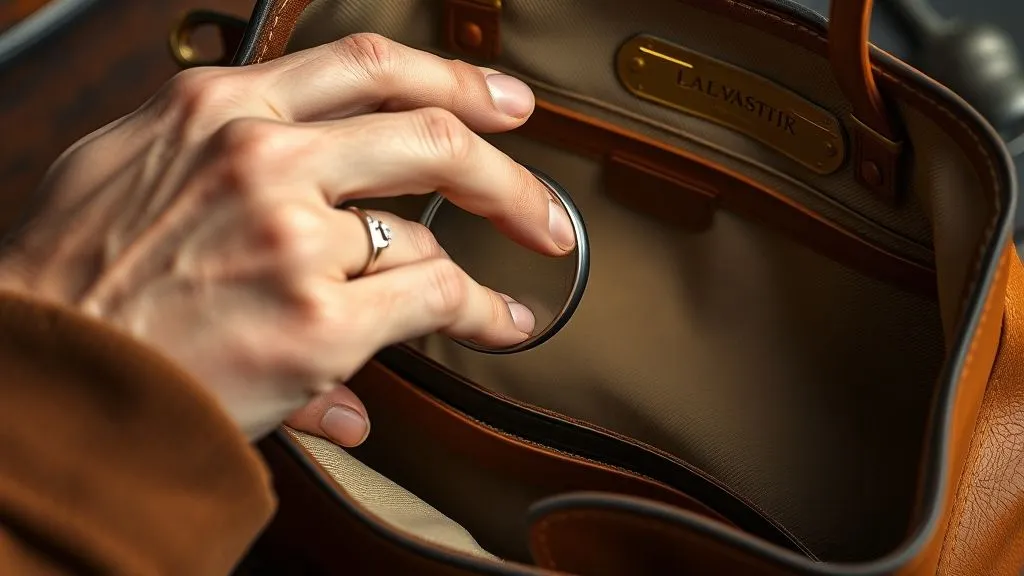
How to Quickly Authenticate and Value Rare Vintage Designer Finds?
For over two decades in the vibrant world of vintage fashion, I've had the distinct pleasure – and occasional heartbreak – of encountering countless treasures. From forgotten couture gowns to iconic handbags, the thrill of discovering a truly rare vintage designer find is unparalleled. But with that thrill comes a critical challenge: discerning authenticity from artifice, and accurately assessing an item's true market value.
The vintage market, while exhilarating, is also a minefield of sophisticated fakes and inflated claims. Many enthusiasts, even seasoned collectors, struggle with the nuances of brand hallmarks, material evolution, and the subtle tells that differentiate a genuine masterpiece from a clever replica. The pain of investing in a 'grail piece' only to discover it's a counterfeit, or selling a rare item for far less than its worth, is a mistake I've seen countless times.
That's why I've distilled my years of experience into this definitive guide. My goal is to equip you with a robust, actionable framework to quickly authenticate and value rare vintage designer finds, empowering you to navigate this complex landscape with confidence. We'll move beyond superficial inspection, diving into the expert insights and practical steps necessary to identify genuine quality and understand true market value.
The Foundation: Why Authentication Matters More Than Ever
In the early days of vintage collecting, fakes were often crude and easily spotted. Today, however, the landscape has dramatically shifted. Sophisticated counterfeiters employ advanced techniques, replicating everything from stitching patterns to serial numbers with alarming precision. This makes the art of authentication not just a skill, but a crucial defense against financial loss and the erosion of trust within the vintage community.
The economic implications of counterfeit goods are vast, impacting not only individual buyers and sellers but also the legitimate brands themselves. When fakes proliferate, they devalue genuine items and undermine the integrity of the secondary market. As a collector or reseller, your reputation, and indeed your investment, hinges on your ability to confidently verify the authenticity of your finds.
"In the vintage market, trust is the ultimate currency. Without robust authentication, the entire ecosystem falters, leaving both buyers and sellers vulnerable to deception."
Step 1: The Initial Visual Scan – Beyond the Obvious
The journey to authenticate and value rare vintage designer finds always begins with a thorough visual inspection. This isn't just about looking for flaws; it's about understanding the item's life story and its inherent quality.
Examining Overall Condition & Patina
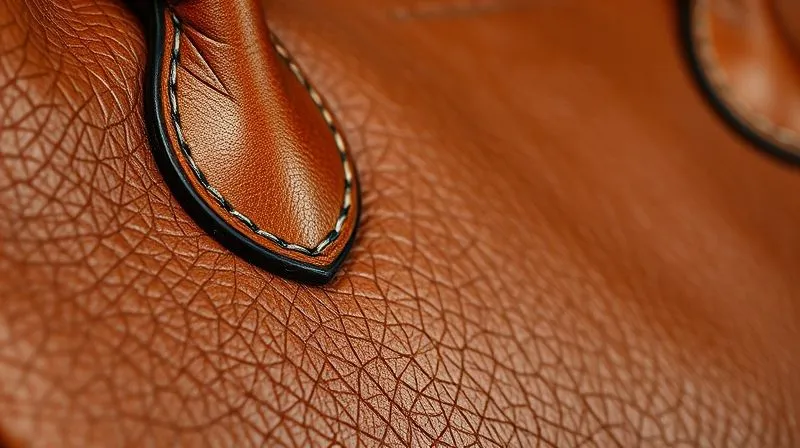
Start with a holistic view. What is the item's overall condition? Look for signs of appropriate aging, known as patina, which is a hallmark of genuine vintage pieces, especially leather goods. True patina develops evenly over time, often showing subtle darkening, softening, or a gentle sheen. Distinguish this from artificial distressing or damage.
- Surface Wear: Assess scuffs, scratches, and fading. Are they consistent with the item's age and use, or do they look forced?
- Structural Integrity: Check seams, corners, and stress points. Are they intact? Is there any tearing or significant weakness?
- Odor: A genuine vintage item often carries a faint, pleasant 'vintage' scent – never a strong chemical smell, which can indicate poor storage or materials.
Material Quality & Craftsmanship
Luxury brands are defined by their commitment to superior materials and meticulous craftsmanship. This is where many fakes fall short.
- Assess the Fabric/Leather: For leather, feel for suppleness, grain, and weight. Genuine leather has an irregular, natural texture and a distinct smell. For fabrics like silk or wool, feel the drape, density, and weave. Are they luxurious and robust?
- Inspect Stitching: High-end designer items feature incredibly precise, even, and strong stitching. Look for consistent stitch length, absence of loose threads, and perfectly straight lines. Handmade items might have slight variations, but they will still be deliberate and strong.
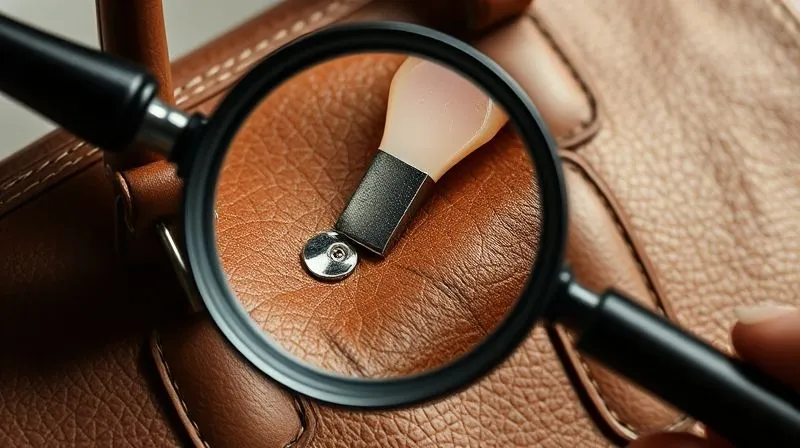
- Examine Hardware: Original hardware (zippers, clasps, buckles) should feel substantial, heavy, and of high quality. It typically shows appropriate wear for its age but should not be tarnished, chipped, or flimsy. Look for specific brand engravings or markings on the hardware itself.
Step 2: Diving Deep into Brand Signatures & Hallmarks
This is where the detective work truly begins. Every reputable designer brand has unique identifiers that evolve over time. Knowing these specifics is paramount to quickly authenticate and value rare vintage designer finds.
Logos, Monograms, and Serial Numbers
Designer logos and monograms are often the first things counterfeiters attempt to replicate, but they rarely get it perfectly right. Study authentic examples of the brand's logo from the specific era your item purports to be from. Look for:
- Font and Spacing: Are the letters and symbols exactly as they should be? Is the spacing between them consistent?
- Placement: Is the logo in the correct location on the item, and is it aligned perfectly?
- Serial Numbers/Date Codes: Many brands, like Chanel and Louis Vuitton, use serial numbers or date codes. Research the brand's specific coding system for the relevant period. Fakes often have incorrect fonts, inconsistent spacing, or codes that don't match the item's style or production year. You can often cross-reference these with brand-specific guides or reputable authentication databases. For an in-depth look at Louis Vuitton's date codes, you can consult resources like Authenticate First's guide.
Hardware, Zippers, and Fastenings
The devil is often in the details, and hardware is a prime example. Luxury brands typically use bespoke hardware, often stamped with their name or unique symbols. Familiarize yourself with the specific zipper brands (e.g., Lampo, Riri, Eclair for older pieces) and clasp designs used by your target designer during different eras.
| Feature | Authentic Vintage Designer | Counterfeit |
|---|---|---|
| Zipper Pull Weight | Solid, heavy, often engraved with brand name | Light, flimsy, generic or poorly engraved |
| Clasp Mechanism | Smooth, secure, precise click/closure | Stiff, loose, often misaligned, cheap sound |
| Screw Type | Specific screw heads (e.g., flathead, custom) | Generic Phillips head or cheap rivets |
| Hardware Finish | Even, durable plating or solid metal | Uneven, easily scratched, prone to chipping |
Interior Linings and Labels
The inside of a designer item is just as important as the outside. Linings should be made of high-quality materials, stitched impeccably, and often feature subtle brand patterns or colors. Labels are particularly telling:
- Material Tags: Check for proper language, font, and placement. Are care instructions consistent with the brand's standards?
- Brand Labels: Examine the font, stitching, and attachment method. Some brands hand-stitch their labels, while others use specific machine stitches.
- Hidden Pockets/Compartments: Fakes often neglect the intricate details of interior construction.
Case Study: The Tale of Two Chanel Bags
I once encountered a client with two seemingly identical Chanel Classic Flap bags. Both looked beautiful, but one felt subtly 'off'. Upon closer inspection, the alleged fake had a serial sticker with a correct-looking 7-digit code, but the font was slightly too thin, and the sticker itself lacked the subtle holographic shimmer of a genuine one from that era. More critically, the interior leather lining of the fake was glued, not stitched, at the edges of the pockets – a detail no authentic Chanel bag would ever display. This minor structural difference, invisible to the untrained eye, was a definitive red flag, saving the client from a significant financial loss. This demonstrates the critical importance of knowing the brand's construction minutiae.
Step 3: The Power of Provenance and Documentation
Beyond the physical item itself, the story behind it can be a powerful authentication tool. Provenance, or the documented history of ownership, adds immense credibility.
Understanding Provenance: A Chain of Custody
Provenance establishes a clear lineage for an item, linking it back to its original purchase or a known collector. While not always available for every vintage find, especially older pieces, its presence significantly boosts confidence in authenticity and often, value. A clear chain of ownership from a reputable source can be as valuable as a brand hallmark.
Receipts, Authenticity Cards, and Dust Bags
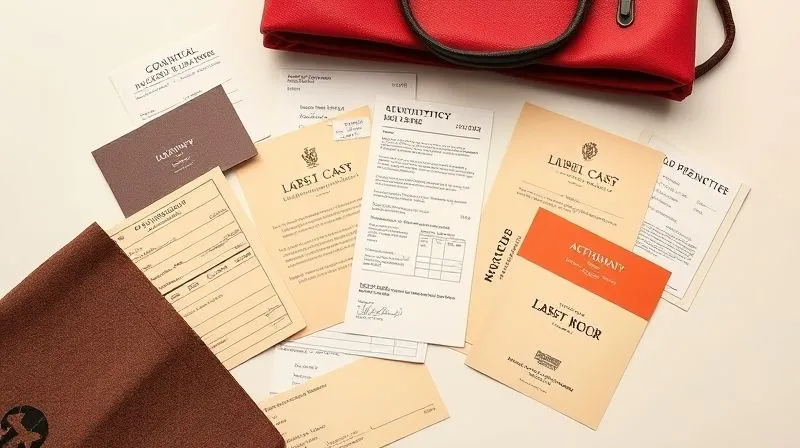
While these documents can be faked, they offer additional layers of verification when present and verified. Always inspect them with the same scrutiny you apply to the item itself:
- Original Receipts: Look for consistent fonts, detailed item descriptions, store information, and transaction dates that align with the item's age.
- Authenticity Cards: Many luxury brands issue cards with serial numbers. Compare the card's font, material, and serial number against known authentic examples and the item's own code.
- Dust Bags/Boxes: Even packaging can offer clues. Authentic dust bags are made of high-quality materials, often with specific branding and stitching. Fakes often use cheap, flimsy materials and incorrect logos.
Step 4: Leveraging Expert Resources and Community Knowledge
Even the most experienced collectors can benefit from external verification, especially for high-value or particularly tricky pieces. Don't be afraid to seek second opinions.
Professional Appraisers and Authentication Services
For truly rare or high-value vintage designer finds, investing in professional authentication is a wise decision. Services like Entrupy or Real Authentication use advanced technology and expert human review to verify items. They can provide certificates of authenticity, which are invaluable for both selling and insurance purposes.
- Research Reputable Services: Look for services with strong track records, positive reviews, and transparent methodologies. Companies like Entrupy leverage AI and microscopy for high-accuracy authentication.
- Understand Their Process: Most services require clear, detailed photographs from specific angles, and some may require the physical item.
- Consider the Cost vs. Value: While there's a fee, the peace of mind and enhanced resale value often outweigh the expense.
Online Forums and Vintage Communities
The collective knowledge of online vintage fashion communities can be incredibly helpful. Platforms like PurseForum or dedicated Facebook groups often have seasoned members who can offer preliminary opinions or point you to specific resources. Remember, however, that opinions from unverified sources should always be treated as guidance, not definitive authentication.
"Collaboration and shared knowledge are cornerstones of the vintage community. Leverage these resources, but always cross-reference and seek professional verification for significant investments."
Step 5: Valuing Your Rare Vintage Designer Find – The Art and Science
Once you're confident in your item's authenticity, the next challenge is accurately assessing its market value. This is a dynamic process influenced by numerous factors.
Condition, Rarity, and Desirability
These three pillars form the core of vintage valuation:
- Condition: A mint or near-mint condition item will always command a premium. Minor wear is acceptable for vintage, but significant damage (tears, heavy staining, missing components) will drastically reduce value.
- Rarity: Is the item a limited edition? Was it produced for a short period? Is it a particularly hard-to-find color or material? Scarcity drives up demand and price.
- Desirability: Is the item currently 'in fashion' or highly sought after by collectors? Is it an iconic piece from a celebrated collection or a runway look? Cultural relevance and current trends play a significant role.
Market Research: Auction Results & Resale Platforms
The most reliable way to gauge value is through thorough market research. Don't rely on asking prices; focus on *sold* prices.
- Auction House Archives: Sites like Christie's, Sotheby's, or Heritage Auctions provide extensive archives of past sales, often with detailed descriptions and realized prices. This is particularly useful for truly rare and high-end pieces.
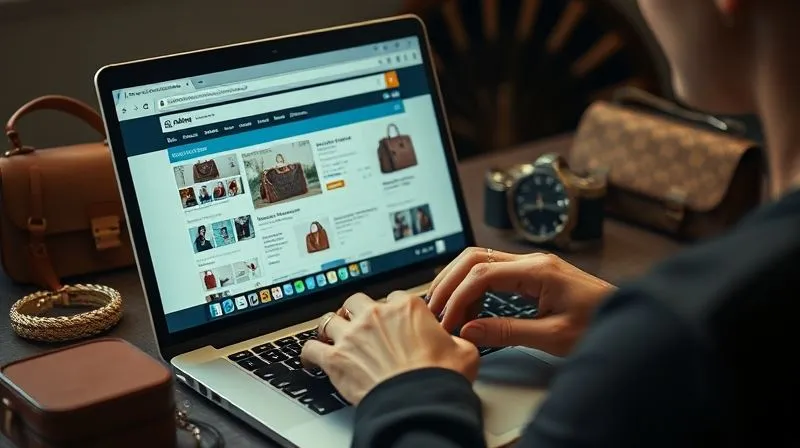
- Reputable Resale Platforms: Platforms like The RealReal, Vestiaire Collective, or Fashionphile offer insights into current market trends and what similar authenticated items are selling for. Filter by 'sold' listings whenever possible.
- Specialized Vintage Boutiques: Observe pricing in high-end vintage stores, both online and brick-and-mortar, for similar items.
Understanding Market Trends and Hype Cycles
The vintage market is not static; it's influenced by fashion cycles, celebrity endorsements, and even social media trends. A piece considered undesirable a few years ago might suddenly surge in popularity, driving its value sky-high.
- Follow Fashion News: Pay attention to runway shows, fashion magazines, and industry publications. When designers reference past collections, the original vintage pieces often see a spike in demand.
- Track Social Media: Influencers and celebrities showcasing vintage pieces can dramatically increase their desirability.
- Historical Significance: Items tied to significant cultural moments or iconic figures often retain or increase their value regardless of current trends.
Advanced Techniques for the Savvy Collector
For those looking to deepen their authentication skills, a few advanced techniques can provide invaluable insights.
Forensic Analysis: UV Light and Microscopy
While typically used by professional authenticators, understanding these methods can enhance your own inspection process. UV light can reveal hidden watermarks, security threads in authenticity cards, or differences in material composition that are invisible to the naked eye. Microscopy, using a jeweler's loupe or a small digital microscope, allows for extreme close-up examination of stitching, material fibers, and micro-engravings that are too small to see otherwise. This level of detail can expose flaws in even the most sophisticated fakes.
Understanding Patina vs. Damage
I cannot stress this enough: recognize the difference between a beautiful, natural patina and actual damage. Patina enhances character and tells a story; damage detracts from value. For example, a vintage Louis Vuitton trunk with a rich, dark honey patina on its vachetta leather is highly desirable. However, deep scratches, cracks, or significant water stains are damage. Learning to discern these nuances comes with experience, but it’s a critical skill for accurate valuation.
Frequently Asked Questions (FAQ)
How much does professional authentication typically cost? The cost varies significantly based on the item's brand, type, and the authentication service used. For a handbag, prices can range from $25 to $150 or more. High-value couture or rare jewelry could be considerably higher. It's an investment, especially for items you plan to resell or those of significant personal value.
Can I authenticate items that don't have serial numbers or date codes? Absolutely. Many older vintage pieces, especially pre-1980s, may not have serial numbers. In these cases, you must rely heavily on material quality, craftsmanship, specific hardware details, brand signature evolution, and provenance. This is where a deep knowledge of the brand's history and manufacturing practices from that era becomes crucial.
What are the riskiest brands for fakes in the vintage market? Brands with high demand and strong brand recognition are most frequently targeted by counterfeiters. Louis Vuitton, Chanel, Hermes, Gucci, and Dior are consistently among the riskiest. Their iconic designs and high resale values make them attractive targets, so always exercise extreme caution and thorough verification when dealing with these brands.
How quickly do vintage values change, and how can I stay updated? Vintage values can fluctuate, sometimes quite rapidly, influenced by current fashion trends, celebrity endorsements, and even historical events. To stay updated, regularly monitor reputable auction house results, track 'sold' listings on high-end resale platforms, follow vintage fashion news outlets, and engage with expert communities. Subscribing to newsletters from top vintage dealers can also provide valuable insights.
Is it always worth authenticating lower-value vintage items? For items with minimal resale value, professional authentication might not be economically viable. However, even for lower-value pieces, the process of attempting to authenticate them yourself is an invaluable learning experience. It hones your eye for detail and builds your expertise, which will serve you well when you encounter higher-value finds. For personal enjoyment, if the cost of authentication exceeds the item's perceived value or your budget, you might choose to forgo it, but be aware of the risks.
Key Takeaways and Final Thoughts
Navigating the vintage designer market requires a blend of passion, patience, and meticulous attention to detail. The ability to quickly authenticate and value rare vintage designer finds is not an innate talent but a skill honed through practice, research, and a deep respect for the craft behind these beautiful pieces.
- Develop a Keen Eye: Train yourself to spot the nuances of quality craftsmanship and material integrity.
- Master Brand Specifics: Research the unique hallmarks, serial codes, and manufacturing details of your target brands across different eras.
- Leverage Provenance: Always seek out documented history when available, as it provides invaluable trust.
- Utilize Expert Resources: Don't hesitate to engage professional authenticators for high-value items or when in doubt.
- Become a Market Analyst: Continuously research sold prices and understand the factors driving desirability and rarity.
The journey of a vintage collector is one of continuous learning and discovery. By embracing these expert strategies, you're not just buying or selling; you're becoming a steward of fashion history, protecting its integrity, and ensuring these exquisite pieces continue to be cherished for generations to come. Happy hunting, and may your next find be both authentic and invaluable!
Recommended Reading
- Green Fashion Growth: Scale Ethically, Preserve Your Values
- Unlock the Secret: How to Prevent Platinum Jewelry from Scratching Easily
- Slash Casual Womenswear Returns: 7 Fit Fixes to Boost Profit
- 7 Pro Strategies: Navigating Unrealistic Bridal Beauty Client Expectations
- Differentiate Rustic Bridal Gowns: 7 Proven Strategies for a Saturated Market

Your email address will not be published. Required fields are marked *