

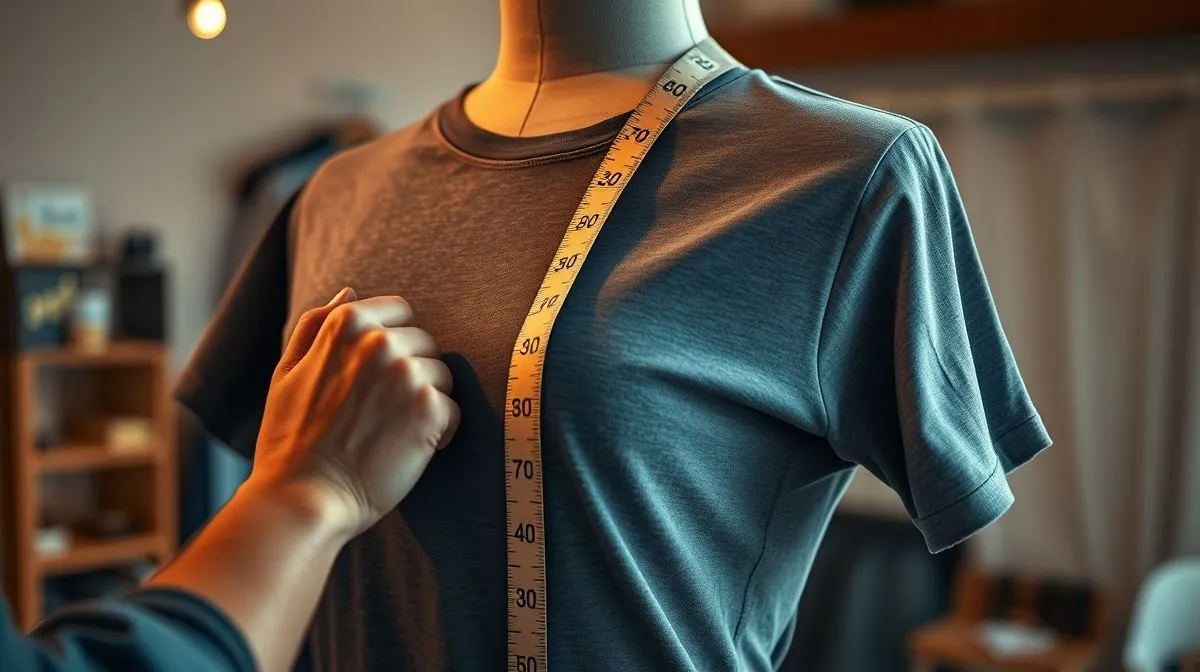
Solving high return rates for casual womenswear due to fit?
For over two decades in the womenswear industry, I've witnessed countless brands, from fledgling startups to established giants, grapple with a silent, insidious drain on their profitability: high return rates. It’s a challenge that keeps founders and CEOs awake at night, eroding margins and casting a shadow over even the most successful marketing campaigns.
Specifically, the casual womenswear segment faces a unique and often underestimated culprit: fit. It's not just about a customer not liking the color; it’s about a garment simply not sitting right, feeling uncomfortable, or failing to meet the perceived expectation of how it should look on their body. This leads to endless cycles of shipping, receiving, and refunding, turning what should be a profitable transaction into a costly logistical nightmare.
In this comprehensive guide, drawn from my extensive experience in technical design, product development, and retail strategy, I’m going to share actionable frameworks and expert insights. We will dissect the core reasons behind fit-related returns and, crucially, provide a definitive roadmap for solving high return rates for casual womenswear due to fit, transforming your brand's operational efficiency and customer satisfaction.
Unpacking the Root Cause: Why Fit Fails in Casual Womenswear
Before we can fix the problem, we must truly understand its multifaceted nature. High return rates due to fit in casual womenswear aren't usually attributable to a single issue but rather a combination of interconnected factors. It’s a complex ecosystem where design, production, marketing, and customer expectations all play a part.
The Elusive "Standard Size"
One of the biggest myths in fashion is the concept of a universally accepted "standard size." The reality is, there isn't one. What constitutes a size M at one brand might be a size S or L at another. This inconsistency creates immense confusion for consumers, who rely on past experiences that often don't translate across different brands or even different styles within the same brand. Body shapes vary dramatically, and the industry's attempt to fit everyone into a limited set of numerical sizes is inherently flawed.
Fabric Dynamics and Draping
Casual womenswear often utilizes a wide array of fabrics – from stretchy knits like jersey and fleece to rigid wovens like denim and twill. Each fabric has unique properties: stretch, recovery, drape, and hand-feel. A pattern designed for a structured denim might fit entirely differently when cut in a soft, flowing rayon. Misjudging how a fabric will behave on the body, especially in motion, is a significant source of fit disappointment and subsequent returns.
Production Inconsistencies
Even with a perfectly designed pattern and chosen fabric, inconsistencies can creep in during production. Garment measurements can vary from one batch to another, or even within the same batch, due to factors like varying tension during cutting and sewing, imprecise equipment, or human error. These subtle deviations, often just a fraction of an inch, can translate into a noticeable difference in fit, leading to a frustrating experience for the customer who expects consistency when reordering or purchasing multiple items.
Customer Expectation vs. Reality
Finally, there's the critical gap between customer expectation and the reality of the garment. Online shopping, while convenient, removes the tactile experience of trying on clothes. Customers rely heavily on images, videos, descriptions, and size charts. If these resources don't accurately convey the garment's true fit, drape, and feel, or if the model's body type vastly differs from the customer's, disappointment is almost guaranteed. Misaligned expectations are a primary driver of returns.
Strategy 1: Mastering Your Size Chart & Garment Specifications
The foundation of solving high return rates for casual womenswear due to fit lies in precision and clarity. Your size chart is not just a table of numbers; it's a critical communication tool and a promise to your customer. Getting it right, and being transparent about it, is paramount.
Developing Precision-Driven Measurements
This isn't just about measuring a single sample. It's about establishing rigorous technical specifications for every garment. I advocate for comprehensive spec sheets that go beyond basic circumference measurements. Consider:
- Key Body Measurements: List the actual body measurements each size is designed to fit (e.g., "Bust 34-35 inches" for a Small).
- Garment Measurements: Provide actual garment measurements (e.g., "Garment Chest Width 18 inches"). This allows customers to compare with items they already own.
- Grade Rules: Define precise increments between sizes. Are you grading consistently across all points of measure? In my experience, inconsistent grade rules are a silent killer of fit consistency.
- Tolerance Levels: Establish acceptable variances (e.g., +/- 0.5 inches). This helps your manufacturers understand your quality expectations.
- Fit Intent: Clearly articulate whether the garment is designed for a "slim fit," "relaxed fit," "oversized," etc. This contextualizes the numbers.
Actionable Steps: Creating a Robust Spec Sheet & Size Guide
- Conduct Body Measurement Research: Don't assume. Invest in accurate body measurement data for your target demographic. This might involve internal studies or leveraging external data providers.
- Develop Detailed Spec Sheets: For every style, create a comprehensive technical specification sheet. This document should include all critical measurements, construction details, and finishing notes.
- Establish Clear Grade Rules: Work with a pattern maker to define precise grade rules that ensure a consistent fit progression across all sizes.
- Implement Strict QC Checks: During production, conduct thorough quality control checks against your spec sheet. Don't just spot-check; implement a robust sampling plan.
- Translate Specs into Customer-Friendly Size Guides: Present your size information clearly on your website. Use diagrams, videos, and clear explanations. Consider offering a "How to Measure" guide for your customers.
According to a study by the University of Delaware, a significant portion of fit issues stems from a mismatch between consumer body dimensions and available apparel sizes. By being meticulous with your internal sizing and transparent with customers, you bridge this gap. For further reading on apparel sizing standards, consult resources from organizations like the ASTM International.
Strategy 2: Leveraging Technology for Predictive Fit
The digital age offers powerful tools to mitigate fit issues before a garment even leaves the warehouse. Embracing technology isn't just a trend; it's a strategic imperative for solving high return rates for casual womenswear due to fit in the e-commerce landscape.
Virtual Try-On Solutions
Imagine your customer seeing how a garment looks on a 3D avatar that matches their actual body shape. This is no longer science fiction. Virtual try-on platforms allow customers to input their measurements or use body scanning technology to visualize the fit, drape, and even movement of a garment on a personalized digital model. This significantly reduces uncertainty.
AI-Powered Sizing Recommendations
AI algorithms can analyze massive datasets – including purchase history, returns data, customer reviews, and even social media profiles – to provide highly personalized size recommendations. These systems learn from every interaction, becoming more accurate over time. They can account for nuances like a customer's preference for a looser or tighter fit, moving beyond generic size charts.
3D Design and Prototyping
For designers and product developers, 3D design software (e.g., CLO3D, Optitex) revolutionizes the pattern-making process. Designers can create virtual samples, test patterns on different avatars, and even simulate fabric drape before a single physical sample is cut. This drastically reduces sampling costs, accelerates development, and, most importantly, allows for precise fit adjustments early in the design cycle.
Case Study: How ‘FitFirst Apparel’ Slashed Returns by 25%
FitFirst Apparel, a mid-sized online retailer specializing in casual dresses for women, was struggling with a 35% overall return rate, with over half attributed to "fit not as expected." I advised them to implement an AI-powered sizing recommendation tool integrated into their product pages. This tool asked customers a few simple questions about their body shape and preferred fit for specific garment types. Concurrently, they invested in 3D design software to refine new patterns before physical sampling. Within six months, their fit-related return rate dropped by 25%. This was achieved by providing customers with more accurate pre-purchase information and improving the consistency of their new product lines' fit. The investment paid for itself within a year through reduced return processing costs and increased customer loyalty.
The integration of AI and 3D technologies is rapidly transforming fashion. A recent report by McKinsey & Company highlights the significant impact of digital tools on product development and customer experience in the apparel sector. For more insights on AI in fashion, explore articles from reputable sources like McKinsey & Company's State of Fashion reports.
Strategy 3: Enhancing Product Descriptions and Visuals
In the digital realm, your product page is your fitting room. The more information and visual context you provide, the better equipped your customer is to make an informed purchase, thereby solving high return rates for casual womenswear due to fit. This goes beyond just listing measurements.
Beyond Basic Measurements: Providing Context
While precise measurements are crucial, they can be overwhelming without context. Think about adding:
- Fit Notes: Describe the fit clearly. "Designed for a relaxed fit, drapes loosely over the body." "A snug fit, consider sizing up if between sizes."
- Fabric Details: Explain the fabric's properties. "Soft, stretchy jersey with excellent recovery." "Structured denim with minimal stretch."
- Styling Tips: Suggest how the garment can be worn. "Pairs well with high-waisted jeans for a tucked-in look." This helps customers visualize the garment in context.
- Model Specifications: Always state the height and size worn by the model in the product photos. This provides a crucial reference point.
Model Diversity and Body Types
One of the most impactful changes I've seen brands make is diversifying their models. Showing your casual womenswear on a range of body types, sizes, and heights provides immense value to customers. If a customer sees a garment on someone with a similar body shape, they can better predict how it will fit them. This builds trust and reduces uncertainty.
Lifestyle Photography vs. Flat Lays
Both have their place. Flat lays provide a clear, unobstructed view of the garment's shape and details. However, lifestyle photography (on a model, in a natural setting) is essential for demonstrating how the garment drapes, moves, and fits on a real body. Show a variety of angles, close-ups of texture, and even short videos that showcase movement. The more realistic and diverse your visuals, the more confident your customer will be.
Actionable Steps: Optimizing Product Pages for Fit Clarity
- Integrate Detailed Fit Descriptions: Beyond measurements, provide narrative descriptions of the garment's intended fit.
- Feature Diverse Models: Actively seek out models of different sizes, heights, and body shapes for your product photography.
- Utilize High-Quality Video: Add short, looping videos that show the garment being worn and in motion.
- Encourage Customer Reviews with Fit Feedback: Prompt customers in post-purchase emails to include fit comments in their reviews.
- Create a Dedicated Fit Guide Page: A central hub on your site that explains your sizing philosophy, how to measure, and offers general fit advice.
“The most powerful marketing is not about selling, but about helping customers make better decisions.” – Seth Godin. This principle is particularly true when it comes to helping customers find their perfect fit.
Strategy 4: Implementing Robust Quality Control & Pre-Production Samples
The best design and marketing won't compensate for a poorly produced garment. Rigorous quality control (QC) at every stage of the production process is non-negotiable for solving high return rates for casual womenswear due to fit. This is where the rubber meets the road, quite literally, in the factory.
The First Sample: A Foundation
Your first sample (or proto sample) is your initial physical manifestation of the design. It's crucial to evaluate this sample not just for aesthetics but primarily for fit. Does it match your desired fit intent? Are the measurements correct? Is the fabric behaving as expected? Any discrepancies here must be addressed before moving forward.
PP Samples and Production Audits
The Pre-Production (PP) sample is your final approval sample before mass production begins. It should be a perfect representation of what you intend to produce, reflecting all approved changes from previous samples. Once approved, regular production audits are essential. This involves sending QC inspectors to the factory at various stages of production (e.g., during cutting, mid-production, and final inspection) to ensure consistency and adherence to your spec sheet. These checks are critical for catching deviations before they become thousands of returned units.
Actionable Steps: Ensuring Production Consistency
- Develop a Clear QC Checklist: Provide your manufacturers and QC team with a detailed checklist that includes all critical measurements, construction details, and acceptable tolerance levels.
- Approve PP Samples Rigorously: Never rush PP sample approval. This is your last chance to catch major issues. Have multiple team members (design, technical, merchandising) review it.
- Implement In-Line and Final Inspections: Don't wait until the goods are shipped. Conduct inspections while goods are being produced (in-line) and a final inspection of a percentage of the finished goods before they leave the factory.
- Provide Visual References: Beyond written specs, provide annotated photos, videos, and physical approved samples to your factory to minimize misinterpretations.
- Foster a Partnership with Your Manufacturer: Work collaboratively. A good manufacturer is an extension of your team and will be invested in producing quality garments that reduce your returns.
“The cost of prevention is always less than the cost of cure. This is especially true in apparel production, where a small oversight during sampling can lead to catastrophic return rates later.” – My personal mantra forged through years of supply chain management.
Investing in robust quality control processes is a cornerstone of sustainable business. For more on supply chain management and quality assurance in apparel, explore industry resources like those from Sourcing Journal.
Strategy 5: Understanding Your Returns Data: The Goldmine of Insights
Your returns data isn't just a record of failure; it's a treasure trove of information waiting to be unlocked. Analyzing this data systematically is key to solving high return rates for casual womenswear due to fit. It tells you exactly where your fit issues lie.
Categorizing Fit Issues
Ensure your returns process captures granular data on *why* an item was returned. Don't just allow "Doesn't Fit." Break it down:
- Too Small: Overall
- Too Large: Overall
- Too Tight: Specific Area (e.g., "Too Tight in Bust," "Too Tight in Thighs")
- Too Loose: Specific Area (e.g., "Too Loose in Waist," "Too Loose in Shoulders")
- Length Issue (e.g., "Too Short," "Too Long")
- Proportion Issue (e.g., "Sleeves Too Long," "Rise Too Short")
- Doesn't drape well
The more specific the data, the more actionable your insights will be. Encourage customer service representatives to ask probing questions during phone returns or use detailed dropdown menus for online returns.
Identifying Product-Specific Problems
Once you have granular data, you can perform SKU-level analysis. Which specific styles, fabrics, or even colors are disproportionately affected by fit-related returns? Is it a particular dress style that consistently gets returned for being "too tight in the bust"? Or a specific pair of jeans consistently cited for "rise too short"? This highlights design or production flaws that need immediate attention.
Actionable Steps: Setting Up a Data Analysis Loop
- Implement Granular Return Reasons: Update your e-commerce platform's return portal or your customer service scripts to capture highly specific fit feedback.
- Regular Data Review: Dedicate time weekly or bi-weekly to review your returns data. Identify trends, spikes, and recurring issues.
- SKU-Level Deep Dive: For high-return SKUs, perform a deep dive. Compare actual garment measurements against spec, review customer feedback, and analyze relevant product descriptions and imagery.
- Cross-Functional Collaboration: Share your findings with your design, technical, production, and marketing teams. This ensures everyone is aware of the problems and can contribute to solutions.
- A/B Test Solutions: If you implement a change (e.g., revising a size chart, adding a fit video), track the return rate for that specific SKU to measure the impact.
Strategy 6: Building a Feedback Loop with Your Customers
Your customers are your most valuable resource for identifying and solving high return rates for casual womenswear due to fit. They are experiencing your product firsthand. Creating channels for them to provide clear, actionable feedback is crucial.
Direct Customer Feedback Channels
Beyond the returns process, actively solicit feedback. This can include:
- Post-Purchase Surveys: Send a short survey a few days after delivery, specifically asking about fit satisfaction. Keep it concise.
- Live Chat & Customer Service Interactions: Train your customer service team to identify and log fit-related comments from chats and calls.
- Social Media Listening: Monitor social media for mentions of fit issues. Sometimes customers will air grievances there before initiating a return.
Leveraging Reviews for Insights
Encourage customers to leave detailed reviews, particularly asking them to comment on fit. Many review platforms allow customers to specify their body type, size purchased, and how the item fit (e.g., true to size, ran small, ran large). This user-generated content is incredibly powerful, not just for you but also for prospective buyers who can relate to others' experiences.
Actionable Steps: Cultivating Customer Insights
- Automate Fit-Focused Post-Purchase Surveys: Use tools to send targeted surveys asking about fit, comfort, and accuracy of product descriptions.
- Incentivize Detailed Reviews: Offer small discounts or loyalty points for reviews that include specific fit feedback.
- Monitor and Respond to Fit Comments: Actively engage with customers who provide fit feedback, showing that you value their input.
- Create a Community Forum (Optional): For very engaged customer bases, a forum where fit discussions can happen can provide rich insights.
“Customer trust is built on transparency and responsiveness. When customers feel heard, even about a negative experience like a poor fit, they are more likely to remain loyal.” – A key principle I've seen play out repeatedly.
Strategy 7: The Role of Sustainable Practices in Reducing Returns
While solving high return rates for casual womenswear due to fit directly impacts your bottom line, it also has a profound positive effect on sustainability. Every return generates carbon emissions from transportation, packaging waste, and often leads to garments being discounted or even destroyed if they can't be resold. A focus on fit, therefore, is inherently a sustainable practice.
Conscious Production
By producing garments that genuinely fit well and meet customer expectations, you reduce the likelihood of them being returned. This translates to less waste in logistics, less need for reverse logistics infrastructure, and ultimately, a smaller carbon footprint for your brand. When you get the fit right the first time, you contribute to a more circular and responsible fashion ecosystem.
Educating Consumers on Fit
Empowering customers with the knowledge to select the correct size and understand how a garment is intended to fit contributes to a more mindful consumption pattern. When consumers are more confident in their purchases, they are less likely to buy multiple sizes "just in case" or return items due to fit uncertainty. This fosters a relationship built on informed choice rather than trial and error.
Frequently Asked Questions (FAQ)
Question? How much can I realistically reduce my return rate by focusing on fit, and how long does it take to see results?
Answer: While every brand's baseline and product complexity differ, I've seen brands reduce their fit-related return rates by 15-30% within 6-12 months of implementing a comprehensive strategy. Some have achieved even greater reductions. The initial improvements often come from quick wins like clearer size charts and better imagery. Sustained, significant reductions require deeper changes in product development, QC, and leveraging technology. It’s a continuous improvement process.
Question? Is investing in 3D design software or AI sizing recommendations worth it for a small, emerging casual womenswear brand with limited budget?
Answer: Absolutely. While the initial investment might seem significant, the long-term savings from reduced sampling costs, faster development cycles, and, most importantly, significantly lower return rates, often provide a rapid return on investment. Many smaller brands are now leveraging subscription-based 3D software or partnering with affordable AI solutions. It’s about being strategic. Starting with a pilot project on your highest-return products can demonstrate ROI before a full rollout.
Question? What's the single biggest mistake brands make regarding fit in casual womenswear?
Answer: The biggest mistake is assuming "one size fits all" or relying on generic sizing. Many brands fail to truly understand their target customer's unique body shapes and preferences within the casual context (where comfort and relaxed fit are often paramount). They also often fail to invest sufficiently in rigorous technical design and quality control at the factory level, leading to inconsistent sizing from batch to batch. Ignoring customer feedback on fit is another critical misstep.
Question? How do I handle customers who intentionally "size hop" (order multiple sizes to try on at home) if I'm trying to reduce returns?
Answer: While "size hopping" is a common consumer behavior, your goal isn't to punish it, but to reduce the necessity for it. By providing highly accurate size recommendations, detailed fit descriptions, virtual try-on tools, and comprehensive size charts (as discussed in Strategies 1-3), you empower the customer to make the right choice the first time. Some brands offer incentives for using sizing tools or provide free returns only if a sizing tool was used. However, the most effective long-term solution is to build such confidence in your sizing that customers feel no need to order multiple sizes.
Question? Can I really achieve a "perfect fit" for everyone with casual womenswear?
Answer: "Perfect fit" is an ideal, not always a tangible reality for every single customer across the vast spectrum of body shapes. However, your goal should be to achieve a "consistently great fit" for your core target audience, minimizing fit-related issues for the vast majority. By understanding your customer, meticulous technical design, rigorous QC, and clear communication, you can drastically improve fit satisfaction. The aim is not perfection for all, but excellence for most, significantly reducing the problem of solving high return rates for casual womenswear due to fit.
Recommended Reading
- Unveiling the Hidden Truth: What Ethical Sourcing Challenges Face Haute Couture Designers?
- 5 Proven Strategies: Drastically Cut Waste in 3D Printed Fashion?
- Haute Couture: 7 Strategies to Preserve Exclusivity for Growth
- Killer Fashion Blog Posts: Your Ultimate Writing Guide!
- The Ultimate Guide: Mastering Care for Your Rare Exotic Leather Handbags
Key Takeaways and Final Thoughts
Solving high return rates for casual womenswear due to fit is not a quick fix; it's a strategic imperative that demands a holistic approach. It requires a commitment to excellence at every stage of your product lifecycle, from initial design to post-purchase customer interaction. The brands that thrive in today's competitive landscape are those that prioritize fit, understand their data, and leverage technology to meet evolving consumer expectations.
- Precision is Paramount: Master your size charts and technical specifications.
- Embrace Technology: Leverage AI sizing, virtual try-on, and 3D design to predict and prevent fit issues.
- Communicate Clearly: Enhance product descriptions and visuals to set accurate customer expectations.
- Ensure Quality Control: Implement rigorous checks throughout your production process.
- Listen to Your Data: Analyze return reasons granularly to identify and solve specific problems.
- Engage Your Customers: Build feedback loops to continuously improve and build trust.
- Recognize Sustainability: Understand that reducing returns is a key pillar of responsible business.
The journey to significantly reduce fit-related returns is an investment, but it's one that yields substantial dividends in profitability, brand reputation, and customer loyalty. By applying these strategies, you're not just fixing a problem; you're building a stronger, more resilient, and more customer-centric casual womenswear brand that stands the test of time.



Your email address will not be published. Required fields are marked *