


What Ethical Sourcing Challenges Face Haute Couture Designers?
Imagine a gown, a masterpiece of fabric and form, unveiled on the runway under dazzling lights. Every stitch, every bead, every feather whispers tales of unparalleled artistry and luxury. But have you ever paused to consider the journey of those exquisite materials? From the distant farms where silk worms spin their cocoons to the workshops where artisans painstakingly apply embellishments, a complex global network underpins this world of high fashion.
This intricate web often conceals significant ethical sourcing challenges that confront haute couture designers today. The pursuit of rare materials, the demand for intricate handcraftsmanship, and the pressure for exclusivity can inadvertently lead to practices that harm the environment or exploit human labor.
This article will delve deep into the core dilemmas of ethical sourcing in haute couture, exploring the complexities of supply chain transparency, the human cost behind luxury, and the environmental footprint of exquisite materials. By the end, you'll understand the monumental task designers face and the innovative solutions emerging to forge a more sustainable and equitable future for high fashion.
The Allure and Its Ethical Underbelly
Haute couture, by definition, represents the pinnacle of fashion – custom-fitted, handcrafted garments made from the highest quality, often rare, fabrics and embellished with intricate detail. This exclusivity and artisanal focus, while creating unparalleled beauty, also introduce unique ethical vulnerabilities.
The Paradox of Luxury
The very essence of luxury often relies on scarcity and exoticism. This can drive demand for materials derived from vulnerable ecosystems or produced under questionable labor conditions. Designers are caught between the desire to create breathtaking pieces and the imperative to ensure their creations do not contribute to harm.
For example, the use of rare animal skins or feathers, while visually stunning, raises significant concerns regarding animal welfare and biodiversity conservation. Similarly, the demand for highly skilled hand embroidery often takes place in regions where labor laws might be lax, or wages are unfairly low.
Beyond the Runway Glamour
The narrative around haute couture typically focuses on the glamour and the celebrity, rarely on the origins of its components. However, a growing consciousness among consumers and within the industry is pushing for greater accountability. The question is no longer just 'Is it beautiful?' but 'Is it ethical?'
Understanding these underlying ethical sourcing challenges is the first step towards appreciating the full picture of haute couture – its brilliance, its complexities, and its evolving responsibilities.
Tracing the Threads: Supply Chain Opacity
One of the most significant ethical sourcing challenges facing haute couture designers is the inherent opacity of global supply chains. Unlike ready-to-wear, which might involve fewer tiers of production, couture often relies on a vast network of specialized artisans and suppliers, making full traceability incredibly difficult.
Complex Global Networks
A single haute couture garment can involve materials sourced from multiple continents. Silk might come from China, lace from France, embroidery from India, and exotic feathers from South America. Each of these components has its own distinct supply chain, often involving multiple intermediaries before reaching the atelier.
This fragmentation makes it challenging for designers to gain complete visibility into every step of the process. They might know their immediate supplier, but tracing the origins of raw materials or the working conditions of sub-contracted artisans several tiers down is a monumental task.
Lack of Traceability and Accountability
Without full traceability, accountability becomes elusive. If an issue of unethical labor or environmental damage arises, it's difficult to pinpoint where in the chain the problem originated. This lack of transparency can inadvertently allow unethical practices to persist, even if the designers themselves are committed to ethical sourcing.
New technologies, such as blockchain, are being explored to create immutable records of a product's journey, from raw material to finished garment. However, implementing such systems across the fragmented, often traditional, haute couture supply chain presents its own set of technical and logistical hurdles.
Fair Labor: The Human Cost of Craftsmanship
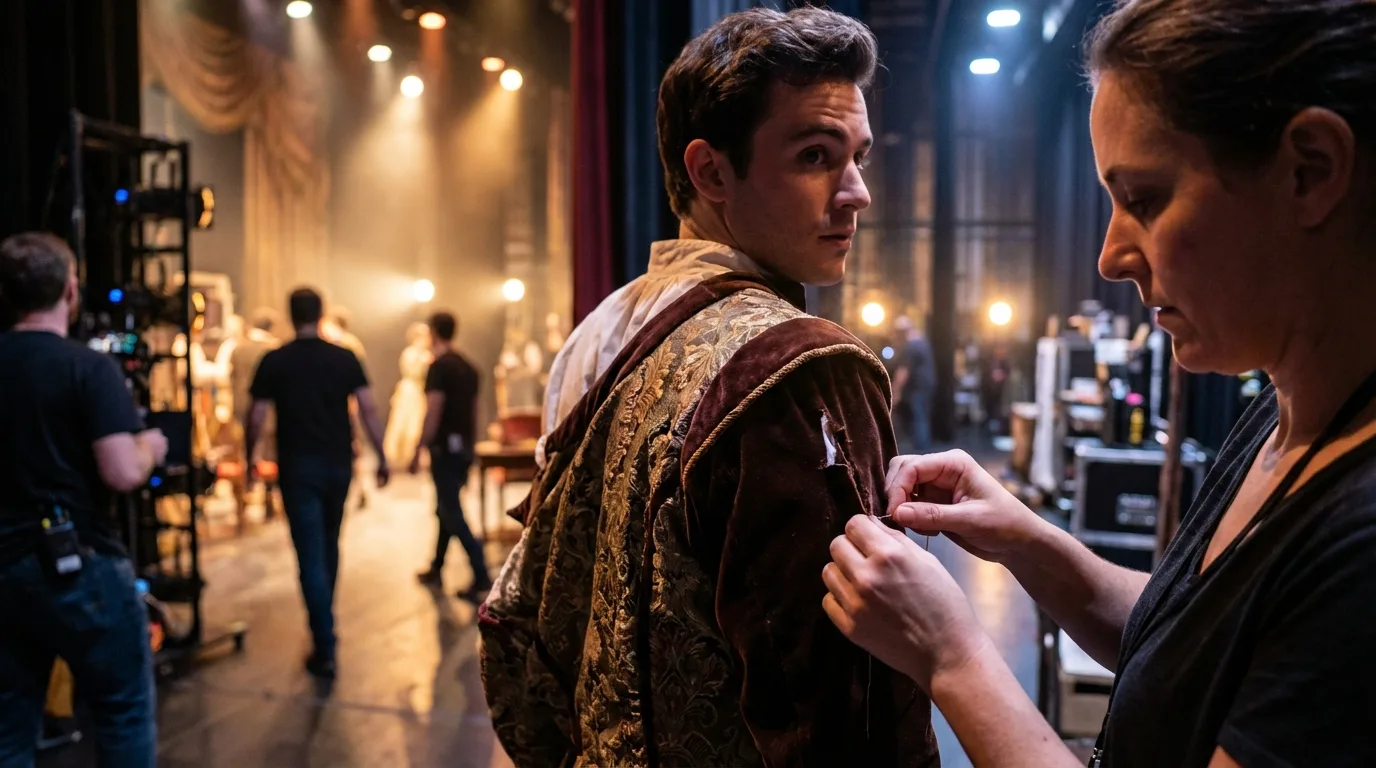
Haute couture is synonymous with handcraftsmanship. This intensive labor, while creating unparalleled artistry, also raises profound questions about fair wages, safe working conditions, and the prevention of exploitation.
Artisanal Exploitation and Wage Disparities
Many of the intricate skills required for haute couture, such as specific types of embroidery, beading, or feather work, are concentrated in regions where labor costs are significantly lower. Artisans, often working from home or in small workshops, may be paid piece rates that do not reflect the true value of their skill or the hours invested.
The economic vulnerability of these workers can lead to situations where they accept unfair terms, simply to secure work. Designers, even those with good intentions, may struggle to monitor wages and conditions across numerous small, independent suppliers.
Safe Working Conditions and Child Labor Risks
Beyond fair wages, ensuring safe and healthy working conditions is paramount. This includes proper ventilation, ergonomic workspaces, and protection from hazardous materials. In informal settings or smaller workshops, these standards may not always be met.
Moreover, the risk of child labor, though less prevalent in direct couture ateliers, can exist in the lower tiers of the supply chain, particularly where raw materials are processed or initial stages of embellishment occur. Vigilance and robust auditing mechanisms are crucial to mitigate these risks.
Organizations like the Fair Labor Association work to promote fair labor practices and improve working conditions in global supply chains, providing frameworks that haute couture houses can adapt.
Environmental Footprint: From Farm to Fabric
The environmental impact of fashion, including haute couture, is increasingly scrutinized. From the cultivation of raw materials to the dyeing and finishing processes, every stage can leave a significant ecological footprint.
Resource Depletion and Pollution
- Water Consumption: Growing natural fibers like cotton or producing silk requires substantial amounts of water.
- Pesticide Use: Conventional cotton farming relies heavily on pesticides, which can contaminate soil and water.
- Chemical Dyes: The dyeing process often uses harsh chemicals that, if not properly treated, can pollute local waterways.
- Energy Use: Manufacturing, transportation, and even the air-conditioning in ateliers contribute to energy consumption and greenhouse gas emissions.
Haute couture's emphasis on natural, luxurious materials means it is not immune to these challenges. While the volume of production is lower than fast fashion, the intensity of material use per garment can be higher.
Waste Management in High Fashion
Even in luxury, waste is a concern. Fabric off-cuts, discarded samples, and unsold garments contribute to landfill. While couture pieces are often designed to last, the production process itself can generate significant waste.
Designers are increasingly exploring circular economy principles, aiming to minimize waste by reusing materials, designing for longevity, and exploring innovative recycling solutions for textiles. This shift is crucial for addressing the environmental challenges inherent in high-end fashion production.
Exotic Materials and Biodiversity Risks
The allure of the unique and rare often leads haute couture designers to incorporate exotic materials, which can pose significant risks to biodiversity and animal welfare if not sourced responsibly.
The Lure of the Rare
Materials like rare furs, exotic leathers (e.g., crocodile, python), and feathers from specific bird species have historically been a hallmark of luxury. Their perceived value often stems from their scarcity and unique aesthetic qualities.
However, the demand for such materials can drive illegal trade, poaching, and unsustainable harvesting, pushing endangered species closer to extinction. Ensuring legal and ethical sourcing of these materials requires rigorous certification and monitoring.
Protecting Endangered Species and Ecosystems
Designers committed to ethical practices must navigate complex regulations like CITES (Convention on International Trade in Endangered Species of Wild Fauna and Flora) and actively seek out suppliers with verifiable sustainability certifications. Many have chosen to move away from animal products entirely, opting for innovative plant-based or lab-grown alternatives that mimic the texture and appearance of traditional exotic materials.
The ethical sourcing challenges here are not just about legality but about moral responsibility towards preserving the planet's biodiversity. Brands like Stella McCartney have pioneered the use of vegan alternatives in luxury, proving that exquisite design does not require animal products.
The Role of Consumers and Industry Pressure
While designers face immense challenges, the growing awareness among consumers and the collective pressure from industry bodies are powerful forces driving positive change towards ethical sourcing.
Demanding Transparency and Ethical Practices
Modern consumers, particularly younger generations, are increasingly demanding transparency from brands. They want to know not just what their clothes are made of, but who made them and under what conditions. This shift in consumer values is compelling luxury brands to re-evaluate their supply chains.
Social media and advocacy groups like Fashion Revolution empower consumers to ask tough questions and hold brands accountable. This external pressure is vital in pushing for more ethical sourcing challenges to be addressed head-on.
Certifications and Standards: A Path Forward?
A proliferation of certifications and standards (e.g., GOTS for organic textiles, Responsible Down Standard, Leather Working Group) offers designers a framework for verifying ethical practices. While not perfect, these standards provide a level of assurance and help streamline the ethical sourcing process.
However, navigating the multitude of certifications and ensuring their true efficacy remains a challenge. Industry collaboration is key to developing universally recognized and robust standards that genuinely promote ethical practices across the haute couture supply chain.
Innovations and the Future of Ethical Couture
Despite the formidable ethical sourcing challenges, the haute couture industry is witnessing a surge of innovation aimed at fostering greater sustainability and ethics. These advancements offer promising pathways for a more responsible future.
Sustainable Material Development
The frontier of material science is rapidly expanding, offering exciting alternatives to traditional fabrics and embellishments. This includes:
- Lab-grown materials: Silks, leathers, and even furs cultivated in laboratories, eliminating the need for animal rearing or environmentally intensive farming.
- Bio-based textiles: Fabrics derived from unexpected sources like orange peels, pineapple leaves, or mushroom mycelium.
- Recycled and Upcycled Fabrics: Utilizing pre-consumer and post-consumer waste to create new, luxurious textiles, reducing landfill burden.
These innovations not only address environmental concerns but also often provide unique textures and properties that appeal to the avant-garde spirit of haute couture.
Circular Economy Principles in High Fashion
The concept of a circular economy – where resources are kept in use for as long as possible, extracting the maximum value from them whilst in use, then recovering and regenerating products and materials at the end of each service life – is gaining traction. For haute couture, this means designing for longevity, facilitating repairs, and exploring models for material recovery and reuse.
Some designers are even experimenting with rental models for high-end pieces or creating garments that can be fully disassembled and repurposed, minimizing waste at the end of a garment's life cycle.
Blockchain and Traceability Solutions
As mentioned earlier, technology plays a crucial role in enhancing transparency. Blockchain, with its immutable ledger, can track every step of a material's journey, from its origin to the atelier. This provides verifiable proof of ethical sourcing, offering both designers and consumers unprecedented insight.
While still in its nascent stages for many luxury supply chains, the potential of such digital traceability solutions to overcome the opacity of traditional networks is immense, offering a powerful tool to address what ethical sourcing challenges face haute couture designers.
Navigating the Ethical Minefield: Designer Perspectives
For haute couture designers, navigating the ethical landscape is not merely a compliance issue; it's an artistic and moral imperative. Their choices profoundly influence the industry's direction.
Balancing Artistry and Responsibility
Designers are artists, driven by creative vision. The challenge lies in harmonizing this artistic freedom with a profound sense of responsibility. This often means rethinking traditional methods, exploring new materials, and collaborating with suppliers who share their ethical commitment.
It's about proving that ethical sourcing doesn't stifle creativity but rather inspires new forms of innovation and beauty. As stated by an expert in sustainable fashion, "True luxury today is not just about rarity, but about responsibility."
The Cost of Ethical Production
Ethical sourcing often comes with a higher price tag. Fair wages, sustainable farming practices, and advanced environmental controls typically cost more than their conventional counterparts. This presents a unique dilemma for designers who must balance these increased costs with the already exclusive pricing of haute couture.
However, for a growing segment of consumers, the added cost is justified by the peace of mind that comes from knowing their garment was created without exploitation or environmental harm. This willingness to pay a premium for ethical products is a powerful incentive for designers to invest in responsible practices.
Frequently Asked Questions (FAQ)
What is ethical sourcing in haute couture? Ethical sourcing in haute couture refers to the practice of obtaining all materials and labor for garments in a way that respects human rights, ensures fair working conditions, minimizes environmental harm, and promotes animal welfare throughout the entire supply chain.
Why is transparency difficult in luxury fashion supply chains? Transparency is challenging due to the complex, multi-tiered global networks involved, often including numerous small, specialized artisanal workshops and intermediaries, making it hard to trace materials and labor conditions back to their absolute origin.
How do designers ensure fair labor practices? Designers can ensure fair labor practices through rigorous supplier audits, direct engagement with artisans, adherence to international labor standards, and partnering with certified organizations that monitor working conditions and wages.
What are sustainable alternatives for haute couture materials? Sustainable alternatives include organic and recycled fabrics, innovative bio-based materials (e.g., orange silk, mushroom leather), lab-grown textiles, and upcycled luxury scraps, offering beauty without significant environmental or ethical compromise.
Can luxury fashion ever be truly 100% ethical? Achieving 100% ethicality is an ongoing journey due to the vast complexity of global supply chains. However, continuous efforts towards transparency, innovation, and strict adherence to ethical principles are moving the industry closer to this ideal.
Recommended Reading
- The Ultimate Guide: Why Do Your Belts Keep Cracking and How to Prevent It?
- Unlock the Secret: How to Care for Delicate Artisan Jewelry Pieces
- The Ultimate Guide: Mastering Care for Your Rare Exotic Leather Handbags
- Are Virtual Fashion Shows Eco-Friendly? The Surprising Truth Revealed
- The Ultimate Guide: How to Authenticate a Pre-Owned Luxury Watch Before Buying
Conclusion
The world of haute couture, while enchanting, faces profound ethical sourcing challenges. From ensuring fair wages and safe conditions for the artisans who painstakingly craft its intricate details to mitigating the environmental footprint of its exquisite materials and navigating the complexities of opaque supply chains, the path to true sustainability is fraught with obstacles. However, a growing commitment from designers, fueled by consumer demand and technological innovation, is slowly but surely transforming the industry. By embracing transparency, adopting sustainable materials, and prioritizing human and environmental well-being, haute couture designers are not only creating breathtaking art but also leading the charge towards a more responsible and equitable future for luxury fashion.



Your email address will not be published. Required fields are marked *