

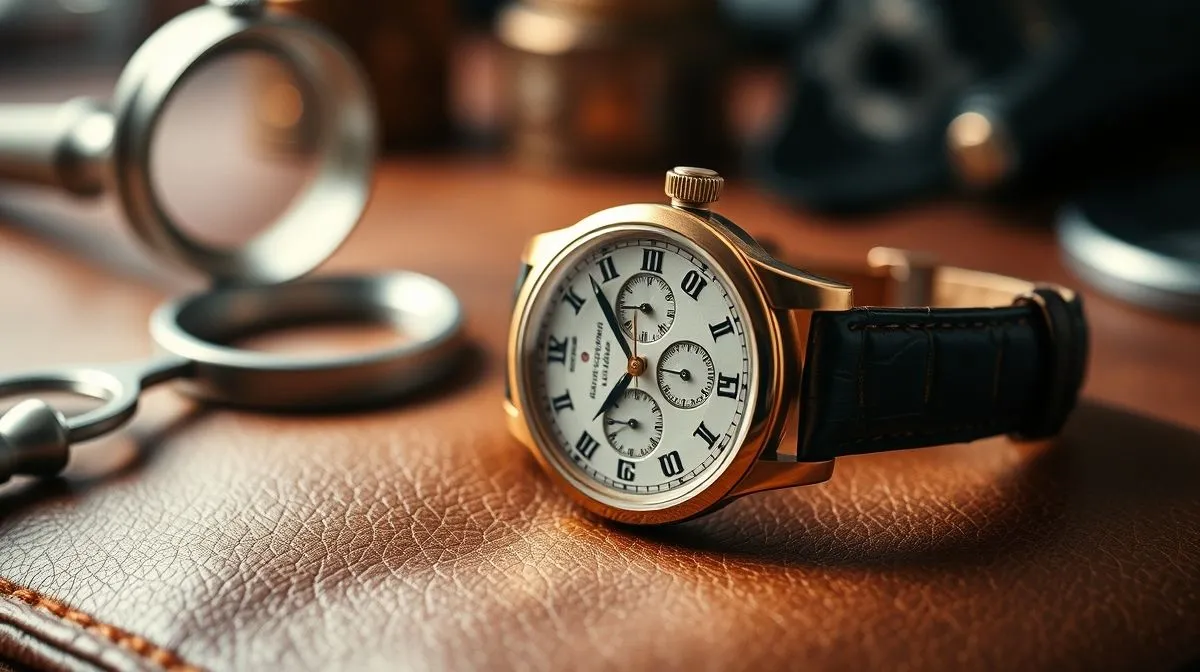
How to Authenticate a Pre-Owned Luxury Watch Before Buying?
Imagine the thrill: you’ve found the perfect pre-owned luxury watch, a timepiece that speaks to your soul, a symbol of heritage and craftsmanship. You envision it gracing your wrist, a silent testament to your discerning taste. But then, a nagging doubt creeps in: Is it real? The market for pre-owned luxury watches is a vibrant, exciting landscape, but it’s also riddled with perils for the unsuspecting buyer.
The problem is not just about losing money; it's about the erosion of trust, the dashed dreams, and the bitter taste of deception. Counterfeiters have become incredibly sophisticated, producing replicas that can fool even a trained eye at first glance. Without a systematic approach to verification, your dream purchase can quickly turn into an expensive nightmare, leaving you with a worthless imitation instead of a cherished heirloom.
This comprehensive guide is designed to empower you. We will demystify the authentication process, offering you a robust framework and practical steps on how to authenticate a pre-owned luxury watch before buying. By the end of this reading, you will possess the knowledge and confidence to navigate the pre-owned market, identify genuine masterpieces, and make your next luxury watch acquisition with absolute peace of mind.
Why Authentication is Paramount: The Stakes Involved
Purchasing a pre-owned luxury watch is more than just a transaction; it's an investment, a statement, and often, the realization of a long-held desire. Understanding the true stakes involved underscores why rigorous authentication is not merely an option, but an absolute necessity.
Financial Investment
Luxury watches, particularly those from esteemed brands like Rolex, Patek Philippe, Audemars Piguet, and Omega, retain and often appreciate in value. A genuine timepiece is a tangible asset, potentially offering a better return than many traditional investments. Conversely, a fake watch, no matter how convincing, is essentially worthless. The financial loss from purchasing a counterfeit can range from thousands to tens of thousands of dollars, a sum that no buyer should be willing to risk.
Furthermore, an unauthenticated watch will be impossible to insure or resell through reputable channels, effectively trapping you with a liability rather than an asset. Protecting your financial well-being begins with ensuring authenticity.
Emotional Value & Heritage
Beyond monetary worth, luxury watches carry immense emotional and historical significance. They are miniature marvels of engineering, often handcrafted with centuries of tradition embedded in their design. Owning a genuine piece connects you to that legacy, to the artisans who painstakingly crafted it, and to the history it has witnessed.
A counterfeit, on the other hand, is a hollow shell, devoid of this soul and heritage. It cheapens the experience and betrays the very essence of luxury watch collecting. The emotional satisfaction derived from a genuine piece is irreplaceable.
The Proliferation of Fakes
The global market for counterfeit goods is a multi-billion dollar industry, and luxury watches are a prime target. Advancements in manufacturing technology mean that modern fakes are increasingly sophisticated, often replicating external aesthetics with startling accuracy. These 'super fakes' can deceive even experienced collectors, making the authentication process more critical than ever before.
The sheer volume and quality of these counterfeits necessitate a heightened level of vigilance and a methodical approach to verification.
The Foundation: Researching the Specific Model
Before you even lay eyes on a watch, the authentication process begins with thorough research. Knowledge is your most powerful tool in distinguishing genuine articles from clever fakes. Each luxury watch model has its unique characteristics, and understanding these specifics is paramount.
Understanding the Brand's DNA
Every luxury watch brand possesses a distinct design philosophy, specific manufacturing techniques, and a particular level of finishing. Familiarize yourself with the brand's history, its signature elements (e.g., Rolex's cyclops lens, Omega's Seahorse emblem, Patek Philippe's Calatrava cross), and its overall quality standards. Visit official brand websites, read horological publications, and explore reputable forums.
This foundational understanding helps you develop an intuitive sense of what a genuine watch from that brand should look, feel, and even sound like.
Model-Specific Details and Variations
Once you've identified a specific model you're interested in, dive deep into its particularities. This includes:
- Dial Details: Font style, spacing of text, presence/absence of certain markings (e.g., 'SWISS MADE' at 6 o'clock, chronometer certification).
- Hand Sets: Shape, length, material, and luminescence. Are they correct for the specific year of production?
- Case Dimensions: Exact diameter, lug width, and thickness. Fakes often get these subtle measurements wrong.
- Movement Type: Identify the specific caliber used in that model and its typical finishing (e.g., Geneva stripes, perlage).
- Production Years: Be aware of when a specific reference number was produced and any changes made during its production run.
Cross-reference these details with multiple reliable sources, such as official brand archives, comprehensive collector guides, and trusted horological databases like Hodinkee or Fratello Watches.
Common Counterfeit Tells for Your Model
For popular models, there are often known 'tells' or common mistakes that counterfeiters make. Forums and watch communities frequently document these specific flaws. Search for discussions like "spotting fake [your watch model]" to learn about specific inconsistencies in:
- Date window font and alignment.
- Bezel click action and alignment.
- Luminescence quality and application.
- Engravings on the case back or clasp.
Knowing these specific weaknesses in fakes related to your desired model significantly enhances your ability to spot an imitation.
The Visual Inspection: A Deep Dive into Aesthetics
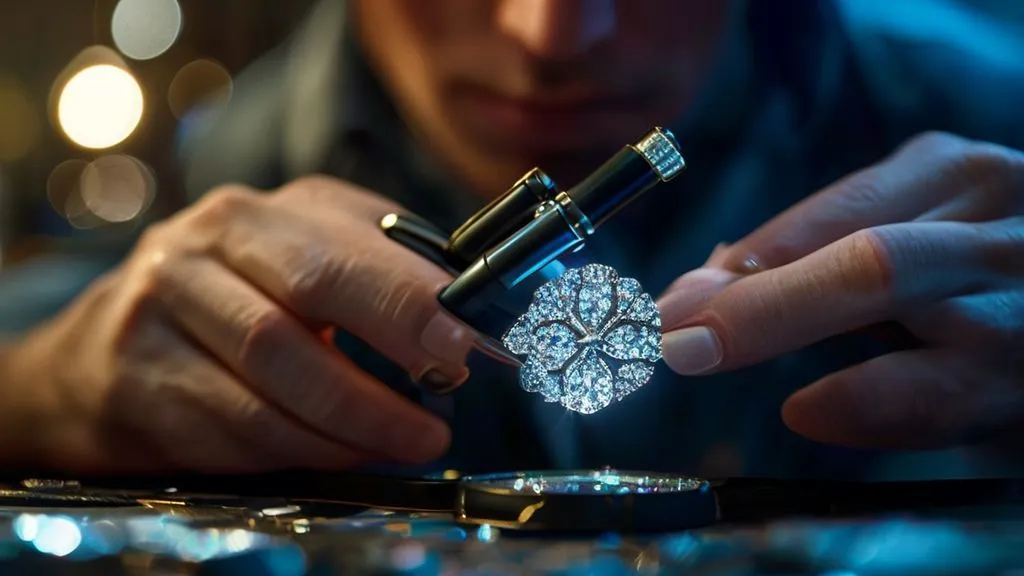
Once your research is complete, the next critical step in determining how to authenticate a pre-owned luxury watch before buying is a meticulous visual inspection. This requires a keen eye, good lighting, and ideally, a jeweler's loupe (10x magnification is ideal). Pay attention to every detail, no matter how small.
Dial and Hands Scrutiny
The dial is the face of the watch and often the first place to look for discrepancies. Examine:
- Print Quality: Is the text crisp, clear, and perfectly aligned? Fakes often have fuzzy, inconsistent, or misaligned printing.
- Luminescence: Is the lume evenly applied? Does it glow brightly and consistently in the dark? Fakes often have poor or patchy lume.
- Applied Indices/Markers: Are they perfectly aligned, evenly spaced, and cleanly finished? Look for any signs of glue or misalignment.
- Hands: Are they the correct shape, length, and finish for the model? Do they show any signs of poor stamping, rough edges, or incorrect proportions?
- Date Window: If applicable, check the font, size, and alignment of the date numbers. Is the date cyclops (magnifying lens) clear and correctly magnified (e.g., 2.5x for Rolex)?
Case, Bezel, and Lugs Examination
The watch case is a complex component that reveals much about its authenticity.
- Finish: Luxury watches typically have impeccable finishing – a mix of polished, brushed, or satin surfaces. Are transitions between finishes sharp and clean?
- Bezel: If rotating, does it click precisely and firmly? Is the alignment of the bezel markings perfect with the dial?
- Lugs: Are they symmetrical and well-proportioned? Look for signs of amateur polishing that might alter their original shape.
- Serial Numbers/Reference Numbers: These are usually engraved on the case, often between the lugs or on the case back. Are they deep, sharp, and consistent? Fakes often have laser-etched, faint, or incorrectly formatted numbers. Compare them to your research.
Crown, Pushers, and Engravings
These small details are often overlooked by counterfeiters.
- Crown: Does it screw down smoothly? Does it bear the correct brand logo, and is the logo crisp and well-defined?
- Pushers (for chronographs): Do they operate smoothly and consistently?
- Case Back Engravings: Are any engravings (e.g., brand name, model name, water resistance, specific motifs) sharp, deep, and correct in font and size?
Bracelet/Strap and Clasp Integrity
The bracelet or strap is an integral part of the watch's identity and quality.
- Bracelet Feel: Does it feel solid, heavy, and well-articulated? Fakes often feel flimsy, light, and rattle excessively.
- Links and Screws: Are the links precisely machined? If secured by screws, are they flush with the links and not stripped?
- Clasp: Does it close securely with a satisfying click? Are any logos or engravings on the clasp crisp and accurate?
- Strap Material: For leather straps, is the leather of high quality, with fine stitching and proper lining?
The Heart of the Matter: Movement Authentication
The movement is the soul of a luxury watch. While external aesthetics can be replicated, the intricate mechanics of a genuine luxury movement are exceedingly difficult, if not impossible, to perfectly counterfeit. This step often requires the expertise of a professional, but there are some initial checks you can perform.
Caliber Specifics and Finishing
If the watch has a display case back, or if you can safely open the case back (preferably by a professional), examine the movement. Compare it to images of the genuine caliber you researched:
- Bridges and Plates: Look for the characteristic finishing – Geneva stripes, perlage, polished anglage (bevels). Fakes often have rough, unfinished, or poorly decorated movements.
- Engravings: Genuine movements will have precise engravings of the brand name, caliber number, jewel count, and sometimes serial numbers. These should be sharp and clear.
- Screws: High-end movements often use blued steel screws, which are thermally treated to achieve their color, not simply painted.
- Rotor: If automatic, does the rotor move smoothly and silently? Is it correctly engraved and finished?
Sound and Smoothness of Operation
Listen to the watch. A genuine luxury mechanical watch will have a smooth, consistent ticking sound. Fakes often have a jerky second hand (unless it's a high-beat movement) or an irregular, rough ticking sound. Winding the watch should feel smooth and precise, with no grinding or excessive resistance.
Operate any complications (chronograph pushers, date change). Do they function crisply and correctly? A sticky or malfunctioning complication is a major red flag.
The Importance of a Watchmaker's Inspection
For absolute certainty, a professional watchmaker's inspection is indispensable. They have the specialized tools, knowledge, and experience to:
- Open the case back safely without damage.
- Examine the movement under magnification for authenticity markers, correct components, and finishing.
- Check for correct jewel count and escapement type.
- Verify the movement's serial number against brand records (if accessible).
- Perform a timekeeping test to assess the movement's health and accuracy.
This internal examination is the most definitive step in authenticating a luxury watch. According to industry experts, a reputable watchmaker can often identify a fake within minutes of opening the case.
Provenance and Documentation: Your Paper Trail
While the physical watch itself is the primary focus, the accompanying documentation and provenance can significantly bolster your confidence in its authenticity. A complete set of papers provides a crucial paper trail, though it's important to remember that even papers can be faked.
Original Box and Papers
A genuine luxury watch often comes with its original box, warranty cards, instruction manuals, and sometimes chronometer certificates. Examine these documents carefully:
- Quality: Are the box and papers of high quality, consistent with the brand's standards? Fakes often have flimsy boxes, poor print quality on manuals, or misspelled words.
- Matching Numbers: Do the serial numbers on the warranty card or certificate match the serial number engraved on the watch itself? This is a critical cross-reference.
- Dealer Stamps: Is the warranty card properly stamped and dated by an authorized dealer? You can sometimes verify the dealer's existence.
It's worth noting that many genuine vintage watches might not come with their original papers due to age and multiple ownerships. Their absence isn't an automatic red flag, but their presence is a significant plus.
Service History Records
Records of past servicing by authorized service centers or reputable independent watchmakers add to a watch's credibility. These records often detail the work performed, parts replaced, and the date of service. They indicate that the watch has been properly maintained, adding value and peace of mind.
Look for official service receipts or service cards with matching serial numbers.
Sales Receipts and Certificates
If the current seller has previous sales receipts from an authorized dealer or a reputable auction house, this can further establish the watch's provenance. Some high-value watches come with certificates of authenticity from auction houses or gemological institutes if they contain precious stones.
Always verify the source of these documents where possible. For instance, if a watch claims to have been sold by Christie's, you might be able to verify its sale in their archives.
Leveraging Professional Expertise: When to Call in the Pros
Even with extensive research and a keen eye, the world of luxury watch authentication can be complex. For significant investments, or if any doubt remains, seeking professional expertise is not just advisable but essential. These experts possess the tools, knowledge, and access to proprietary information that the average buyer does not.
Certified Watch Dealers and Experts
Reputable pre-owned luxury watch dealers often have in-house authentication specialists or work closely with trusted watchmakers. They stake their reputation on the authenticity of their inventory. When buying from such a dealer, inquire about their authentication process and any guarantees they offer. Look for dealers accredited by industry bodies or with long-standing positive reviews.
Always choose a dealer who specializes in the specific brand or type of watch you are interested in. Their deep knowledge of that niche is invaluable.
Independent Watchmakers
An independent watchmaker, especially one with significant experience with the specific luxury brand, can provide an unbiased authentication service. They will open the watch, inspect the movement, verify serial numbers, and assess overall condition. This is often the most cost-effective and reliable way to get a definitive answer on authenticity.
Before engaging, ensure the watchmaker is experienced with luxury timepieces and has a good reputation. Ask for references or check online reviews.
Brand Boutiques (with caveats)
Some, but not all, brand boutiques may offer an authentication service, though this is often tied to a full service or repair. They might not authenticate a watch for free if you didn't purchase it from them. However, if they do, their assessment is definitive, as they have direct access to factory specifications and proprietary databases. Be prepared for potential service charges and the possibility they might refuse if the watch is clearly a fake.
For more information on the complexities of watch movements and their historical context, a general overview can be found on Wikipedia's Watchmaking page, which details the intricate craft.
Common Red Flags and Scams to Avoid
Beyond the technical aspects of authentication, being aware of common red flags and scamming tactics can save you from falling victim to fraud. Trust your instincts; if something feels off, it probably is.
Unbelievable Deals
If a deal seems too good to be true, it almost certainly is. A genuine luxury watch will command a price commensurate with its brand, condition, and rarity. Deep discounts (e.g., 50% off market value) on highly sought-after models are a primary indicator of a fake or a scam. Counterfeiters often use attractive pricing to lure unsuspecting buyers.
Seller's Reluctance to Provide Details
A legitimate seller will be transparent and eager to provide all necessary information, including:
- High-resolution photos from multiple angles, including the movement.
- Serial numbers and reference numbers.
- Details about the watch's history and provenance.
- Willingness to meet in person or allow for an independent inspection.
If a seller is evasive, rushes you, refuses to provide clear images, or denies an inspection by a third party, walk away immediately. Their reluctance is a major warning sign.
Poor Photography
Listings with blurry, low-resolution, or stock photos are highly suspicious. A seller of a genuine luxury item will invest in clear, detailed photography to showcase their product. Poor photos can be used to hide flaws or obscure details that would reveal a watch as a fake.
Online Auction Pitfalls
While some reputable auction sites exist, many online marketplaces are rife with fakes. Be extremely cautious when buying from private sellers on platforms that offer limited buyer protection or lack robust verification processes. Always check seller reviews and history, but be aware that even these can be manipulated.
Prioritize platforms that offer escrow services or strong buyer protection policies for high-value items.
Frequently Asked Questions (FAQ)
Can I authenticate a luxury watch by myself? While you can perform initial checks and research, a definitive authentication, especially of the movement, often requires a professional watchmaker's expertise and specialized tools.
What is a 'frankenwatch'? A 'frankenwatch' is a watch composed of genuine parts from different watches, or a mix of genuine and aftermarket/replica parts. While parts may be authentic, the watch as a whole is not original to its intended specifications, significantly impacting its value and authenticity.
How long does professional watch authentication take? A basic professional authentication can take from 30 minutes to a few hours, depending on the watch's complexity and the depth of examination. If servicing is required, it can take much longer.
Is it safer to buy from an authorized dealer? Yes, buying from an authorized dealer is generally the safest option as they guarantee authenticity and often provide a new warranty. However, this applies to new watches, not typically pre-owned ones, unless they also have a certified pre-owned program.
What should I do if I suspect I've bought a fake? Contact the seller immediately, gather all your evidence, and if possible, get a written report from a professional watchmaker confirming it's a fake. Depending on the payment method and platform, you may be able to dispute the charge or report the fraud to consumer protection agencies.
Recommended Reading
- The Secret Playbook: How to Get Early Access to New Shoe Launches
- Unlocking Editorial Magic: How to Develop a Visual Story for Fashion
- Unveiling the Science: How Performance Fabrics Master Body Temperature Control
- Eco-Friendly Shoes That Last: Find Durable & Sustainable Brands
- Authenticate Vintage Designer Handbags: The Expert's Secret Guide
Conclusion
The journey to acquiring a pre-owned luxury watch is an exciting adventure, but one that demands diligence and informed decision-making. By meticulously researching your desired model, performing a detailed visual inspection, understanding the nuances of the movement, verifying provenance, and crucially, knowing how to authenticate a pre-owned luxury watch before buying with professional assistance, you transform a potentially risky endeavor into a secure and rewarding experience. Each step of this authentication process is a safeguard, building layers of certainty that ensure your investment is not just beautiful, but genuinely valuable. Armed with this knowledge, you can now confidently navigate the pre-owned market, distinguishing the genuine masterpieces from the clever imitations, and securing a timepiece that will bring you joy and pride for years to come.

Your email address will not be published. Required fields are marked *