

How to Spot Fake Logomania Streetwear Brands: Your Definitive Guide
Imagine stumbling upon that coveted logomania streetwear piece you've been dreaming of. The iconic branding, the bold statements, the undeniable street cred – it's all there. But as you reach for your wallet, a nagging doubt creeps in: Is this the real deal, or a clever imitation? In today's hyper-connected world, where trends move at lightning speed and demand often outstrips supply, the allure of logomania streetwear has unfortunately paved the way for a booming counterfeit market.
The problem intensifies when attempting to discern authentic pieces from high-quality counterfeits, especially when trying to spot fake logomania streetwear brands. These replicas aren't just poor imitations anymore; many are 'super fakes' designed to trick even the most discerning eye. Falling victim to a counterfeit not only means wasting your hard-earned money but also inadvertently supporting unethical labor practices and undermining the very brands you admire.
This comprehensive guide is your ultimate weapon against the tide of counterfeits. By the end of this reading, you will possess the expert knowledge and practical strategies required to confidently authenticate logomania streetwear, ensuring every piece in your collection is genuinely iconic. We will delve into everything from the nuances of stitching to the intricacies of digital verification, empowering you to make informed decisions and protect your passion.
The Allure and Peril of Logomania Streetwear
What is Logomania?
Logomania is a fashion trend characterized by the prominent display of a brand's logo or branding elements on clothing, accessories, and other products. It’s a bold statement, a declaration of allegiance to a particular aesthetic or status. From the opulent patterns of luxury houses to the bold graphics of streetwear giants, logos become the primary design feature.
This trend exploded in popularity, particularly within the streetwear community, where brand identity and recognition are paramount. Owning a piece with a recognizable logo isn't just about fashion; it's about belonging, expressing identity, and signaling a certain cultural awareness. However, this very popularity makes it a prime target for counterfeiters.
Why Streetwear?
Streetwear, by its very nature, is a cultural phenomenon rooted in comfort, individuality, and rebellion. It blends elements of hip-hop fashion, skate culture, surf wear, and punk. When combined with logomania, it creates highly desirable, often limited-edition pieces that command significant resale value. The scarcity and hype surrounding these drops fuel demand, making the secondary market a hotbed for both legitimate transactions and fraudulent activity.
The high demand and perceived value of authentic logomania streetwear make it an incredibly lucrative market for counterfeiters. They capitalize on the desire for exclusivity and status, often selling fakes at prices that, while lower than retail, are still significant enough to deceive unsuspecting buyers. Understanding this dynamic is the first step in learning how to spot fake logomania streetwear brands.
The Counterfeit Epidemic: A Global Challenge
The global counterfeit market is a multi-billion-dollar industry, with fashion and luxury goods being particularly vulnerable. According to a report by the OECD and EUIPO, trade in counterfeit and pirated goods accounted for 3.3% of world trade. This isn't just about lost revenue for brands; it's about funding organized crime, exploiting labor, and producing environmentally harmful goods. Every fake purchase contributes to this illicit ecosystem.
Counterfeiters are constantly evolving their techniques, making their products increasingly difficult to distinguish from genuine articles. This sophistication necessitates a detailed, multi-faceted approach to authentication. It's no longer enough to just check for a wonky logo; you need to become a true detective of detail.
Mastering the Visual Cues: Fabric, Stitching, and Logos
Inspecting Stitching and Seams
One of the most telling signs of a counterfeit lies in the quality of its construction. Authentic logomania streetwear, especially from reputable brands, will feature impeccable stitching. Look for:
- Evenness and Tightness: Stitches should be uniform in length, perfectly straight, and tightly woven. There should be no loose threads, skipped stitches, or irregular patterns.
- Thread Quality: Genuine brands use high-quality, durable thread that matches the garment's color perfectly. Fakes often use cheaper, weaker thread that may fray easily or have a slight sheen.
- Seam Integrity: Seams should lie flat and smooth, without puckering, bulging, or uneven edges. Reinforced areas, like stress points on pockets or collars, should show extra care and density in stitching.
A quick comparison with images of authentic items can reveal subtle differences in stitch count or pattern that are invisible to the untrained eye.
Fabric Quality and Feel
The tactile experience of a garment is often a dead giveaway. High-end streetwear brands invest heavily in premium fabrics that offer comfort, durability, and a luxurious feel. Counterfeiters, on the other hand, prioritize cost-cutting.
- Texture and Weight: Authentic pieces often feel substantial, soft, or have a specific texture unique to the brand's material choice. Fakes might feel thin, rough, or plasticky.
- Drape and Flow: Quality fabrics drape well on the body and retain their shape. Inferior materials in fakes might hang awkwardly, wrinkle easily, or lack the desired structure.
- Color Saturation: Genuine dyes are rich and consistent. Fakes might have faded, uneven, or slightly off-color hues. Pay attention to how the color reacts to light.
If you can, compare the fabric with an authentic piece or consult detailed online reviews that describe the material properties. Trust your sense of touch.
Logo Accuracy and Placement
This is where the term 'logomania' truly comes into play, and where counterfeiters often slip up. The logo is the brand's identity, and its reproduction is meticulously controlled by authentic companies.
- Font and Spacing: Examine the font style, letter spacing (kerning), and overall proportions of the logo. Even a slight deviation can indicate a fake. Authentic brands adhere to strict branding guidelines.
- Sharpness and Clarity: Printed logos should be crisp, with clean edges and no blurring, smudging, or pixelation. Embroidered logos should be dense, even, and free of loose threads.
- Placement and Alignment: Logos are placed precisely according to brand specifications – on a certain part of the chest, sleeve, or back, and always perfectly straight and centered. Any misalignment or deviation is a major red flag.
- Color Consistency: The colors used in the logo must be exact to the brand's official palette. Slight variations in shade can be a tell-tale sign of a counterfeit.
This is perhaps the most critical step when trying to discern how to spot fake logomania streetwear brands. Spend time scrutinizing the logo from all angles.
Unmasking Fakes Through Tags, Labels, and Packaging
Authentic Brand Tags and Labels
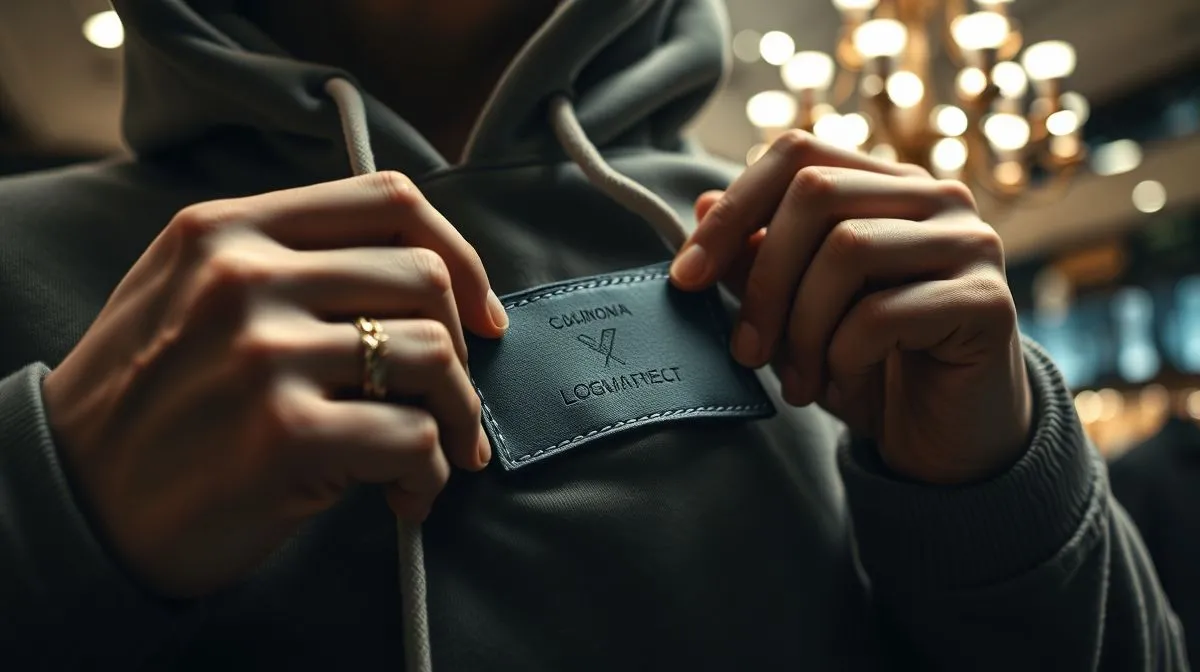
Tags and labels are often overlooked but contain a wealth of authentication clues. Brands invest in these details, making them difficult for counterfeiters to replicate perfectly.
- Material and Feel: Authentic tags are usually made from high-quality, often textured paper, fabric, or cardboard. Fakes might use flimsy, shiny, or rough materials.
- Printing Quality: Text on tags should be sharp, clear, and perfectly legible. Look for crisp fonts, correct grammar, and accurate product information. Counterfeits often have blurry text, misspellings, or inconsistent font sizes.
- Attachment Method: How the tag is attached (e.g., specific plastic loop, string, or stitching) can be a clue. Some brands use unique fasteners.
- Care Labels: Internal care labels should be multi-lingual (if applicable), accurately translated, and feature consistent font and spacing. Check for specific washing instructions, material composition, and country of origin.
Many brands embed micro-details or specific textures into their tags that are nearly impossible for counterfeiters to replicate without significant investment.
Holograms and Security Features
A growing number of high-end streetwear brands are incorporating advanced security features into their products to combat counterfeiting. These can include:
- Holograms: These are often embedded on tags or labels and change appearance from different angles. They should be clear, detailed, and difficult to peel off.
- RFID Chips: Some brands use Radio-Frequency Identification (RFID) chips that can be scanned with a smartphone app to verify authenticity.
- Unique Serial Numbers/QR Codes: These codes can often be entered on the brand's official website for verification. We'll discuss this further.
- UV Ink/Microprinting: Some details may only be visible under UV light or require magnification to see.
Always check the brand's official website to see if they utilize any specific security features and how to verify them. This knowledge is paramount when asking yourself how to spot fake logomania streetwear brands effectively.
Packaging and Accessories
The overall presentation of a product, including its packaging, dust bags, and hangtags, offers critical clues. Counterfeiters often cut corners here.
- Boxes and Dust Bags: Authentic packaging will be sturdy, well-constructed, and feature accurate branding. Dust bags will be made of quality fabric, not cheap plastic, with well-printed logos.
- Hangtags: Beyond the main brand tag, additional hangtags (e.g., price tags, special collection tags) should match the brand's aesthetic and quality.
- Authenticity Cards: Some brands include authenticity cards with unique serial numbers or details. These should be printed on high-quality card stock, often with embossed details or security features.
- Receipts and Documentation: While a receipt can be faked, a detailed, legitimate receipt from an authorized retailer adds significant credibility.
The entire unboxing experience of a genuine product is often part of its luxury appeal, and fakes rarely replicate this attention to detail.
The Digital Detective: Online Verification Strategies
Verifying Seller Reputation
When buying online, the seller's credibility is as important as the product itself. This is a crucial step in learning how to spot fake logomania streetwear brands before you even make a purchase.
- Authorized Retailers: Always prioritize purchasing directly from the brand's official website or their list of authorized retailers. This is the safest bet.
- Reputable Resale Platforms: If buying on a secondary market, use platforms with strong authentication services (e.g., StockX, GOAT, The RealReal). Be wary of general marketplaces without strict seller vetting.
- Seller Reviews and History: On peer-to-peer platforms (eBay, Grailed, Depop), scrutinize seller reviews, ratings, and transaction history. Look for consistent positive feedback, especially regarding authenticity. A new seller with many high-value items at low prices is a red flag.
A legitimate seller will have nothing to hide and will be transparent about their sourcing and product details.
Price Anomaly Red Flags
If a deal seems too good to be true, it almost certainly is. Authentic logomania streetwear, especially limited editions, rarely goes on sale for drastic discounts, unless it's an end-of-season clearance from an authorized retailer.
- Unrealistic Discounts: Be extremely skeptical of prices that are significantly below market value or typical retail price for an in-demand item.
- Consistent Low Prices: If a seller consistently offers highly sought-after items at unusually low prices, it's a strong indicator they are dealing in counterfeits.
- Payment Methods: Be wary of sellers who insist on unconventional payment methods (e.g., wire transfers, cryptocurrency) that offer no buyer protection. Stick to secure payment gateways with dispute resolution options.
Understanding the actual market value of the item you're interested in is key. Use reputable resale platforms to research recent sale prices for authentic versions.
Product Photos and Descriptions
Online listings are often the first point of contact with a potential fake. Become an expert at dissecting them.
- Photo Quality and Consistency: Authentic sellers will provide clear, high-resolution photos taken from multiple angles, showcasing details like tags, stitching, and unique features. Inconsistent lighting, blurry images, or stock photos are red flags.
- Matching Details: Compare the product photos to official images of the authentic item. Look for discrepancies in color, logo placement, fabric texture, and overall shape.
- Generic or Poor Descriptions: Fake listings often have generic, poorly written descriptions, sometimes with grammatical errors, or they might copy-paste descriptions from official sites without genuine details.
- Seller Location: While not always a red flag, be cautious if a seller of a high-value item is located in a known counterfeit hub and offers unusually low shipping rates.
Always ask for more photos if you're unsure, especially close-ups of specific details you want to verify. A legitimate seller will be happy to provide them.
Decoding Authenticity: Serial Numbers and Production Codes
Where to Find Them
Many high-end streetwear and luxury brands embed unique serial numbers, production codes, or date codes into their products. These can be found in various locations:
- Inside Tags: Often on a small, discreet tag sewn into a seam, particularly in outerwear or bags.
- Printed Directly on Fabric: Sometimes a code is subtly printed on the fabric lining or an inner pocket.
- On Hardware: Engraved or etched into zippers, buttons, or metal plaques.
- On Packaging: Printed on the product box, dust bag, or authenticity card.
The location and format of these codes vary significantly between brands and even between different product lines of the same brand. Research the specific brand and item you are interested in to know where to look.
How to Verify Them
Once you locate a serial or production code, the next step is verification. This is where your detective skills are truly put to the test.
- Brand's Official Website: Some brands offer an online verification tool where you can input the code. This is the most reliable method.
- Brand Customer Service: If no online tool exists, you can often contact the brand's customer service directly and provide the code for verification.
- Online Databases/Forums: Certain dedicated authentication forums or databases maintained by enthusiasts might cross-reference known authentic codes. Use these with caution and cross-reference multiple sources.
- Code Consistency: Even if you can't verify directly, ensure the code format, font, and placement are consistent with authentic examples you've seen online.
Understanding these nuances is crucial for how to spot fake logomania streetwear brands effectively, as counterfeiters often use generic or non-existent codes.
Limitations of Codes
While serial numbers and production codes are powerful tools, they are not foolproof. Counterfeiters can sometimes replicate known authentic codes or create plausible-looking fake codes. Therefore, never rely solely on a code for authentication. Always combine this check with all other visual and digital inspection methods outlined in this guide.
Some brands also change their coding systems periodically, so ensure your reference information is up-to-date. An outdated reference might incorrectly flag a genuine item as fake.
Navigating the Grey Areas: Super Fakes and Expert Verification
Avoiding "Super Fakes"
"Super fakes" or "1:1 replicas" are counterfeits that are incredibly difficult to distinguish from genuine articles. They often use high-quality materials, meticulous stitching, and even replicate some security features. For these, the difference often comes down to:
- Micro-details: Extremely subtle variations in font thickness, color shade, the texture of a specific material, or the exact weight of hardware.
- Internal Construction: The way internal seams are finished, the quality of lining, or the specific padding used.
- Smell: Genuine items usually have a specific 'new product' smell, while fakes might have a strong chemical odor from cheap dyes or glues.
Spotting super fakes requires an almost obsessive attention to detail and often a direct comparison with a known authentic item. This is where relying on multiple authentication points rather than just one becomes critical.
The Role of Community Forums and Experts
The streetwear community is vast and knowledgeable. Online forums (e.g., Reddit's r/FashionReps, specific brand forums), Facebook groups, and Discord servers are invaluable resources. Many experienced collectors and authenticators are willing to offer opinions based on photos.
- Request a "Legit Check" (LC): Post clear, detailed photos of the item from all angles, including close-ups of tags, logos, stitching, and any security features.
- Learn from Discussions: Read through existing legit check threads to understand what experts look for.
- Be Cautious: While community insights are helpful, they are not definitive. Always cross-reference opinions and be aware that not everyone is truly an expert.
These communities can provide a quick initial assessment, but for high-value items, further steps are advisable.
When to Seek Professional Authentication
For high-value or particularly dubious items, consider professional authentication services. Companies like Entrupy, Legit Check By Ch, or third-party authenticators on platforms like The RealReal specialize in verifying luxury goods, including streetwear.
- Trained Experts: These services employ trained authenticators who have access to extensive databases, proprietary tools, and often physical samples for comparison.
- Technology-Assisted Verification: Some services use AI and microscopy to analyze materials, stitching, and micro-details beyond human perception.
- Certificates of Authenticity: Many provide a certificate of authenticity, which can be valuable for resale or insurance purposes.
While these services come at a cost, it's a worthwhile investment to protect yourself from significant financial loss and ensure peace of mind, especially when dealing with the most challenging cases of how to spot fake logomania streetwear brands.
Protecting Your Investment and Promoting Ethical Consumption
Reporting Counterfeits
If you encounter a counterfeit, whether online or offline, take action. Reporting fakes helps protect other consumers and puts pressure on illicit operations.
- Platform Reporting: Most online marketplaces have a mechanism for reporting counterfeit items. Provide as much detail as possible.
- Brand Reporting: Many brands have dedicated anti-counterfeiting departments. Visit their official websites for information on how to report fakes directly.
- Consumer Protection Agencies: In some regions, you can report counterfeit goods to government consumer protection agencies.
Your actions, however small, contribute to a larger effort to curb the spread of fake goods.
The Environmental and Social Impact of Fakes
Beyond the financial loss, purchasing counterfeits has severe ethical and environmental consequences. Counterfeit production often occurs in unregulated factories, exploiting workers, including children, with poor wages and unsafe conditions. The materials used are frequently of low quality, treated with harmful chemicals, and contribute to significant waste, as these items are designed to be disposable. This contrasts sharply with the growing movement towards sustainable fashion and ethical sourcing within legitimate brands.
By choosing authentic products, you support brands that often invest in ethical supply chains, fair labor practices, and sustainable production methods. You become part of the solution, not the problem.
Building a Sustainable and Authentic Collection
Building a collection of authentic logomania streetwear is a journey of knowledge and discernment. By applying the principles outlined in this guide, you not only protect your investment but also contribute to a more ethical and sustainable fashion industry. Prioritize quality over quantity, and always verify before you buy. Your passion for streetwear deserves nothing less than genuine articles.
Frequently Asked Questions (FAQ)
Can I get my money back if I accidentally buy a fake? It depends on where you purchased the item. Reputable online marketplaces and payment processors often have buyer protection policies that allow you to dispute the transaction and get a refund if you can prove the item is counterfeit. Always use payment methods that offer buyer protection.
Are all "replica" brands illegal? The term "replica" often refers to counterfeit goods, which are illegal if they infringe on intellectual property rights (trademarks, copyrights). There are also "inspired by" brands that try to mimic styles without directly copying logos, but the line can be blurry. Generally, if it uses a brand's protected logo without authorization, it's illegal.
How do I stay updated on new counterfeit methods? Follow reputable fashion news outlets, anti-counterfeiting organizations, and specialized authentication blogs or forums. Brands also occasionally release public statements or guides on how to spot fakes of their specific products. Continuous learning is key.
Is it safer to buy vintage streetwear? Vintage streetwear can also be counterfeited, especially highly sought-after pieces. While some older fakes might be less sophisticated, the same authentication principles (stitching, tags, fabric, logo accuracy) still apply. Always exercise caution, even with vintage items.
Recommended Reading
- Ultimate Guide: Best Men's Wallet Styles For Minimalist Carry
- Uncover the Hidden Impact: How Wartime Rationing Reshaped 1940s Fashion
- The Future of Fashion: How Advanced Materials Will Reshape Clothing Design
- The Ultimate Guide: How to Properly Store Leather Handbags Long Term
- The Ultimate Guide: How to Choose Effective Anti-Aging Eye Cream?
Conclusion
The world of logomania streetwear is vibrant and exciting, but it's also fraught with the challenge of counterfeits. Equipping yourself with the knowledge to discern the genuine from the fake is no longer just a desire; it's a necessity. From meticulously examining stitching and fabric to scrutinizing digital listings and understanding production codes, every detail plays a crucial role. By applying the comprehensive strategies outlined in this guide, you are now well-equipped on how to spot fake logomania streetwear brands with confidence.
Remember, authenticating a piece is about more than just protecting your wallet; it's about respecting the craftsmanship of designers, supporting ethical production, and preserving the integrity of the fashion industry. Embrace your role as a discerning collector, and let your passion for genuine streetwear shine through every authentic piece you acquire.



Your email address will not be published. Required fields are marked *