

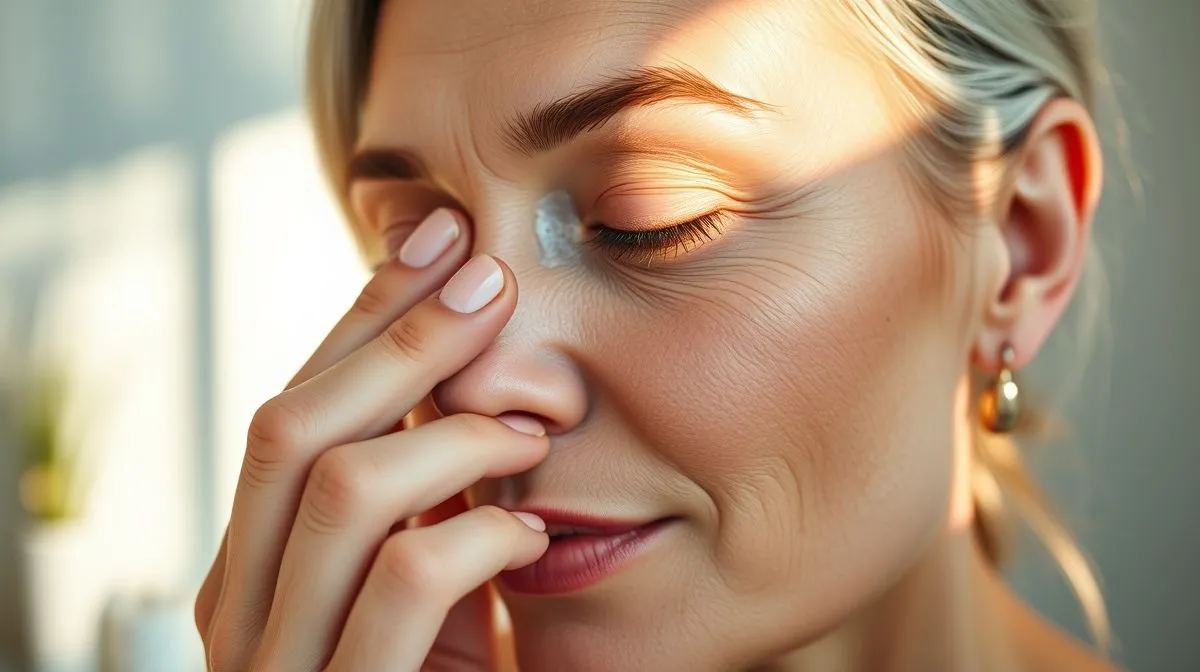
Unlocking Youthful Eyes: How to Choose Effective Anti-Aging Eye Cream?
Have you ever looked in the mirror and noticed those faint lines around your eyes, perhaps a hint of puffiness, or the subtle darkening that whispers tales of sleepless nights? It's a common experience, a natural part of life's journey, but one that often prompts a quest for solutions to maintain a youthful, vibrant gaze.
The world of anti-aging eye creams is a vast, often confusing landscape, brimming with countless products promising miraculous transformations. Navigating this sea of serums, gels, and balms can feel overwhelming, leaving many wondering where to even begin and how to discern what truly delivers on its promises.
This comprehensive guide will demystify the process, equipping you with the knowledge to understand your specific needs, decode product labels, and ultimately empower you to choose effective anti-aging eye cream that delivers visible, long-lasting results, helping you reclaim a brighter, more youthful appearance.
The Science Behind Aging Eyes: More Than Just Lines
To truly understand how to combat the signs of aging around your eyes, it's crucial to grasp the underlying biological processes. The skin around our eyes is uniquely delicate and vulnerable, making it one of the first areas to show the passage of time.
Understanding the Delicate Eye Area
The skin around your eyes is significantly thinner than the skin on the rest of your face – approximately 5-10 times thinner. It also has fewer sebaceous glands, meaning it produces less natural oil, leading to increased dryness. Furthermore, this area is constantly in motion: we blink thousands of times a day, we smile, we squint, all of which contribute to repetitive muscle movements that eventually lead to the formation of fine lines and wrinkles.
Over time, our bodies naturally produce less collagen and elastin, the proteins responsible for skin's firmness and elasticity. This decline, combined with environmental factors like UV radiation and pollution, accelerates the breakdown of the skin's supportive structure, leading to sagging, crepiness, and the deepening of existing lines.
Common Concerns: Wrinkles, Dark Circles, and Puffiness
- Fine Lines and Wrinkles: Often the first visible signs, these are caused by repetitive muscle movements and the loss of collagen and elastin. 'Crow's feet' are a classic example.
- Dark Circles: These can be genetic, caused by thin skin revealing underlying blood vessels (vascular dark circles), or hyperpigmentation (pigmented dark circles) often exacerbated by sun exposure, lack of sleep, or allergies.
- Puffiness (Eye Bags): Swelling under the eyes can be due to fluid retention, fat pads that naturally shift with age, or inflammation. Lifestyle factors like diet and sleep play a significant role.
Decoding Ingredients: What Makes an Eye Cream Truly Effective?
The effectiveness of an anti-aging eye cream hinges on its active ingredients. Knowing what to look for can transform your selection process from guesswork to an informed decision. Here are the power players you want in your corner:
The Powerhouses: Retinoids and Peptides
- Retinoids (Retinol, Retinaldehyde): Derivatives of Vitamin A, retinoids are gold standard ingredients for anti-aging. They accelerate cell turnover, stimulate collagen production, and reduce the appearance of fine lines and wrinkles. For the delicate eye area, look for lower concentrations or gentler forms like retinaldehyde or encapsulated retinol to minimize irritation.
- Peptides: These are short chains of amino acids that act as building blocks for proteins like collagen and elastin. Different peptides have different functions; some signal the skin to produce more collagen, while others can relax muscle contractions. They are excellent for firming and smoothing.
Hydration Heroes: Hyaluronic Acid and Ceramides
- Hyaluronic Acid: A powerful humectant, hyaluronic acid can hold up to 1,000 times its weight in water, drawing moisture into the skin and plumping up fine lines. It provides immediate hydration and improves skin suppleness.
- Ceramides: These are lipids that make up a significant portion of the skin's natural barrier. They help to strengthen the skin's protective layer, preventing moisture loss and protecting against environmental aggressors. Essential for dry or sensitive eye areas.
Antioxidant Defenders: Vitamins C, E, and Ferulic Acid
Antioxidants neutralize free radicals, unstable molecules that damage skin cells and accelerate aging, often caused by UV radiation and pollution. They protect the skin and can also brighten the complexion.
- Vitamin C (L-Ascorbic Acid): A potent antioxidant that also stimulates collagen production and brightens hyperpigmentation, making it excellent for dark circles.
- Vitamin E: Another powerful antioxidant that works synergistically with Vitamin C, enhancing its stability and effectiveness. It also has moisturizing properties.
- Ferulic Acid: Often paired with Vitamins C and E, ferulic acid boosts the stability and efficacy of these antioxidants, offering enhanced protection against environmental damage.
Brightening and Soothing Agents: Niacinamide and Caffeine
- Niacinamide (Vitamin B3): A versatile ingredient that improves skin barrier function, reduces inflammation, minimizes redness, and can help with hyperpigmentation, making it beneficial for both dark circles and overall skin health.
- Caffeine: A vasoconstrictor, caffeine temporarily constricts blood vessels, which can reduce puffiness and diminish the appearance of dark circles caused by vascular issues. It also has antioxidant properties.
Tailoring Your Choice: Identifying Your Specific Eye Concerns
The best anti-aging eye cream for you isn't necessarily the most expensive or the one with the most buzz. It's the one that directly addresses your primary concerns. A targeted approach yields the most satisfying results.
For Fine Lines and Wrinkles: Targeting Collagen Loss
If your main concern is the appearance of fine lines and wrinkles, focus on ingredients that stimulate collagen and elastin production. Look for eye creams containing retinoids (retinol, retinaldehyde), peptides, and Vitamin C. These work to rebuild the skin's structural integrity, smoothing out existing lines and preventing new ones from forming. Consistency is paramount here, as collagen synthesis takes time.
For Dark Circles: Addressing Pigmentation and Vascularity
Dark circles are tricky because their cause varies. For pigmented dark circles (brownish hue), look for ingredients that inhibit melanin production and promote cell turnover, such as Vitamin C, niacinamide, or gentle exfoliants. For vascular dark circles (bluish/purplish hue), ingredients that strengthen capillary walls or temporarily constrict blood vessels like caffeine or Vitamin K can be helpful. Sometimes, a combination approach is best.
For Puffiness: Reducing Fluid Retention and Inflammation
If puffiness is your primary issue, seek out eye creams with de-puffing ingredients. Caffeine is excellent for its vasoconstrictive properties, helping to temporarily reduce swelling. Other soothing and anti-inflammatory ingredients like green tea extract, chamomile, or cucumber extract can also provide relief. Keeping your eye cream in the fridge can offer an additional cooling and de-puffing effect.
For Dryness and Sensitivity: Prioritizing Gentle Hydration
For those with dry or sensitive eye areas, the focus should be on intense hydration and barrier repair without irritation. Opt for fragrance-free formulas rich in hyaluronic acid, ceramides, squalane, and soothing ingredients like allantoin or panthenol. Avoid harsh retinoids or high concentrations of active ingredients initially, or choose products specifically formulated for sensitive skin.
Beyond Ingredients: Formulations, Packaging, and Potency
While ingredients are king, how they are delivered and protected also plays a crucial role in the efficacy of your chosen eye cream. Understanding formulations and packaging can significantly impact your results.
Gel vs. Cream vs. Serum: Which Texture is Right for You?
- Gels: Lightweight and often water-based, gels are excellent for those prone to puffiness, oily skin, or who prefer a refreshing feel. They absorb quickly and are great for daytime use.
- Creams: Richer and more emollient, creams provide intense hydration and are ideal for dry or mature skin. They form a protective barrier and are often preferred for nighttime use.
- Serums: Highly concentrated with active ingredients, serums are typically lighter than creams but more potent. They are designed to deliver targeted benefits and can be layered under a cream for added hydration.
The Importance of Packaging: Protecting Potent Ingredients
Many active ingredients, especially antioxidants and retinoids, are sensitive to light and air. Therefore, packaging matters immensely. Look for eye creams in opaque, airless pump bottles or tubes. Jars, while seemingly convenient, expose the product to air and light with every use, degrading the efficacy of sensitive ingredients and introducing bacteria. This is a critical factor when you choose effective anti-aging eye cream with potent actives.
Understanding Concentrations and pH Levels
The concentration of an active ingredient directly impacts its potency. For example, a 0.01% retinol might be too weak for significant anti-aging effects, while a 1% retinol might be too strong for the delicate eye area. Start with lower concentrations and gradually increase as your skin tolerates. The pH level of a product can also affect ingredient stability and skin absorption, particularly for ingredients like Vitamin C, which require an acidic pH to be effective. Reputable brands formulate their products with optimal pH levels.
Mastering Application: Getting the Most Out of Your Eye Cream
Even the most effective anti-aging eye cream won't work optimally if not applied correctly. Proper technique ensures maximum absorption and prevents unnecessary tugging on the delicate skin.
The Gentle Touch: Proper Application Techniques
Always apply eye cream to clean skin, typically after your serum but before your moisturizer. Dispense a tiny amount (about the size of a grain of rice) for both eyes. Using your ring finger, which exerts the least pressure, gently dab the product around the orbital bone, from the inner corner of your eye outwards, along the brow bone and under the eye. Avoid applying too close to the lash line to prevent irritation or getting product into your eyes. Use a light patting motion until absorbed, never rubbing or dragging the skin.
For an excellent visual guide on gentle application, you might find resources from the American Academy of Dermatology Association helpful.
Integrating Eye Cream into Your Skincare Routine
Eye cream should be a consistent step in both your morning and evening skincare routines. In the morning, it preps the skin for makeup and provides antioxidant protection. In the evening, it works overnight to repair and rejuvenate. Remember to always follow up with a broad-spectrum SPF in the morning, as many anti-aging ingredients can increase sun sensitivity, and UV damage is a primary cause of premature aging.
Consistency and Patience: The Keys to Visible Results
Skincare is a marathon, not a sprint. Visible results from anti-aging eye creams typically take 4-12 weeks of consistent use, depending on the active ingredients and the individual's skin. Don't get discouraged if you don't see immediate changes. Stick with your chosen product for at least three months before deciding if it's working for you. Documenting your progress with weekly photos can also help you notice subtle improvements.
Common Pitfalls to Avoid on Your Anti-Aging Journey
While the desire for youthful eyes is strong, missteps in product selection or application can hinder progress or even cause irritation. Being aware of these common mistakes can save you time, money, and frustration.
Expecting Instant Miracles: Realistic Expectations
No eye cream, regardless of its claims or price tag, can completely erase deep wrinkles or drastically transform your under-eye area overnight. Skincare works by improving skin health and appearance gradually. Set realistic expectations and understand that severe concerns may require professional treatments like injectables or lasers, not just topical creams.
Over-Application and Product Mixing Errors
More is not always better. Applying too much eye cream can lead to product pilling, milia (small white bumps), or even irritation, especially with potent ingredients. A pea-sized amount is usually sufficient for both eyes. Also, be mindful when layering products; some ingredients, like certain acids and retinoids, can cause irritation when used together, so introduce new products slowly and pay attention to your skin's reaction.
Neglecting Sun Protection: The Ultimate Aging Accelerant
UV radiation is arguably the single biggest contributor to premature skin aging, including around the eyes. Without daily sun protection, even the most advanced anti-aging eye cream will struggle to make a lasting impact. Always apply a broad-spectrum SPF 30 or higher, even on cloudy days, and consider wearing sunglasses to protect the delicate eye area from direct sun exposure and reduce squinting.
Ignoring Lifestyle Factors: Sleep, Diet, and Stress
Skincare is just one piece of the puzzle. Chronic lack of sleep, a diet high in processed foods and sugar, dehydration, and high stress levels can all manifest as dull skin, dark circles, and puffiness. Prioritizing adequate sleep, a balanced diet rich in antioxidants, staying hydrated, and managing stress are crucial complementary steps to any anti-aging regimen. As noted by the National Institutes of Health, lifestyle factors significantly impact skin health.
When to Seek Professional Guidance for Eye Concerns
While topical eye creams can deliver impressive results, there are instances when professional intervention becomes necessary. Knowing when to consult an expert can ensure you receive the most effective and appropriate treatment for your specific concerns.
Consulting a Dermatologist: Beyond Over-the-Counter Solutions
If you're experiencing severe dark circles, persistent puffiness that doesn't respond to topical treatments, or deep-set wrinkles that bother you significantly, a board-certified dermatologist can provide a personalized assessment. They can diagnose underlying causes for your concerns (e.g., allergies, medical conditions) and recommend prescription-strength retinoids, targeted in-office treatments, or combination therapies that go beyond what over-the-counter products can offer.
Advanced Treatments: Lasers, Fillers, and More
For more pronounced signs of aging around the eyes, dermatologists or plastic surgeons might suggest advanced treatments:
- Dermal Fillers: Injectable hyaluronic acid fillers can address hollowness under the eyes (tear troughs) and plump up deep wrinkles.
- Botox/Dysport: These neurotoxins temporarily relax the muscles responsible for dynamic wrinkles like crow's feet, smoothing them out.
- Laser Resurfacing: Lasers can stimulate collagen production, improve skin texture, and reduce pigmentation, addressing wrinkles and some types of dark circles.
- Chemical Peels: Superficial peels can improve skin texture and tone, and help with mild hyperpigmentation.
- Blepharoplasty: In cases of significant sagging eyelids or prominent under-eye bags due to fat pads, surgical intervention might be considered.
These professional treatments often complement a good at-home skincare routine, providing more dramatic and long-lasting results for specific concerns.
Frequently Asked Questions (FAQ)
Is eye cream really necessary? While not strictly mandatory, eye creams are highly beneficial because the skin around your eyes is uniquely delicate and prone to specific issues like fine lines, dark circles, and puffiness. Dedicated eye creams are formulated with ingredients and concentrations suited for this sensitive area, which might be too strong or not targeted enough in general face moisturizers.
How long does it take to see results from an anti-aging eye cream? Patience is key. You can expect to see initial improvements in hydration and brightness within a few weeks. For more significant changes like reduced fine lines or dark circles, it typically takes consistent use for 4 to 12 weeks, as collagen production and cellular turnover are gradual processes.
Can I use my face moisturizer around my eyes? You can, especially if your face moisturizer is gentle, fragrance-free, and doesn't contain irritating ingredients. However, a dedicated eye cream is often formulated with specific active ingredients at concentrations optimized for the delicate eye area to target concerns like crow's feet or under-eye bags more effectively than a general moisturizer.
What's the best age to start using anti-aging eye cream? There's no definitive 'best' age. Many experts suggest starting in your mid-20s to early 30s as a preventative measure, focusing on hydration and antioxidants. If you're already seeing signs of aging, it's never too late to start using an eye cream with targeted active ingredients.
Are expensive eye creams always better? Not necessarily. While some high-end eye creams deliver excellent results due to advanced formulations and potent ingredients, many effective and affordable options exist. Focus on the ingredient list, formulation, packaging, and suitability for your specific concerns rather than just the price tag.
Recommended Reading
- The Ultimate Guide: Mastering Care for Your Rare Exotic Leather Handbags
- Unlocking Feminine Style: The Essential Characteristics You Need to Know
- The Ultimate Guide: How to Properly Break In New Men's Running Shoes
- Shine On: How to Clean Diamond Jewelry at Home Safely (Easy Guide)
- Warmest Kids Winter Hat Material? Ultimate Guide for Parents
Conclusion
Navigating the world of anti-aging eye creams doesn't have to be daunting. By understanding the unique needs of the delicate eye area, identifying your primary concerns, and familiarizing yourself with key ingredients and proper application techniques, you are now well-equipped to choose effective anti-aging eye cream that truly makes a difference. Remember, consistency, patience, and a holistic approach to skincare and lifestyle are your most powerful tools in maintaining a youthful, radiant gaze. Embrace the journey to brighter, more confident eyes, reflecting the wisdom and vibrancy within you.




Your email address will not be published. Required fields are marked *