

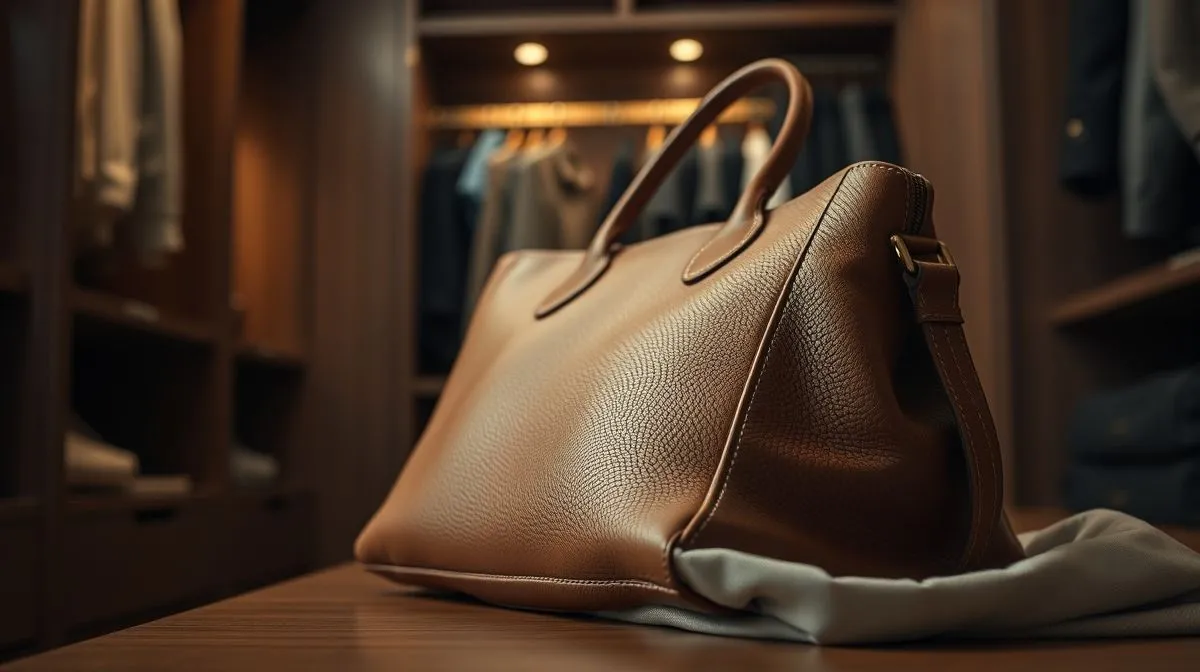
Mastering the Art: How to Properly Store Leather Handbags Long Term
Imagine unwrapping a cherished gift, only to find it tarnished, misshapen, or worse, covered in an unwelcome film. This disheartening scenario is precisely what many leather handbag enthusiasts face when they retrieve a beloved piece from long-term storage, only to discover its once-pristine condition has deteriorated. It’s a common heartache, particularly for those who view their handbags not just as accessories, but as investments, heirlooms, or treasured memories.
The problem is often rooted in a lack of understanding regarding leather's unique properties and its specific needs when not in regular use. Unlike synthetic materials, leather is an organic substance that breathes, ages, and reacts to its environment. Improper storage can lead to a myriad of issues: from unsightly cracks and fading to dreaded mold, mildew, and irreversible loss of shape. The beautiful patina you’ve carefully cultivated can turn into a sad testament to neglect.
But what if you could safeguard your leather treasures, ensuring they emerge from storage as beautiful and supple as the day you put them away? This comprehensive guide will show you precisely how to properly store leather handbags long term, providing you with the expert knowledge and practical steps needed to preserve their beauty, integrity, and value for years, even decades, to come. Prepare to unlock the secrets of professional leather care.
Understanding Leather: Why Proper Storage Matters
Before delving into the 'how,' it's crucial to grasp the 'why.' Leather is not merely a fabric; it's a treated animal hide, a natural material with a complex cellular structure. This structure allows it to breathe, absorb, and react to its surroundings, making it both incredibly durable and surprisingly delicate under the wrong conditions.
The Nature of Leather and Its Vulnerabilities
Leather's unique properties are what give it its luxurious feel, distinctive scent, and longevity. However, these same properties make it susceptible to environmental factors. It can dry out and crack in arid conditions, or become a breeding ground for mold and mildew in humid environments. Direct sunlight can cause colors to fade and the material to become brittle, while excessive heat can warp its shape and damage its fibers. Understanding these vulnerabilities is the first step in effective preservation.
Common Enemies of Leather Handbags in Storage
When a leather handbag is stored improperly, it faces several significant threats:
- Mold and Mildew: High humidity creates the perfect breeding ground for fungal growth, leading to unsightly spots, unpleasant odors, and irreversible damage to the leather's surface.
- Cracking and Drying: Conversely, overly dry conditions can strip the leather of its natural oils, causing it to lose its suppleness and develop cracks, particularly in areas of stress like folds and seams.
- Fading and Discoloration: Exposure to direct sunlight or harsh artificial light over time can bleach dyes and alter the leather's original color, diminishing its aesthetic appeal.
- Loss of Shape: Without proper internal support, bags can sag, crease, or lose their structured silhouette, especially those with soft leather or intricate designs.
- Pests: In rare cases, leather can attract pests like silverfish or carpet beetles, which can feed on the material, causing irreparable holes or damage.
By understanding these risks, we can implement preventative measures that ensure our beloved bags remain in pristine condition.
Preparation is Key: Cleaning and Conditioning Before Storage
Just as you wouldn't store dirty clothes, you shouldn't store a dirty or unconditioned leather handbag. Thorough preparation is the cornerstone of successful long-term storage.
Emptying and Cleaning Your Bag
The first step is to completely empty your handbag. Remove all contents, including forgotten pens, receipts, and crumbs. Turn the lining inside out (if possible) and gently shake out any debris. For the exterior, use a soft, dry cloth to wipe away surface dust and dirt. For any stubborn spots, consult the bag's care instructions or use a specialized leather cleaner applied sparingly to a clean cloth, testing on an inconspicuous area first. Avoid harsh chemicals or abrasive cleaners that can strip the leather's finish.
The Role of Conditioning
Once clean, your leather bag needs to be conditioned. Conditioning replenishes the natural oils in the leather, keeping it supple, preventing dryness, and protecting it from cracking. Choose a high-quality leather conditioner appropriate for your bag's finish (e.g., plain leather, exotic leather, suede). Apply a small amount to a clean, soft cloth and gently massage it into the leather in circular motions. Allow it to absorb for a few minutes, then buff off any excess with a clean cloth. This step is vital, as it fortifies the leather against the rigors of long-term storage.
Allowing for Airing
After cleaning and conditioning, it's crucial to allow the bag to air out completely. Any residual moisture from cleaning products or even body oils can lead to mildew or odors if the bag is sealed away too soon. Leave the bag unzipped or unfastened in a well-ventilated area, away from direct sunlight, for at least 24-48 hours. This ensures it is thoroughly dry and ready for the next stages of storage.
Maintaining Shape: The Art of Stuffing and Support
One of the most common issues with stored handbags is the loss of their original silhouette. Leather, especially soft or unstructured varieties, can easily sag, crease, or flatten over time if not properly supported. This is where strategic stuffing comes into play.
Why Stuffing is Crucial for Shape Retention
Stuffing your handbag serves a dual purpose: it prevents the leather from collapsing in on itself, which can lead to permanent creases and wrinkles, and it helps maintain the bag's original shape, preserving its aesthetic appeal. Think of it as an internal skeleton for your bag while it's in hibernation.
Best Stuffing Materials
Not all stuffing materials are created equal. The best options are those that are acid-free, breathable, and able to provide firm yet gentle support. Here are some recommendations:
- Acid-Free Tissue Paper: This is the gold standard. It's lightweight, breathable, and won't transfer acid to the leather, which can cause discoloration over time. Crumple it loosely to fill the bag completely, ensuring all corners and pockets are supported.
- Old T-shirts or Soft Fabrics: Clean, soft cotton t-shirts or scarves can also work well. They are breathable and provide good support without being too rigid.
- Inflatable Air Pillows/Bag Shapers: Some luxury brands provide these, or you can purchase them. They offer excellent, customizable support.
Avoid using newspaper or colored tissue paper. Newspaper ink can transfer onto the lining or even the leather itself, causing permanent stains. Colored tissue paper, especially if it gets damp, can also bleed dyes. Overstuffing should also be avoided, as it can stretch or distort the bag's shape.
Protecting Hardware and Straps
Don't forget the details. For bags with significant hardware (buckles, chains, clasps), consider wrapping individual pieces in thin, acid-free tissue paper or a soft cloth. This prevents scratching and tarnishing, and also stops metal from pressing against the leather and leaving impressions. Straps should be carefully tucked inside the bag or laid flat along its body, preventing them from creasing or putting undue stress on attachment points.
The Right Environment: Temperature, Humidity, and Light Control
The external environment is arguably the most critical factor in how to properly store leather handbags long term. Leather is highly sensitive to fluctuations in temperature, humidity, and light.
Ideal Storage Conditions for Leather
The perfect environment for leather handbag storage is a cool, dark, and dry place with stable temperatures. Think of a climate-controlled closet or a dedicated storage cabinet within your home. Avoid attics, basements, garages, or any areas prone to extreme temperature swings or high humidity. An ideal temperature range is generally between 65-75°F (18-24°C), with relative humidity between 40-60%.
Combating Humidity
Humidity is the nemesis of leather. High humidity leads to mold and mildew, while excessively low humidity causes drying and cracking. If you live in a humid climate, consider placing silica gel packets inside the bag or within the storage area. For larger collections or persistently high humidity, a small dehumidifier in the storage room can be invaluable. Conversely, in very dry climates, a humidifier might be necessary, but this is less common for bag storage.
According to experts at the Smithsonian Museum Conservation Institute, controlling the environment is paramount for preserving organic materials like leather. They emphasize stable conditions to prevent deterioration.
Avoiding Direct Light and Heat
Direct sunlight, even through a window, can cause irreversible fading and drying of leather over time. Intense artificial light can also contribute to this. Store your bags in a dark place or in opaque dust bags. Similarly, avoid storing bags near heat sources like radiators, vents, or direct sunbeams, as heat accelerates the drying process and can warp the leather.
Breathable Protection: Dust Bags and Storage Solutions
Once your bag is prepared and your environment is optimized, the final layer of protection comes from appropriate enclosures and organizational methods.
The Importance of Dust Bags
A high-quality dust bag is non-negotiable for long-term leather handbag storage. It provides a crucial barrier against dust, dirt, and light exposure, while simultaneously allowing the leather to breathe. This breathability is key; unlike plastic, which traps moisture and can lead to mold, a good dust bag ensures proper air circulation around the bag.
Choosing the Right Dust Bag
Most luxury handbags come with their own branded dust bags, which are usually made of soft, breathable cotton flannel or similar material. If you don't have the original, invest in unbleached cotton or muslin dust bags. Ensure the bag is large enough to comfortably enclose your handbag without compressing it. Avoid synthetic materials or anything with a tight weave that restricts airflow.
Alternatives to Dust Bags
If you're in a pinch, a clean, white cotton pillowcase can serve as an effective temporary dust bag. The principle remains the same: breathable fabric that offers protection without trapping moisture. Just ensure it's free of dyes that could potentially transfer.
Storage Containers and Shelving
When placing your bagged handbags, opt for sturdy, breathable storage solutions. Stackable plastic containers are generally discouraged, again due to their lack of breathability. Instead, consider:
- Open Shelving: This allows for excellent air circulation. Ensure shelves are clean and smooth to avoid snags.
- Divided Cabinets: Custom or adjustable cabinet dividers can help bags stand upright and prevent them from leaning against each other, which can cause impressions.
- Acid-Free Boxes: If you must use boxes, opt for acid-free archival boxes, but ensure they are not airtight.
Always store bags upright on their base if possible, to maintain their structure. Avoid hanging bags by their straps for extended periods, as this can stretch or distort the handles.
Periodic Check-Ins and Maintenance
Long-term storage doesn't mean 'set it and forget it.' Even with the best preparation and environment, occasional check-ins are beneficial to ensure everything is in order and to give your bags a little fresh air.
Regular Inspection for Signs of Damage
Every few months, or at least twice a year, take your handbags out of storage. Carefully inspect each one for any early signs of trouble: a faint musty smell (indicating potential mold), dryness, cracking, or any changes in color or texture. Early detection can prevent minor issues from becoming irreversible damage.
Brief Airing and Re-conditioning
During these check-ins, it's a good practice to unbag your handbags and allow them to air out for a few hours in a well-ventilated room, away from direct sunlight. This refreshes the leather and helps dissipate any stale air that might have accumulated. If the leather feels particularly dry, this is also an opportune time to apply a very light coat of conditioner, following the steps outlined earlier. This regular re-nourishment is crucial for maintaining the leather's suppleness over time.
Rotation of Bags
If you have a large collection, consider a rotation system. While some bags are in long-term storage, bring others out for occasional use, even if just around the house. This ensures that all your bags get some 'air time' and prevents them from remaining dormant for too long, which can sometimes contribute to material degradation. Plus, it gives you a chance to enjoy your beautiful accessories!
Common Mistakes to Avoid When Storing Leather Handbags
Even with the best intentions, certain common pitfalls can undermine your efforts to properly store leather handbags long term. Awareness of these mistakes is key to avoiding them.
1. Overcrowding Your Storage Space
Cramming multiple bags into a small space, or stacking them on top of each other, is a recipe for disaster. This can lead to permanent creasing, pressure marks, and distortion of the bags' shapes. Always allow ample space around each bag for air circulation and to prevent them from touching or crushing one another. Give each bag its own 'personal space' within your storage solution.
2. Using Plastic Bags or Airtight Containers
While plastic might seem like a good way to protect from dust, it's one of the worst enemies of leather. Plastic traps moisture, creating a humid microclimate that is ideal for mold and mildew growth. It also prevents the leather from breathing, which can lead to deterioration. Always opt for breathable fabric dust bags and open shelving or non-airtight containers.
3. Storing in Attics, Basements, or Garages
These areas are notorious for fluctuating temperatures, high humidity, and pest activity. They are the antithesis of the stable, cool, dry environment that leather requires. Storing your precious bags in such places almost guarantees damage over time. Always choose a climate-controlled area within your main living space.
4. Neglecting Pre-Storage Cleaning and Conditioning
Putting away a dirty or unconditioned bag is like inviting trouble. Dirt can become ingrained, stains can set, and dry leather is more prone to cracking. The pre-storage cleaning and conditioning steps are foundational; skipping them significantly increases the risk of damage during storage. Think of it as a essential spa treatment for your bag before its long rest.
5. Ignoring Humidity Levels
Whether it's too humid or too dry, extreme humidity is detrimental. Many people overlook this critical factor. Investing in a hygrometer to monitor humidity in your storage area, and using silica gel packets or a dehumidifier as needed, can save your bags from irreversible damage. Consistent humidity control is vital for the long-term health of your leather.
6. Hanging Bags by Their Handles for Extended Periods
While convenient for display, hanging bags by their handles for months or years can cause the handles to stretch, deform, or even detach, especially for heavier bags or those with delicate straps. It puts undue stress on the attachment points. It's always best to store bags upright on their base or stuffed and laid flat.
Frequently Asked Questions (FAQ)
Is it okay to store leather handbags in their original boxes? It depends on the box. If the box is made of acid-free material and has ventilation holes, it might be acceptable. However, many original boxes are not designed for long-term, breathable storage and can trap moisture. It's generally safer to use a breathable dust bag and store on a shelf.
How often should I air out my stored leather bags? Ideally, you should take your bags out of their dust bags and allow them to air out in a well-ventilated room for a few hours every 3-6 months. This helps prevent stagnation and allows you to inspect them for any issues.
Can I use newspaper to stuff my leather bags? No, you should avoid using newspaper. The ink from newspaper can transfer onto the lining or even the leather of your bag, causing permanent stains. Always use acid-free tissue paper or clean, uncolored cotton fabric.
What's the best way to remove mold from a stored leather bag? For minor mold, gently wipe the affected area with a soft, dry cloth. For more persistent mold, use a very dilute solution of rubbing alcohol (50/50 with water) or a specialized leather mold remover on a clean cloth, testing on an inconspicuous area first. For severe mold, it's best to consult a professional leather cleaner or restorer to avoid damaging the bag further. Preventative measures are always best.
Recommended Reading
- Sportswear Streetwear Style Mix: The Ultimate Fashion Fusion?
- Ultimate Guide: How to Style Fashion Lookbook Outfits
- Fashion Blogging: Social Media Style Tips to Explode Your Brand
- Sparkle Secrets: How to Clean Diamond Jewelry at Home Like a Pro
- Most Flattering Denim Wash for Men: Look Your Best!
Conclusion
Your leather handbags are more than just accessories; they are investments, cherished possessions, and often, works of art. Understanding how to properly store leather handbags long term is not just about extending their lifespan; it's about preserving their beauty, integrity, and the memories they hold. From meticulous cleaning and conditioning to strategic stuffing, environmental control, and breathable protection, every step plays a crucial role in safeguarding these valuable items.
By applying the comprehensive knowledge shared in this guide, you equip yourself with the power to protect your leather treasures from the ravages of time and neglect. Embrace these practices, and you'll ensure that every time you retrieve a beloved bag from storage, it emerges as vibrant, supple, and timeless as the day you first fell in love with it. Your handbags deserve this level of care, and with these insights, you are now an expert in providing it.


Your email address will not be published. Required fields are marked *