


How to Prevent Razor Burn and Ingrown Hairs for Daily Professional Shaving?
For over two decades in the fashion and beauty industry, I've seen firsthand how a meticulous appearance can open doors and build confidence. From runway models to C-suite executives, the demand for a consistently polished look is non-negotiable. Yet, for many, the daily ritual of shaving, intended to refine, often becomes a source of discomfort, frustration, and visible irritation.
The persistent battle against razor burn and ingrown hairs is a common narrative, especially for those committed to daily professional shaving. The redness, bumps, and itching aren't just minor annoyances; they can detract from your professional image and significantly impact your comfort and self-esteem. I've witnessed countless individuals struggle silently, believing these irritations are an unavoidable consequence of their grooming routine.
But I'm here to tell you that it doesn't have to be this way. This isn't just about finding a quick fix; it's about adopting a holistic approach, a refined methodology that transforms your daily shave from a chore into a ritual of self-care. In this definitive guide, I will share the expert strategies, actionable frameworks, and invaluable insights I've gathered over the years to help you banish razor burn and ingrown hairs permanently, ensuring a consistently smooth, healthy complexion.
Understanding the Enemy: Razor Burn & Ingrown Hairs
Before we can conquer these common shaving adversaries, we must first understand them. Razor burn and ingrown hairs, while distinct, often stem from similar root causes related to improper shaving practices and skin preparation.
What is Razor Burn?
Razor burn, medically known as pseudofolliculitis barbae, is an acute inflammatory reaction of the skin caused by shaving. It manifests as redness, tenderness, and a stinging sensation, often accompanied by small red bumps or pustules. It occurs when a razor blade removes too much of the protective top layer of skin, or when the blade is dull, dragging across the skin rather than cutting cleanly.
What are Ingrown Hairs?
Ingrown hairs, or folliculitis, occur when a shaved hair curls back into the skin and grows inwards, rather than outwards. This often happens after the hair has been cut too short, allowing the sharp tip to easily re-enter the follicle or pierce the skin surface. The body then reacts to this hair as a foreign object, leading to inflammation, redness, and often painful, pus-filled bumps. For individuals with curly or coarse hair, the risk of ingrown hairs is significantly higher due to the natural curvature of the hair follicle.
The root cause of both razor burn and ingrown hairs often lies in improper preparation and technique, not just sensitive skin. Addressing these foundational elements is paramount for lasting relief.
The Foundation: Pre-Shave Preparation Rituals
A successful, irritation-free shave begins long before the blade touches your skin. This pre-shave ritual is arguably the most critical step in how to prevent razor burn and ingrown hairs for daily professional shaving.
Exfoliation: Your First Line of Defense
Exfoliation removes dead skin cells and lifts hairs, ensuring a clearer path for your razor and preventing hairs from becoming trapped beneath the skin's surface. This is particularly crucial for preventing ingrown hairs.
- Gentle Scrub (2-3 times/week): Use a mild physical or chemical exfoliant (e.g., salicylic acid) a few times a week to keep pores clear and hair follicles unblocked.
- Warm Water & Hot Towel: Before every shave, wash your face with warm water to open pores and soften hairs. A hot, damp towel applied for 2-3 minutes can further enhance this effect, making the hair more pliable and easier to cut.
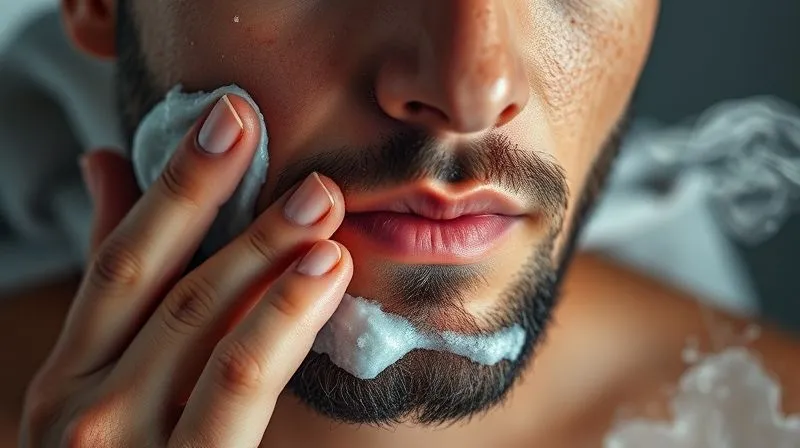
Hydration: Warm Water & Pre-Shave Oil
Hydrating the skin and hair is non-negotiable. Warm water softens the hair, reducing the force needed to cut it, thereby minimizing tugging and irritation. Following this, a pre-shave oil creates a protective barrier between your skin and the razor.
- Softens Hair: Warm water makes hair 60% easier to cut, according to dermatological studies.
- Lubricates Skin: Pre-shave oil provides an extra layer of slickness, allowing the razor to glide effortlessly, reducing friction and preventing nicks and cuts.
- Protects Against Drag: It minimizes the direct contact of the blade with your skin, significantly reducing the likelihood of razor burn.
Choosing Your Arsenal: Tools of the Trade
The tools you use are just as important as the technique. Investing in quality implements designed for sensitive skin can make a profound difference in how to prevent razor burn and ingrown hairs for daily professional shaving.
The Right Razor: Multi-Blade vs. Single-Blade vs. Electric
This is where personal preference meets skin science. Each razor type has its pros and cons:
- Multi-Blade Cartridge Razors: While popular for convenience and a close shave, they can be problematic. Each blade shaves the hair progressively shorter, with the first blade lifting the hair, and subsequent blades cutting it below the skin's surface. This 'sub-surface' cut significantly increases the risk of ingrown hairs as the hair grows back.
- Single-Blade Safety Razors: My personal recommendation for most individuals, especially those prone to irritation. A single, sharp blade cuts the hair at the skin's surface, minimizing the chance of ingrown hairs. They require a bit more skill and a lighter touch but offer unparalleled closeness without irritation.
- Electric Shavers: A good option for extremely sensitive skin or those who prefer a less close shave. They don't cut as close to the skin, which can prevent ingrown hairs but might not provide the 'baby-smooth' finish many professionals desire.
Invest in quality over quantity; a good razor is a long-term investment in your skin's health and comfort. A sharp blade is always safer than a dull one.
Superior Shaving Cream/Soap
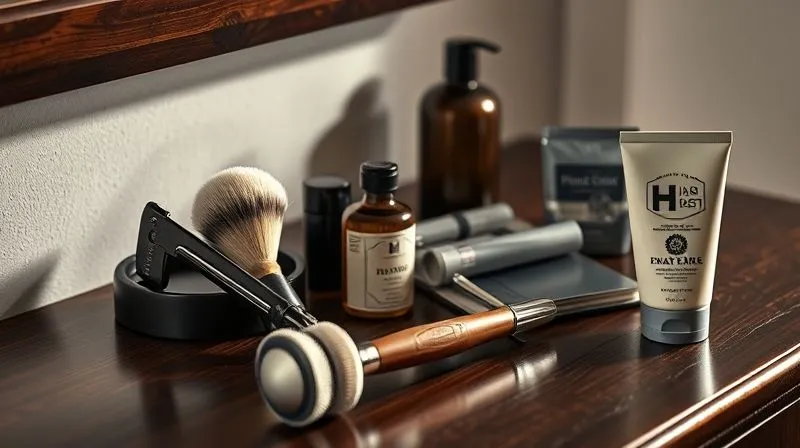
Forget the aerosol foams. A high-quality shaving cream or soap, applied with a badger or synthetic brush, creates a rich, dense lather that lifts hairs, lubricates the skin, and provides a cushioning layer. Look for ingredients like glycerin, lanolin, and natural oils.
| Type | Benefit | Best For |
|---|---|---|
| Shaving Cream | Rich, dense lather; excellent cushioning | Dry, sensitive skin; traditional wet shaving |
| Shaving Soap | Extremely dense, slick lather; long-lasting | Oily, normal skin; experienced wet shavers |
| Shaving Gel | Transparency for precision; quick application | Quick shaves; defining beard lines |
Post-Shave Balms & Serums
These are not just luxuries; they are essential for calming, hydrating, and repairing the skin after the trauma of shaving. Avoid alcohol-based aftershaves, which strip natural oils and can cause extreme dryness and irritation. Instead, opt for balms or lotions rich in:
- Aloe Vera: For soothing and healing.
- Witch Hazel: A natural astringent that reduces inflammation.
- Hyaluronic Acid: For intense hydration.
- Salicylic Acid (in small concentrations): Can help prevent ingrown hairs by gently exfoliating.
Mastering the Technique: The Art of the Shave
Even with the best products, poor technique will undermine your efforts. This is where true mastery comes into play, ensuring you know how to prevent razor burn and ingrown hairs for daily professional shaving.
Shaving Direction: With the Grain, Not Against It
Always shave with the grain (in the direction your hair grows) for the first pass. This is the single most important technique for preventing razor burn and ingrown hairs. While shaving against the grain might feel like it gives a closer shave, it pulls the hair up and cuts it at a sharper angle, increasing the likelihood of it curling back into the skin.
Pressure & Strokes: Light Touch, Short Passes
Let the razor do the work. Excessive pressure is a primary cause of razor burn, as it scrapes away skin cells along with the hair. Use short, controlled strokes, rinsing your blade after every 1-2 passes to prevent clogging.
- First Pass (With the Grain): Apply your lather generously. Shave with light, short strokes following the direction of hair growth. This removes the bulk of the hair.
- Second Pass (Optional, Across the Grain): If you desire a closer shave and your skin can tolerate it, re-lather and shave across the grain (perpendicular to hair growth). Avoid against-the-grain passes if you're prone to irritation.
- No More Than Two Passes: Limit yourself to one or two passes. More than this significantly increases irritation.
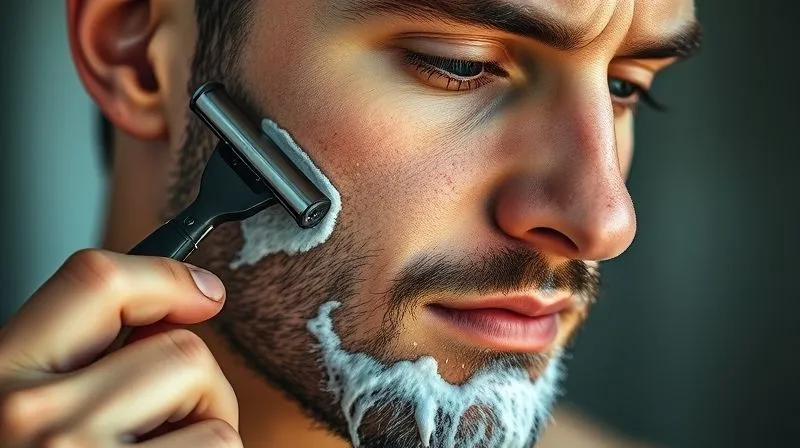
Rinsing & Razor Care
Rinse your razor blade frequently under hot water during your shave to remove hair and lather buildup. After your shave, rinse the blade thoroughly, shake off excess water, and allow it to air dry. Never tap your razor against the sink, as this can damage the delicate blade alignment. Replace cartridge blades after 5-7 uses, and safety razor blades after 2-3 uses, or when you feel any tugging.
The Aftermath: Post-Shave Care Essentials
The minutes immediately following your shave are crucial for calming the skin and preventing issues. This critical step completes the cycle of how to prevent razor burn and ingrown hairs for daily professional shaving.
Cold Rinse & Pat Dry
Splash your face with cold water immediately after shaving. This helps to close pores, reduce inflammation, and provide a refreshing sensation. Gently pat your face dry with a clean, soft towel. Avoid rubbing, as this can re-irritate freshly shaved skin.
Soothing Aftershave Balm/Lotion
As mentioned earlier, apply a high-quality, alcohol-free aftershave balm or lotion. This step replenishes moisture, soothes any residual irritation, and forms a protective barrier. Look for ingredients that hydrate and heal, rather than sting and dry.
Spot Treatment for Emerging Bumps
If you still notice a stubborn ingrown hair or a developing bump, a targeted spot treatment can be beneficial. Products containing salicylic acid, glycolic acid, or tea tree oil can help to gently exfoliate, reduce inflammation, and encourage the hair to grow out naturally. Apply sparingly and only to affected areas.
Developing a Sustainable Daily Routine
Consistency and adaptation are the hallmarks of a truly effective grooming strategy. This isn't a one-time fix; it's a commitment to your skin's health.
Consistency is Key
Adhering to your refined pre-shave, shave, and post-shave routine every single day is paramount. Skipping steps, especially preparation, will inevitably lead to a return of irritation. Your skin thrives on predictability and proper care.
Listen to Your Skin
Every individual's skin is unique. Pay close attention to how your skin reacts to different products and techniques. If a certain product causes redness or discomfort, discontinue use. If a particular razor type consistently causes issues, explore alternatives. Your skin will tell you what it needs.
Case Study: David's Transformation from Shaving Nightmare to Smooth Success
David, a junior executive at a fast-paced marketing firm, was constantly battling inflamed skin, painful ingrown hairs, and an overall uneven complexion. His daily professional shaving routine was a source of dread. He'd tried numerous 'sensitive skin' products with little success. After attending one of my grooming workshops, David adopted a meticulous pre-shave ritual, incorporating a gentle exfoliant three times a week and always using a hot towel and pre-shave oil. He switched from a multi-blade cartridge to a single-blade safety razor and committed to shaving strictly with the grain, followed by an alcohol-free balm. Within two weeks, David's skin showed remarkable improvement. The redness subsided, ingrown hairs became a rare occurrence, and he reported a significant boost in confidence. This resulted in a more polished, approachable professional demeanor, which he felt positively impacted his interactions at work.
Advanced Strategies & Troubleshooting
Sometimes, even with the best routine, persistent issues can arise. Here are some advanced considerations and troubleshooting tips.
The Electric Shaver Option
For some, especially those with very sensitive skin or extremely coarse, curly hair that tends to ingrow, an electric shaver might be the best long-term solution. While it won't provide the closest shave, it significantly reduces the risk of cutting hair below the skin's surface. Modern electric shavers, particularly foil types, have improved dramatically in performance and comfort.
Chemical Exfoliants for Stubborn Ingrowns
If you continue to experience stubborn ingrown hairs, consider incorporating a leave-on chemical exfoliant (like a toner with BHA or AHA) into your non-shaving days. These acids gently dissolve dead skin cells, keeping the follicle clear and allowing hair to grow out freely. Start with low concentrations and patch test first. The American Academy of Dermatology offers excellent resources on managing ingrown hairs.
Don't underestimate the power of consistency; even small daily improvements compound into significant results. Patience and persistence are your allies in achieving consistently clear, smooth skin.
When to See a Dermatologist
While these strategies are highly effective for most, severe or persistent cases of razor burn, folliculitis, or cystic ingrown hairs may require professional medical attention. A dermatologist can offer prescription-strength treatments, such as topical antibiotics or retinoids, or discuss options like laser hair removal for a permanent solution to ingrown hairs.
| Symptom | Action |
|---|---|
| Persistent Redness/Irritation | Review technique, try new products, ensure daily hydration |
| Painful Cysts/Pustules | Consult a dermatologist promptly; may indicate infection |
| Frequent Ingrown Hairs | Incorporate chemical exfoliation, consider laser hair removal in severe cases |
Frequently Asked Questions (FAQ)
Q: Can I really shave daily without irritation? A: Absolutely. With the right routine, proper tools, and meticulous technique, daily shaving can be a comfortable and irritation-free experience. The key is consistency and listening to your skin's needs. Many professionals maintain a daily shave effortlessly by following these principles.
Q: What's the best razor for sensitive skin? A: For most individuals with sensitive skin, a single-blade safety razor is often recommended. It minimizes the number of blade passes over the skin, reducing irritation. However, a high-quality electric shaver can also be an excellent alternative if you struggle with any blade-based shaving. It's about finding what works best for your unique skin and hair type.
Q: How long does it take to see results? A: While immediate improvements in comfort are often felt after the first few mindful shaves, significant reduction in razor burn and ingrown hairs typically takes 2-4 weeks of consistent adherence to the new routine. Your skin needs time to heal and adapt. Patience is crucial.
Q: Is it better to shave in the morning or evening? A: Morning shaves are common for professionals due to convenience and the immediate need for a clean-shaven look. Shaving after a warm shower is ideal, as the steam helps soften the hair. However, if your skin is particularly sensitive, an evening shave might allow your skin more time to recover overnight before facing environmental stressors.
Q: Can diet affect my skin's susceptibility to razor burn? A: While direct links between specific foods and razor burn are debated, a healthy diet rich in antioxidants, vitamins (especially A, C, E), and omega-3 fatty acids supports overall skin health, reducing inflammation and promoting healing. Staying well-hydrated is also fundamental for healthy skin barrier function.
Key Takeaways and Final Thoughts
- Prioritize Preparation & Post-Care: Your shave's success is determined by what happens before and after the blade.
- Choose Quality Tools: Invest in a good razor, superior cream, and an alcohol-free aftershave.
- Master Gentle Technique: Shave with the grain, use a light touch, and limit passes.
- Consistency is Vital: Adhere to your routine daily for lasting results.
- Listen to Your Skin: Adapt your approach based on your skin's unique needs and responses.

The journey to a consistently smooth, irritation-free shave is one of education, practice, and self-awareness. By implementing these expert strategies, you're not just preventing razor burn and ingrown hairs; you're cultivating a healthier, more confident you. Embrace this refined approach to daily professional shaving, and step forward with the impeccable grooming that truly reflects your best self. Your skin will thank you, and your professional presence will undoubtedly shine brighter.
Recommended Reading
- Unlocking the Future: How Self-Healing Fabrics Extend Garment Lifespan
- Mastering Remote Haute Couture: 7 Steps for Perfect Client Fit & Satisfaction
- Unlock Vintage Appeal: 9 Strategies to Modernize Historical Fashion for Today
- 7 Data Analytics Methods to Predict Emerging Sneaker Trends Accurately
- Zero Waste Fashion Wardrobe: Your Ultimate Start-Up Guide





Your email address will not be published. Required fields are marked *