5 Pillars: Differentiating Your Streetwear Brand in a Crowded Urban Market
Struggling to stand out? Discover 5 expert strategies on how to differentiate urban streetwear brand in oversaturated market. Learn to craft unique identity & thrive. Get insights now!
5 Pillars: Differentiating Your Streetwear Brand in a Crowded Urban Market
How to Differentiate Urban Streetwear Brand in Oversaturated Market?
For over two decades in the urban fashion landscape, I've witnessed the exhilarating rise of streetwear from a niche subculture to a global phenomenon. But with this explosion comes a significant challenge: market saturation. I've seen countless promising brands, armed with great designs, falter not because their product was bad, but because they simply couldn't carve out their own space in the crowded market.
Today, launching an urban streetwear brand feels like throwing a pebble into an ocean of identical stones. Consumers are bombarded with options, making it incredibly difficult for a new or even established brand to resonate, build loyalty, and achieve sustainable growth. The question isn't just 'what's next?' but 'how do we even get noticed?'
In this definitive guide, I'll share the frameworks, actionable strategies, and insider insights I've gathered over years of working with successful and struggling brands. We’ll delve into the core principles of identity, authenticity, community, and innovation, providing you with a clear roadmap on how to differentiate urban streetwear brand in oversaturated market, not just survive, but truly thrive.
Unearthing Your Brand's Unshakeable Core Identity
Differentiation begins not with your product, but with your purpose. In a market where anyone can print a graphic tee, your brand's true north – its core identity – is your most potent weapon against anonymity. This isn't just about a logo or a color palette; it's about the soul of your brand.
Beyond Aesthetics: Defining Your Purpose and Philosophy
Many brands start with designs, but truly successful ones start with a 'why.' Why does your brand exist beyond making clothes? What values do you embody? What message do you want to send?
Actionable Steps for Defining Your Purpose:
Self-Reflection Workshop: Gather your team (or just yourself) and answer these questions: What problem does your brand solve? What belief system drives you? What emotion do you want to evoke in your customers?
Identify Your 'North Star': Condense your answers into a concise mission statement and a set of core values. These aren't just for your website; they should inform every decision, from design to marketing.
Examine Your Roots: Where did your passion for streetwear come from? What original urban subcultures or movements inspire you? Tapping into this authentic origin story can provide a unique foundation.
"In an age of endless choices, authenticity is not just a buzzword; it's the bedrock of lasting brand loyalty. Consumers are savvy; they can smell inauthenticity a mile away."
Your purpose should be so clear that it guides every aspect of your brand's existence. It's the filter through which all creative and strategic decisions pass.
Photorealistic professional photography of a single, intricately designed streetwear brand logo projected onto a rough concrete wall in a dimly lit urban alley, surrounded by blurred graffiti. Cinematic lighting emphasizes the logo's unique design, sharp focus, depth of field, 8K hyper-detailed, conveying a powerful sense of brand identity and origin.
Crafting a Unique Brand Story
Once you have your purpose, you need to tell its story. A compelling brand story isn't just a history lesson; it's an ongoing narrative that connects with your audience on an emotional level. It explains who you are, what you stand for, and why you matter.
According to research by Harvard Business Review, brands that master storytelling create deeper connections and foster stronger loyalty. Your story should be woven into every touchpoint: your website's 'About Us' page, social media posts, product descriptions, and even the packaging.
Elements of a Powerful Brand Story:
The Origin: How did the brand come to be? What challenges were overcome?
The Protagonist: Who is the brand for? What are their aspirations, struggles, and values?
The Conflict: What problem in the urban streetwear market does your brand address? (e.g., lack of authentic representation, unsustainable practices, generic designs).
The Resolution: How does your brand offer a unique solution or vision?
This narrative provides context and meaning to your products, transforming them from mere garments into symbols of a shared identity and belief system.
Mastering Niche Domination and Subculture Deep Dive
Trying to be everything to everyone in the urban streetwear market is a recipe for mediocrity. To truly differentiate, you must embrace the power of the niche. This means diving deep into specific subcultures and understanding their unique needs, desires, and unspoken codes.
Identifying Your Hyper-Specific Audience
The biggest mistake I've seen brands make is defining their target audience too broadly, like 'young people who like streetwear.' This is a trap. The urban landscape is a mosaic of micro-cultures, each with its own aesthetic, values, and language. Your brand needs to speak directly to one or two of these.
Actionable Steps for Niche Identification:
Demographic & Psychographic Analysis: Go beyond age and location. What are their interests, values, media consumption habits, political views, and aspirations? Are they into skateboarding, hip-hop, gaming, art, sustainability, activism, specific music genres?
Subculture Mapping: Research existing urban subcultures. Think 'techwear enthusiasts,' 'vintage sportswear collectors,' 'conscious consumers seeking sustainable street style,' 'DIY punk-street fusion,' or 'Afrofuturist fashion.'
Competitor Analysis (Reverse Engineering): Look at successful niche brands. Who are they serving? How do they communicate? What gaps do they leave?
Persona Development: Create detailed customer personas for your ideal niche audience. Give them names, backstories, and specific needs.
By narrowing your focus, you can create products and messaging that resonate deeply with a dedicated group, fostering intense loyalty that broad brands can only dream of.
Speaking the Language of Your Tribe
Once you've identified your niche, you must immerse yourself in its culture. This means understanding their slang, their visual cues, their heroes, and their pain points. Your communication should feel like an inside joke, a nod of understanding that only true members of the tribe would get.
"Authenticity in communication isn't about trying to sound 'cool'; it's about genuinely understanding and reflecting the values of your chosen subculture. If it feels forced, it will be rejected."
This authenticity extends to your collaborations, your event participation, and even the platforms you choose to engage on. Are your customers on TikTok, Discord, specific forums, or local community events?
Case Study: 'VibeVault' – From Generic to Gen Z Goth
VibeVault, initially a broad 'urban wear' brand, struggled with sales and brand recognition in a saturated market. After deep market research, they pivoted to focus exclusively on the 'dark academia' and 'street goth' subcultures within Gen Z. They redesigned their aesthetic, messaging, and community engagement to hyper-target this niche. Their product lines shifted to incorporate more intricate gothic lettering, oversized silhouettes, and darker palettes, while their social media content featured mood boards, curated playlists, and collaborations with micro-influencers deeply embedded in these subcultures. Within 18 months, their engagement rates tripled, and sales saw a 200% increase, proving that narrow focus can lead to broad success within a defined segment by truly understanding how to differentiate urban streetwear brand in oversaturated market.
Vibrant prints, cultural storytelling, empowerment, futuristic silhouettes, heritage celebration
Art & culture festivals, specific online communities, collaborations with artists
Product Innovation and Uncompromising Quality
While identity and niche are crucial, your product must still deliver. In a market flooded with fast fashion, innovation and quality are non-negotiable differentiators. This means pushing boundaries in design, materials, and ethical production.
The Power of Unique Design Elements
Your designs must go beyond current trends. What unique elements can you introduce? Is it a novel silhouette, a proprietary fabric blend, a unique graphic application technique, or perhaps multi-functional garments that adapt to different urban environments?
Examples of Unique Design Elements:
Modular Components: Jackets with detachable sleeves or hoods that transform the garment.
Smart Textiles: Fabrics that react to temperature, light, or incorporate subtle tech features.
Artistic Collaborations: Limited edition pieces featuring original artwork from local urban artists.
Functional Innovation: Hidden pockets, integrated tech sleeves, reflective elements for safety in low light.
Deconstructed/Reconstructed Pieces: Taking existing garments and giving them a unique, handcrafted twist.
Think about what makes a customer stop and say, "I've never seen anything like that before."
Sustainable Practices as a Differentiator
The modern consumer, especially within the urban demographic, is increasingly conscious of environmental and social impact. Integrating sustainable practices is no longer a 'nice-to-have' but a powerful way to differentiate your brand.
According to the McKinsey State of Fashion report, sustainability remains a top consumer concern. Brands that are transparent about their supply chain, use recycled or organic materials, implement ethical labor practices, and offer repair or take-back programs build immense trust and appeal.
"Sustainability isn't just about saving the planet; it's about building a brand with integrity. It's a statement about your values that resonates deeply with conscious consumers."
Actionable Steps for Integrating Sustainability:
Source Ethically: Partner with suppliers who provide organic cotton, recycled polyester, hemp, or innovative eco-friendly materials.
Transparent Supply Chain: Communicate clearly where your materials come from and how your products are made.
Durability & Longevity: Design for quality and timelessness, encouraging consumers to buy less and keep items longer.
Waste Reduction: Implement zero-waste patterns, upcycling initiatives, or on-demand production to minimize excess inventory.
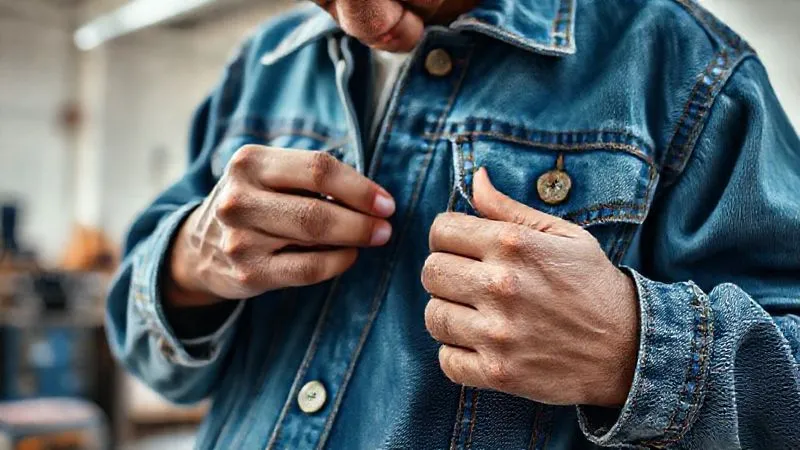
Photorealistic professional photography of a streetwear designer meticulously hand-stitching intricate details onto a unique, sustainable denim jacket made from recycled materials, in a sunlit, modern studio. Cinematic lighting highlights the craftsmanship, sharp focus on the hands and stitching, depth of field blurring the background, 8K hyper-detailed, conveying quality and innovation.
Building a Resilient Community, Not Just Customers
In a saturated market, transactions are fleeting, but community is enduring. Your brand's true power lies in its ability to foster a sense of belonging among its audience. This transforms passive consumers into active advocates.
Engaging Your Audience Beyond Transactions
Don't just sell clothes; cultivate relationships. Create spaces and opportunities for your audience to interact with your brand and with each other. This builds an ecosystem around your brand, making it much harder for competitors to replicate.
Actionable Steps for Community Building:
Host Local Events: Organize pop-up shops that double as art installations, fashion shows featuring local talent, workshops (e.g., screen printing, customization), or community clean-up drives.
User-Generated Content (UGC) Campaigns: Encourage customers to share how they style your products, offering incentives or featuring their content on your official channels. This validates their style and builds collective identity.
Exclusive Online Forums/Groups: Create a private Discord server or Facebook group where loyal customers can connect, share ideas, and provide feedback.
Collaborate with Community Leaders: Partner with local artists, musicians, dancers, or activists who align with your brand's values, giving them a platform and connecting with their followers.
This deep engagement makes your brand feel like a movement, not just a product line.
Leveraging Influencers and Micro-Communities Authentically
The age of mega-influencers is waning; the power of micro-influencers and genuine community leaders is on the rise. These individuals have smaller, but highly engaged and trusting audiences. Partnering with them offers a more authentic pathway to your niche.
"True influence comes from trust, not just reach. Focus on building genuine relationships with individuals who authentically embody your brand's spirit, regardless of their follower count."
As Forbes highlights, micro-influencers often achieve higher engagement rates because their recommendations feel more personal and trustworthy. They are part of the community, not just paid advertisers.
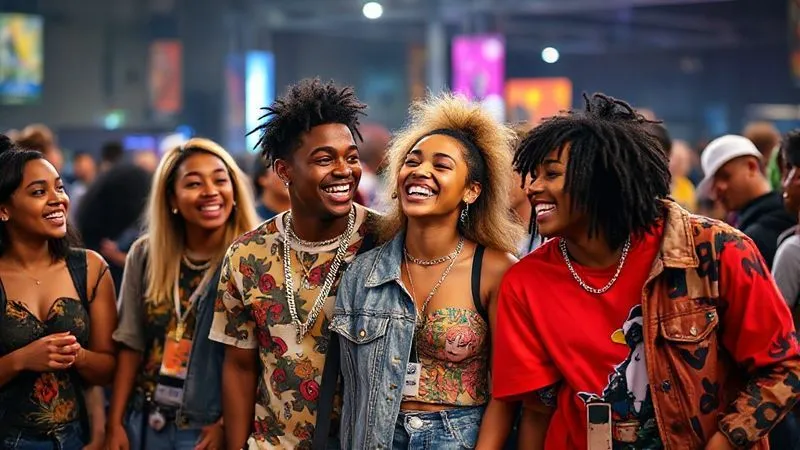
Photorealistic professional photography of a diverse group of young, stylish individuals wearing distinct streetwear pieces, laughing and interacting at a vibrant urban community event. Cinematic lighting, sharp focus on their authentic expressions and diverse styles, depth of field blurring the lively background, 8K hyper-detailed, conveying strong community and belonging.
Strategic Marketing and Disruptive Storytelling
Marketing in a saturated market isn't about shouting the loudest; it's about telling the most compelling story in the most unexpected ways. Your marketing efforts should be an extension of your unique identity and purpose.
Crafting Campaigns That Speak Volumes
Move beyond generic product shots. Your campaigns should evoke emotion, challenge norms, or create a conversation. Think about what your brand stands for and how you can visually and narratively communicate that.
Examples of Disruptive Campaigns:
Narrative-Driven Lookbooks: Instead of just models posing, create a short film or a photo series with a compelling storyline featuring your collection.
Social Commentary: Use your platform to address social issues relevant to your urban audience, aligning your brand with a cause.
Interactive Digital Experiences: Create augmented reality filters, virtual try-ons, or gamified content that engages users directly with your brand story.
Guerrilla Marketing: Unexpected street art installations, pop-up events in unconventional locations, or viral challenges that generate organic buzz.
The goal is to create content that people want to share, not because it's an ad, but because it's interesting, inspiring, or thought-provoking.
The Art of Experiential Marketing
In a digital world, physical experiences become incredibly valuable. Experiential marketing creates memorable, immersive encounters that deepen brand connection and provide unique content opportunities.
"Experiences are the new luxury. When you create an unforgettable moment around your brand, you're not just selling a product; you're selling a memory and a feeling that lasts."
Consider pop-up shops that offer more than just shopping – perhaps they include live music, art exhibits, customization stations, or collaborations with local food vendors. These events become destinations and cultural hubs, rather than just retail spaces.
Personalized content based on niche interests, exclusive early access, community spotlights, behind-the-scenes content.
Open Rate, Click-Through Rate, Conversion Rate
Experiential Marketing (Pop-ups, Events)
Themed installations, live art, music performances, interactive product customization workshops, local collaborations.
Event Attendance, Social Media Mentions, Media Coverage
Mastering the Art of Collaboration and Co-Creation
In a hyper-connected world, going it alone is often a disadvantage. Strategic collaborations and empowering your community through co-creation are powerful ways to expand your reach, inject fresh perspectives, and build loyalty.
Strategic Partnerships with Complementary Brands
Look beyond direct competitors. Identify brands, artists, musicians, or even tech companies that share your target audience and values but offer a different product or service. A streetwear brand collaborating with a sneaker customizer, a local coffee shop, a music festival, or even a specific gaming community can create synergistic buzz.
Actionable Steps for Identifying Partners:
Value Alignment: Ensure potential partners share your brand's core values and aesthetic. An incongruent collaboration can confuse your audience.
Audience Overlap: Choose partners whose audience is similar to yours but not identical, allowing you to tap into new segments.
Mutual Benefit: Clearly define what each partner brings to the table and what they hope to gain. A truly successful collaboration is a win-win.
Creative Synergy: Look for partners whose creative output can genuinely enhance or complement yours, resulting in a unique product or experience.
These partnerships can result in limited-edition drops, co-hosted events, or integrated marketing campaigns that generate excitement and introduce your brand to new, highly engaged audiences.
Empowering Your Community Through Co-Creation
The ultimate form of engagement is inviting your community to be part of the creative process. Co-creation not only generates unique designs but also builds an unparalleled sense of ownership and loyalty among your customers.
"When you allow your community to shape your brand, you're not just building products; you're building a shared legacy. They become invested in your success because it's their success too."
This could involve asking for input on new colorways, voting on design elements for a future collection, or even running design competitions where the winning entry gets produced. By giving your audience a voice and a stake, you transform them from consumers into collaborators.
The Imperative of Agility and Constant Evolution
The urban streetwear landscape is dynamic, constantly shifting with new trends, technologies, and cultural movements. To differentiate and maintain relevance, your brand must be agile, constantly learning, and willing to evolve.
Embracing Feedback and Iteration
Don't just launch and hope for the best. Actively seek feedback from your community, analyze sales data, and critically evaluate your campaigns. What resonated? What fell flat? Why?
Actionable Steps for Feedback Loops:
Direct Customer Surveys: Use simple online surveys after purchases or product launches to gather insights on fit, quality, design, and overall experience.
Social Listening: Monitor social media conversations, comments, and mentions related to your brand and the broader streetwear market.
Community Forums: Leverage your private online groups for honest, direct feedback and suggestions from your most loyal customers.
Sales Data Analysis: Identify best-selling items, slow movers, and patterns in purchasing behavior. This quantitative data is invaluable.
According to research, companies that actively listen to customer feedback and iterate based on it tend to outperform those that don't. This shows your customers that you value their input, building trust and loyalty.
Staying Ahead of Trends (Without Chasing Them)
There's a fine line between being trend-aware and trend-chasing. True differentiation comes from understanding emerging cultural shifts and interpreting them through your unique brand lens, rather than simply copying what's popular.
"Innovation isn't about being first to market with every new trend; it's about being first to define how that trend aligns with your brand's unique narrative and values."
This requires a deep understanding of your niche and the foresight to anticipate where culture is heading. It involves researching art, music, technology, and social movements, not just other fashion brands. By doing so, you can introduce fresh perspectives that feel authentic to your brand while also being culturally resonant.
Frequently Asked Questions (FAQ)
How important is pricing in differentiation for urban streetwear brands?Pricing is a significant differentiator, but not in isolation. While a premium price can signal exclusivity and quality, it must be justified by your brand's unique value proposition – be it design, sustainability, community, or story. Conversely, a lower price point can differentiate through accessibility, but risks being perceived as 'fast fashion' if not backed by a compelling brand narrative. The key is value alignment: your price should reflect your brand's identity and what your target niche is willing to pay for that specific value.
Can a brand differentiate solely on quality in an oversaturated market?While essential, quality alone is rarely enough to differentiate a streetwear brand in today's market. Many brands offer good quality. True differentiation comes when uncompromising quality is combined with a unique brand identity, a compelling story, innovative design, and a strong community connection. Quality is the baseline expectation; the other elements are what make your brand truly stand out and resonate emotionally.
What role does sustainability play for urban streetwear brands trying to differentiate?Sustainability plays an increasingly critical role. Modern urban consumers, particularly younger demographics, are highly conscious of environmental and ethical practices. Brands that genuinely embed sustainability – from sourcing to production to packaging – can differentiate themselves significantly by appealing to these values. It builds trust, enhances brand reputation, and taps into a growing market segment that prioritizes conscious consumption. Transparency in your sustainable efforts is key to making this a credible differentiator.
How quickly should I expect to see differentiation results after implementing these strategies?Differentiation is a long-term strategy, not a quick fix. You should expect to see gradual improvements in brand recognition, engagement, and customer loyalty within 6-12 months of consistent implementation. Significant market positioning and a truly distinctive brand identity can take 2-3 years or more to solidify. It requires patience, consistent effort, and a willingness to adapt based on feedback and market response. Focus on building enduring value, not chasing fleeting trends.
Is it possible for an existing, generic brand to pivot and differentiate itself in the urban streetwear market?Absolutely, it's not only possible but often necessary. Many established brands have successfully undergone reinvention. The process typically involves a brutal self-assessment of the current brand, identifying a new, hyper-specific niche, redefining the core identity and story, and then systematically overhauling product design, marketing, and community engagement to align with the new vision. It requires courage, investment, and a clear, unwavering commitment to the new direction.
Key Takeaways and Final Thoughts
Define Your Core Identity: Your 'why' is more important than your 'what.' A strong purpose and authentic story are your most powerful differentiators.
Embrace Niche Domination: Don't try to appeal to everyone. Focus on a hyper-specific subculture and speak their language fluently.
Innovate with Product & Quality: Go beyond trends. Offer unique designs, superior quality, and consider sustainable practices as a core value.
Build a Community, Not Just Customers: Foster engagement, create experiences, and leverage micro-influencers for genuine connections.
Be Agile and Collaborative: Seek feedback, iterate, and strategically partner with complementary brands and even your own community through co-creation.
The urban streetwear market is undeniably saturated, but it's also brimming with opportunity for those brave enough to forge their own path. Differentiating your brand isn't about grand gestures; it's about a consistent, authentic commitment to your unique identity, your chosen community, and the unwavering pursuit of excellence. By applying these expert strategies, you can not only learn how to differentiate urban streetwear brand in oversaturated market but also build a resilient, beloved brand that stands the test of time.
I'm self-taught, passionate about writing, and driven by the desire to understand the world — one subject at a time. I've dived into copywriting, SEO, and content production, all hands-on. This blog is where I bring all the pieces together. If you're also the curious type, you'll feel right at home.
0 Comments
Leave a Comment
Your email address will not be published. Required fields are marked *
Tired of seeing the same streetwear outfits? Learn insider tips & tricks to cultivate your unique style and avoid the cookie-cutter look. Express yourself!
Tired of returns? Discover 5 expert strategies to reduce fit complaints on oversized streetwear orders. Implement precise sizing guides & visual aids to boost customer satisfaction. Get actionable steps here!
Is your streetwear accessory collection struggling? Uncover 7 expert-backed strategies to reignite demand, from product refinement to community building. Learn how to boost demand for a struggling streetwear accessory collection and thrive.
Streetwear hoodies losing shape after washing? Discover the hidden causes hurting your brand reputation. Learn expert solutions to ensure fabric longevity and customer satisfaction. Stop the shape-loss now!





Your email address will not be published. Required fields are marked *