

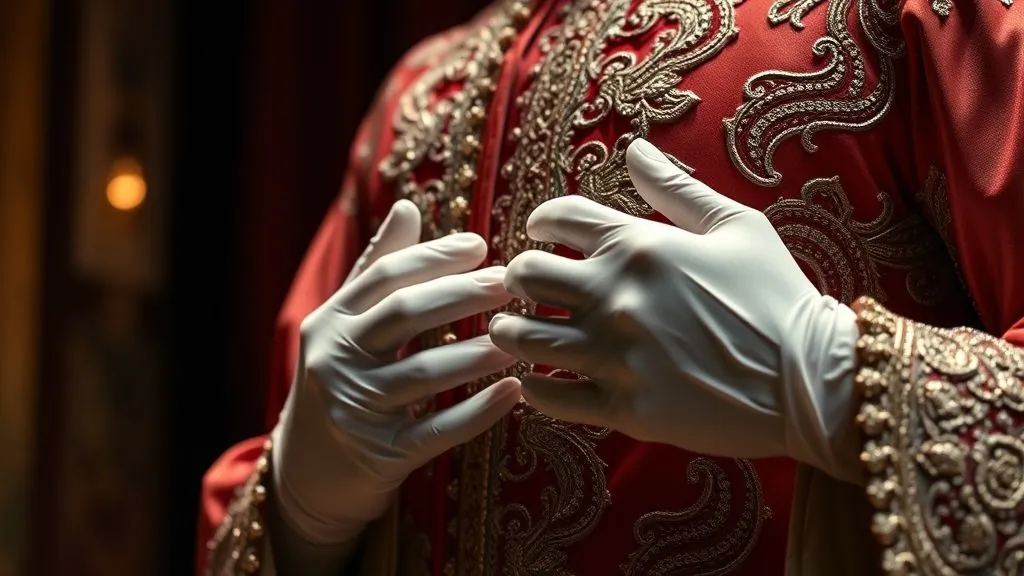
Solving Textile Art Degradation on High-Stress Theatrical Costumes? An Expert's Guide
For over two decades in the vibrant, demanding world of costume design, I've witnessed firsthand the breathtaking beauty and the heartbreaking fragility of textile art on theatrical costumes. There's a unique magic in an elaborately embroidered gown or a heavily beaded tunic catching the stage lights, but I've also seen these masterpieces, painstakingly crafted over hundreds of hours, begin to fray, detach, and degrade after just a few high-energy performances. It's a common, often devastating, challenge for costume designers and technicians.
The relentless cycle of rehearsals, performances, quick changes, sweat, friction, and repeated cleaning takes an immense toll, far beyond what street clothes or even museum pieces endure. This isn't just about wear and tear; it's about the very integrity of the artistic expression, the narrative impact, and the financial investment crumbling before our eyes. The problem isn't just frustrating; it undermines the very essence of theatrical storytelling, forcing compromises or costly, time-consuming repairs.
This comprehensive guide isn't just a collection of tips; it's a deep dive into the strategic frameworks and innovative techniques I've developed and refined throughout my career. We'll explore everything from foundational material science to cutting-edge protection methods, offering actionable, expert-level insights to significantly extend the life and preserve the beauty of textile art on even the most high-stress theatrical costumes. You'll learn how to build resilience from the ground up, implement proactive safeguards, and master advanced maintenance protocols, ensuring your textile art stands the test of the stage.
1. Deconstructing Degradation: Understanding Theatrical Stressors
Before we can solve textile art degradation, we must first deeply understand its root causes within the unique theatrical environment. It's not a single factor but a confluence of aggressive forces that conspire against delicate textile art. In my experience, many designers focus on the initial aesthetic without fully anticipating the brutal reality of a costume's life on stage.
The Mechanics of On-Stage Wear and Tear
The primary culprits are mechanical stresses: intense physical movement, repeated friction against other surfaces (costumes, props, sets), and constant handling during quick changes. Dancers, acrobats, and actors engaged in vigorous choreography place incredible strain on every seam, every embellishment, and every fiber. This can lead to:
- Abrasion: Rubbing against skin, other fabrics, or stage elements, causing fibers to break down and embellishments to scuff.
- Tension: Stretching and pulling during movement, leading to thread breakage, seam splitting, and detachment of applied elements.
- Impact: Accidental bumps or falls, which can shatter beads, tear delicate appliqués, or distort embroidery.
Beyond mechanical stress, environmental factors play a significant role. Stage lighting, especially intense heat lamps, can accelerate fiber decay and cause dyes to fade. Perspiration, often highly acidic, can stain, weaken fibers, and even corrode metallic threads or sequins. The sheer volume of wear, often over dozens or hundreds of performances, compounds these issues exponentially.
Cleaning, while necessary, is often another source of degradation. Harsh chemicals, aggressive machine cycles, or improper handling during spot treatments can do more harm than good, weakening delicate structures and causing dyes to bleed or embellishments to loosen. It's a complex interplay, demanding a multi-faceted approach to truly address costume longevity.
2. The Resilient Foundation: Strategic Material Selection & Preparation
The battle against degradation begins long before the first stitch is sewn. Selecting the right base materials and preparing them correctly is paramount. I've learned that even the most exquisite textile art will fail if its foundation isn't robust enough to withstand the rigors of performance.
Choosing & Pre-Treating Base Fabrics for Endurance
When selecting your base fabric, think beyond aesthetics. Consider fiber content, weave, and inherent durability. While silk dupioni might be beautiful, a polyester-silk blend or a high-denier technical fabric might offer similar drape with significantly better abrasion resistance. Natural fibers like linen and cotton can be durable, but often benefit from treatments to enhance wrinkle recovery and stain resistance. Synthetic blends, particularly those with stretch, are often superior for active costumes.
Actionable Steps for Foundation Resilience:
- Fiber Analysis: Prioritize fabrics with inherent strength and abrasion resistance. Consider technical fabrics designed for sportswear or industrial use if aesthetics allow.
- Weave Structure: Opt for tightly woven fabrics like twills or sateens over loosely woven plain weaves, as they offer greater stability and snag resistance.
- Pre-Shrinking & Testing: Always pre-shrink fabrics to prevent distortion after cleaning. Test dye fastness rigorously with your intended cleaning methods.
- Stabilizing Backings: For delicate or loosely woven fabrics intended for heavy embellishment, use fusible interfacings or non-woven backings to add stability and distribute the weight of the textile art. This creates a stronger canvas.
- Fabric Coatings: Explore commercial fabric protectors that offer water and stain resistance without altering hand too much.
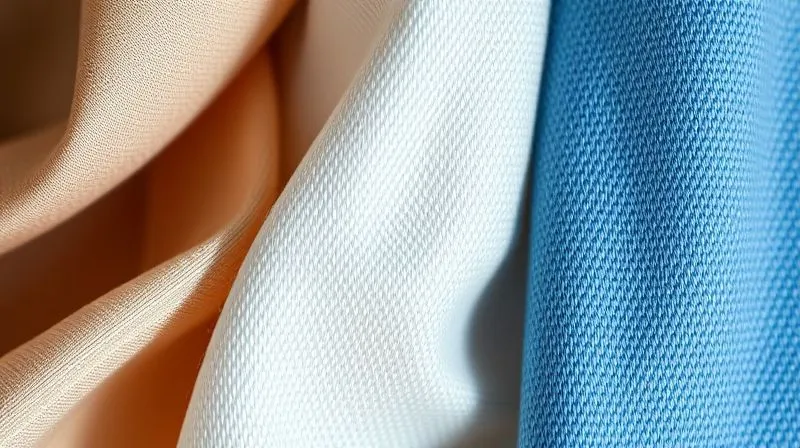
A well-chosen and properly prepared base fabric acts as the primary defense against stress, providing a stable canvas that protects the delicate textile art applied to it. This foundational work is often unseen but is absolutely critical for long-term costume integrity.
3. Engineering Durability into Textile Art Techniques
The art itself must be engineered for endurance. This means moving beyond purely aesthetic considerations to integrate structural integrity into every stitch, bead, and painted stroke. I often approach textile art with an engineer's mindset, asking: 'How can this withstand repeated stress?'
Reinforcing Embellishments & Dye Fastness
Hand embroidery, often the most vulnerable, requires specific techniques:
- Couching & Backing: For heavy threads or cords, couch them down with fine, strong thread at frequent intervals. Consider a stabilizer behind the embroidery area.
- Thread Choice: Use strong, synthetic embroidery threads (polyester, nylon) that resist abrasion and fading, especially in high-wear areas. Cotton or silk threads, while beautiful, may need additional protection.
- Knotting & Securing: Ensure all embroidery starts and ends are securely knotted on the reverse, or invisibly woven into the fabric. Avoid loose ends.
Beading and sequin work are notorious for detachment. Here’s how to fortify them:
- Double-Threading: Always use a double strand of strong beading thread (e.g., Nymo, Fireline) for attachment.
- Individual Stitching: For high-stress areas or larger beads, stitch each bead individually, or in very small groups (2-3), with a secure knot after each group. This prevents a chain reaction if one thread breaks.
- Reinforced Attachment Points: If beads are applied to a delicate fabric, consider adding a small piece of felt or interfacing behind the attachment point for extra stability.
- Edge Security: Pay extra attention to beads along edges or seams, as these are highly vulnerable. Consider a reinforced edge treatment.
For painted or dyed textile art, dye fastness is key. Use professional-grade fabric paints and dyes that are specifically formulated for washability and lightfastness. Heat-set all painted elements according to manufacturer instructions. Conduct wash tests on scrap fabric before applying to the final costume.
4. Structural Integration: Embedding Art within the Garment's Core
Textile art should not merely sit on the surface of a costume; it should be structurally integrated into its design. This principle is fundamental to preventing premature degradation. I've seen countless beautiful pieces of textile art fail because they weren't considered part of the garment's engineering.
Strategic Placement & Stress Distribution
One of the most effective strategies is strategic placement. Avoid placing delicate textile art directly on high-friction zones like underarms, inner thighs, elbows, or areas that will be grasped during quick changes. If art must be in these zones, it should be heavily reinforced or designed to be easily replaceable.
Layering and Interfacing for Stress Distribution:
- Underlying Support: For heavy or rigid textile art (e.g., heavily beaded panels, structured appliqué), consider attaching it to a separate, durable backing fabric that is then integrated into the costume. This distributes the weight and stress over a larger area.
- Flexible Substrates: If the textile art needs to move with the body, attach it to a stretch mesh or knit fabric that can flex without damaging the art. This is crucial for dance costumes.
- Interlining: An interlining between the fashion fabric and the lining can provide an additional layer of protection and support, especially for areas with dense textile art. This adds body and stability, preventing sagging and reducing stress on the outer layer.
"The most durable textile art isn't just beautiful; it's smart. It's designed with an understanding of the body's movement and the garment's operational life. It's about building in resilience from the conceptual stage, not just patching up problems later." - My personal design philosophy.
According to a study published by the Textile Research Journal, the tensile strength and abrasion resistance of a fabric can be significantly improved by incorporating stabilizing interlinings, particularly in areas subject to high stress. This scientific backing reinforces the empirical observations made in costume workshops for decades.
5. Proactive Protection: Safeguards On-Stage & Off-Stage
Even with the most durable construction, external protection is often necessary. This involves both visible and invisible measures to shield textile art from the immediate environment of the stage and the demands of performance.
Invisible Barriers & Quick-Change Considerations
Protective Overlays & Underlays:
- Sheer Overlays: For delicate embroidery or painted elements, a removable layer of sheer, durable fabric (e.g., organza, fine net, or stretch tulle) can be placed over the art in high-contact areas. This takes the brunt of the abrasion and can be replaced as needed.
- Invisible Barriers: Consider subtle barriers around the textile art. For instance, a narrow band of durable, clear vinyl or a tightly woven trim can create a protective edge that prevents fraying or snagging on the art itself.
- Underarm Shields: For costumes with textile art near the underarms, use absorbent, removable underarm shields to protect against perspiration's corrosive effects.
Quick-Change Design: Quick changes are notorious for causing damage due to rushed handling. Design features can mitigate this:
- Strategic Closures: Use robust, easy-to-operate closures (heavy-duty zippers, large hooks & eyes, strong snaps) that minimize fumbling and pulling on delicate areas.
- Grab Points: Designate specific, reinforced 'grab points' on the costume where dressers can handle it without touching the textile art. These might be internal loops or reinforced seam allowances.
- Protective Covers: During quick changes, have custom-made protective covers or wraps ready to quickly shield delicate textile art from snagging or impact.
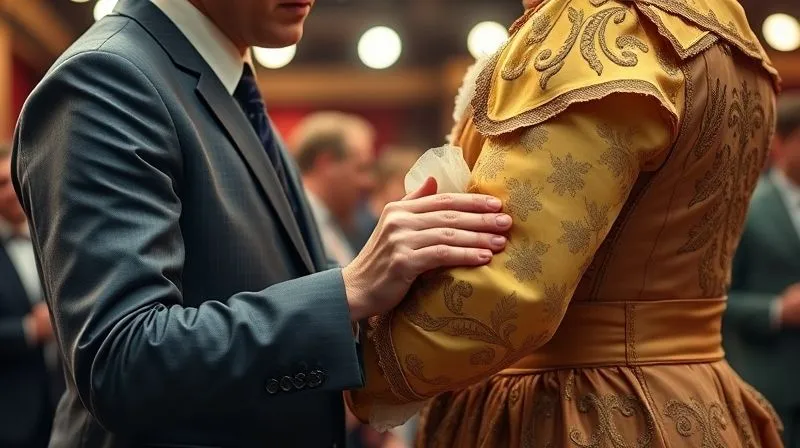
These proactive measures act as an insurance policy, extending the life of your textile art significantly. It's about anticipating the chaos and designing solutions to contain it.
6. The Unsung Hero: Advanced Maintenance & Storage Protocols
The life of a theatrical costume doesn't end when the curtain falls. Post-performance care and storage are critical, yet often overlooked, factors in solving textile art degradation. Improper maintenance can undo all the careful work put into construction and protection.
Gentle Cleaning & Environmental Control
Customized Cleaning Regimes:
- Spot Cleaning First: Always attempt spot cleaning with gentle, pH-neutral cleaners before full immersion. Test on an inconspicuous area.
- Hand Washing: For many delicate textile art pieces, hand washing in cool water with a mild, residue-free detergent is the safest option. Support the garment's weight fully when wet.
- Specialized Dry Cleaning: If dry cleaning is necessary, work with a cleaner experienced in theatrical costumes and delicate textiles. Specify the type of textile art and any unique materials. Some solvents can damage beads or specialty threads.
- Air Drying: Always air dry delicate costumes flat or on padded hangers, away from direct heat or sunlight.
| Cleaning Method | Textile Art Suitability | Pros | Cons | Best Practice |
|---|---|---|---|---|
| Hand Wash (Cool) | Most delicate embroidery, non-metallic beads, painted fabrics | Gentle, controlled, less mechanical stress | Time-consuming, requires careful handling | Support garment weight, use pH-neutral soap |
| Specialized Dry Cleaning | Structured pieces, delicate silks, complex embellishments | Effective for oils/grease, maintains shape | Solvents can damage certain materials, costly | Communicate details to expert cleaner, test solvents |
| Spot Cleaning | All types for minor spills/stains | Targeted, prevents full wash, quick | Can leave water rings if not careful | Blot, don't rub; test cleaner first |
Repair & Restoration: Develop a system for immediate, invisible repairs. Small snags or loose beads should be addressed after every performance, not left to worsen. Keep matching threads, beads, and fabric scraps on hand. For complex restoration, consult textile conservators.
Environmental Control for Storage:
- Breathable Garment Bags: Store costumes in breathable cotton or muslin garment bags, not plastic, which can trap moisture and encourage mildew.
- Padded Hangers: Use padded hangers for heavy costumes to prevent shoulder distortion. For extremely heavy or fragile pieces, store flat in acid-free boxes with tissue paper.
- Climate Control: Store in a cool, dry, dark environment with stable temperature and humidity to prevent fiber degradation, fading, and pest infestation.
- Pest Management: Use natural pest deterrents (e.g., cedar, lavender sachets in breathable bags) and regular inspection.
As museum textile conservators often emphasize, preventative care is far more effective and less damaging than reactive restoration. This philosophy is equally vital for theatrical costumes.
7. Case Study: The "Stormbringer" Gown's Enduring Legacy
How the "Stormbringer" Gown Defied Degradation for 100+ Performances
I recall a particularly challenging project: the "Stormbringer" gown for a fantasy epic. It featured a complex bodice with heavy, three-dimensional embroidery using metallic threads and glass beads, and a skirt adorned with hand-painted silk panels that resembled stormy skies. The lead actress was incredibly physical, and the gown was subjected to sword fights, falls, and multiple quick changes.
Our initial prototypes showed rapid degradation. The metallic threads abraded, beads detached, and the painted silk cracked. We realized our standard methods wouldn't suffice. By applying the strategies discussed:
- Foundation: We swapped the original delicate silk base for a heavy-duty silk-linen blend, reinforced with a stretch interfacing on the bodice to absorb movement.
- Engineering: All metallic embroidery was couched down with a fine, strong nylon thread every 1/8 inch. Beads were stitched individually onto a separate, flexible mesh panel that was then appliquéd onto the bodice, rather than directly onto the gown. This distributed stress and allowed for independent movement. The painted silk panels were backed with a sheer, flexible stabilizer and treated with a textile sealant.
- Protection: Custom-fitted clear organza overlays were designed to snap over the most vulnerable embroidered areas during fight scenes, easily removed for other scenes. Dressers were trained to handle the gown only by reinforced internal tabs.
- Maintenance: A strict post-performance protocol was instituted: immediate spot cleaning of sweat stains, individual bead re-stitching, and storage in a climate-controlled, padded trunk.
The result? The "Stormbringer" gown endured over 100 performances, two national tours, and even a revival run, requiring only minor, routine repairs. The textile art remained vibrant and intact, a testament to the power of thoughtful, multi-layered durability engineering.
8. Leveraging Modern Innovations: New Materials & Technologies
The world of textiles is constantly evolving, offering new solutions to old problems. As an industry specialist, I always keep an eye on emerging technologies that can enhance costume durability and textile art longevity. Ignoring these innovations means falling behind.
Smart Textiles & Advanced Bonding Agents
Smart Textiles & Coatings:
- Water-Repellent & Anti-Microbial Fabrics: Consider base fabrics with inherent water-repellent or anti-microbial properties. These can reduce the impact of sweat and spills, minimizing the need for harsh cleaning.
- Self-Healing Materials: While still emerging, research into self-healing polymers and fibers could revolutionize how we approach textile art repair in the future. Keep an eye on advancements in this area.
- UV-Resistant Coatings: For costumes exposed to intense, prolonged stage lighting, specialized UV-resistant sprays or fabric treatments can help prevent dye fading and fiber degradation.
Advanced Adhesives & Bonding: While stitching is king, modern adhesives offer viable, flexible, and often less damaging alternatives for certain applications:
- Textile-Specific Adhesives: High-quality, flexible fabric glues (e.g., E6000 Fabri-Fuse, Aleene's Fabric Fusion) can be excellent for securing small embellishments, reinforcing edges, or attaching delicate appliqué elements without perforating the base fabric.
- Heat-Activated Films: For larger appliqué pieces or structured elements, heat-activated bonding films can create a strong, flexible bond that moves with the fabric, reducing stress points caused by stitching.
| Method | Pros | Cons | Best Use |
|---|---|---|---|
| Traditional Stitching | High strength, repairable, historical accuracy | Perforates fabric, can create stress points, time-consuming | Primary attachment for most textile art |
| Flexible Fabric Adhesives | No fabric perforation, quick, good for small items | Can stiffen fabric, not always repairable, longevity varies | Reinforcement, securing small beads, delicate appliqué |
| Heat-Activated Bonding Films | Strong, flexible, even bond, good for large areas | Requires heat press, difficult to remove, not for all fabrics | Attaching larger appliqué panels, structural elements |

It's about finding the right tool for the right job. Integrating these modern advancements requires research and testing, but the benefits in terms of durability and longevity can be substantial. Staying informed about textile innovation is part of our ongoing commitment to the art of costume design.
Frequently Asked Questions (FAQ)
Q: How do I choose the best thread for durability in high-stress areas of textile art? A: For high-stress areas, I strongly recommend using synthetic threads like heavy-duty polyester or nylon. These fibers offer superior tensile strength, abrasion resistance, and resistance to degradation from sweat and chemicals compared to natural fibers like cotton or silk. Look for bonded nylon threads for extra strength in beading or couching work. Always match the thread's strength to the stress it will endure; a fine silk thread, while beautiful, is unsuitable for securing a heavy, active appliqué.
Q: What are the best practices for cleaning delicate beaded costumes without causing damage? A: For delicate beaded costumes, avoid machine washing entirely. Hand washing in cool water with a very mild, pH-neutral detergent is often the safest. Lay the costume flat in a basin, gently swish, and rinse thoroughly. Crucially, support the costume's entire weight when wet to prevent stress on beadwork. For spot cleaning, use a cotton swab with distilled water or a gentle fabric cleaner, blotting, not rubbing. For heavily soiled or complex pieces, consult a professional dry cleaner specializing in theatrical costumes or textile conservation, clearly communicating the materials and construction.
Q: Can 3D printed elements be integrated into textile art for costumes, and how durable are they? A: Absolutely, 3D printed elements are increasingly being integrated into costume textile art. The durability largely depends on the material used for printing. Flexible filaments like TPU (Thermoplastic Polyurethane) are excellent for elements that need to bend and move, offering good impact resistance. Rigid filaments like PLA or ABS can be more brittle and prone to shattering under impact, making them less suitable for high-stress areas unless heavily reinforced. When integrating, consider attachment methods that allow for some flexibility in the textile, such as stitching through reinforced holes or using flexible adhesives, rather than rigid bonds that could tear the fabric.
Q: How do I balance artistic vision with the practical demands of durability in costume design? A: This is the eternal dance of costume design! My approach is to integrate durability considerations from the very initial design concept. Instead of seeing it as a compromise, view it as a creative constraint that sparks innovative solutions. Can a delicate effect be achieved with a more robust material? Can a vulnerable embellishment be placed in a less stressed area, or reinforced invisibly? Can a 'hero' piece of textile art be designed as a removable overlay that can be swapped out or repaired without affecting the main costume? Open communication with the director and performers about the costume's life and limitations is also key.
Q: What's the biggest mistake costume designers make regarding textile art longevity on stage? A: In my experience, the biggest mistake is underestimating the cumulative stress of performance and neglecting proactive measures. Many designers focus solely on the initial visual impact and construction, without fully planning for the costume's life cycle – from rehearsals through dozens of performances, quick changes, and cleaning. Failing to choose appropriate base materials, neglecting reinforcement techniques for embellishments, or not establishing rigorous maintenance and storage protocols are common oversights. It's a holistic problem that requires a holistic solution, anticipating degradation rather than just reacting to it.
Key Takeaways and Final Thoughts
Solving textile art degradation on high-stress theatrical costumes requires a multi-faceted, proactive approach, blending artistic vision with pragmatic engineering and meticulous care. It's a testament to the fact that great costume design is as much about science as it is about art. Remember these critical takeaways:
- Understand the Battlefield: Deeply analyze the unique stressors of your production – movement, friction, sweat, lighting, handling – and design accordingly.
- Build from Strength: Prioritize resilient base fabrics and prepare them meticulously with stabilizers and appropriate pre-treatments.
- Engineer the Art: Integrate durability into every stitch and embellishment, using reinforced techniques and appropriate materials for longevity.
- Integrate Structurally: Don't just apply art; embed it. Use layering, interfacing, and strategic placement to distribute stress and protect delicate elements.
- Proactive Protection: Implement on-stage safeguards like protective overlays and design features that minimize damage during quick changes.
- Master Maintenance: Establish rigorous, customized cleaning, repair, and storage protocols to extend the life of your creations.
- Embrace Innovation: Stay informed about new materials and technologies that can offer enhanced durability solutions.
The intricate textile art you create for the stage is not just fabric and thread; it's a vital part of the storytelling, a character in itself. By applying these expert strategies, you're not just preserving materials; you're safeguarding the magic, ensuring that your textile masterpieces continue to captivate audiences, performance after performance. Embrace the challenge, and let your art endure!
Recommended Reading
- Luxury Footwear's Future: 5 Sustainable Materials Dominating Men's Style
- The Ultimate Guide: How to Properly Break In New Men's Running Shoes
- Stunning Nail Art Ideas for Short Nails at Home: Your Ultimate Guide!
- Unleash Your Style: How to Incorporate Bold Prints into Streetwear Outfits
- Dazzle on Your Day: Choosing the Best Jewelry for Strapless Dresses

Your email address will not be published. Required fields are marked *