


How to minimize womenswear seasonal overstock markdown losses?
For over 15 years in the womenswear fashion industry, I've witnessed firsthand the devastating impact of seasonal overstock. It's a perennial challenge, a silent killer of margins that can turn a promising collection into a financial drain. I've seen countless brands, from boutique startups to established labels, grapple with excess inventory, leading to inevitable markdowns that erode hard-earned profits and, worse, dilute brand value.
The problem is complex: volatile consumer demand, the cyclical nature of fashion trends, lengthy supply chains, and the sheer unpredictability of the market all conspire against even the most seasoned planners. The result? Warehouses brimming with unsold garments, forcing retailers into a desperate race to clear stock, often at significant losses. This isn't just about lost revenue; it's about tying up capital, incurring storage costs, and damaging brand perception.
But it doesn't have to be this way. In this definitive guide, I'll share expert-level strategies and actionable frameworks that I've seen successfully implemented to combat this very issue. We'll delve into smarter forecasting, agile supply chain management, dynamic pricing, and innovative sales tactics, all designed to help you not just minimize, but proactively prevent womenswear seasonal overstock markdown losses. Prepare to transform your approach to inventory and reclaim your profitability.
The Root Cause: Understanding Forecasting & Demand Volatility
Before we can minimize losses, we must understand why they occur. The core issue often lies in inaccurate or inflexible forecasting. Womenswear, with its rapid trend cycles and emotional purchasing drivers, is particularly susceptible to demand volatility. Predicting what women will want, in what quantity, and when, is an art as much as a science.
Data-Driven Forecasting: Beyond Gut Feelings
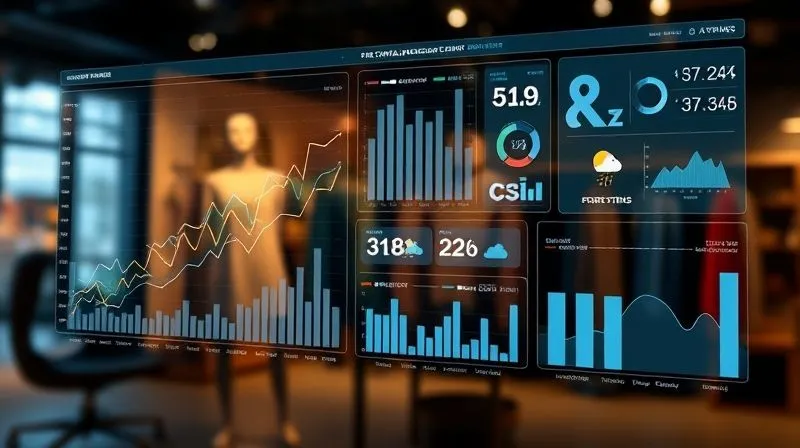
Relying solely on historical sales data or intuition is no longer sufficient. Modern forecasting demands a multi-faceted approach, integrating various data points to paint a more accurate picture of future demand. This means moving beyond spreadsheets and embracing more sophisticated tools.
- Integrate POS Data with External Indicators: Combine your historical sales data with external factors like social media trends, macroeconomic indicators, weather forecasts, and competitor activity.
- Utilize Predictive Analytics Software: Invest in AI-powered forecasting tools that can analyze vast datasets, identify complex patterns, and offer more precise demand predictions than traditional methods.
- Implement Scenario Planning: Develop multiple forecast scenarios (optimistic, pessimistic, realistic) for each collection. This allows for contingency planning and faster adaptation when market conditions shift.
- Shorten Forecasting Horizons: Where possible, break down long-term forecasts into shorter, more manageable periods. This allows for mid-season adjustments based on early sales performance.
Expert Insight: "The goal isn't perfect prediction, but robust adaptability. Your forecast is a living document, not a rigid decree." – This mindset shift is crucial for navigating fashion's inherent unpredictability.
Strategic Inventory Management: From Buy to Sell-Through
Forecasting sets the stage, but smart inventory management ensures the play runs smoothly. This isn't just about ordering less; it's about ordering *smarter* and managing the lifecycle of each garment from production to sale. The aim is to achieve a healthy sell-through rate, minimizing the need for drastic markdowns.
Optimizing Order Quantities and Reorder Points
One of the biggest pitfalls is ordering too much upfront. While bulk discounts are tempting, the cost of carrying excess inventory—storage, insurance, obsolescence—often outweighs the initial savings. Focus on optimizing your initial buy and establishing clear reorder points.
- Start with Smaller, Strategic Buys: For new or high-risk styles, consider smaller initial orders to test the market. Scale up based on early sales data and customer feedback.
- Implement SKU-Level Tracking: Monitor the performance of every single SKU. Identify fast-movers and slow-movers early.
- Establish Dynamic Reorder Points: Don't rely on static reorder points. Adjust them based on current demand, lead times, and supplier reliability.
- Utilize Safety Stock Principles: Maintain a calculated amount of safety stock for best-selling or evergreen items to buffer against unexpected demand spikes or supply chain disruptions, but avoid excessive safety stock for seasonal items.
By meticulously tracking and managing inventory at a granular level, you gain the agility needed to respond to market shifts rather than being dictated by them.
| Metric | Traditional Approach | Strategic Approach |
|---|---|---|
| Initial Order Quantity (IOQ) | Large volume for discounts | Smaller, market-test buys |
| Reorder Point (ROP) | Static, fixed levels | Dynamic, data-driven |
| Sell-Through Rate Target | Varies widely | High (e.g., 70-80% before markdown) |
| Inventory Turnover | Low (slow moving) | High (efficient capital use) |
Agile Supply Chains: Speed as a Competitive Advantage
In the fast-paced world of womenswear, speed to market is paramount. A slow supply chain can turn a trending item into dead stock before it even hits the shelves. Developing an agile supply chain allows you to react quickly to emerging trends and adjust production based on real-time sales data, significantly reducing the risk of overstock.
Nearshoring and On-Demand Production Models
While global supply chains offer cost advantages, they often come with longer lead times and less flexibility. Exploring nearshoring or even on-demand production models can be a game-changer for reducing overstock.
Case Study: How 'Chic & Nimble' Reduced Overstock by 30%
Chic & Nimble, a mid-sized womenswear brand specializing in contemporary fashion, faced persistent seasonal overstock, leading to 40% of their inventory being sold at markdown. Recognizing their lengthy 12-week lead times from overseas manufacturers as a major bottleneck, they strategically shifted 30% of their production to nearshore factories in Mexico and Portugal. This move, though slightly increasing per-unit cost, slashed their lead times to 4-6 weeks for these collections. By aligning their initial buys with smaller, faster reorders from nearshore partners, they could test new styles quickly and scale production of successful items without committing to huge upfront inventory. Within two seasons, their overall markdown rate dropped from 40% to 28%, and their capital tied up in inventory decreased by 20%, proving that strategic agility can outweigh initial production cost savings.

Dynamic Pricing Strategies: Beyond Flat Markdowns
When overstock does occur, the instinctive reaction is often a blanket markdown. However, this can be detrimental to perceived value and long-term profitability. A more sophisticated approach involves dynamic pricing, where prices are adjusted based on real-time demand, inventory levels, competitor pricing, and even customer segments.
Leveraging AI for Predictive Pricing
Manual pricing adjustments are time-consuming and often suboptimal. AI-powered pricing engines can analyze vast amounts of data to recommend optimal price points that maximize sell-through while minimizing margin erosion.
- Segment Your Inventory: Not all items should be marked down equally. Categorize items by desirability, age, and initial margin.
- Implement Tiered Markdown Strategies: Instead of a single 50% off, start with a smaller discount (e.g., 20%) and gradually increase it based on sales velocity.
- Utilize Psychological Pricing: Experiment with price endings (e.g., $X.99), bundling, or "buy one, get one half off" promotions that feel like a deal without completely slashing prices.
- Personalized Promotions: Use customer data to offer targeted discounts to specific segments, rather than broad, public markdowns that devalue the brand for all customers.
Expert Insight: "Every markdown is a data point. Learn from it. Understand *why* an item isn't selling at full price, and use that insight to inform future buys and pricing strategies."
Enhancing Customer Engagement & Pre-Selling
The best way to minimize overstock is to ensure strong demand from the outset. Engaging your customers early and effectively can significantly boost initial sell-through, reducing the amount of inventory that needs to be marked down later. This proactive approach builds anticipation and loyalty.
Building Hype with Limited Editions and Exclusives
Create a sense of urgency and exclusivity around new collections. This encourages immediate purchases at full price and can even allow you to gauge demand for future production runs.
- Run Pre-Order Campaigns: Offer customers the opportunity to pre-order new arrivals before they officially launch. This provides valuable demand signals and secures sales upfront.
- Launch Limited Edition Drops: Create small, exclusive runs of highly desirable items. The scarcity drives demand and reduces the risk of overproduction.
- Host Exclusive Preview Events: Invite loyal customers or influencers to private showings of new collections. Their feedback can inform final production quantities, and their early purchases generate buzz.
- Leverage Social Media for Teasers: Build anticipation by sharing sneak peeks and behind-the-scenes content leading up to a new collection launch.
By making your customers feel like insiders and giving them a reason to buy now, you can significantly reduce the volume of inventory that might otherwise linger and require markdowns.
Effective End-of-Season Liquidation: Minimizing Value Erosion
Despite best efforts, some overstock is inevitable. The key then becomes how to liquidate it without severely damaging your brand's perceived value or profitability. This requires a strategic approach that goes beyond simply slashing prices on your main website.
Strategic Partnerships and Outlet Channels
Consider alternative channels for clearing excess inventory that are distinct from your primary retail storefronts. This protects your brand's full-price image while still moving product.
- Utilize Private Sales or Flash Sale Sites: Partner with reputable flash sale platforms or host private, invitation-only sales for loyal customers. This creates an exclusive feel even for discounted items.
- Explore Outlet Stores or Dedicated Clearance Sections: If feasible, establish a separate outlet presence or a clearly demarcated 'archive sale' section on your website. This signals to customers that these are past-season items and protects your current collection's pricing.
- Bundle Slow-Moving Items: Combine a less popular item with a best-seller or accessory at a slightly reduced price. This adds perceived value and helps clear stagnant stock.
- Donate or Upcycle: For items that simply won't sell, consider donating them to charities (which can offer tax benefits) or exploring partnerships for upcycling into new products. This is not only socially responsible but also prevents landfill waste.

The Power of Post-Season Analysis & Feedback Loops
Minimizing future overstock isn't just about implementing new strategies; it's about continuously learning from past seasons. A robust post-mortem analysis is critical for identifying what went right, what went wrong, and how to improve your processes for the next cycle. This creates a powerful feedback loop that fuels continuous improvement.
Implementing a Robust Post-Mortem Process
Don't just look at the sales numbers. Dig deeper to understand the 'why' behind the performance of each collection and SKU.
- Review Sell-Through Rates by Category and SKU: Identify which categories and specific items performed best and worst.
- Analyze Markdown Depth and Timing: Understand when markdowns were applied, at what percentage, and their impact on profitability. Was there a better time or depth?
- Gather Qualitative Feedback: Talk to your sales team, customer service, and even key customers. What were their observations about fit, style, quality, and demand?
- Evaluate Forecasting Accuracy: Compare your initial forecasts against actual sales. Pinpoint where the biggest discrepancies occurred and why.
- Assess Supply Chain Performance: Review lead times, production quality, and delivery schedules. Were there any bottlenecks or delays that impacted sales?
- Document Key Learnings: Create a comprehensive report detailing insights and actionable recommendations for the next season's planning, buying, and marketing strategies.
Expert Insight: "Every unsold garment, every markdown, is a lesson waiting to be learned. Embrace the data, not as a judgment, but as a guide for future success."
| Analysis Area | Key Questions |
|---|---|
| Forecasting Accuracy | How accurate were initial demand predictions? What factors led to deviations? |
| Sell-Through Performance | Which SKUs/categories performed best/worst? What was the average full-price sell-through? |
| Markdown Effectiveness | What was the average markdown depth? How long did items remain in markdown status? |
| Customer Feedback | What were common complaints/praises? How did customer feedback align with sales? |
| Supply Chain Efficiency | Were lead times met? Were there quality control issues? |
Leveraging Technology: AI, ML, and Data Platforms
In today's competitive womenswear market, technology isn't just an advantage; it's a necessity. AI, Machine Learning (ML), and integrated data platforms are no longer futuristic concepts but essential tools for minimizing overstock and maximizing profitability. They provide the insights and automation needed to execute the strategies discussed above with precision.
Platform Integration for Holistic Visibility
The true power of technology lies in its ability to connect disparate data points across your entire operation, creating a single, unified view of your business.
- Predictive Analytics for Demand Forecasting: AI/ML algorithms can analyze historical sales, web traffic, social media trends, and even weather patterns to provide highly accurate demand forecasts, reducing guesswork significantly.
- Automated Inventory Optimization: Systems can automatically recommend optimal order quantities, reorder points, and even inter-store transfers based on real-time sales and inventory levels.
- Dynamic Pricing Engines: AI can continuously monitor market conditions, competitor pricing, and inventory levels to suggest or automatically implement price adjustments that optimize sell-through and margin.
- Enhanced Customer Insights: ML can segment your customer base, identify purchasing patterns, and predict future buying behavior, enabling more targeted marketing and pre-selling efforts.
- Supply Chain Visibility Tools: Technologies like IoT and blockchain can provide real-time tracking of goods, from factory to warehouse, improving transparency and allowing for quicker adjustments to production or logistics.
- Data Integration Platforms: A centralized platform that connects your POS, inventory management, ERP, and CRM systems provides a holistic view, breaking down silos and enabling smarter, faster decision-making.
Embracing these technologies allows you to move from reactive markdown management to proactive overstock prevention, transforming your womenswear business into an agile, data-driven powerhouse.
Frequently Asked Questions (FAQ)
Question: How quickly can I expect to see results from implementing these strategies? Implementing a comprehensive strategy to minimize womenswear seasonal overstock markdown losses is a journey, not a sprint. While some tactical changes, like dynamic pricing or targeted promotions, can yield results within a single season, the full impact of strategic shifts – such as agile supply chains or advanced forecasting – typically takes 2-4 seasons to fully materialize and optimize. It's about building sustainable practices.
Question: Is investing in AI forecasting tools worth it for a small to medium-sized womenswear brand? Absolutely. While the initial investment might seem significant, the long-term savings from reduced markdowns, improved inventory turnover, and optimized capital allocation often far outweigh the cost. Many SaaS solutions now offer scalable AI forecasting tools that are accessible to SMEs, providing a crucial competitive edge by enabling data-driven decisions that were once exclusive to large corporations.
Question: What's the biggest mistake brands make when trying to liquidate overstock? The biggest mistake is a reactive, undifferentiated, and public fire sale. Slashing prices across the board on your main sales channels not only erodes margins but also trains customers to wait for discounts, devaluing your brand and future full-price collections. A strategic approach involves segmenting inventory, using tiered discounts, exploring alternative liquidation channels (like private sales or outlets), and understanding the true cost of each markdown.
Question: How can I balance exclusivity and demand generation without overproducing? This is a delicate balance. The key lies in leveraging pre-order campaigns, limited edition drops, and strong social media engagement to gauge and build demand *before* committing to large production runs. Use initial sales data from these campaigns to inform subsequent, smaller production batches. Focus on creating perceived scarcity and desirability, rather than actual overproduction, and communicate transparently with your customers about limited availability.
Question: What role does customer feedback play in preventing overstock? Customer feedback is invaluable. It provides direct insight into what styles, fits, colors, and features resonate (or don't) with your target audience. By actively soliciting and analyzing feedback from sales teams, customer service interactions, social media, and post-purchase surveys, you can refine your design process, adjust future buys, and avoid repeating mistakes that lead to unpopular items and subsequent overstock. It's a critical component of demand sensing.
Key Takeaways and Final Thoughts
- Embrace Data-Driven Forecasting: Move beyond intuition. Integrate diverse data sources and leverage predictive analytics to make more accurate demand predictions.
- Prioritize Agile Inventory & Supply Chains: Optimize initial buys, establish dynamic reorder points, and explore nearshoring to react quickly to market shifts.
- Implement Dynamic Pricing: Ditch blanket markdowns. Use tiered strategies, personalized promotions, and AI to optimize pricing for maximum sell-through and margin.
- Proactively Engage Customers: Build hype with pre-orders, limited editions, and strong community engagement to drive initial full-price sales.
- Strategize Liquidation: When overstock occurs, use alternative channels and thoughtful discounting to protect brand value and minimize losses.
- Learn Continuously: Conduct thorough post-season analyses to understand performance, identify lessons, and refine future strategies.
- Leverage Technology: Utilize AI, ML, and integrated data platforms to automate insights and optimize decision-making across your entire operation.
Minimizing womenswear seasonal overstock markdown losses isn't about finding a single magic bullet; it's about adopting a holistic, proactive, and data-informed approach across every facet of your business. As an experienced industry specialist, I've seen brands thrive by treating inventory as a strategic asset, not a liability. By implementing these strategies, you can transform your challenges into opportunities, safeguard your margins, and build a more resilient, profitable, and sustainable fashion brand. The future of womenswear retail belongs to the agile and the informed – step confidently into that future.
Recommended Reading
- Unlocking the Past: Researching 18th Century Dress Patterns
- Unlock Profit: How to Avoid Missing Crucial Fashion Trend Shifts?
- 7 Elite Strategies: Acquire Exclusive Clientele for Haute Couture
- 7 Smart Strategies: Stop Overstocking Fleeting Jewelry Trends in Your Boutique
- Scaling Textile Recycling: 7 Strategies for Circular Fashion Profit





Your email address will not be published. Required fields are marked *