


How to Avoid Overstocking Fleeting Jewelry Trends in Your Boutique?
For over 15 years in the dynamic world of fashion accessories, particularly within the jewelry sector, I've witnessed countless boutique owners make a critical mistake: chasing every glittering trend without a solid strategy. This pursuit, while seemingly exciting, often leads to a graveyard of unsold inventory, tying up precious capital and stifling growth. It's a cycle I've seen play out far too often, leaving passionate entrepreneurs feeling overwhelmed and financially strained.
The problem is insidious. Fleeting jewelry trends, by their very nature, are ephemeral. What's hot today can be cold tomorrow, leaving your boutique with shelves full of yesterday's must-haves that no one wants at full price. This dead stock isn't just a physical burden; it's a drain on your cash flow, reduces your store's perceived freshness, and ultimately impacts your bottom line and your peace of mind.
But it doesn't have to be this way. In this definitive guide, I'll share the actionable frameworks, real-world insights, and expert strategies I've honed over years to help you navigate the treacherous waters of jewelry trends. You'll learn not just how to avoid overstocking fleeting jewelry trends in your boutique, but how to turn trend management into a powerful lever for profitability and sustainable growth.
1. Master the Art of Micro-Trend Spotting and Validation
One of the biggest pitfalls for boutique owners is mistaking a fleeting hype for a genuine, albeit short-lived, trend. True trend spotting isn't about blindly following what influencers post; it's about discerning the underlying shifts in consumer behavior and aesthetic preferences. I've found that focusing on 'micro-trends' – smaller, more localized or niche movements – allows for more controlled buying and less risk.
The Signal vs. Noise Challenge
The digital age bombards us with information, making it hard to differentiate between genuine signals of a rising trend and mere noise. You need a systematic approach to filter this information. It's about looking beyond the surface and understanding the 'why' behind a trend.
- Monitor Niche Forums & Communities: Instead of just mainstream fashion magazines, delve into specific jewelry enthusiast groups on platforms like Reddit, Pinterest, or specialized blogs. These are often early indicators of emerging styles.
- Analyze Social Media Engagement: Pay attention to not just what's posted, but what gets genuine engagement (saves, shares, thoughtful comments) on platforms like Instagram and TikTok. Look for consistent patterns, not just viral one-offs.
- Attend Virtual & Local Trade Shows: Even if you can't travel, many trade shows offer virtual experiences. Observe what new designers are showcasing and which themes repeatedly appear across collections.
- Cross-Reference with Macro Trends: Consider how broader societal shifts (e.g., sustainability, mindfulness, vintage revival) might influence jewelry aesthetics. A 'cottagecore' fashion trend, for instance, might translate into delicate floral or nature-inspired jewelry.
- Listen to Your Sales Reps: Your supplier representatives are often on the front lines, seeing what other successful boutiques are ordering. They can offer valuable, albeit biased, insights.
Expert Insight: "The key to successful trend adoption isn't being first, it's being smart. Validate a trend with early data and genuine customer interest before committing significant capital. Think of it as dip-testing the water, not diving headfirst."
2. Embrace Data-Driven Inventory Planning and Analytics
Gone are the days when gut instinct was enough. To truly avoid overstocking fleeting jewelry trends in your boutique, you must become fluent in your own sales data. This isn't just about knowing what sold; it's about understanding why it sold, when it sold, and who bought it. Data provides the empirical evidence needed to make intelligent, proactive buying decisions.
Leveraging Sales Data for Predictive Buying
Your Point-of-Sale (POS) system is a goldmine of information. Many boutique owners only use it for transactions, but its true power lies in its reporting capabilities. I always advise clients to dive deep into their historical sales data to identify patterns.
Look at sales velocity for specific styles, colors, and materials. Analyze seasonality. Which items spiked quickly and then dropped off? These are your fleeting trends. Which items consistently sell well throughout the year? These are your core pieces. Understanding these differences is fundamental to smart buying. According to Shopify's Retail Trends Report, businesses leveraging data analytics see significantly higher growth.
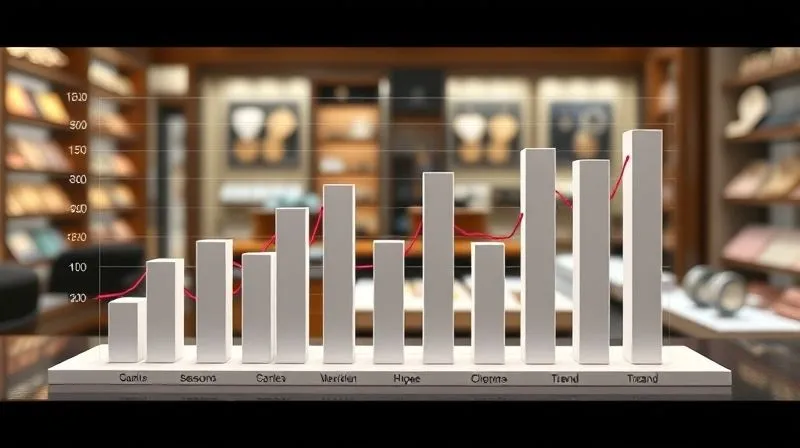
Here are key metrics to track:
| Metric | Target for Core | Target for Trend |
|---|---|---|
| Inventory Turnover Rate (Annual) | 4-6x | 8-12x |
| Sell-Through Rate (First 30 Days) | 40-60% | 70-90% |
| Gross Margin Return on Investment (GMROI) | $2.50+ | $3.00+ |
By monitoring these metrics, you gain a clear picture of how quickly different types of inventory are moving and how profitable they are. This allows you to set more realistic buying targets for trend items, focusing on high sell-through within a shorter window.
3. Implement Agile Buying and Phased Introductions
The traditional model of buying large quantities months in advance is a recipe for disaster with fleeting trends. Instead, adopt an agile buying strategy, minimizing your initial commitment and scaling up only when demand is proven. This is a crucial method to avoid overstocking fleeting jewelry trends in your boutique.
The 'Test and Scale' Approach
Think of it like a lean startup: launch a Minimum Viable Product (MVP) – a small, carefully chosen selection of a new trend – and gather feedback before investing heavily. This significantly reduces your risk.
- Small Initial Orders: For any new, unproven trend, place the smallest possible order that still allows for an attractive display. This might mean buying only a few units of a particular style or color.
- Rapid Replenishment Cycles: Work with suppliers who can offer quick turnaround times for reorders. This allows you to replenish popular items without carrying excess stock.
- Monitor Early Sales Velocity: As soon as the new trend items hit your shelves, track their sales daily. If they fly off the shelves, you know to reorder quickly. If they languish, you've minimized your loss.
- Limited Edition Releases: Position trendy pieces as 'limited edition' or 'seasonal drops.' This creates urgency and exclusivity, encouraging quicker sales and managing customer expectations about availability.
Expert Insight: "In the world of fast fashion and even faster jewelry trends, speed and flexibility are your greatest assets. Don't be afraid to start small; it's better to sell out and reorder than to be stuck with excess."
4. Cultivate Strong Supplier Relationships and Flexible Terms
Your suppliers aren't just vendors; they can be strategic partners in managing trend risk. A strong relationship, built on trust and mutual benefit, can unlock crucial flexibility that protects your boutique from overstocking. I've seen firsthand how a good relationship can make all the difference when a trend unexpectedly shifts.
Negotiating for Flexibility
When you have a long-standing, reliable relationship, suppliers are often more willing to work with you on terms that mitigate risk. This might include:
- Lower Minimum Order Quantities (MOQs): Negotiate for smaller MOQs on trendy items, especially if you're a loyal customer.
- Consignment or Return Policies: For extremely high-risk, unproven trends, explore if a supplier offers consignment options or a limited return policy for unsold items. This is rare but invaluable if available.
- Drop-Shipping Agreements: If a trend item sells well online but you're hesitant to stock it physically, consider a drop-shipping arrangement with your supplier.
- Pre-order Programs: Gauge interest from your customers before placing a large order by offering pre-orders on upcoming trend collections. This provides guaranteed sales before you commit.
Always communicate your needs and concerns openly. A supplier who understands your challenges is more likely to collaborate on solutions that benefit both parties.
5. Diversify Your Inventory: The Core vs. Trend Balance
A common mistake is letting trends dictate too much of your inventory. I always advise boutique owners to adopt an 80/20 rule: 80% of your inventory should be reliable, evergreen core pieces, and only 20% dedicated to fleeting trends. This balance is fundamental to how to avoid overstocking fleeting jewelry trends in your boutique.
Building a Resilient Core Collection
Your core collection consists of timeless, classic jewelry pieces that consistently sell well regardless of the season or current fashion whims. These are your bread-and-butter items that provide stable revenue and a foundation for your brand identity. Think classic studs, simple silver hoops, elegant pearl necklaces, or personalized initial pendants.
These core pieces are less susceptible to rapid depreciation and often command higher margins due to their enduring appeal. They also make up the bulk of your brand's identity, giving customers a reason to return beyond fleeting fads.
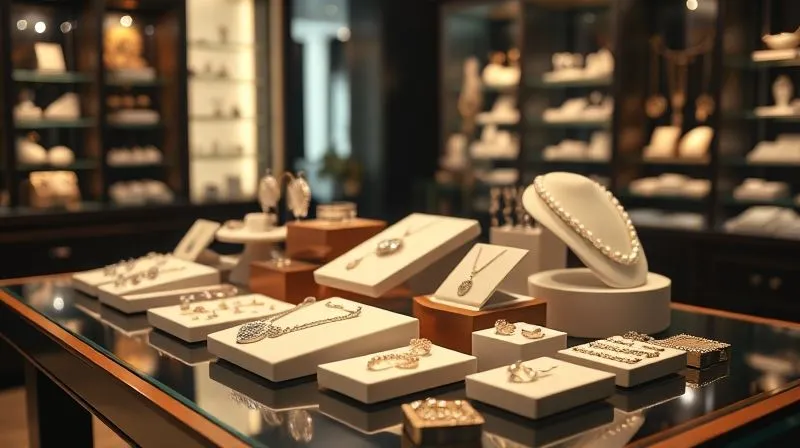
Case Study: Gemstone Gallery's Balanced Approach
Gemstone Gallery, a boutique I advised, was struggling with high levels of dead stock from fast-moving, chunky resin jewelry a few seasons ago. Their inventory was skewed 60% towards trends. By shifting to an 80/20 core-to-trend ratio, they refocused on classic sterling silver and semi-precious gemstone pieces, which formed their new 80%. Their trend allocation was reduced to a smaller, more experimental 20% of their budget.
Within six months, their inventory turnover rate improved by 35%, and their markdown percentage on trend items dropped from 40% to just 15%. This resulted in a significant boost to their net profit and a more stable, less stressful buying cycle. They learned that a strong core not only provides financial stability but also makes the trend pieces they do carry feel more special and curated.
6. Optimize Merchandising and Dynamic Pricing Strategies
Even with the smartest buying, some trend items might not move as quickly as anticipated. This is where strategic merchandising and flexible pricing come into play. Effective display and timely price adjustments can prevent items from becoming permanent dead stock.
Visual Merchandising to Highlight Newness
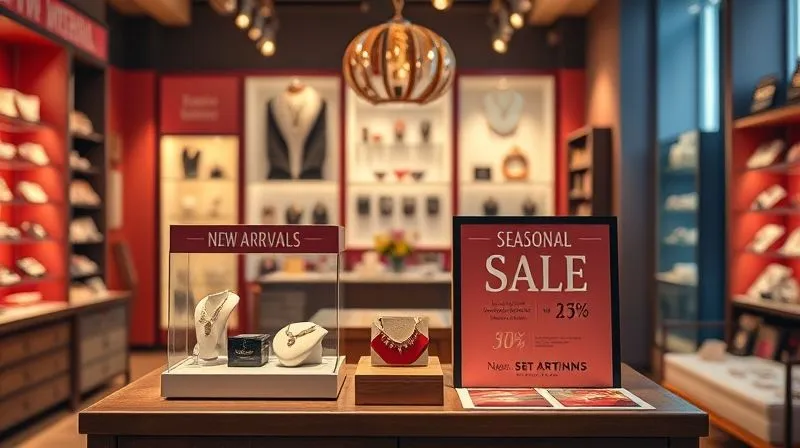
How you present your trend pieces can significantly impact their sales velocity. Create dedicated 'New Arrivals' or 'Trend Alert' sections that are visually distinct and frequently refreshed. Use compelling signage that explains the trend or suggests styling options. Highlight these pieces on your social media and in your email newsletters.
Rotate displays frequently to keep the store feeling fresh and to give all items a chance to be seen. Consider pairing trend pieces with your core collection items to show versatility and inspire customers on how to incorporate them into their existing wardrobes.
Strategic Markdown and Promotional Cycles
Don't be afraid to mark down trend items quickly if they're not selling. The goal is to recoup as much capital as possible and free up space, not to cling to an unrealistic full-price expectation. I've found that early, strategic markdowns are far more effective than deep discounts on old, stale inventory.
Establish a markdown calendar for trend items. For instance, if an item hasn't moved significantly within 4-6 weeks, initiate a small discount (10-15%). If it still lags after another 2-3 weeks, increase the discount. Consider bundle offers or 'buy one, get one' promotions for items that need to move fast. For more on dynamic pricing, you might find this Harvard Business Review article on retail pricing insightful.
7. Foster a Community of Informed Customers and Feedback Loops
Your customers are your most valuable resource, not just for sales, but for insights. Engaging them in the trend selection process can significantly reduce your risk and build a loyal community. This proactive approach is a powerful tool for how to avoid overstocking fleeting jewelry trends in your boutique.
Gathering Pre-Launch Interest and Feedback
Before you even place an order, you can gauge customer interest. This provides invaluable data and creates excitement. I've seen boutiques successfully use these methods:
- Social Media Polls and Surveys: Post images of potential new trend pieces on Instagram or Facebook and ask your followers which ones they'd like to see in the boutique. Use polls with clear options.
- Email List Previews: Send exclusive previews of upcoming collections to your email subscribers, asking for their top picks or even offering a chance to pre-order.
- In-Store Feedback: Display 'coming soon' boards with images of potential new items and a simple QR code for customers to scan and provide feedback or express interest.
- Loyalty Program Exclusives: Offer your most loyal customers a sneak peek or an exclusive first purchase window on new trend items. Their purchases serve as early validation.
Expert Insight: "Your customers are your best trend forecasters. By involving them in the buying process, you not only de-risk your inventory but also strengthen their connection to your brand, turning them into advocates."
By actively listening to your customer base, you transform a potential gamble into a calculated decision, ensuring that the trends you do stock are genuinely desired by your target audience. This collaborative approach significantly reduces the chances of ending up with unsold inventory.
Frequently Asked Questions (FAQ)
How do I know if a jewelry trend is truly fleeting or has staying power? Distinguishing between a fleeting fad and a lasting trend requires observation and data. Fleeting trends often explode rapidly, driven by viral social media moments or celebrity endorsements, but lack a deeper cultural connection. They typically have a very short lifespan (a season or less). More enduring trends, even if short-lived, usually tie into broader societal shifts (e.g., sustainability, personalization, minimalism) and develop over time, showing consistent interest across multiple platforms and demographics before peaking. Monitor sales velocity: if an item sells out in days but then interest drops to zero, it's fleeting. If it sells steadily over weeks and months, it has more staying power.
What's the ideal inventory turnover rate for a jewelry boutique, especially for trendy items? For a general jewelry boutique, an annual inventory turnover rate of 2-4 times is often considered healthy for core items. However, for fleeting trend items, you should aim for a much higher turnover, ideally 8-12 times per year, or even faster. This means you're selling and replenishing those items roughly every 1-1.5 months. The faster you move trend inventory, the less likely you are to be stuck with dead stock. If a trend item isn't moving fast, adjust pricing aggressively.
Should I avoid all trend-based jewelry to minimize risk? Absolutely not! Trends are essential for keeping your boutique fresh, attracting new customers, and generating excitement. The goal isn't to avoid trends, but to manage them strategically. By implementing the agile buying, data-driven planning, and core-to-trend balance strategies discussed, you can participate in trends profitably without overstocking. A small, curated selection of well-chosen trend pieces can drive significant interest and sales, complementing your stable core collection.
How can small boutiques compete with larger retailers on trend adoption and pricing? Small boutiques have unique advantages. You can be far more agile and responsive to local trends than large chains. Leverage your personal relationships with customers to gather feedback and offer personalized trend advice. Focus on unique, ethically sourced, or artisan-made trend pieces that larger retailers can't easily replicate. Instead of competing on price, compete on curation, customer experience, and storytelling. Your ability to pivot quickly and offer a highly curated selection is your superpower.
What are the ethical considerations when buying trendy jewelry, especially from new suppliers? Ethical sourcing is paramount, even for trendy items. When exploring new suppliers for trend pieces, always inquire about their manufacturing practices, labor conditions, and material sourcing. Look for certifications or transparent supply chains. Fast fashion often comes with ethical compromises, and the jewelry industry is no exception. Prioritize suppliers who demonstrate a commitment to fair labor and environmentally responsible practices. This not only aligns with growing consumer values but also protects your brand's reputation.
Key Takeaways and Final Thoughts
Navigating the ever-shifting landscape of jewelry trends can feel like a high-stakes gamble, but it doesn't have to be. By adopting a strategic, data-driven, and agile approach, you can transform trend management from a source of stress into a powerful driver of growth and profitability for your boutique.
- Validate Trends: Don't chase every fad. Use data and community feedback to spot genuine micro-trends.
- Embrace Data: Your POS system holds the key to understanding sales velocity and making predictive buying decisions.
- Buy Smart, Buy Small: Implement agile buying with small initial orders and rapid replenishment for trend items.
- Build Relationships: Strong supplier partnerships can unlock flexible terms and support.
- Balance is Key: Maintain a strong core collection (80%) to stabilize your business, reserving a smaller portion (20%) for trends.
- Optimize Sales: Use dynamic merchandising and timely markdowns to move inventory efficiently.
- Engage Customers: Involve your community in trend selection to de-risk purchases and build loyalty.
Remember, your boutique's success isn't about having the most inventory; it's about having the right inventory at the right time. By mastering these strategies, you'll not only avoid overstocking fleeting jewelry trends in your boutique but also cultivate a reputation as a smart, curated, and profitable destination for discerning customers. Stay agile, stay informed, and watch your boutique shine. For more insights on retail strategy, consider exploring resources like Forbes' retail industry section.
Recommended Reading
- Eco-Chic Fashion: Unveiling the Truth – Is It Truly Sustainable and Ethical?
- 7 Proven Strategies: Market Womenswear Fashion for All Ages Effectively
- Unveiling the Secret: How to Clean Delicate Theatrical Stage Costumes Like a Pro
- 7 Steps to Curate Executive Eyewear for Authority & Impact
- The Ultimate Guide: How to Prevent Eye Infections from Contact Lenses



Your email address will not be published. Required fields are marked *