

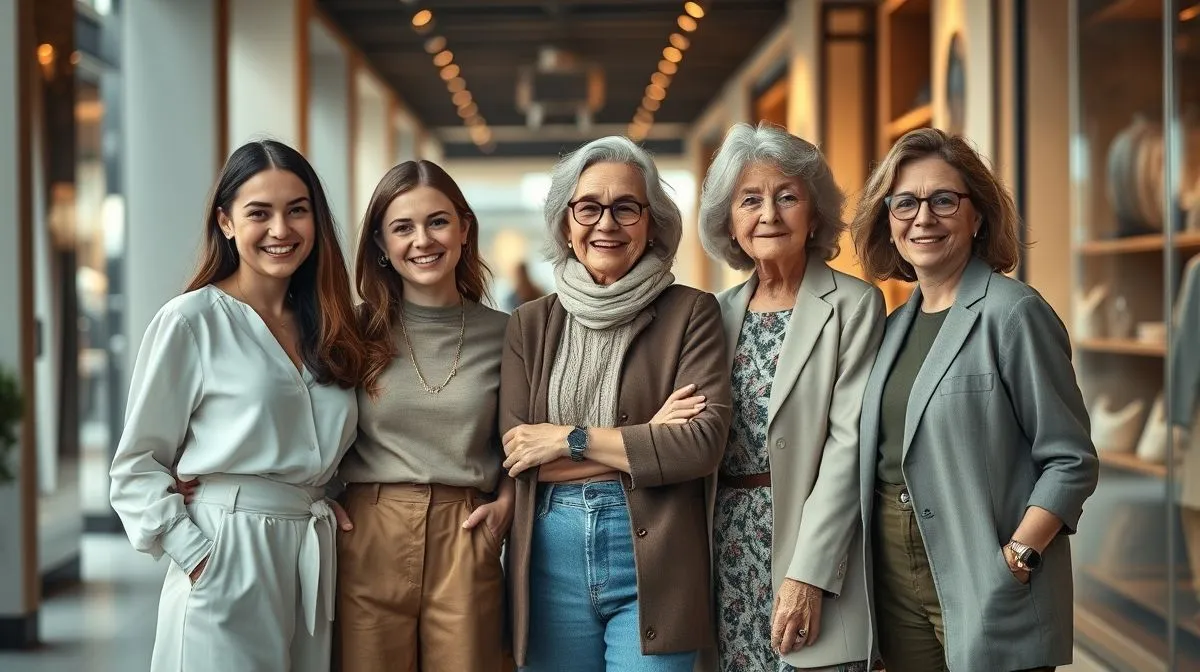
How to Market Womenswear Fashion for All Ages Effectively?
For over two decades in the dynamic world of womenswear, I've seen countless brands rise and fall, often due to a curious blind spot: the multi-generational wardrobe. The prevailing wisdom used to be about hyper-segmentation, creating distinct lines and campaigns for 'younger' and 'mature' demographics. While segmentation has its place, a truly effective, resilient brand understands that women, regardless of age, share fundamental desires for quality, confidence, and self-expression through clothing.
The problem, as I've observed it, isn't a lack of desire from consumers across the age spectrum, but a failure from brands to articulate a unified vision that speaks to everyone without alienating anyone. The challenge intensifies with the rise of Gen Z, who demand authenticity and inclusivity, while older generations still seek value and classic elegance. How do you craft a narrative and a product line that resonates with a 17-year-old and a 70-year-old simultaneously, or at least harmoniously?
This article isn't just a guide; it's a deep dive into the actionable frameworks and expert insights I've gathered from years of navigating this complex landscape. We will explore how to transcend traditional age-based marketing, build truly inclusive brand narratives, optimize your channels, and curate products that genuinely appeal to women across all life stages. Prepare to transform your approach to womenswear marketing, fostering loyalty and driving growth in ways you might not have thought possible.
Deconstructing the Multi-Generational Consumer Landscape
Before we can market effectively, we must first understand. The modern womenswear consumer is not a monolith, yet she often shares more common ground across generations than many marketers realize. True understanding requires moving beyond stereotypes and delving into psychographics.
Gen Z: The Digital Natives with a Conscience
Born roughly between 1997 and 2012, Gen Z values authenticity, sustainability, and individuality above all else. They are digitally native, highly visual, and social media savvy. They seek brands that align with their values and are not afraid to call out those that don't. Their style is often fluid, experimental, and influenced by diverse online communities.
Millennials: Experience Seekers and Value-Driven Consumers
Millennials (born 1981-1996) are now in their prime earning years, juggling careers, families, and personal growth. They prioritize experiences, convenience, and brands with a strong social conscience. They are highly influenced by social media, particularly Instagram and Pinterest, and appreciate brands that offer versatility and a clear brand story. Quality and investment pieces are becoming increasingly important to this group.
Gen X: The Overlooked Powerhouse
Often dubbed the 'sandwich generation' (born 1965-1980), Gen X are discerning, value-conscious consumers with significant purchasing power. They appreciate quality, comfort, and practicality. Brand loyalty is earned through consistent value and reliable service. They are less swayed by fleeting trends and prefer classic, enduring styles that fit their established lifestyles. Email marketing and direct communication often resonate well with this demographic.
Boomers: Rediscovering Style and Comfort
The Baby Boomer generation (born 1946-1964) is often overlooked in fashion marketing, yet they represent a massive demographic with considerable disposable income. They prioritize comfort, quality, and classic elegance. Many are re-engaging with fashion as they enter new life stages, seeking stylish yet comfortable options for leisure, travel, and social events. They respond well to clear, concise messaging and value customer service.
In my experience, the biggest mistake brands make is designing for age rather than for lifestyle and aspiration. While needs evolve, the desire to feel good in one's clothes is universal.
Actionable Steps for Market Research:
- Conduct Cross-Generational Focus Groups: Gather women from different age groups to discuss their fashion needs, desires, pain points, and perceptions of your brand. Look for commonalities in their emotional responses to clothing.
- Leverage Social Listening Tools: Monitor conversations across platforms (TikTok, Instagram, Facebook, Pinterest, forums) to understand what each generation is discussing regarding style, trends, and brand preferences.
- Analyze Purchase Data by Demographics: Go beyond age. Look at purchase history, preferred styles, and how different generations interact with your product categories. Are there hidden commonalities in their buying patterns?
Crafting an Inclusive Brand Narrative, Not Just Products
The core of marketing womenswear for all ages lies in developing a brand narrative that transcends superficial age markers. It’s about focusing on universal values, emotions, and aspirations that resonate with women across their life journeys.
Instead of saying 'this dress is for young women' or 'this top is for older women,' your narrative should speak to the feeling the garment evokes: 'confidence in every stride,' 'effortless elegance for any occasion,' or 'comfort meets contemporary style.' This shifts the focus from who wears it to how it makes them feel, which is a universal language.
Storytelling is paramount here. Share stories of women from various backgrounds and ages embodying your brand's values. Showcase how a single piece can be styled differently to suit diverse personal aesthetics and life events. This demonstrates versatility and inclusivity without explicitly stating 'for all ages,' which can sometimes sound forced.
Case Study: The 'Evergreen Style' Collection by Aura Fashion
Aura Fashion, a mid-sized brand known for its contemporary basics, faced a plateau in growth. Their marketing had implicitly segmented their audience, leading to a disconnect with broader demographics. By implementing a new strategy focused on 'Evergreen Style' – timeless, versatile pieces designed for longevity and adaptability – they overhauled their brand narrative.
Their campaigns featured models and real customers ranging from late teens to late 60s, styling the same core garments in vastly different ways. They launched a 'My Aura, My Way' UGC campaign, encouraging women of all ages to share how they styled Aura pieces. This shift resulted in a 15% increase in sales from previously underserved demographics (Gen X and Boomers) within six months, alongside a 20% rise in overall brand sentiment and a significant boost in Gen Z engagement due to the emphasis on sustainability and timelessness. Aura proved that a focus on enduring style and authentic representation could bridge generational gaps effectively.
Omni-Channel Mastery: Reaching Each Woman Where She Is
While your brand narrative should be unified, your distribution and communication channels need to be strategically diversified. Different generations naturally gravitate towards different platforms for discovery, engagement, and purchase.
Digital Channels: Tailored Engagement
- TikTok & Instagram: Essential for Gen Z and Millennials. Focus on short-form video, reels, stories, and visually appealing content. Showcase styling tips, behind-the-scenes glimpses, and engage with trending sounds/challenges.
- Facebook & Pinterest: Strongholds for Gen X and Boomers, and still relevant for Millennials. Use Facebook for community building, longer-form content, and targeted ads. Pinterest is crucial for visual discovery, mood boards, and linking directly to products.
- Email Marketing: A powerful tool across all generations. Segment your email lists based on expressed preferences (style, product categories) rather than just age. Personalize content, offer exclusive deals, and provide valuable styling advice.
- E-commerce Website: Must be intuitive, mobile-responsive, and feature diverse models. Include comprehensive sizing guides, customer reviews (highlighting diverse body types and ages), and high-quality product imagery.
In-Store Experience: The Tangible Connection
For brands with physical retail, the in-store experience remains vital, especially for Gen X and Boomers who often prefer to touch and feel garments. Focus on:
- Personal Styling Services: Offer personalized advice that helps women of all ages feel confident, rather than dictating 'age-appropriate' styles.
- Community Events: Host workshops, trunk shows, or styling sessions that appeal to diverse interests, fostering a sense of community around your brand.
- Accessibility: Ensure your stores are physically welcoming and comfortable for all mobility levels.
Traditional Media: Selective Reinforcement
While digital dominates, don't dismiss traditional media entirely. For specific campaigns targeting Gen X or Boomers, consider select print advertisements in relevant magazines or direct mail pieces. The key is strategic, not broad, application.
Product & Merchandising Strategies for Age-Agnostic Appeal
This is where the rubber meets the road. Your product line itself must embody the spirit of inclusivity. It's not about creating 'one-size-fits-all' garments, but rather 'one-style-fits-many' through thoughtful design, versatile pieces, and smart merchandising.
Key Product Principles:
- Versatility is King: Design pieces that can be dressed up or down, layered, and mixed-and-matched to create diverse looks. A classic blazer, a well-fitting pair of trousers, or a simple yet elegant dress can appeal to all ages based on how they are styled.
- Focus on Quality, Fit, and Comfort: These attributes are universally valued. High-quality fabrics, impeccable tailoring, and comfortable designs ensure longevity and appeal across generations. Invest in comprehensive sizing, including petite and plus sizes, and clearly communicate fit details.
- Timeless Aesthetics with Modern Twists: While trends are important, anchor your collection with timeless silhouettes and classic colors. Introduce modern elements through detailing, fabric choices, or unique accessories.
I always advise brands to think about 'style longevity' over 'trend immediacy.' Pieces that can be worn for years, adapted to different trends, and styled uniquely by each individual will always win.
Merchandising for Diversity:
- Diverse Styling on E-commerce and In-Store: Showcase garments on models of different ages, body types, and ethnicities. Crucially, show the *same* garment styled in various ways by different-aged models to demonstrate its versatility.
- Curated Collections, Not Age Segments: Instead of 'Young Fashion' or 'Mature Wear,' create collections around themes like 'Workwear Essentials,' 'Weekend Comfort,' or 'Occasion Chic.' Within these, present items that can be styled to suit any age.
- Emphasize Fabric and Care: Highlight the quality of materials, the ease of care, and the durability of your garments. This appeals to consumers who value investment pieces and sustainability.
The Power of Representation: Diverse Influencers & Models
Authentic representation is no longer just a trend; it's a fundamental expectation. Consumers, especially younger generations, are acutely aware of tokenism. Your marketing imagery must genuinely reflect the diverse women you aim to serve.
Strategic Use of Influencers:
- Age-Diverse Influencers: Partner with micro, mid-tier, and macro-influencers across different age groups. A 60-year-old style influencer with a dedicated following can be just as, if not more, impactful than a 20-year-old.
- Focus on Authenticity: Seek out influencers whose personal style aligns with your brand's ethos and who genuinely love your products. Their recommendations will feel organic and trustworthy.
- Leverage User-Generated Content (UGC): Encourage your customers to share how they wear your clothes. This creates a powerful, authentic testimonial library showcasing real women of all ages loving your brand. Feature this UGC prominently on your website and social media.
According to a Statista report, 63% of consumers worldwide say they prefer to buy from companies that reflect their values. This extends to representation. When women see themselves reflected in your marketing, trust and connection naturally follow.
Data-Driven Personalization: The New Frontier
In an increasingly digital world, personalization is key to making every woman feel seen and valued, regardless of her age. This goes beyond simply using a customer's first name in an email; it involves understanding her preferences, behavior, and predicting her needs.
Implementing Personalization:
- Advanced Segmentation: Move beyond basic demographics. Segment your audience by psychographics (lifestyle, values), purchase history (preferred styles, sizes, colors), browsing behavior (items viewed, abandoned carts), and engagement levels.
- Dynamic Website Content: Personalize product recommendations on your e-commerce site based on past purchases, browsing history, and inferred preferences. If a customer frequently buys classic pieces, show her new arrivals in that category.
- Tailored Email Campaigns: Send targeted emails with product suggestions, styling tips, and promotions relevant to each segment. For example, a campaign featuring comfortable travel wear might appeal to Boomers, while a sustainable capsule collection could resonate with Gen Z.
- Retargeting & Lookalike Audiences: Use data from your website visitors to create highly targeted ad campaigns on social media and other platforms, reaching potential customers who have shown interest in specific styles or product categories.
As Harvard Business Review suggests, the future of personalization is about balancing individual needs with broader collective insights. It’s about creating a unique experience for each woman while maintaining a cohesive brand identity that appeals to all.
Ethical Marketing & Sustainability as Universal Connectors
The conversation around ethics and sustainability has moved from niche to mainstream. While Gen Z and Millennials are often seen as the drivers of this shift, these values resonate across all generations. Older consumers, having seen the impact of fast fashion, increasingly appreciate durability, ethical production, and environmental responsibility.
Building Trust Through Values:
- Transparency: Be open about your supply chain, manufacturing processes, and material sourcing. Showcase your commitment to fair labor practices and sustainable materials.
- Quality & Durability: Emphasize the longevity of your garments. This appeals to consumers who are consciously reducing their environmental footprint, as well as those who simply value a well-made, long-lasting product.
- Circular Fashion Initiatives: Consider offering repair services, take-back programs, or resale platforms. These initiatives not only support sustainability but also build strong customer loyalty and demonstrate a long-term commitment.
By integrating ethical and sustainable practices into your core brand message, you create a powerful common ground that appeals to the conscience and values of women across all ages.
Measuring Impact & Iterating Your Multi-Generational Strategy
Effective marketing isn't a set-it-and-forget-it endeavor. It requires continuous measurement, analysis, and adaptation. To truly understand if your multi-generational strategy is working, you need to track the right metrics.
Key Performance Indicators (KPIs) to Monitor:
- Customer Lifetime Value (CLTV) by Age Cohort: Are you retaining customers across generations? A higher CLTV across all groups indicates successful cross-generational appeal.
- Cross-Generational Sales Data: Analyze sales of specific products or collections to see if they are being purchased by a diverse age range. Identify your 'hero' products that truly resonate universally.
- Brand Sentiment & Perception: Conduct surveys, monitor social media sentiment, and analyze online reviews. Are women of all ages expressing positive feelings about your brand and its inclusivity?
- Website Analytics & Engagement: Track traffic sources, bounce rates, and time on page for different demographics. Are your various digital channels effectively engaging their target age groups?
- Demographic Reach of Campaigns: Use ad platform insights to see the age breakdown of who is seeing and engaging with your campaigns. Are you reaching the intended diverse audience?
Actionable Steps for Iteration:
- A/B Test Everything: From ad creatives to email subject lines and website layouts, continuously test different approaches to see what resonates best with different segments of your multi-generational audience.
- Establish Feedback Loops: Regularly solicit feedback from your customers through surveys, social media polls, and direct conversations. Pay close attention to feedback from all age groups.
- Monitor Competitors: Keep an eye on how other brands are approaching multi-generational marketing. What are they doing well? Where are their gaps?
As Deloitte's insights on marketing analytics consistently show, data-driven decisions are the cornerstone of sustained growth. Don't be afraid to adjust your strategy based on what the numbers tell you, combined with your expert intuition.
Frequently Asked Questions (FAQ)
Question? Is it truly possible for one aesthetic or brand to appeal to all ages without diluting its identity?
Detailed answer: Yes, it is. The key is to focus on a brand's core values, quality, and versatility rather than a narrow aesthetic defined by age. A classic, well-made white shirt, for example, appeals across generations because its value lies in its quality and adaptability, not its 'age-appropriateness.' Brands that successfully do this build an identity around timelessness, personal expression, and universal appeal, allowing individual customers to interpret the style in their own way.
Question? How do I avoid tokenism when featuring diverse models or influencers in my marketing?
Detailed answer: Authenticity is paramount. Avoid using diverse models merely for optics. Instead, integrate diversity naturally throughout your content, from campaigns to product pages. Partner with influencers who genuinely align with your brand and whose audience authentically reflects the diversity you aim to reach. Ensure your internal team also reflects diversity, as this helps create truly inclusive strategies from the ground up. Consistency and genuine commitment are key.
Question? What if my budget is limited for extensive, diverse campaigns? How can a smaller brand still implement these strategies?
Detailed answer: A limited budget doesn't mean limited impact. Focus on organic strategies: leverage user-generated content (UGC) by encouraging customers to share their looks. Partner with micro-influencers who have highly engaged, diverse audiences but lower rates. Prioritize your website and email marketing for personalized content. Small, thoughtful actions like diverse product styling on your site or an inclusive brand voice can go a long way without a massive budget. Authenticity and consistency matter more than sheer spend.
Question? How do I handle negative feedback from a specific age group if a campaign designed for broader appeal doesn't resonate with them?
Detailed answer: First, listen carefully and empathetically to the feedback. Is it a misunderstanding of the campaign's intent, or a genuine misstep? Respond transparently and acknowledge concerns. Use this as a learning opportunity to refine your messaging or product presentation. It’s impossible to please absolutely everyone all the time, but understanding the nuances of dissent can inform future iterations. Sometimes, a vocal minority might not represent the broader sentiment, so always cross-reference with your data.
Question? Is it better to focus on a very niche age group or try to go broad with a multi-generational approach?
Detailed answer: While niching down can be effective for market entry or highly specialized products, for general womenswear fashion, a multi-generational approach offers broader market potential and long-term brand resilience. A niche approach limits your growth, whereas a broad, inclusive strategy can build a larger, more loyal customer base over time, as women age with your brand or new generations discover it. The key is not to dilute your brand by trying to be everything to everyone, but to find universal truths and values that connect with women across all life stages.
Recommended Reading
- Beat Digital Eye Strain: 7 Stylish Eyewear Solutions for Professionals
- Unlock the Secret: How to Prevent Platinum Jewelry from Scratching Easily
- The Frustrating Truth: Why Does Seamless Activewear Roll Down During Workouts?
- Authenticating Pre-Owned Luxury Handbags: The Ultimate Guide
- Unlocking Feminine Style: The Essential Characteristics You Need to Know
Key Takeaways and Final Thoughts
- Understand Beyond Age: Dive deep into psychographics and shared human desires that transcend generational divides.
- Unify Your Narrative: Craft a brand story that emphasizes universal values like confidence, quality, and self-expression, not just age-specific trends.
- Diversify Channels, Not Messages: Reach different generations where they are, but maintain a consistent, inclusive brand voice.
- Design for Versatility: Create products that can be styled uniquely by women of all ages, prioritizing quality, fit, and timeless appeal.
- Embrace Authentic Representation: Showcase diverse women in your marketing, from models to influencers and UGC, to build trust and connection.
- Leverage Data for Personalization: Use insights to tailor experiences, making every woman feel seen and valued.
- Embed Ethical Values: Let sustainability and ethical practices be a core part of your brand, appealing to the conscience of all generations.
The future of womenswear marketing isn't about segmenting by birth year; it's about connecting with women as individuals, celebrating their diverse journeys, and offering them fashion that empowers them at every stage of life. By adopting these expert-level strategies, you're not just selling clothes; you're building a community, fostering loyalty, and creating a brand that truly resonates with every woman, everywhere. The opportunity to build a truly inclusive and enduring brand is immense, and I encourage you to seize it with both hands.


Your email address will not be published. Required fields are marked *