

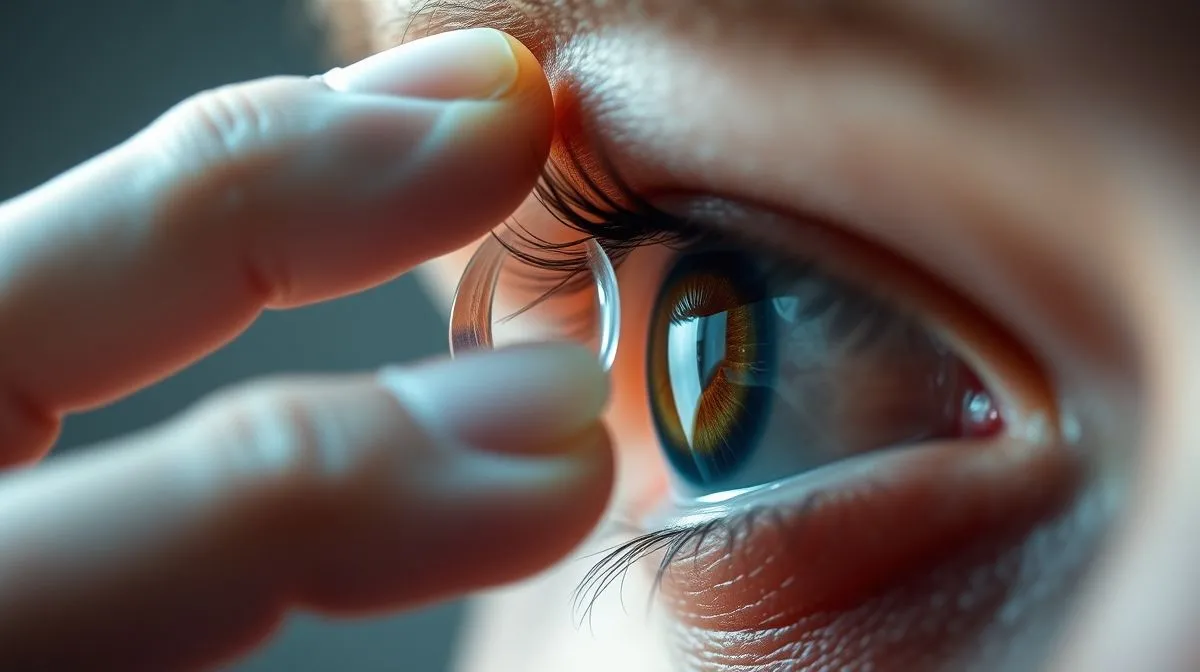
How to Prevent Eye Infections from Contact Lenses: Your Definitive Guide
Imagine a world where your vision is clear, crisp, and unhindered, thanks to the convenience of contact lenses. Now, imagine that clarity suddenly clouded by discomfort, pain, and the terrifying prospect of vision loss. For millions of contact lens wearers worldwide, this nightmare can become a reality if proper care isn't taken. While contacts offer incredible freedom, they also come with a responsibility: safeguarding your precious eyesight.
The insidious threat of eye infections looms large for those who fail to adhere to strict hygiene protocols. These infections, ranging from mild irritation to severe, vision-threatening conditions, are often preventable. The core question remains: how to prevent eye infections from contact lenses and ensure your eyes remain healthy and vibrant?
This comprehensive guide will equip you with the knowledge and practical steps necessary to significantly reduce your risk of eye infections. By the end of this reading, you'll understand the underlying dangers, master essential hygiene practices, identify common pitfalls, and gain the confidence to wear your contact lenses safely and comfortably, protecting your vision for years to come.
Understanding the Threat: What Are Eye Infections?
Eye infections are a broad category of conditions caused by harmful microorganisms, such as bacteria, fungi, viruses, or parasites, that invade the eye. For contact lens wearers, the lenses themselves can sometimes act as a conduit or a breeding ground for these pathogens if not handled and cared for correctly. Understanding the nature of these threats is the first step in prevention.
Common Types of Contact Lens-Related Infections
While many types of eye infections exist, some are particularly relevant to contact lens wearers due to how they are contracted or exacerbated:
- Bacterial Keratitis: This is the most common and often severe type of contact lens-related infection. Bacteria, such as Pseudomonas aeruginosa, can rapidly cause corneal ulcers, leading to pain, vision loss, and even permanent scarring if untreated.
- Fungal Keratitis: Less common but notoriously difficult to treat, fungal infections can occur, especially after eye trauma involving plant material or exposure to contaminated water. Fusarium and Aspergillus are common culprits.
- Acanthamoeba Keratitis: A rare but devastating parasitic infection caused by a microscopic amoeba commonly found in water sources (tap water, swimming pools, hot tubs). It causes excruciating pain and can lead to permanent vision impairment or blindness. It's a stark reminder of why tap water should never touch your lenses.
- Giant Papillary Conjunctivitis (GPC): While not an infection in the microbial sense, GPC is an inflammatory reaction to contact lens deposits, leading to irritation, discomfort, and reduced lens tolerance. It can increase susceptibility to actual infections.
Recognizing the Warning Signs
Early detection is paramount when it comes to eye infections. If you experience any of the following symptoms, remove your contact lenses immediately and consult an eye care professional without delay:
- Redness: Persistent redness of the eye, particularly around the iris.
- Pain or Discomfort: Anything from a mild ache to severe, throbbing pain in or around the eye.
- Blurred Vision: Sudden or progressive blurring of vision in one or both eyes.
- Excessive Tearing or Discharge: Watery eyes, or a sticky, pus-like discharge.
- Light Sensitivity (Photophobia): Discomfort or pain when exposed to light.
- Feeling of a Foreign Body: A persistent sensation that something is in your eye.
- Swelling: Swelling of the eyelids or the eye itself.
Remember, even seemingly minor symptoms can escalate quickly. Don't self-diagnose or try to 'wait it out'. Your vision is too important.
The Cornerstone of Safety: Proper Contact Lens Hygiene
The vast majority of contact lens-related eye infections are preventable through diligent adherence to proper hygiene. This isn't merely a suggestion; it's a non-negotiable requirement for safe contact lens wear. Every step, from handling your lenses to storing them, plays a critical role.
Always Wash Your Hands
Before you even think about touching your contact lenses or your eyes, thoroughly wash your hands with soap and water. Dry them completely with a clean, lint-free towel. This simple step eliminates countless bacteria, viruses, and other microorganisms that can be transferred from your hands to your lenses and then to your eyes. It’s the first line of defense against infection.
Never Use Tap Water
This cannot be stressed enough: never use tap water, distilled water, or any non-sterile water to rinse, clean, or store your contact lenses or lens case. Tap water contains microorganisms, including the dangerous Acanthamoeba, which can cause severe, sight-threatening infections. Even purified or bottled water is not sterile enough for contact lens care. Always use fresh, sterile contact lens solution specifically designed for your type of lenses.
Use Fresh Solution Every Time
Resist the urge to 'top off' old solution in your lens case. Each time you store your lenses, discard the old solution from the case and fill it with fresh, sterile solution. Reusing or adding new solution to old, contaminated solution significantly increases the risk of bacterial growth and subsequent infection. Think of it like this: you wouldn't wash dishes in dirty water, so why would you clean your lenses in old solution?
Clean and Store Your Lens Case Properly
Your contact lens case is an often-overlooked breeding ground for bacteria if not cared for correctly. Follow these steps religiously:
- After placing your lenses in your eyes, empty the old solution from the case.
- Rinse the empty case thoroughly with fresh, sterile contact lens solution (never water).
- Leave the case open and upside down on a clean tissue or paper towel to air dry. This allows residual moisture to evaporate, preventing microbial growth.
- Replace your contact lens case at least every three months, or more frequently if it shows signs of wear, cracks, or contamination. Many eye care professionals recommend replacing it monthly.
Choosing the Right Lenses and Following Manufacturer Guidelines
The type of contact lenses you wear and how strictly you adhere to their prescribed wearing schedule are critical factors in preventing eye infections. Not all lenses are created equal, and not all wearing habits are safe.
Daily Disposables vs. Reusable Lenses
Daily disposable lenses are often considered the safest option for preventing infections because they are worn for one day and then discarded. This eliminates the need for cleaning and storage, significantly reducing the risk of contamination. If you struggle with hygiene routines or are prone to infections, dailies might be your best choice.
Reusable lenses (two-week, monthly, or extended wear) require meticulous daily cleaning and disinfection. While more economical, they carry a higher inherent risk of infection if care instructions are not followed precisely. The material and design of reusable lenses can also influence how susceptible they are to protein deposits and microbial adhesion.
Adhering to Wearing Schedules
Over-wearing your contact lenses beyond their recommended lifespan or prescribed wearing schedule is a major risk factor for infections. Lenses are designed for specific wear times; beyond that, their material can break down, accumulate deposits, and become less breathable, leading to oxygen deprivation in the cornea and increased susceptibility to infection. Always follow your eye care professional's instructions and the manufacturer's guidelines for replacement schedules.
Never Share Lenses
Sharing contact lenses, even cosmetic ones, is an absolute no-go. This is a direct transfer of bacteria and other microorganisms from one person's eye to another, dramatically increasing the risk of severe infections like pink eye (conjunctivitis) or worse. Contact lenses are medical devices prescribed for individual use.
Regular Eye Exams Are Crucial
Regular comprehensive eye exams are not just for updating your prescription; they are vital for monitoring your eye health and ensuring your contact lenses are still a good fit for your eyes. Your eye care professional can detect early signs of irritation or potential problems before they escalate into full-blown infections. They can also provide updated recommendations for lens types or care solutions. According to the American Academy of Ophthalmology, routine check-ups are essential for safe contact lens wear.
Habits to Break: Common Mistakes That Lead to Infections
Many eye infections stem from seemingly minor habits that, over time, create a high-risk environment for your eyes. Identifying and breaking these habits is crucial for preventing eye infections from contact lenses.
Sleeping in Lenses (Unless Approved)
Unless you are wearing specific FDA-approved extended-wear lenses, sleeping in your contact lenses is one of the riskiest habits. When your eyes are closed, the oxygen supply to your cornea is significantly reduced. Lenses further restrict this oxygen flow, creating an ideal, low-oxygen environment where bacteria can thrive and cause serious infections, including corneal ulcers. Always remove your lenses before sleeping, even for a short nap.
Showering or Swimming with Lenses
Exposing your contact lenses to water sources like showers, swimming pools, hot tubs, or lakes is a direct pathway for dangerous microorganisms, such as Acanthamoeba, to get onto your lenses and into your eyes. Even chlorinated pool water isn't enough to kill all harmful pathogens. Always remove your lenses before any water-related activities. If you must wear them, use daily disposables and discard them immediately after exposure, or wear tight-fitting goggles.
Using Expired Lenses or Solution
Contact lenses and solutions have expiration dates for a reason. Over time, lens materials can degrade, becoming less breathable and more prone to accumulating deposits, increasing irritation and infection risk. Similarly, contact lens solutions lose their disinfecting efficacy past their expiration date, rendering them ineffective at killing harmful microbes. Always check expiration dates and discard expired products.
Ignoring Minor Discomfort
Your eyes are remarkably sensitive and communicate discomfort for a reason. If your eyes feel irritated, red, itchy, or painful while wearing contacts, do not ignore it. Remove your lenses immediately. If symptoms persist after removal, or if they worsen, contact your eye care professional. Continuing to wear lenses over irritated eyes can turn a minor issue into a serious infection.
Beyond Basic Care: Advanced Tips for Optimal Eye Health
While proper hygiene is fundamental, there are additional steps you can take to bolster your eye health and further reduce the risk of infection. These practices contribute to overall ocular wellness, making your eyes more resilient.
Hydration and Nutrition for Eye Health
A well-hydrated body supports healthy tear production, which is crucial for flushing away irritants and maintaining a healthy ocular surface. Drink plenty of water throughout the day. Furthermore, a diet rich in omega-3 fatty acids (found in fish, flaxseed), vitamins A, C, and E, and zinc can support overall eye health and potentially reduce dry eye symptoms, which can sometimes lead to contact lens discomfort and increased infection risk.
Protecting Your Eyes from Environmental Factors
Environmental factors can also impact your eye health. Wind, dust, smoke, and dry climates can lead to dry eyes and irritation, making your eyes more vulnerable. Wearing protective eyewear like sunglasses outdoors can shield your eyes from UV radiation and physical irritants. If you work in a dusty or chemical-laden environment, consider safety glasses.
Knowing When to Seek Professional Help
It's crucial to distinguish between minor irritation and a potential infection. If you experience persistent redness, pain, blurred vision, discharge, or light sensitivity, do not hesitate to contact your eye care professional immediately. These symptoms warrant prompt attention. The Centers for Disease Control and Prevention (CDC) emphasizes that early diagnosis and treatment are key to preventing serious complications from eye infections.
The Science Behind Sterility: How Solutions Keep Your Eyes Safe
Contact lens solutions are far more than just saline. They are complex chemical formulations designed to clean, disinfect, rinse, and store your lenses, playing a vital role in preventing microbial growth. Understanding their function can reinforce the importance of using them correctly.
Types of Contact Lens Solutions
- Multi-Purpose Solutions (MPS): These are the most common and convenient. They combine cleaning, rinsing, disinfecting, and storing functions in one bottle. MPS typically contain a combination of disinfectants, wetting agents, and buffering agents.
- Hydrogen Peroxide Systems: These systems use hydrogen peroxide to deep clean and disinfect lenses. They are highly effective at killing a broad spectrum of microorganisms but require a neutralization step (often a catalytic disc in the lens case) before the lenses can be worn. Failing to neutralize the solution can cause a painful chemical burn to the eye. They are often recommended for those with sensitivities to MPS preservatives.
- Saline Solution: This is only for rinsing lenses and should never be used for cleaning or disinfecting. It contains no cleaning or germ-killing agents.
- Daily Cleaner: Some systems use a separate daily cleaner to remove deposits, followed by rinsing and disinfection.
The Chemical Process of Disinfection
Disinfecting solutions work by using chemical agents that penetrate the cell walls of microorganisms, disrupting their internal structures and rendering them inactive or dead. This process takes a specific amount of time, which is why it's critical to soak your lenses for the duration recommended by the solution manufacturer (typically 4-6 hours or overnight). Shorter soaking times may not effectively kill all pathogens.
Why Generic Solutions Aren't Always Equal
While generic or store-brand solutions might seem like a cost-saving option, it's often advisable to stick to the specific solution recommended by your eye care professional, especially if you experience sensitivity or recurrent issues. Different solutions have different formulations and preservatives, and what works well for one person might cause irritation or be less effective for another. The compatibility between your lens material and your solution is also a factor. For more detailed insights into contact lens solutions and their efficacy, reputable scientific sources, such as studies on ocular microbiology, provide valuable information on how to prevent eye infections from contact lenses effectively, highlighting the importance of solution choice.
Frequently Asked Questions (FAQ)
Question: Can I use saline solution to clean my contact lenses? Answer: No, saline solution is only for rinsing. It does not contain disinfectants to kill harmful bacteria or other microorganisms. Always use fresh, sterile contact lens solution for cleaning and disinfecting.
Question: How often should I replace my contact lens case? Answer: You should replace your contact lens case at least every three months. Many eye care professionals recommend replacing it monthly, or immediately if it becomes cracked, dirty, or damaged.
Question: What should I do if my eye feels irritated while wearing contacts? Answer: Immediately remove your contact lenses. If the irritation persists after removal, or if you experience redness, pain, blurred vision, or discharge, contact your eye care professional without delay. Do not reinsert your lenses until your eye has been examined.
Question: Is it safe to wear makeup with contact lenses? Answer: Yes, it is generally safe, but with precautions. Always insert your contact lenses before applying makeup and remove them before removing makeup. Use oil-free, hypoallergenic, and non-fibrous products. Avoid applying eyeliner or mascara to the inner lash line. Replace eye makeup frequently (every 3-6 months) to prevent bacterial growth.
Recommended Reading
- Petite Perfection: Your Guide to Classic Wardrobe Essentials
- Find Your Perfect Fit: Best Luxury Eyewear Brands for Oval Faces
- Effortless Elegance: How to Choose Casual Menswear for Men Over 40
- Unlock the Secret: How to Properly Clean & Maintain Smart Fabric Garments?
- The Ultimate Guide: How to Properly Break In New Men's Running Shoes
Conclusion
The freedom and convenience offered by contact lenses are undeniable, but they come with a crucial responsibility: protecting your precious eyesight. By understanding the potential risks and diligently adhering to proper hygiene and care practices, you can significantly reduce your chances of developing an eye infection. From meticulous handwashing and using fresh solution daily to avoiding water exposure and never over-wearing your lenses, every step contributes to a safer, healthier contact lens experience. Remember, your vision is invaluable; empower yourself with knowledge and proactive care to ensure your eyes remain clear, comfortable, and infection-free for years to come. Knowing how to prevent eye infections from contact lenses is not just about avoiding problems; it's about preserving your quality of life.


Your email address will not be published. Required fields are marked *