

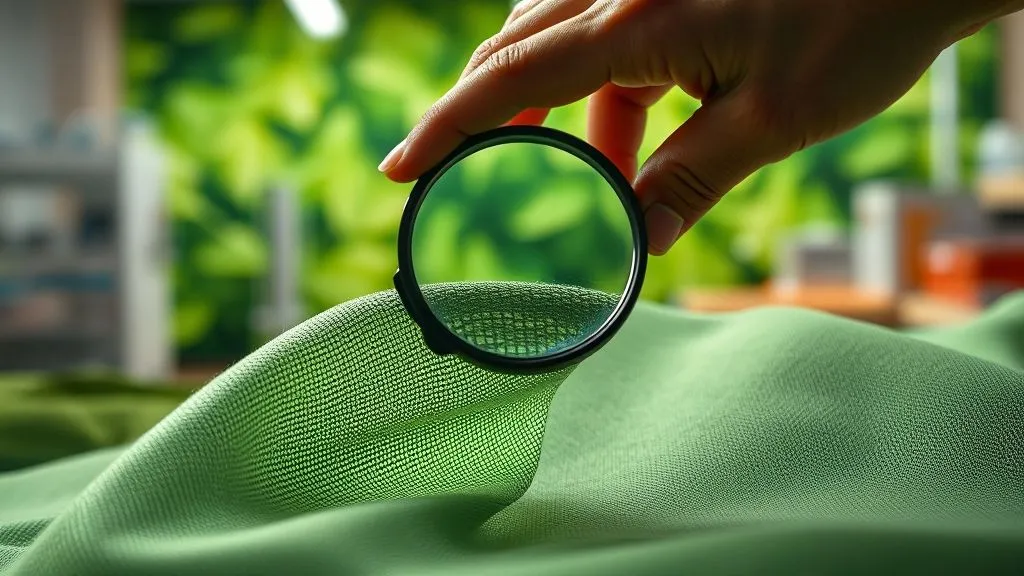
How to Verify True Sustainability of New Textile Innovations?
For over two decades in the textile innovation space, I've witnessed a fascinating, yet often frustrating, evolution. From the nascent days of 'eco-friendly' claims to today's complex landscape of bio-synthetics, recycled polymers, and circular systems, the journey towards genuine sustainability has been anything but linear. I've seen countless promising innovations emerge, only for their true environmental credentials to be obscured by marketing hype, making it incredibly challenging for brands and consumers alike to discern genuine progress from mere greenwashing.
The problem is pervasive: a significant portion of what’s marketed as 'sustainable' lacks robust, verifiable data, or worse, presents only a partial picture. This creates a trust deficit, not just for individual products, but for the entire industry’s commitment to a greener future. Without a rigorous framework for assessment, we risk investing in solutions that offer marginal improvements or, inadvertently, create new environmental burdens. The stakes are too high – for our planet, for ethical businesses, and for a discerning consumer base – to take sustainability claims at face value.
In this definitive guide, I will share the invaluable frameworks, critical questions, and actionable steps I've honed over years of experience. You'll learn how to cut through the noise, understand the essential metrics, and apply a multi-faceted approach to truly verify the sustainability of new textile innovations. My aim is to equip you with the expertise to make informed decisions, foster genuine change, and contribute to a textile industry that is truly responsible and regenerative.
The Greenwashing Gauntlet: Why Verification is Crucial
The term 'greenwashing' has become ubiquitous, and for good reason. In the rush to meet consumer demand for more sustainable products, many companies resort to misleading marketing tactics, making vague or unsubstantiated claims about their environmental practices or products. As an industry specialist, I’ve observed this phenomenon evolve from simple misdirection to sophisticated campaigns that are incredibly difficult to debunk without deep expertise.
The impact of greenwashing is far-reaching. It erodes consumer trust, undermines the efforts of genuinely sustainable brands, and diverts investment from truly impactful innovations. More insidiously, it can lull us into a false sense of security, believing we are making ethical choices when, in reality, we might be perpetuating unsustainable practices. This is why learning how to verify true sustainability of new textile innovations is not just an academic exercise; it's a critical business imperative and a moral responsibility.
The biggest challenge in sustainable textiles isn't a lack of innovation; it's a lack of robust, transparent, and universally accepted verification. Without it, we're navigating a minefield of good intentions and deceptive claims.
My years in this field have taught me that skepticism, backed by data, is your strongest ally. You must be prepared to ask uncomfortable questions, demand concrete evidence, and look beyond the surface-level marketing. The journey to genuine sustainability begins with rigorous, independent verification, ensuring that every claim stands up to scientific scrutiny and ethical examination. This foundation is what allows for real, measurable progress.

Step 1: Deconstructing the Lifecycle Assessment (LCA) – Beyond the Hype
When assessing new textile innovations, the Lifecycle Assessment (LCA) is, in my professional opinion, the most comprehensive tool available. It’s not just about what a material is made of, but its entire journey: from raw material extraction, through processing, manufacturing, distribution, use, and finally, its end-of-life. A true LCA provides a data-driven snapshot of environmental impacts, but it's crucial to understand its nuances and limitations.
Many companies will tout a 'partial LCA' or focus on a single metric, which can be misleading. To genuinely verify sustainability, you must insist on a full, third-party verified LCA that adheres to ISO 14040 and 14044 standards. This ensures consistency and comparability. Without this, you’re often comparing apples to oranges, or worse, just looking at the peel.
Key Stages of an LCA:
- Raw Material Extraction & Processing: What resources are used? What are the ecological impacts of cultivation (land use, water, pesticides) or extraction (mining, drilling)?
- Manufacturing & Production: Energy consumption, water usage, chemical inputs, waste generation, emissions (air, water, soil) during spinning, weaving, dyeing, and finishing.
- Transportation & Distribution: Carbon footprint associated with moving materials and finished goods across the supply chain.
- Use Phase: Energy and water required for care (washing, drying), durability, and potential release of microfibers.
- End-of-Life: What happens when the product is discarded? Is it recyclable, biodegradable, compostable, or destined for landfill/incineration?
I advise looking for LCAs that highlight not just carbon footprint, but also water scarcity, eutrophication potential, land use change, and human toxicity. A holistic view is essential. Don't be afraid to dig into the methodology, the scope, and the critical review process of any LCA presented to you. This is a foundational step in understanding how to verify true sustainability of new textile innovations.
| LCA Impact Category | New Innovation A (Bio-based) | Conventional Textile X (Polyester) | Target Improvement (%) |
|---|---|---|---|
| Global Warming Potential (kg CO2 eq) | 1.5 | 6.0 | 75% |
| Water Scarcity (m3 eq) | 50 | 120 | 58% |
| Eutrophication Potential (kg N eq) | 0.02 | 0.15 | 87% |
| Land Use (m2*year) | 0.8 | 0.1 | -700% |
For further reading on LCA standards, I highly recommend consulting resources from the International Organization for Standardization (ISO) directly.
Step 2: Scrutinizing Supply Chain Transparency and Traceability
A textile innovation's sustainability claims are only as strong as its supply chain transparency. In my experience, this is where many claims fall apart. It's not enough for a fiber to be 'organic' or 'recycled' if its journey from raw material to finished garment is opaque, fraught with unethical labor, or relies on environmentally damaging practices at intermediate stages. You need to know the origin story, not just the headline.
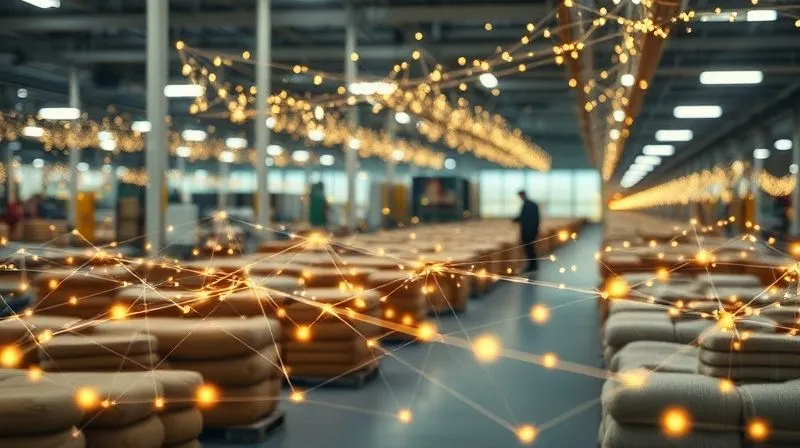
True transparency means being able to trace a material's path at every single step, from the farm or recycling facility, through spinning, weaving, dyeing, finishing, and garment assembly. This requires robust data collection, often involving digital solutions like blockchain technology, which can provide an immutable record of each transaction and transformation. Without this granular visibility, it’s impossible to confirm the integrity of the entire process.
Case Study: InnovateFabrics' Journey to Transparency
InnovateFabrics, a fictional but realistic startup developing a new bio-synthetic fiber, initially focused solely on the biodegradability of their end product. However, I challenged them to look deeper. We discovered their initial processing partner used a significant amount of freshwater and discharged untreated effluent. By implementing a blockchain-based traceability system and partnering with a new processor committed to closed-loop water systems and renewable energy, InnovateFabrics not only verified their fiber's journey but also reduced its water footprint by 60% and energy consumption by 40% in processing. This deep dive into their supply chain, beyond the initial material claim, allowed them to genuinely substantiate their sustainability narrative and build stronger trust with their brand partners.
Ask critical questions: Who are their tier 1, 2, and 3 suppliers? What are their environmental and social policies? Are there independent audits? A truly sustainable innovation embraces this level of scrutiny, understanding that transparency builds trust and reveals areas for continuous improvement. This step is pivotal in understanding how to verify true sustainability of new textile innovations comprehensively.
Step 3: Understanding Material Composition and Resource Use
The core of any textile innovation lies in its material composition. But understanding this goes far beyond simply knowing if it’s natural, synthetic, or recycled. It's about the inherent properties, the resources consumed to create it, and the potential impacts of those resources. I often advise clients to think of it as a 'resource audit' for the material itself.
For bio-based materials, consider the origin of the biomass: Is it food-grade, or does it utilize agricultural waste? What are the land use implications, water intensity, and potential for biodiversity loss? For recycled materials, what is the source of the feedstock? Is it post-consumer or post-industrial? What is the energy and chemical input required for the recycling process? For traditional synthetics with sustainability claims, what are the specific improvements in polymerization, dyeing, or finishing that reduce impact?
- Water Footprint: How much water is consumed in growing/producing the raw material and throughout its processing? Is it sourced responsibly?
- Energy Footprint: What energy sources are used? Is it renewable, or heavily reliant on fossil fuels?
- Chemical Inputs: Are hazardous chemicals used at any stage? Are there closed-loop systems to prevent chemical release? Are safer alternatives employed?
- Biodiversity Impact: Does the sourcing or production process contribute to deforestation, habitat destruction, or soil degradation?
- Microplastic Release: For synthetic fibers, is there data on microfiber shedding during use and washing? Are there innovations to mitigate this?
These questions delve into the fundamental environmental burden of the material itself. A truly sustainable textile innovation will demonstrate significant reductions across these categories compared to conventional alternatives, with verifiable data to back it up. Without this deep dive, you’re only scratching the surface of how to verify true sustainability of new textile innovations.
For detailed information on sustainable material science, I recommend exploring resources from the Textile Exchange, a leading non-profit driving industry transformation.
Step 4: Evaluating End-of-Life Scenarios: Circularity in Action
A textile isn't truly sustainable if its lifecycle ends abruptly in a landfill. A critical, yet often overlooked, aspect of verifying sustainability is understanding the intended and actual end-of-life pathway for the material or product. This is where the concept of the circular economy truly comes into play. Is the innovation designed for infinite loops, or does it merely delay its eventual waste status?
I always challenge innovators to think beyond just 'biodegradable' or 'recyclable' and consider the *conditions* required for these processes. Is it industrially compostable, meaning it needs specific facilities that may not be widely available? Is it mechanically or chemically recyclable? If so, what is the quality of the recycled output, and how many times can it be recycled without significant degradation?
True circularity requires intentional design for end-of-life from the very beginning. A material that can be recycled but isn't designed for easy disassembly, or a biodegradable fiber that requires specific industrial conditions, falls short of its full potential.
Look for innovations that prioritize: recyclability (can it be reprocessed into new fibers?), biodegradability (does it safely break down into natural elements without leaving harmful residues?), and compostability (can it turn into nutrient-rich soil?). Even better are innovations that facilitate repair, reuse, and ultimately, closed-loop systems where the material can endlessly cycle back into new products of equal or higher value. This forward-thinking approach is fundamental to discerning legitimate sustainable textile innovation.
Step 5: Deciphering Certifications and Standards – What Truly Matters
The world of textile certifications can be a labyrinth, and without expert guidance, it's easy to get lost. Many certifications exist, but not all carry the same weight or cover the same scope. My experience has taught me to prioritize certifications that are third-party verified, comprehensive in their scope (environmental and/or social), and transparent about their criteria.
A certification should act as a shortcut to trust, confirming that a product or process meets specific, independently verified standards. However, it's crucial to understand what *each* certification actually guarantees. Some focus solely on organic content, others on chemical safety, and some on broader environmental and social criteria across the supply chain. Don’t assume one certification covers all aspects of sustainability.
Essential Certifications to Look For:
- Global Organic Textile Standard (GOTS): The gold standard for organic fibers, covering ecological and social criteria throughout the supply chain.
- Oeko-Tex Standard 100: Focuses on human ecological safety, ensuring textiles are free from harmful substances.
- Bluesign® SYSTEM: A holistic system that minimizes environmental impact throughout the manufacturing process, from raw materials to finished product.
- Cradle to Cradle Certified®: Assesses products for environmental and social performance across five categories: material health, material reutilization, renewable energy and carbon management, water stewardship, and social fairness.
- Recycled Claim Standard (RCS) / Global Recycled Standard (GRS): Verifies recycled content and responsible social, environmental, and chemical practices in production.
Always ask: What specific aspects of sustainability does this certification cover? Is it relevant to the claim being made? Is the certification body reputable and independent? Understanding these nuances is a vital part of how to verify true sustainability of new textile innovations, ensuring you’re not misled by partial or less rigorous standards.
| Certification | Scope | Supply Chain Coverage | Key Focus |
|---|---|---|---|
| GOTS | Organic & Social | Full | Organic fiber content, worker conditions |
| Oeko-Tex 100 | Chemical Safety | Product testing | Absence of harmful substances |
| Bluesign® SYSTEM | Environmental Performance | Manufacturing process | Resource efficiency, chemical management |
| Cradle to Cradle Certified® | Holistic (5 Pillars) | Full product lifecycle | Material health, circularity, social equity |
Step 6: Assessing Social Impact and Ethical Labor Practices
Sustainability isn't solely about the environment; it’s intrinsically linked to social equity and ethical labor practices. In my years navigating the global textile supply chain, I've seen firsthand that environmental gains can be negated if they come at the cost of human dignity. A truly sustainable textile innovation must consider the well-being of every individual involved in its creation, from raw material cultivators to factory workers.
This means scrutinizing labor conditions, fair wages, safe working environments, and the absence of child or forced labor. It also involves community impact: Does the innovation contribute positively to local communities, or does it exploit resources and people? Are indigenous rights respected in the sourcing of bio-based materials? These are complex questions that require diligent investigation.
Sustainability is a three-legged stool: environmental, economic, and social. If any leg is weak, the whole structure collapses. Neglecting the human element is not just unethical; it's a fundamental flaw in any claim of true sustainability.
Look for evidence of strong social auditing programs, fair trade certifications where applicable, and transparent reporting on labor practices. Engage with suppliers about their worker empowerment initiatives, access to grievance mechanisms, and commitment to living wages. Don't shy away from asking for details about factory conditions and worker representation. This deep dive into the human element is a non-negotiable step in understanding how to verify true sustainability of new textile innovations in a holistic manner.
For more insights into ethical labor practices in supply chains, I recommend exploring resources from organizations like the Fair Wear Foundation.
Step 7: Performance and Durability – The Often Overlooked Pillar
Here's a crucial point that often gets missed in the rush to embrace 'eco-friendly' materials: A textile innovation, no matter how sustainably produced, is not truly sustainable if it doesn't perform well or quickly falls apart. The most sustainable garment is the one that lasts the longest, reducing the need for constant replacement and thereby minimizing its overall environmental footprint.
In my experience, durability is a silent sustainability hero. A fabric that needs frequent washing, requires excessive energy for care, or has a short lifespan due to poor quality can negate its initial environmental benefits. Consider the entire lifecycle again: if a bio-based textile is touted as sustainable but loses its integrity after a few washes, its true impact might be worse than a durable, conventional alternative that lasts for years.
- Longevity: How long is the expected lifespan of the material in its intended use?
- Care Requirements: Does it require excessive water, energy, or special chemicals for cleaning and maintenance? Lower impact care means a lower use-phase footprint.
- Repairability: Is the material and product designed to be easily repaired, extending its life?
- Functional Performance: Does it meet the functional demands of its application (e.g., strength, breathability, stretch)? A material that fails to perform will be discarded prematurely.
Always ask for performance data: tensile strength, abrasion resistance, colorfastness, pilling resistance, and dimensional stability. A truly sustainable textile innovation balances its environmental and social credentials with uncompromising quality and durability. This ensures that the product delivers long-term value, which is a cornerstone of genuine sustainability and a key aspect of how to verify true sustainability of new textile innovations effectively.
Building Your Internal Sustainability Verification Framework
Navigating the complexities of textile sustainability requires more than just understanding the individual steps; it demands a structured, continuous approach. Based on my insights from working with numerous brands and innovators, I strongly advocate for developing an internal verification framework that integrates these principles into your core decision-making processes.
This isn't a one-time audit; it's an ongoing commitment to due diligence. It ensures that every new textile innovation you consider, adopt, or promote has been rigorously vetted against comprehensive environmental, social, and performance criteria. Such a framework not only protects your brand from greenwashing accusations but also positions you as a leader in genuine sustainable practice.
- Establish Clear Criteria: Define what 'sustainable' means for your organization, drawing from the seven steps outlined above. Prioritize metrics that align with your values and industry best practices.
- Implement a Due Diligence Process: Develop a checklist or scoring system for evaluating new innovations. Require comprehensive data, certifications, and supply chain transparency documentation from all potential partners.
- Engage Third-Party Verification: Don't rely solely on supplier self-assessments. Utilize reputable third-party auditors and certification bodies to validate claims.
- Foster Collaboration and Education: Work closely with your suppliers, designers, and procurement teams to educate them on your sustainability standards and foster a culture of shared responsibility.
- Monitor and Re-evaluate: Sustainability is a moving target. Regularly review your framework, stay updated on new research and standards, and re-evaluate existing materials as new data emerges.
- Communicate Transparently: Be honest about your journey, your successes, and your challenges. Share verifiable data with your stakeholders to build trust.
By embedding this framework, you move beyond reactive responses to proactive leadership in sustainable textile innovation. This strategic approach is the most effective way to ensure you consistently know how to verify true sustainability of new textile innovations.
Frequently Asked Questions (FAQ)
Question? What is the biggest challenge in verifying textile sustainability today?
Answer: In my experience, the single biggest challenge is the lack of standardized, universally adopted data collection and reporting across the entire global supply chain. This fragmentation makes it incredibly difficult to compare claims accurately and identify true leaders. Greenwashing thrives in this data vacuum, making robust third-party verification and a critical mindset absolutely essential for brands.
Question? Can a synthetic fiber ever be truly sustainable?
Answer: Absolutely. While natural fibers often get a 'green halo,' a well-managed synthetic fiber can be highly sustainable, especially when considering durability, recyclability, and resource efficiency. Innovations in responsible synthetic textiles, such as those made from recycled content (e.g., recycled polyester from plastic bottles), closed-loop chemical recycling, or bio-based synthetics from non-food feedstocks, can significantly outperform some natural fibers with high water or land-use footprints. The key is the full lifecycle assessment, not just the material category.
Question? How can small brands afford comprehensive verification?
Answer: This is a valid concern. While full LCAs and extensive certifications can be costly, small brands can start by prioritizing. Focus on requesting key certifications (like GOTS or Oeko-Tex) from your direct suppliers. Utilize industry tools and databases that aggregate supplier sustainability data. Join industry initiatives that offer shared resources or simplified assessment tools. Transparency from your supply chain partners is crucial, and even small brands have the power to demand it and build relationships with truly committed suppliers.
Question? Are 'biodegradable' textiles always better?
Answer: Not necessarily. While biodegradability sounds ideal, its true impact depends on the specific conditions required for breakdown and the actual end-of-life pathway. Many 'biodegradable' textiles require industrial composting facilities, which are not widely available. If they end up in landfills, they may decompose anaerobically, producing methane, a potent greenhouse gas. Furthermore, some biodegradable materials may still contain harmful chemicals. It's essential to understand the full context of their degradation and compare it against the lifecycle of a durable, recyclable alternative.
Question? What role does consumer education play in this verification process?
Answer: A massive role! Educated consumers drive demand for verifiable sustainability, pushing brands to be more transparent and rigorous. When consumers understand the complexities beyond simple 'eco-friendly' labels, they become powerful advocates for genuine change. Brands that openly share their verification processes and educate their customers build stronger trust and loyalty, creating a positive feedback loop for the entire industry.
Key Takeaways and Final Thoughts
The journey to truly sustainable textile innovation is complex, fraught with challenges, but ultimately incredibly rewarding. As an industry specialist, I've seen the textile world shift dramatically, and the imperative to verify sustainability has never been stronger. It's no longer enough to make vague claims; stakeholders demand proof, and the planet demands action.
- Embrace a Holistic View: Look beyond single attributes and assess the entire lifecycle, from raw material to end-of-life.
- Demand Data and Transparency: Insist on verifiable data, third-party certifications, and full supply chain visibility.
- Question Everything: Approach claims with a healthy dose of skepticism, always asking 'how?' and 'who?'
- Prioritize Durability and Quality: A long-lasting, high-performing product is inherently more sustainable.
- Integrate Social Equity: Remember that true sustainability encompasses both environmental and human well-being.
- Build an Internal Framework: Systematize your verification process for consistent, reliable decision-making.
By diligently applying these principles, you're not just verifying sustainability; you're actively shaping a more responsible, resilient, and ethical future for the textile industry. It's a challenging path, but one that offers immense opportunities for innovation, trust-building, and lasting positive impact. I encourage you to be the change-makers, to scrutinize with purpose, and to lead with integrity. The future of fashion depends on it.

Recommended Reading
- Unlock Peak Results: 7 Steps to Master Anti-Aging Product Layering
- Unlock the Secret: How to Care for Contemporary Jewelry Materials?
- Why Dress Styles Fail Online? 5 Proven Ways to Skyrocket E-commerce Sales
- 7 Strategies: Innovating Haute Couture While Respecting Brand Heritage?
- Unlock the Secret: How to Properly Care for Your Sustainable Vegan Leather Bags



Your email address will not be published. Required fields are marked *